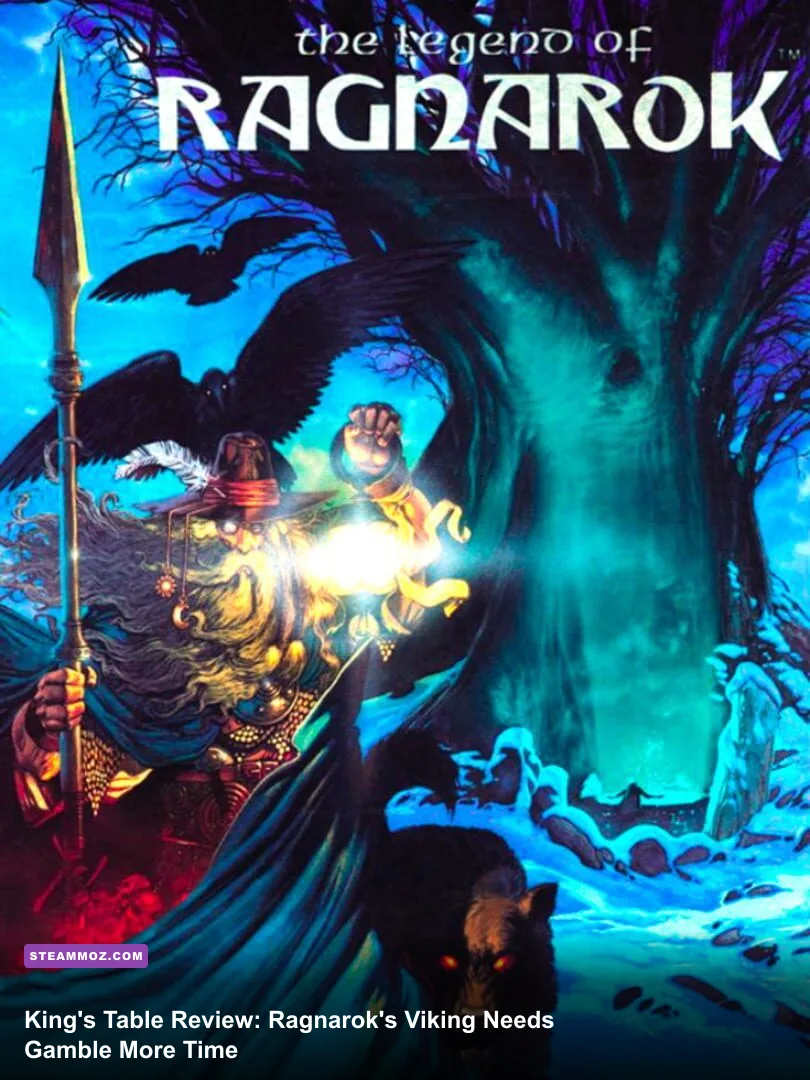
King's Table - The Legend of Ragnarok is not an easy recommendation in 2026. The concept is immediately attractive: a Viking-flavored take on the ancient king-and-guard board-game tradition, built around asymmetrical forces, surrounded objectives, and the constant panic of protecting a monarch. But the available, verifiable information is too thin to support the kind of confident buy recommendation players expect from a finished Steam release. If you love obscure strategy experiments and can confirm an active build, it may be worth investigating. For everyone else, waiting is the smarter move.
That conclusion isn't a dismissal of the idea. Quite the opposite: the premise has teeth. A well-made digital Hnefatafl-inspired game could sit somewhere between a compact tactics title and a narrative Viking duel. The problem is separating the promise of King's Table - The Legend of Ragnarok from assumptions about features, systems, and content that haven't been reliably documented. I won't invent weapon stats, character classes, boss phases, or a skill tree simply to make this review sound more certain than the evidence allows.
What kind of game is King's Table?
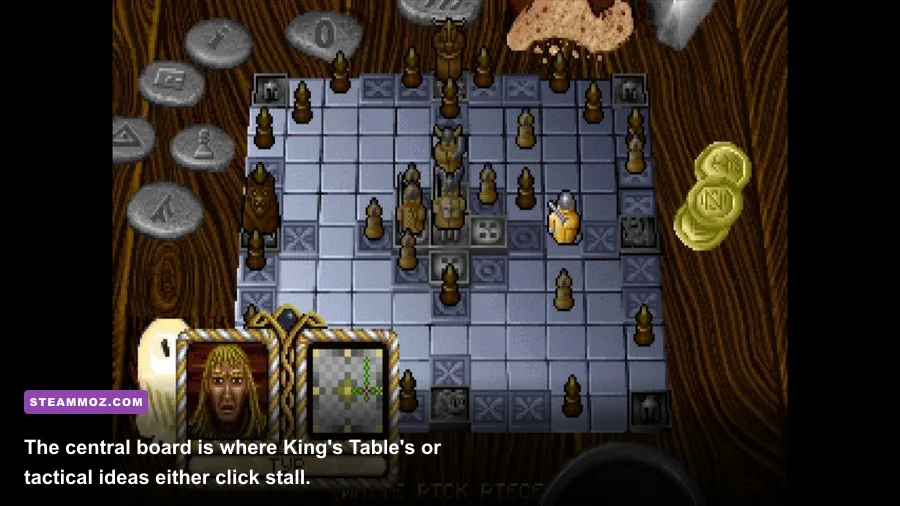
The title points toward King's Table, the family of Norse board games commonly associated with Hnefatafl. In that tradition, the sides are deliberately uneven. One player controls a smaller defending force around a king; the other commands a larger attacking force trying to capture him. Units are usually removed by being trapped between opposing pieces, while the king attempts to reach a protected edge or corner. That asymmetry is the hook. You aren't solving the same tactical puzzle from both sides, and a move that looks brilliant for the attackers can be disastrous when you're defending.
That distinction matters for expectations. This is not automatically a Viking RPG, a God of War-style action adventure, or a conventional turn-based tactics game with loot rarity and character levels. The phrase “Legend of Ragnarok” supplies atmosphere, but it does not prove the game contains a campaign with named heroes, a Norse pantheon, cinematic boss fights, or a traditional progression system. Before buying, check the current Steam search listing and read the latest developer notes rather than relying on a thumbnail or an old announcement.
| What to verify | Why it matters | My 2026 verdict |
|---|---|---|
| Core board rules | Determines whether matches feel strategic or arbitrary | Essential before purchase |
| Solo content | Defines replay value without an active community | Unclear from reliably available information |
| Online multiplayer | Asymmetrical games need opponents to stay alive | Do not assume it exists |
| Controller and accessibility support | Important for a precision-heavy board interface | Check the current build |

🎮 King's Table - The Legend of Ragnarok
Looking to experience this game? Grab your digital key directly on our store for $0.99.
View on Steammoz Store →Why the tactical premise still works
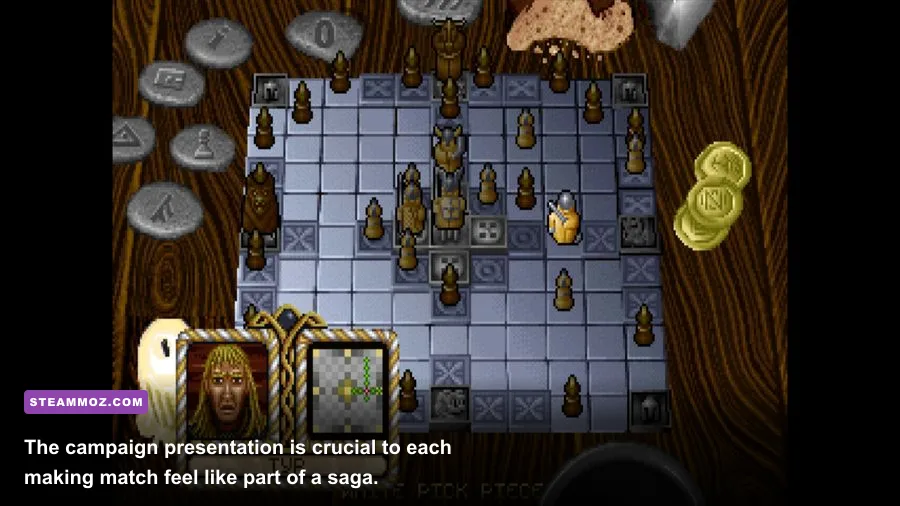
King's Table-style games create pressure through geometry, not damage numbers. Every square near the king has two jobs: it can be an escape route, or it can become a trap. The defenders want to open a corridor without exposing the monarch. The attackers want to close that corridor while forcing defenders to block one another. That produces a lovely rhythm of sacrifice, threat, and counter-threat.
The best version of this design makes every turn readable. You should be able to look at the board and understand the immediate danger: a flank is collapsing, an escape square is being covered, or a defender is pinned by the need to keep the king protected. If the game adds special rules, those rules need to sharpen that clarity rather than bury it beneath effects and mythology.
This is also why a digital adaptation needs strong feedback. Legal moves should be obvious. Captures should be animated quickly but clearly. The king's threatened status should never depend on spotting a tiny icon in a corner. A good interface turns a centuries-old ruleset into something welcoming; a bad one makes a simple board feel hostile. Players who enjoy the odd tactical tension of Inkulinati-style strategy will understand the appeal, but King's Table has to deliver clean information before it can compete for that audience.
The asymmetric side is the real test
Balance should not mean making both factions identical. Attackers need numbers, angles, and the ability to create multiple threats. Defenders need mobility, safe formations, and a king whose movement doesn't feel artificially restricted. If one side has an obvious first-player advantage, the game needs either a compensation rule or a matchmaking system that keeps repeat games fair.
That makes statistics such as win rate, average match length, and resignation frequency more valuable than a generic list of units. Unfortunately, I couldn't verify a trustworthy public balance dataset for this title. Treat anyone quoting precise faction percentages without linking a source with suspicion.
How progression and replayability should be judged
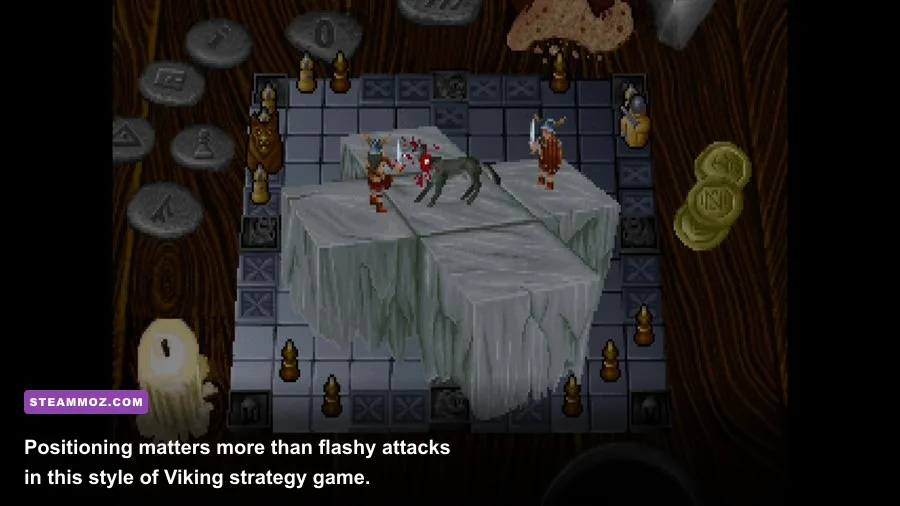
Strategy players don't need hundreds of unlocks, but they do need reasons to return. For a game built around a compact board, replay value should come from meaningful variables: different starting formations, alternate objectives, map hazards, campaign modifiers, or opponents that force new opening plans. Cosmetic Viking banners are welcome, but they won't rescue a shallow ruleset.
Look for three layers of replayability. First, the rules should remain interesting after the opening puzzle is solved. Second, the opponent should punish predictable habits without resorting to unexplained cheating. Third, the game should make rematches convenient. A fast rematch button, a move history, undo support in solo practice, and a clear resignation flow can matter more than an elaborate narrative wrapper.
That is where the Ragnarok branding could become useful if handled carefully. A campaign might introduce increasingly aggressive raiders, frozen terrain, sacred squares, or scenario objectives that change how the king moves. But those features need to be confirmed in the actual product. The title alone isn't evidence of a campaign. If you want a more established progression loop right now, our Bloodgrounds starting-build guide covers a game with much clearer systems and measurable advancement.
| Replayability feature | What good implementation looks like | Red flag |
|---|---|---|
| Solo opponent | Different tactical personalities and fair difficulty scaling | Difficulty only adds hidden bonuses |
| Scenario variety | Objectives change routes and formation priorities | Same board with cosmetic reskins |
| Multiplayer | Quick rematch, matchmaking, and reconnect support | No population or server information |
| Learning tools | Move history, legal-move preview, and practice mode | Rules are explained only in external posts |
Performance, controls, and the 2026 PC test
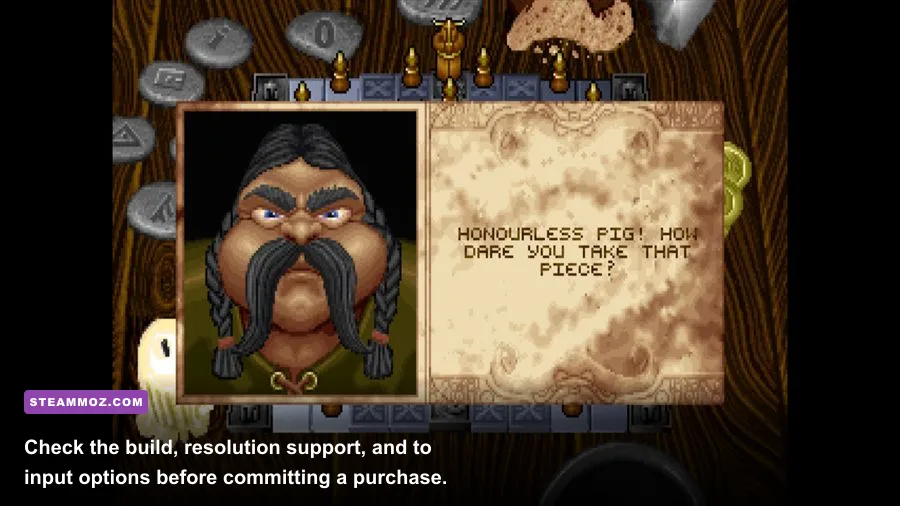
A board-focused game should run comfortably on modest hardware, but don't confuse low visual complexity with guaranteed polish. The crucial checks are input latency, windowed-mode behavior, scaling on high-resolution displays, readable text, and whether the mouse cursor accurately selects a square. A single misclick can decide a match, so input reliability matters more here than raw frame rate.
I would start with a capped 60 frames per second, native resolution, and effects reduced one step if the interface feels sluggish. Turn off motion blur immediately if it makes piece movement harder to follow. If the build offers anti-aliasing, use the lowest setting that keeps diagonal board edges clean; supersampling is rarely worth the performance cost in a game where visual clarity beats cinematic softness.
| Setting or test | Recommended starting point | Why it matters |
|---|---|---|
| Frame-rate cap | 60 FPS | Keeps animation consistent without chasing unnecessary frames |
| Resolution scale | 100 percent native | Preserves text and square boundaries |
| Motion blur | Off | Improves piece tracking and threat recognition |
| V-sync | On if tearing appears | Prevents distracting horizontal breaks during board movement |
| Window mode | Borderless for multitasking | Useful when checking rules or community notes |
For troubleshooting, begin with the basics in our guide to making every click feel instant. Verify files, disable aggressive overlays, and test a clean controller profile. If the game isn't listed clearly in Steam, don't download an unofficial executable claiming to be a “fix.” Use Steam Support for account and purchase issues, and use the game's verified community channels for build-specific reports.
Who should play it in 2026?
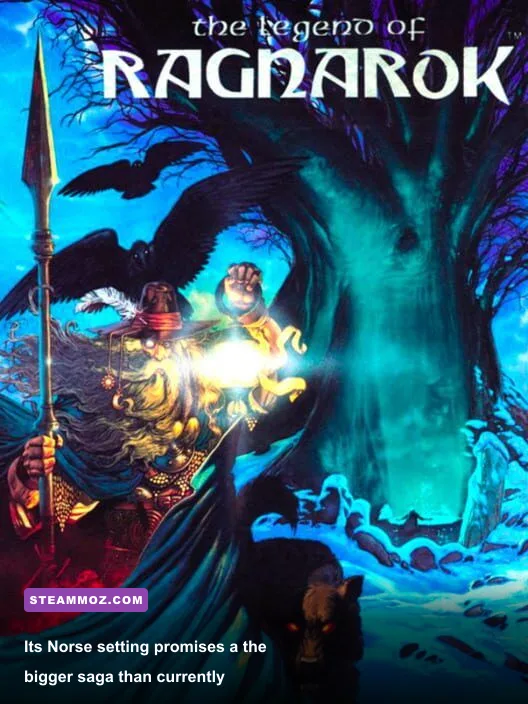
King's Table - The Legend of Ragnarok is potentially interesting for players who enjoy compact asymmetric strategy, ancient board-game adaptations, and experimental indie projects. It could be a good fit if you like analyzing formations, replaying a short match to find the mistake, and learning through tension rather than loot. It is also a natural recommendation for anyone who finds sprawling RPG progression exhausting and wants a battle that can be understood in a few minutes but mastered over many sessions.
It is a poor fit if you're shopping for a narrative Viking adventure, a character-driven RPG, or an online game with a guaranteed active population. Don't buy it expecting Diablo-style gear, Assassin's Creed exploration, or a robust class system. Those expectations come from the setting, not from verified evidence about the game's mechanics.
My advice is simple: wishlist it, confirm the current store page, inspect recent reviews, and look for a playable demo or a refund-safe test session. Pay special attention to whether players describe a complete rules explanation, reliable controls, and an opponent that feels challenging without cheating. Those three signals tell you more than promotional artwork.
Final verdict
Is King's Table - The Legend of Ragnarok worth playing in 2026? Only as a cautious curiosity right now. The Viking-Hnefatafl concept is strong enough to deserve attention, and the asymmetrical king-versus-raiders structure could produce excellent tactical matches. But the game's publicly verifiable footprint does not currently justify a firm recommendation, especially for players expecting a substantial campaign or modern multiplayer support.
For patient strategy fans, keep it on your radar and revisit it after a meaningful update, a demo, or a clearer developer roadmap. For everyone else, spend your money on a better-documented strategy game and return when King's Table can show its complete hand. If you're comparing it with other unusual releases, our reviews of Binary Domain and Alone in the Dark offer safer recommendations with much more established information behind them.
Steam Discussions can help confirm whether players are actively testing the game, while the official store information should remain your first stop for supported features, system requirements, and refund eligibility. Until those details are easier to verify, King's Table remains a promising Viking idea rather than a must-play 2026 strategy release.