
The fastest way to farm gold on a Steam Deck OLED is to use a repeatable in-game loop rather than looking for a console-wide money trick: build Ancient Fruit wine in Stardew Valley, run Skull Cavern for high-value drops, or play The Index in Warframe for credits. The OLED model does not multiply rewards, unlock hidden gold, or generate Steam Wallet balance; it simply makes long farming sessions more comfortable with a brighter HDR display, better battery life, and a 90Hz screen.
That distinction matters because “gold” is controlled by each game. A method that produces 250,000 credits in Warframe has no effect on Stardew Valley, Skyrim, Terraria, or an online economy. This guide focuses on legitimate, repeatable methods that work well with handheld controls, suspend/resume, and short play sessions. For general Steam Deck battery advice, the official Steam Deck OLED specifications are the right reference point.
Start With the Right Gold-Farming Loop
Before farming, identify four numbers in your game: the entry cost, the average payout, the time per run, and the amount of manual attention required. A profitable activity can still be inefficient if it consumes expensive ammunition, requires a long loading sequence, or fails frequently on handheld controls. The best Steam Deck OLED farm is predictable, pause-friendly, and easy to repeat.
Stardew Valley: build toward passive profit
In Stardew Valley, the strongest long-term route is Ancient Fruit wine. An Ancient Fruit sells for 550g, while a bottle of Ancient Fruit Wine sells for 2,310g with the Artisan profession, which adds 40 percent to artisan-goods value. A Keg takes seven in-game days to process the fruit. Once the greenhouse is full, harvest every seven days, refill the Kegs, and collect the wine from a chest or shed.
Your early-game bridge should be crop-based. Plant Strawberries after the Egg Festival if you can afford the 100g seed price, then prioritize quality sprinklers and Kegs. Hops are also valuable because one harvest produces a Hops every day after maturity, although Pale Ale requires a Keg and produces more interaction than a fully automated Ancient Fruit setup. The official Stardew Valley Steam page confirms the game’s PC release and controller support, making it a natural fit for Deck farming.
Warframe: turn combat time into credits
For immediate cash in Warframe, unlock Neptune and enter The Index. The High Risk bracket requires a 50,000-credit investment and pays 250,000 credits when your team reaches the target, producing a 200,000-credit profit before boosters. Medium Risk uses a 10,000-credit investment and pays 50,000 credits, while Low Risk is safer but slower. Your practical goal is to score points, bank before the timer expires, and avoid carrying too many points when enemy damage becomes dangerous.
Rhino is a particularly forgiving option because Iron Skin absorbs incoming damage and Roar increases team damage. Wukong is useful for solo-minded players because Celestial Twin adds damage while you focus on banking. Build for survivability and weapon damage rather than movement speed alone. A credit booster doubles mission rewards, not the investment you pay to enter, so it improves the final return but does not remove the need to bank safely. Check the official Warframe game page for current systems and platform information before following older farming videos.
Best Stardew Valley Money Route
Stardew Valley offers the clearest gold-per-minute progression on Steam Deck OLED because most of the work can become passive. Follow this order instead of spending the first year chasing random treasure.
Step 1: secure crop income and sprinklers
Use Parsnips and Potatoes in Spring to fund your first upgrades, then save for Strawberry Seeds at the Egg Festival. In Summer, Blueberries cost 80g, sell for 50g per berry, and usually produce three berries per harvest after 13 days, with additional harvests every four days. Starfruit is better at 750g per fruit but requires access to the Calico Desert and costs 400g per seed from Sandy. Do not sacrifice tool upgrades and sprinklers for a crop that requires daily watering.
Step 2: unlock the greenhouse and Kegs
Completing the Pantry bundles or purchasing the Joja greenhouse route gives you a protected growing space. Plant Ancient Fruit there and use Seed Makers to expand the crop. The best layout leaves walking paths between sprinklers and avoids placing machines where the player must repeatedly squeeze around them. When you unlock the Artisan profession at Farming Level 10, choose Artisan unless you are deliberately pursuing a ranching build.
Kegs require 30 Wood, one Copper Bar, one Iron Bar, and one Oak Resin. Oak Resin is the bottleneck, so plant Oak Trees early and place Tappers before your farm becomes crowded. Keep a dedicated keg shed or an organized outdoor row. On Deck, using the left stick to move and the right trigger to interact makes a fixed machine route much faster than searching the whole farm.
Step 3: turn the farm into a weekly collection route
Harvest Ancient Fruit, load every empty Keg, collect finished wine, and sell only when your shipping bin or inventory is convenient. If you choose the Cellar upgrade, age Ancient Fruit Wine in Casks for 56 in-game days to reach Iridium quality. Iridium-quality wine sells for 4,620g with Artisan, but aging delays your return, so fill the cellar only after your Kegs are consistently producing. This is a classic example of higher total value being slower cash flow.
Fast Active Gold: Skull Cavern and High-Value Loot

If you need money today rather than next week, use Skull Cavern in the Calico Desert. Buy or craft Bombs, bring at least 10 healing items, and carry a weapon with strong single-target damage. The Galaxy Sword is a major breakpoint after obtaining a Prismatic Shard, but the Lava Katana is a dependable earlier choice. Bring Coffee or Triple Shot Espresso for speed, Spicy Eel for movement speed and luck, and staircases for bad layouts or dangerous monster floors.
Enter at 6:00 a.m., use the desert warp route if available, and prioritize holes, ladders, and iridium clusters over clearing every enemy. Iridium Nodes become more common at deeper floors, while Omni Geodes, Gold Ore, and treasure rooms add sale value. Bomb clusters instead of mining each rock manually. The objective is not to finish the mine; it is to maximize valuable finds before 2:00 a.m.
Sell excess gems through the shipping bin or Clint when appropriate, but retain resources needed for upgrades. Diamonds can be sold for 750g each, while Iridium Bars are more valuable as crafting materials than as direct sales in many progression stages. A good Skull Cavern run supplements Ancient Fruit wine, funds tool upgrades, and produces the Iridium needed for better sprinklers and Crystalariums.
Crystalariums create a slower but reliable side loop. Place Jade in Crystalariums and trade it with the Desert Trader on Sundays for Staircases at a one-to-one rate. Place Diamonds for direct sales or gifts, depending on your goals. This preparation turns future Skull Cavern runs into controlled resource dives rather than risky improvisation.
Warframe Credit Farming Step by Step
Warframe’s Index is the fastest broadly accessible credit method once Neptune is unlocked, but it rewards disciplined banking more than reckless kill counts.
1. Choose a survivable frame and weapon
Rhino with Iron Skin is the simplest recommendation for new players. Wukong, Nezha, and Revenant can also survive efficiently when properly built. Equip a weapon that kills Corpus enemies quickly at the selected Index tier, and bring enough damage to finish targets without relying entirely on teammates. A shotgun or rifle with strong critical chance is easier to control on a handheld screen than a weapon that requires constant precision headshots.
2. Bank points before the risk snowballs
Enemies drop Index points after death. Picking up points increases your personal reward multiplier but also reduces maximum energy and shields while increasing enemy scaling. Deposit points at the green banking goal instead of holding a dangerous total indefinitely. On High Risk, reaching the required 50 points as a team wins the round; depositing in smaller groups is safer if your squad is losing control of the arena.
3. Repeat only when the return is efficient
Use the mission result screen to confirm your credits before spending the profit. A Credit Booster, event bonus, or daily login bonus can dramatically improve the loop. Do not buy a booster solely for a short session unless you can complete enough rounds to use its duration. Avoid public squads that repeatedly fail to bank; a slower successful Medium Risk run is better than losing a High Risk investment.
Warframe changes balance and reward systems more often than offline farming games. Use the official Warframe updates page when an old Index guide disagrees with the current mission screen. Our defensive setup guide also covers the broader principle that survivability can outperform a glass-cannon build during repeated content.
Steam Deck OLED Settings for Longer Farming
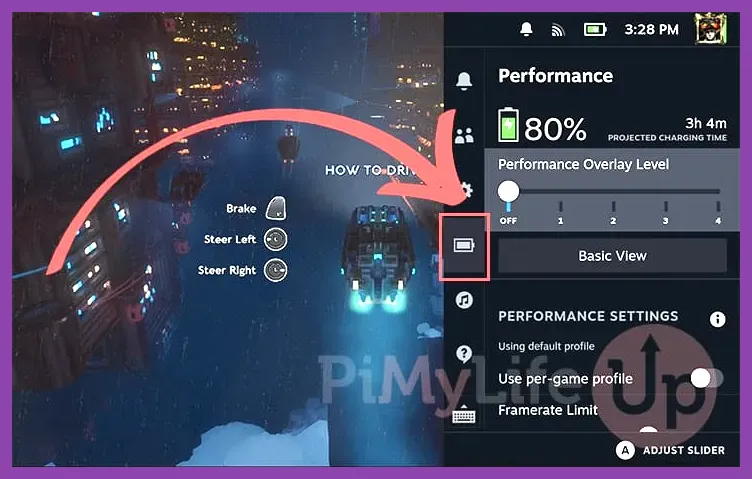
Settings do not increase gold rewards, but they reduce fatigue and battery drain during repetitive routes. For Stardew Valley, use the native 1280×800 resolution, 60Hz or 90Hz refresh rate, and no frame-rate limit if you prefer the responsive cursor. A 40Hz cap is unnecessary for this lightweight game, although it can extend battery life during a long overnight-style farm session.
For Warframe, start with 1280×800, 60 FPS, medium shadows, medium particle effects, high textures, and motion blur disabled. Lower volumetric effects and dynamic lighting first if crowded Index fights cause frame dips. Keep the Thermal Power Limit disabled unless you specifically want a lower-wattage profile; a stable 40 FPS is preferable to repeated swings between 60 and 30 FPS.
Set a 60Hz refresh rate for consistent timing, use a modest 10–12 watt TDP limit only after testing the game, and avoid aggressive GPU clock overrides. The OLED display’s 90Hz mode feels excellent in menus and lighter games, but a locked 60 FPS profile usually delivers the best balance for farming. Suspend the Deck between in-game days only when the game safely supports it; online games such as Warframe should be exited or left in a non-sensitive menu rather than suspended during a mission.
Finally, treat Steam Community Market listings and third-party “gold generators” as separate from in-game farming. There is no legitimate way to manufacture Steam Wallet funds through the OLED hardware, and account-trading sites can lead to stolen accounts or bans. Farm through the game’s own economy, keep backups for offline saves, and use proven loops such as Stardew’s Ancient Fruit wine or Warframe’s Index credits. For additional efficiency-focused builds, see Steamoz’s Satisfactory solo-player guide, Metaphor: ReFantazio beginner tips, and No Rest for the Wicked build guide.