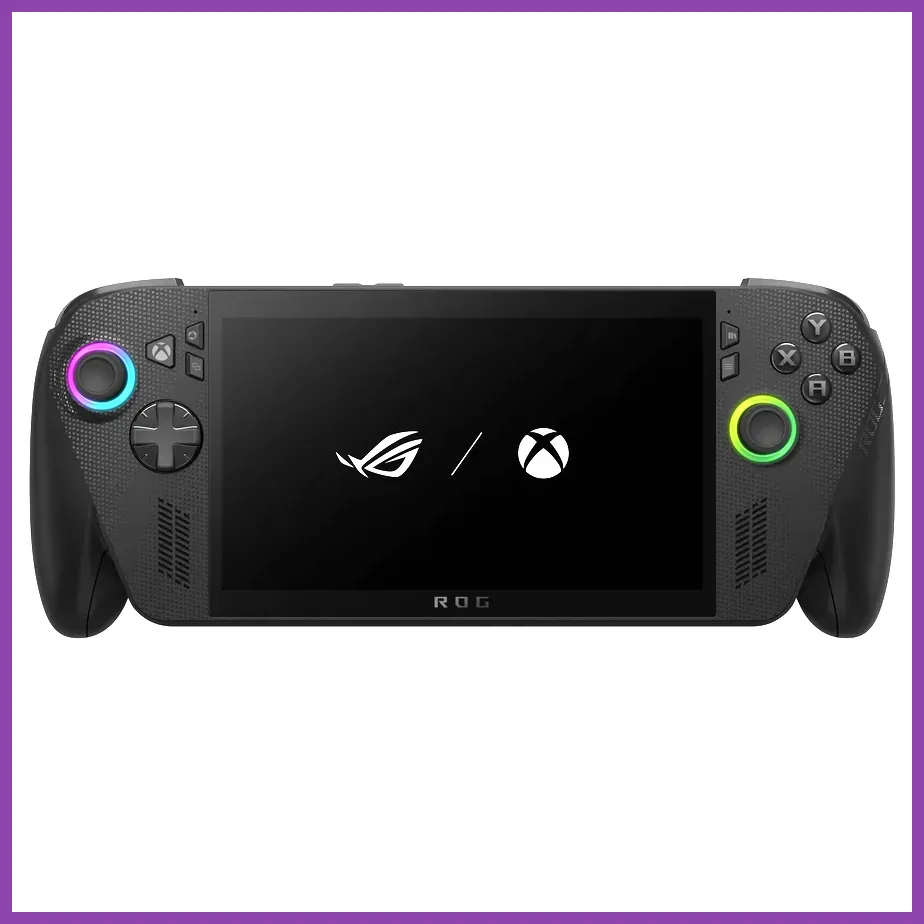
When evaluating the best asus rog ally x system requirements minimum and recommended configurations, you are looking at a powerhouse handheld running an AMD Ryzen Z1 Extreme processor, 24GB of LPDDR5X-7500 RAM, and a massive 80Wh battery. Unlike traditional PC hardware that relies on discrete desktop graphics cards, the ROG Ally X utilizes integrated AMD Radeon RDNA 3 graphics (12 Compute Units). To get the absolute best performance out of modern AAA releases and indie hits alike, you must configure your Windows 11 environment, thermal TDP profiles, and in-game graphic sliders specifically around this hardware architecture.

Understanding the ROG Ally X Hardware Baseline
Before launching demanding titles found across the official Steam platform, it is critical to understand what this handheld is natively capable of processing. The system is built around a custom Zen 4 architecture APU. While it handles standard PC applications effortlessly, running modern titles requires a strategic balance between resolution scaling, frame generation technologies, and memory allocation.
For those interested in how portable devices compare in optimization profiles, you can check out hardware performance breakdowns like Stardew Valley 1.6 system requirements or review modern portable setups via Steam Deck OLED performance guides. However, the ROG Ally X operates in a completely different performance tier thanks to its memory bandwidth and expanded thermal headroom.

Minimum System Configuration for 720p / 30-40 FPS Gaming
If your goal is to maximize battery longevity during long travel sessions while maintaining a playable, stable framerate in demanding open-world games, you should configure your system and game settings to the baseline minimum profile:
- Operating System: Windows 11 Home (Latest build with Core Isolation disabled for maximum CPU scheduling efficiency)
- Processor (APU): AMD Ryzen Z1 (6 Cores / 12 Threads) or Ryzen Z1 Extreme
- System RAM: 8GB Allocated VRAM via Armoury Crate SE / 16GB System Memory dedicated
- Storage: NVMe PCIe 4.0 M.2 2280 SSD (Minimum 500MB/s read speeds for asset streaming)
- TDP Profile: Manual Mode set to 15W (Balanced Battery Performance)
- In-Game Resolution: 1280x720 (Native handheld scaling)
- Upscaling Tech: FSR 2.2 / FSR 3.0 set to "Performance" or "Ultra Performance" mode
- Graphic Presets: Low to Medium settings, Shadows on Low, Texture Quality on Medium
Running games at 720p on the 7-inch 120Hz IPS display looks surprisingly crisp when paired with AMD Radeon Super Resolution (RSR) or integer scaling enabled via the official AMD Software: Adrenalin Edition. This configuration ensures that heavier titles maintain a stable 30 to 40 FPS floor without triggering thermal throttling.
Recommended System Configuration for 1080p / 60+ FPS Gaming
To experience the absolute best visual fidelity and fluid combat responsiveness at the panel's native resolution, you must tap into the full capabilities of the Ryzen Z1 Extreme chip and the expanded 24GB RAM pool. For deeper insights into optimizing high-end graphical setups, you can cross-reference tips from Stardew Valley 16 best settings for max FPS or examine optimization techniques found in Phasmophobia system requirements.
When playing graphically intensive blockbusters, apply the following recommended system and in-game specifications:
- Operating System: Windows 11 Home (Game Mode Enabled, Hardware-Accelerated GPU Scheduling active)
- Processor (APU): AMD Ryzen Z1 Extreme (8 Cores / 16 Threads, Zen 4 architecture)
- System RAM: 8GB Dedicated VRAM / 16GB System Memory (Configured via Armoury Crate SE memory buffer settings)
- Storage: High-speed NVMe SSD with at least 20GB of free pagefile allocation space
- TDP Profile: Turbo Mode (25W on battery, 30W when plugged into wall power via USB-C PD)
- In-Game Resolution: 1920x1080 (Full HD Native)
- Upscaling Tech: AMD FSR 3.1 or XeSS set to "Quality" mode with Frame Generation enabled
- Graphic Presets: Medium to High preset blend, Ambient Occlusion on Medium, Volumetric Fog on Low, Textures on High
Armoury Crate SE and BIOS Optimization Profiles
Hardware specifications alone do not guarantee peak performance on Windows-based handhelds. You must fine-tune your software ecosystem to prevent background tasks from stealing precious CPU cycles. Follow these precise configuration steps inside Armoury Crate SE and your system BIOS:
- Update BIOS to Version 315 or Later: Ensure your UEFI firmware is fully updated to leverage the latest memory timings and power delivery stability patches provided by ASUS.
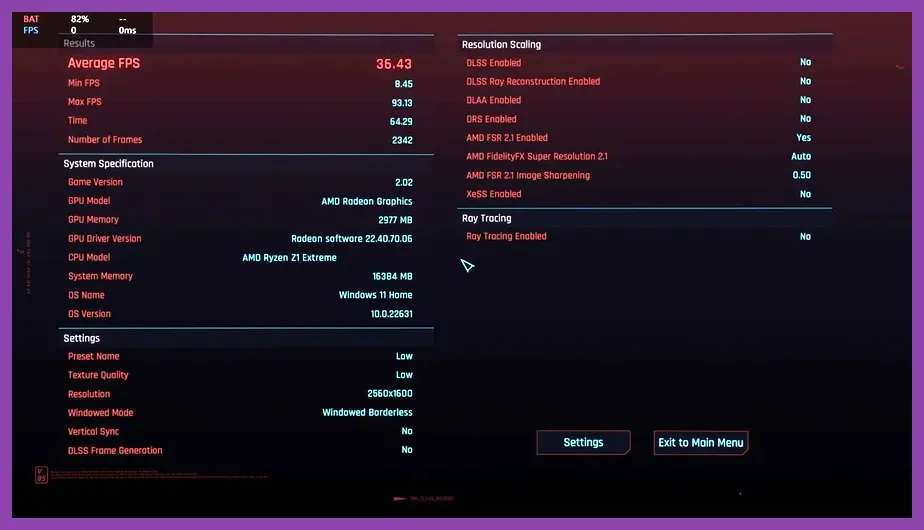
- Configure VRAM Buffer Size: Navigate to Armoury Crate SE -> Settings -> Operating Mode -> GPU Memory. Set the allocated VRAM to 8GB if you play modern texture-heavy titles like Cyberpunk 2077 or Horizon Forbidden West. Leave it at 4GB or Auto only if you primarily play lightweight indie games.
- Disable Unnecessary Startup Services: Open Windows Task Manager (Ctrl + Shift + Esc), go to the Startup apps tab, and disable non-essential launchers, Discord hardware acceleration, and third-party overlays that consume RAM.
- Enable AMD FreeSync Premium: Ensure that variable refresh rate (VRR) is toggled on in both the AMD Adrenalin software and Windows display settings to eliminate screen tearing during frame drops.
By enforcing these exact parameters, your ROG Ally X will operate with maximum thermal efficiency. For additional hardware troubleshooting and community discussions regarding handheld optimization, consult the ASUS ROG Ally X official product page.
Advanced Tuning: Thermal Management and Power Curves
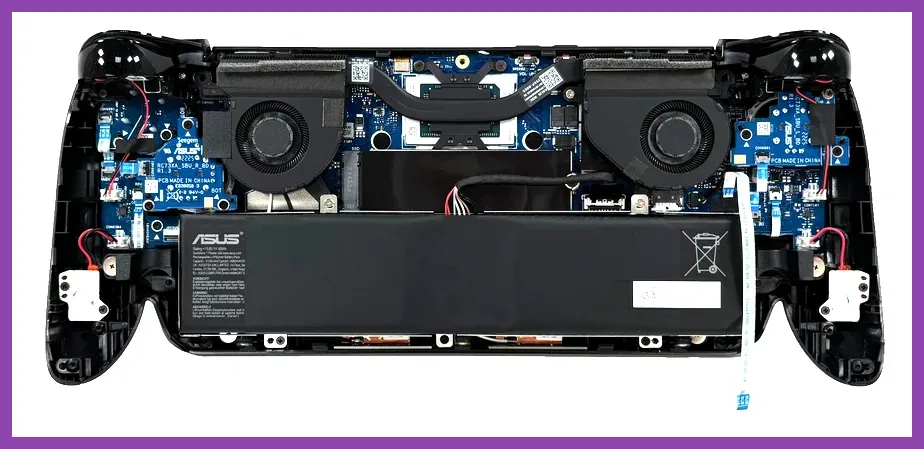
The standout feature of the ROG Ally X over its predecessor is its redesigned thermal cooling solution, featuring dual fans with thinner fins and re-routed airflow channels that reduce surface temperatures by up to 6°C on the grip areas. To make the most of this thermal headroom, you should create custom Manual TDP curves rather than relying solely on the default Silent, Performance, and Turbo presets.
Set up your Manual Power Profile with the following wattages:
- SPL (Sustained Power Limit): 25W on battery, 35W when plugged into a 65W+ USB-PD charger.
- sPPT (Staged Peak Power Limit): 30W for 10 seconds during heavy shader compilation and loading screens.
- fPPT (Fast Peak Power Limit): 35W for 2 seconds to absorb sudden frame spikes.
- Fan Curve: Set fan speeds to 75% when core temperatures cross 65°C, scaling up to 100% at 85°C to prevent thermal throttling of the Ryzen Z1 Extreme APU.
Maintaining these strict thermal parameters guarantees that your handheld will deliver consistent frame pacing during extended gaming sessions. Pair these settings with the recommended in-game graphic profiles detailed above, and your ROG Ally X will effortlessly handle the most graphically demanding PC titles available today.