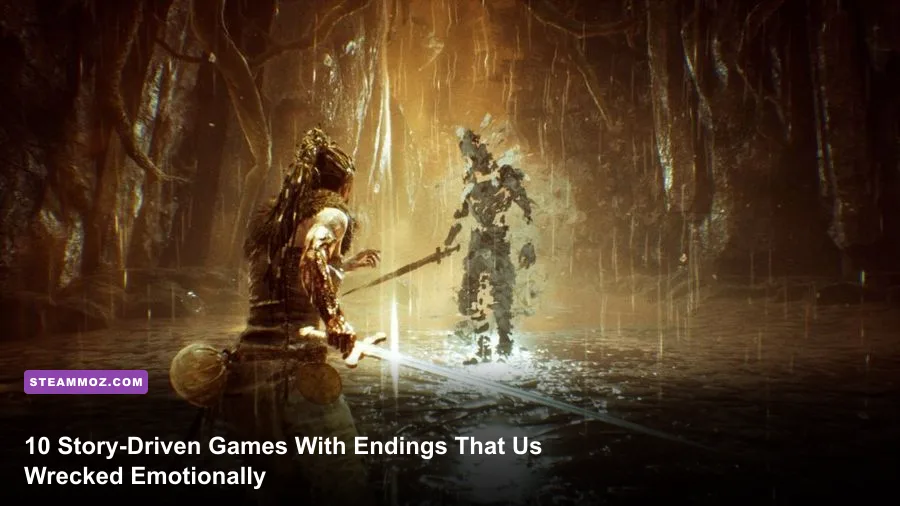
If you want games that end so well they leave you staring at a black screen in silence, here's the short list: NieR: Automata, Red Dead Redemption 2, The Last of Us Part 2, Disco Elysium, Spec Ops: The Line, and Mass Effect 3. These aren't just games with good stories — they're games that stick the landing so hard you'll be thinking about the final ten minutes for years. Let's dig into exactly why each of these endings works, what mechanics and choices lead you there, and which ones you should play first if you've never experienced them.
Why Endings Actually Matter More Than the Middle
Here's the thing about narrative games — the middle act can drag, side quests can pad runtime, but a killer ending retroactively makes everything before it matter. A weak ending kills a strong game (looking at you, some JRPGs that shall remain nameless), while a strong ending can elevate an average 20-hour slog into something people talk about a decade later. The games on this list all understand pacing, payoff, and the emotional math of earning a gut-punch instead of just delivering one out of nowhere.
What separates a good twist from a cheap one is foreshadowing. Every game below plants seeds early — dialogue lines, environmental details, side character arcs — that only click into place once you hit the credits. That's the difference between "wow, didn't see that coming" and "oh my god, it was there the whole time."

🎮 Endings
Looking to experience this game? Grab your digital key directly on our store for $7.99.
View on Steammoz Store →NieR: Automata's Ending E Is Unlike Anything Else in Gaming
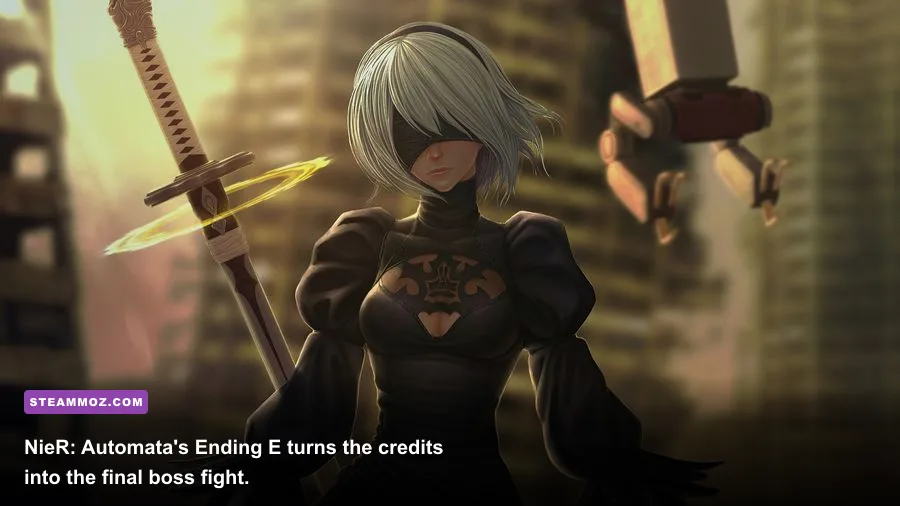
Yoko Taro's masterpiece has five main endings (A through E), but Ending E is the one everyone talks about. After finishing the story with 2B, 9S, and A2, the game literally attacks your save file with the credits roll turned into a bullet-hell shooter. Beat it, and the game asks if you want to help other players beat theirs by sacrificing your save data. Most people say yes. It's a genuinely emotional mechanic wrapped in a shmup — something only a video game could pull off.
The kicker: none of it means anything if you don't play through routes A, B, C, and D first, because the philosophical weight of "existence is pain, but we keep going anyway" only lands after 25+ hours of watching androids and machines grapple with free will. Check the official NieR: Automata Steam page if you haven't picked it up yet — it's routinely on sale and worth full price anyway.
Red Dead Redemption 2's Slow, Quiet Tragedy
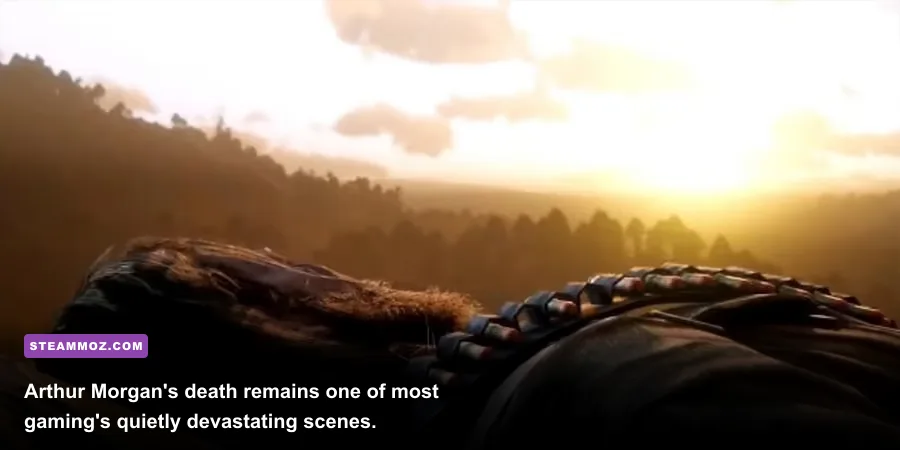
Arthur Morgan's death isn't a twist — you know it's coming from Chapter 2 onward once his tuberculosis diagnosis lands. What makes it devastating is the Honor system quietly shaping how he dies. High Honor Arthur gets a peaceful, almost transcendent death watching the sunrise. Low Honor Arthur dies alone, betrayed, and bitter. Same scene, wildly different emotional weight, entirely dictated by hundreds of small choices you made across 60+ hours.
Rockstar doesn't stop there — the epilogue with John Marston recontextualizes the entire game as Arthur's redemption arc, not John's. It's one of the few games where the credits roll and you immediately want to start a new save just to see the other version of the ending. Full specs and performance details are on Rockstar's official store page.
The Last of Us Part 2 Doesn't Give You What You Want
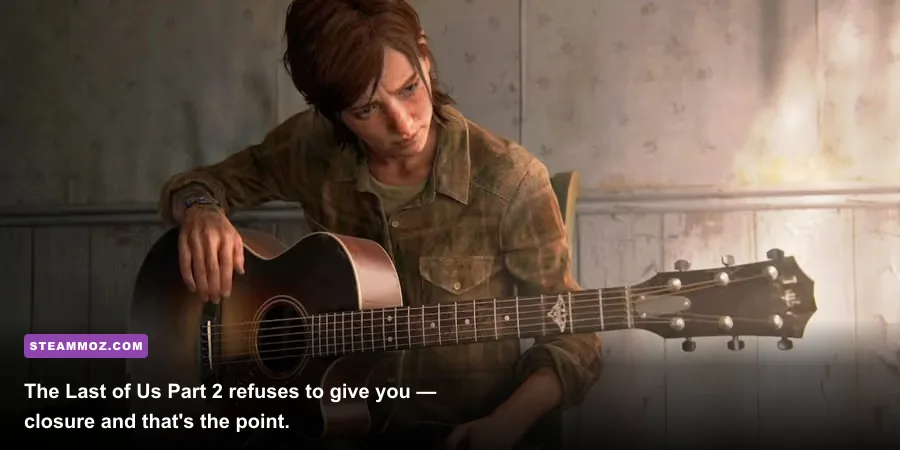
Naughty Dog made a deliberate choice here: deny catharsis. Ellie gets her revenge on Abby but walks away from the final fight without killing her, and it changes nothing — Joel's still dead, her relationship with Dina is in ruins, and she loses two fingers in the process, meaning she can't even play guitar the way Joel taught her. The final scene, an empty porch and an unplayed guitar, is one of the bleakest "victories" in gaming history.
This is a game that punishes you for wanting a clean revenge fantasy, and a lot of players hated it for that reason at launch. But rewatch it years later and it's clear Naughty Dog was making a point about the cycle of violence — Abby's storyline mirrors Ellie's almost beat for beat. That structural mirroring is why the ending rewards a second playthrough more than almost any other game on this list.
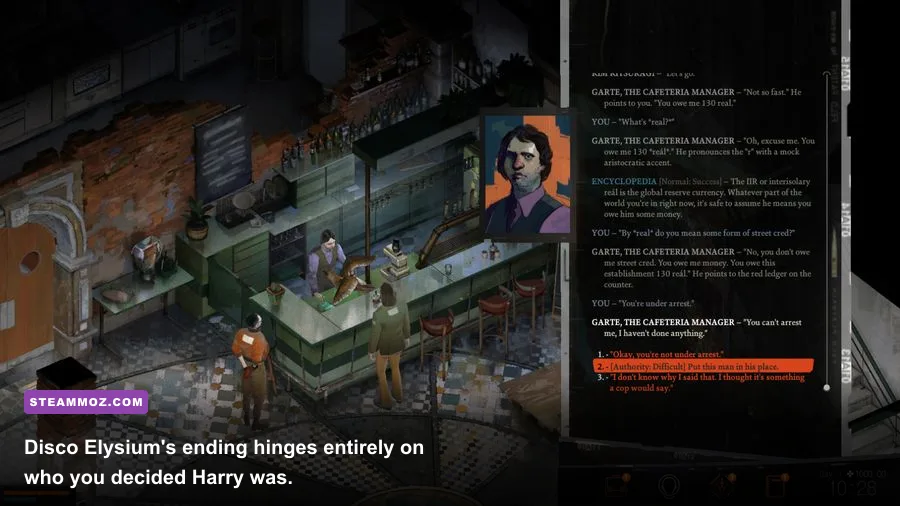
Disco Elysium Turns Dialogue Choices Into an Existential Gut-Punch
There's no combat here, no traditional "boss fight" — the entire game is a skill-check dialogue tree, and yet the finale hits harder than most action-game climaxes. Depending on your Thought Cabinet choices and how you built Harry Du Bois (Intellect, Psyche, Physique, or Motorik focus), the final conversation about the Pale and the nature of reality plays completely differently. If you leaned into the "Disco" or "Superstar" personas, the ending feels like a tragicomic collapse. Lean into "Sorry Cop" or the more grounded builds, and it becomes quietly hopeful instead.
The genius is that ZA/UM never punishes you mechanically for any build — it just changes tone. Check the official Disco Elysium site for the Final Cut details if you're replaying for a different ending flavor.
Spec Ops: The Line's Ending Makes You the Villain
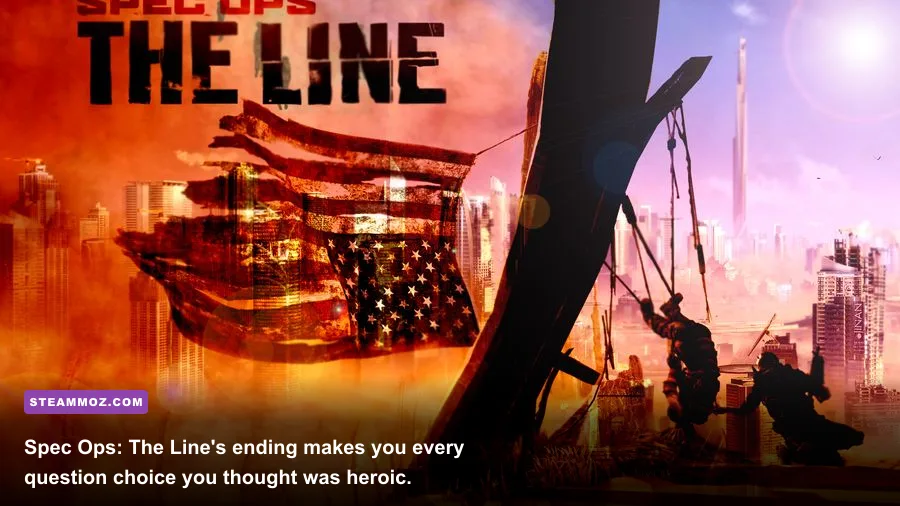
This one's a masterclass in subverting the military shooter genre. The white phosphorus scene — where you unknowingly incinerate 47 civilians — is the moment the game stops being fun on purpose. By the ending, protagonist Walker is having full-blown hallucinations, and the game directly blames you, the player, for continuing to play a violent power fantasy. There are multiple endings depending on choices in the final act, ranging from suicide to surrender to walking off into the desert, but none of them feel like a "win."
It's short — around 6 hours — but every one of those hours builds toward a finale that reframes the entire military-shooter genre as complicit in glorifying war crimes. Heavy stuff for a game that looks like a standard Gears of War clone on the surface.
Comparing These Endings Side by Side
| Game | Ending Type | Playtime to Reach It | Why It Hits So Hard |
|---|---|---|---|
| NieR: Automata | Multiple + Sacrifice Mechanic | 25-40 hrs (all routes) | Ending E turns generosity into gameplay |
| Red Dead Redemption 2 | Honor-Based Branching | 50-70 hrs | Death reflects hundreds of small choices |
| The Last of Us Part 2 | Fixed, Anti-Catharsis | 25-30 hrs | Denies revenge fantasy on purpose |
| Disco Elysium | Build-Dependent Tone Shift | 20-25 hrs | Same ending, different emotional read per build |
| Spec Ops: The Line | Multiple Choice-Based | 6-8 hrs | Makes the player complicit in the horror |
| Mass Effect 3 | Trilogy-Wide Branching | 90+ hrs (full trilogy) | Choices from 3 games funnel into one moment |
Mass Effect 3's Ending Is Still Worth the Controversy
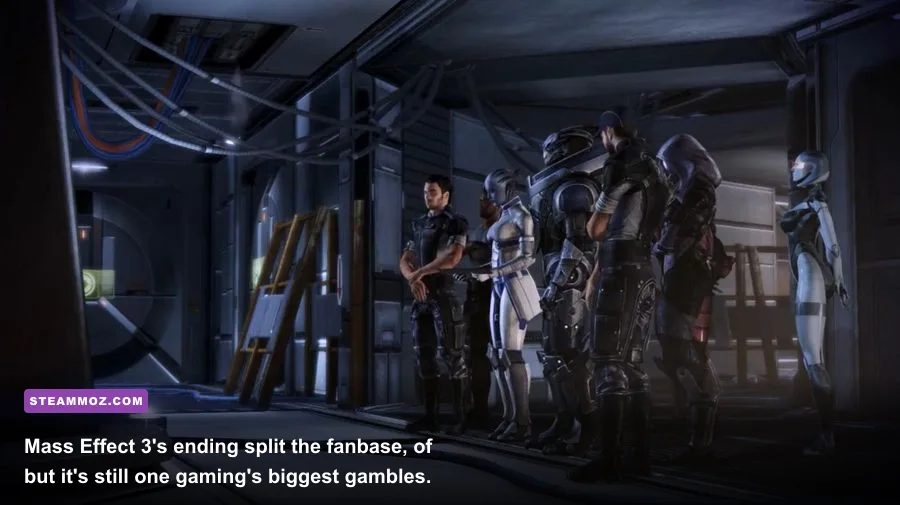
Yeah, the original 2012 ending got review-bombed hard, and BioWare had to release the Extended Cut DLC to add closure and clarity. But strip away the "war assets" grinding and look at what it's actually doing: three games, dozens of romance options, and hundreds of hours of choices all funneling into one three-way decision — Destroy, Control, or Synthesis — that literally reshapes the galaxy based on who Shepard was across the entire trilogy. Nothing else in gaming attempts that scale of narrative payoff.
If you're going in fresh, play the Legendary Edition with all the fixes and DLC integrated — it's the definitive way to experience the buildup to that finale.
Honorable Mentions Worth Your Time
A few more that deserve a shoutout even if they didn't get full sections: Undertale (the Pacifist vs Genocide route endings are night and day), Nier: Replicant (Kaine's arc is brutal), What Remains of Edna & Harvey-style puzzle-narrative hybrids if you like your emotional gut-punches wrapped in point-and-click mechanics — check our breakdown on Edna & Harvey's Harvey's New Eyes for a weirder, darker narrative pick. And if you're chasing more sci-fi storytelling with real stakes, Everspace 2's hidden lore content rewards players who dig into its world beyond the main missions.
What Makes an Ending "Unforgettable" Anyway
Boil it down and it's really three ingredients: earned foreshadowing, mechanical payoff (not just cutscenes), and a refusal to give players exactly what they expect. Every game above nails at least two of those, and the best ones — NieR: Automata, RDR2 — nail all three. If you're building your backlog around emotional impact rather than just playtime, start with whichever of these matches your genre preference and block out a weekend. Trust me, you'll want to finish these in one sitting once you hit the final act.
For more deep dives into narrative mechanics, build guides, and performance breakdowns for games in this space, keep browsing Steamoz — we've got detailed guides on everything from Far Cry 6's best beginner builds to weapon tier lists in Blood Dragon, plus performance fixes like our ELEX crash and FPS fix guide if technical issues are keeping you from these unforgettable story moments.