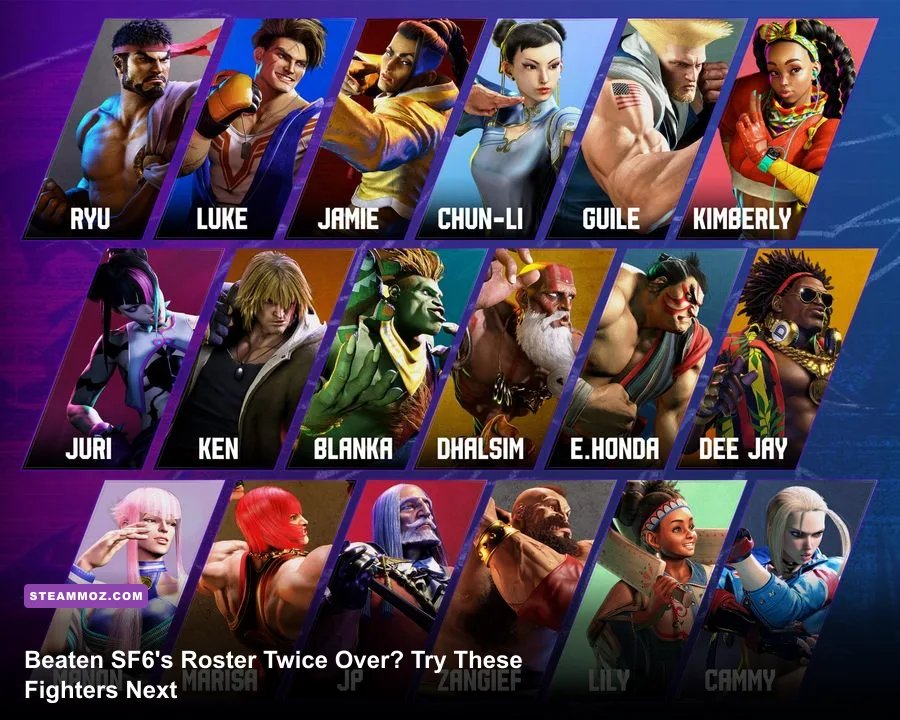
If you've cleared every Fighting Ground mode, maxed out your Drive Rank, and unlocked every skin in the Street Fighter 6 Years 1-2 Fighters Edition, the best next moves are Tekken 8 for its explosive juggle combat, Guilty Gear Strive for anime-fueled aggression, Fatal Fury: City of the Wolves for SNK's REV system depth, Granblue Fantasy Versus Rising for the friendliest onboarding in the genre, and Mortal Kombat 1 if you want brutal stakes with its Kameo Fighter twist. Each one scratches a different itch than Capcom's Drive System, and honestly, rotating between them is how a lot of tournament grinders stay sharp between SF6 balance patches anyway.
The Fighters Edition bundle packs in every character SF6 has released across two years — from launch-day Ryu and Chun-Li all the way through DLC additions like Terry Bogard and Elena. That's a stacked roster, and once you've drilled Drive Rush combos into muscle memory with basically everyone, the itch to try something structurally different kicks in fast. This isn't a "quit SF6" list — it's what to run alongside it so your execution doesn't stagnate.

Why Look Beyond SF6 At All
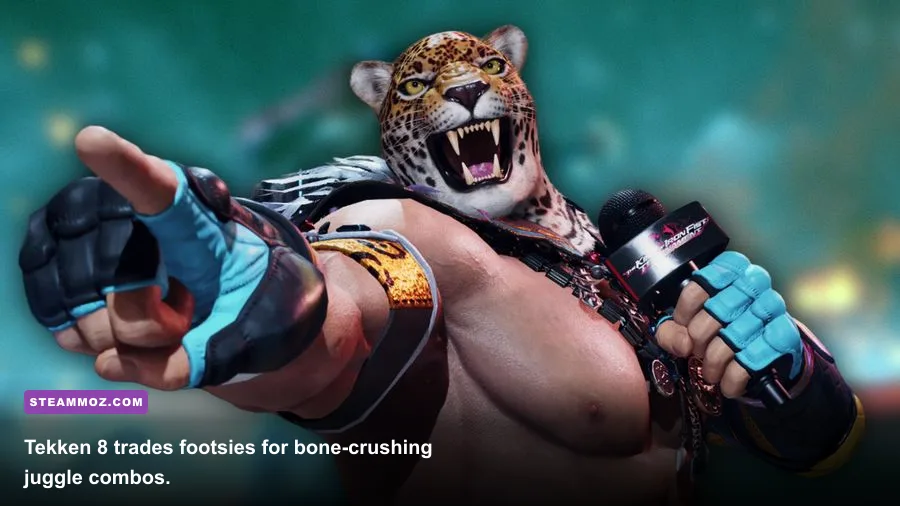
Modern Warriors syndrome is real: play one fighter long enough and your reactions calcify around its specific rhythm. SF6's Drive System, with its Drive Rush cancels and Drive Impact armor trades, teaches you a very particular tempo — mid-range footsies punctuated by burst pressure. That's fantastic, but it also means your reflexes get tuned to 60fps SF6 timing and nothing else. Branching into other engines actually makes you a better SF6 player because you start recognizing universal fighting game fundamentals (spacing, whiff punishing, meter management) instead of just SF6-specific tech.
There's also just the roster fatigue angle. Even with 20+ new characters flowing through Fighters Edition content, you eventually want fresh normals to learn, fresh combo routes to theorycraft, and honestly, fresh rage-quits to rack up online.

🎮 Street Fighter 6 Years 1-2 Fighters Edition
Looking to experience this game? Grab your digital key directly on our store for $59.99.
View on Steammoz Store →Tekken 8: For When You Want More Physicality
Tekken 8 is the closest thing to SF6 in production value and mainstream pull, but it's a completely different combat language. Instead of Drive Impact's armored counter-hit, Tekken 8 runs on the Heat System — burning Heat meter extends pressure strings, grants chip damage on blocked attacks, and unlocks Heat Smash finishers that can steal rounds out of nowhere. The movement is 3D, meaning sidestepping and sidewalking actually matter, and launch punishers into juggle combos are brutal — landing a clean Kazuya Electric Wind God Fist into a full juggle can strip 60%+ of a bar in one read.
If you liked SF6's Modern Controls for accessibility, Tekken 8's Special Style does something similar with simplified inputs, though frame data purists will want to learn the classic 10-button layout eventually. Character depth here rivals SF6 easily — Jin Kazama, King, and Reina all have combo trees that take months to fully optimize.
Guilty Gear Strive: Faster, Flashier, More Punishing
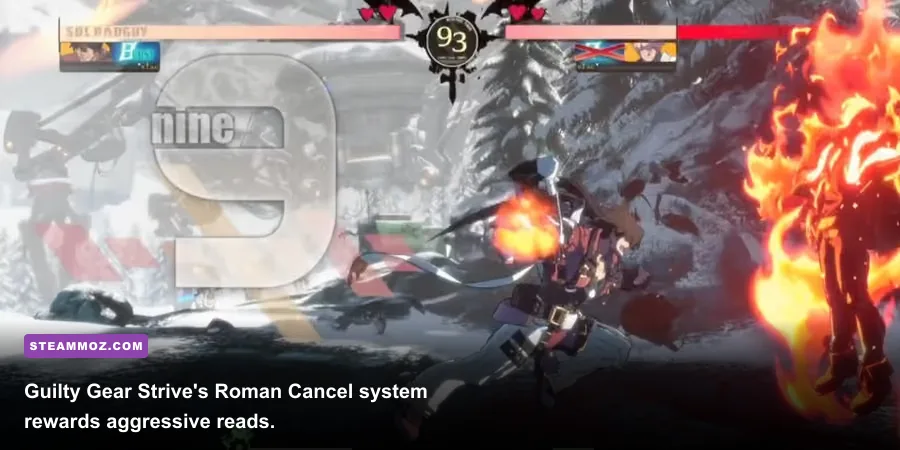
Where SF6 rewards patient neutral, Guilty Gear Strive wants you constantly on the front foot. The Roman Cancel system lets you cancel any action — whiffed, blocked, or hit-confirmed — into a slow-motion window that resets your offense, and mastering Yellow Roman Cancels for extended combos versus Purple Roman Cancels for safety is basically Strive's version of Drive Rush tech. Sol Badguy's Bandit Revolver into Roman Cancel loops deal absurd damage for a mid-tier execution requirement, while characters like Zato-1 with his Eddie puppet mechanic offer some of the deepest setplay in any fighting game right now.
Rollback netcode in Strive is genuinely some of the best in the genre, arguably better than SF6's at launch, which matters a ton if your local scene is thin and you're relying on ranked online matches. Check the official Guilty Gear Strive site for the current season pass roster before diving in — the DLC cast (Slayer, Testament, Elphelt) all shifted the meta hard.
Fatal Fury: City of the Wolves — SNK's Return With the REV System
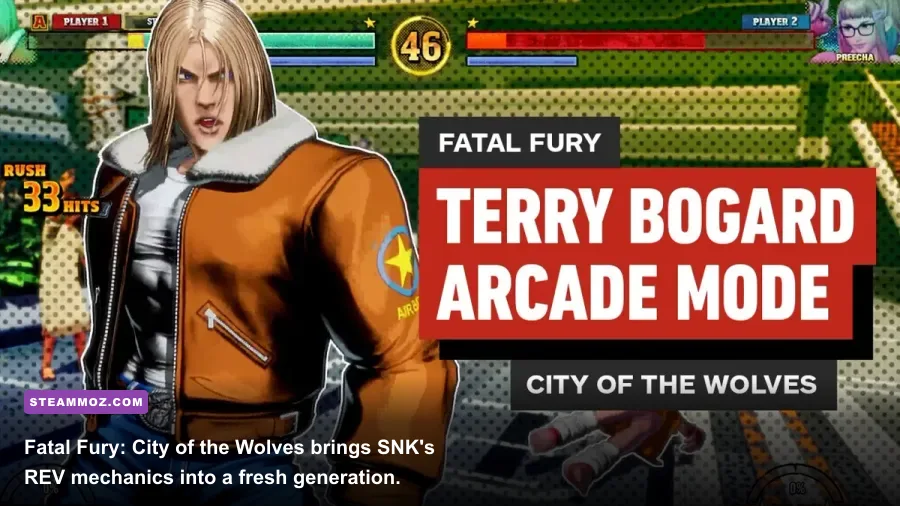
SNK's revival of the Fatal Fury name brings back Terry Bogard, Rock Howard, and a rebuilt roster running on the REV mechanic — a meter-based system where REV Blows act like armored reversals and REV Arts let you extend combos at the cost of a shrinking gauge that also fuels a comeback mechanic called REV Guard. It's mechanically closer to King of Fighters in pacing (faster normals, tighter combo windows) but with SF6-style modern input options bolted on for newcomers.
If you enjoyed learning Terry Bogard's crossover moveset inside SF6's own roster, City of the Wolves is basically the deep-dive version — his full Power Wave and Rising Tackle combo routes are exponentially more developed here than in his SF6 guest appearance. We've also covered the Fatal Fury: City of the Wolves PC specs breakdown if you're wondering whether your rig can run it at a stable 60fps for ranked play.
Granblue Fantasy Versus Rising: The Friendliest Deep Fighter
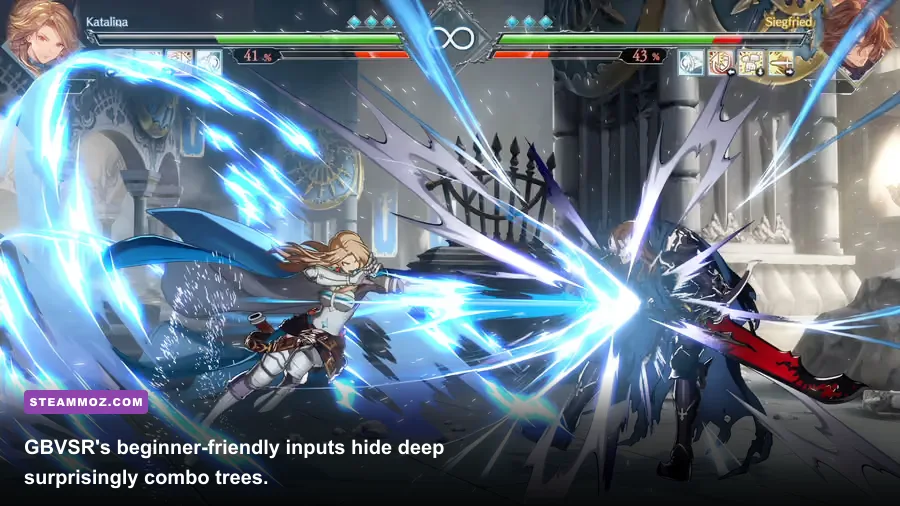
If SF6's Modern Controls were your gateway drug into fighting games, Granblue Fantasy Versus Rising takes accessibility even further without gutting the depth underneath. Simple combos trigger off a single button, but the game layers in Skybound Arts (super-tier finishers), a Beat mechanic for canceling recovery frames, and a full 15+ character roster with unique gimmicks like Narmaya's stance-switching or Ferry's grapple-heavy kit. RISC gauge management (essentially a stagger-state risk meter tied to blocking too much) forces you to actually play offense instead of turtling forever.
It's also one of the best-looking anime fighters on the market, running gorgeous 2.5D visuals at a locked 60fps even on mid-range hardware, which makes it a great palette cleanser between grueling SF6 ranked sessions.
Mortal Kombat 1: Brutal Stakes, Kameo Depth
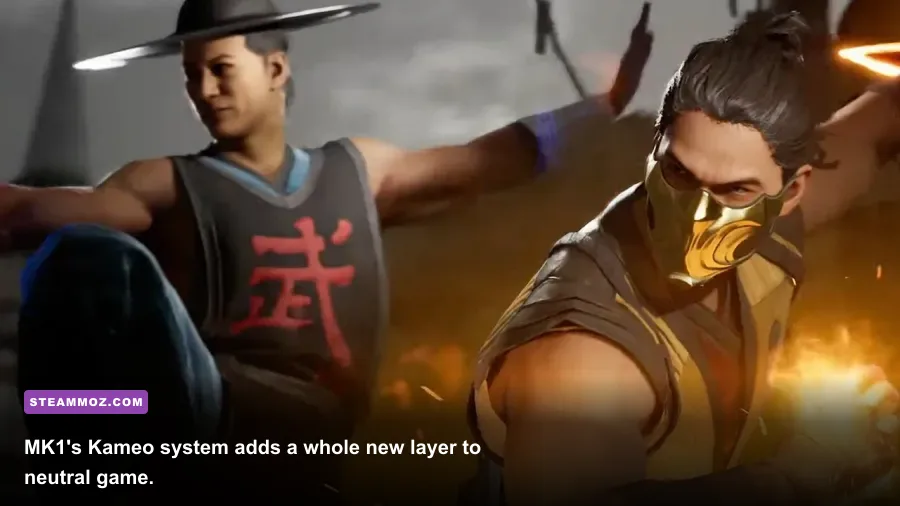
MK1 swaps SF6's Drive System entirely for the Kameo Fighter mechanic — you pick a main character plus an assist fighter (like Sonya Blade, Sub-Zero, or Goro) who can extend combos, cover approaches, or bail you out of pressure with a single button. This adds a genuine team-building layer SF6 doesn't have; picking the wrong Kameo pairing for your main can actively hurt your combo potential, so there's real theorycrafting depth in figuring out synergies (Scorpion main with Frost Kameo for extended freeze combos is a classic starting point).
Fatalities and Fatal Blows keep the series' signature brutality intact, and the Invasions mode gives you a lengthy single-player grind if you need a break from ranked lobbies altogether. Check NetherRealm's official Mortal Kombat 1 site for the current Kombat Pack roster before picking your main.
Full Comparison: Which Fighter Fits Your SF6 Playstyle
| Game | Closest SF6 Comparison | Signature Mechanic | Best For |
|---|---|---|---|
| Tekken 8 | Drive Impact armor trades | Heat System | Players who loved punishing whiffs hard |
| Guilty Gear Strive | Drive Rush pressure | Roman Cancel | Aggressive rushdown mains (Ken, Jamie) |
| Fatal Fury: City of the Wolves | Terry Bogard's SF6 kit | REV Blow/REV Arts | SNK fans wanting deeper Terry combos |
| Granblue Fantasy Versus Rising | Modern Controls simplicity | RISC Gauge/Skybound Arts | Newcomers or casual-to-competitive crossovers |
| Mortal Kombat 1 | Character-specific gimmicks (Guile, Marisa) | Kameo Fighter assists | Team-comp theorycrafters |
Best Order to Play Them (Skill Transfer Tips)
Don't just jump into all five at once — you'll scramble your muscle memory. Here's a rough progression path based on how transferable the skills are from SF6:
| Order | Game | Why This Order | Learning Curve |
|---|---|---|---|
| 1 | Granblue Fantasy Versus Rising | Simple inputs ease you off SF6 Modern Controls | Low |
| 2 | Tekken 8 | Similar production scale, shared "footsies first" philosophy | Medium |
| 3 | Mortal Kombat 1 | Introduces team mechanics without overwhelming combo trees | Medium |
| 4 | Fatal Fury: City of the Wolves | Faster pacing, prepares you for tighter execution windows | Medium-High |
| 5 | Guilty Gear Strive | Steepest curve, best saved for once your fundamentals are locked | High |
A Quick Word on Netcode and Hardware
All five of these run well on modest PC builds, but if you're chasing a stable 60fps for ranked online play (which matters way more in fighting games than in most genres because input lag directly costs you frame-perfect punishes), keep V-Sync settings tuned and prioritize a wired connection over Wi-Fi every single time. If your rig is already struggling to run SF6's cinematic Drive Impact effects smoothly, it's worth doing a broader systems check — the kind of troubleshooting we cover in our Far Cry 6 max FPS settings guide actually applies surprisingly well to fighter optimization too, since a lot of the GPU/driver logic carries over.
Don't Sleep on Older Entries Either
King of Fighters XV, Dragon Ball FighterZ, and even Skullgirls 2nd Encore are still thriving with active lobbies and deserve a mention if the five above don't scratch the itch. KOF XV's 3-vs-3 team format is a totally different strategic layer than anything SF6 offers, forcing you to think about character order and stamina management across a whole match set rather than a single 1v1 bout. It's worth remembering that fighting games age incredibly well competitively — a five-year-old title with a healthy Discord scene beats a shiny new one with a dead server, every time.
Whatever you pick next, the real trick is treating these as cross-training, not replacements. Your SF6 neutral game, your reaction times, your punish-counter instincts — all of it gets sharper the more different fighting game grammars you expose yourself to. Go run some sets, lose a bunch of matches you didn't expect to lose, and come back to Fighters Edition with genuinely better hands.