For solo players in State of Survival, the absolute best class setup pairs a Hunter-focused Hero build with a hybrid Economy-to-War Chief Talent tree. Because playing without heavy alliance reliance leaves you vulnerable to resource bottlenecks and high troop loss, prioritizing high single-target DPS from Hunter heroes alongside sturdy Infantry tanking guarantees seamless Explorer Trail clearing, low-stamina Infected farming, and fast solo base growth. Concentrating early Chief Talents into Economy before transitioning to Hunter Attack and Infantry HP in the War tree ensures maximum combat output with minimal hospital downtime.
The Core Solo Strategy: Hunter Hero Priority and Hybrid Chief Build
Navigating the post-apocalyptic wasteland without a active, tight-knit alliance requires a specialized build focus. In State of Survival, character specialization is split across two primary mechanics: Chief Talents (your main account talents) and Hero Classes (Infantry, Rider, and Hunter). For a solo commander, spreading resources evenly across all branches is a trap that dilutes your combat efficiency.
The solo gameplay loop relies heavily on soloing Infected Fiends, finishing Hero Battles in the Explorer Trail, and efficiently harvesting resource spots. To excel at this, your core focus must center around Hunters as your main damage dealers, backed by Infantry as front-line meat shields. Riders, while useful for march speed, take a secondary role in solo player prioritization. Mastering this balance is as crucial as managing stat distribution in top-tier action titles, much like learning how to respec skill points effectively to maximize build utility.
Chief Talent Paths: Balancing War and Economy for Solo Progression
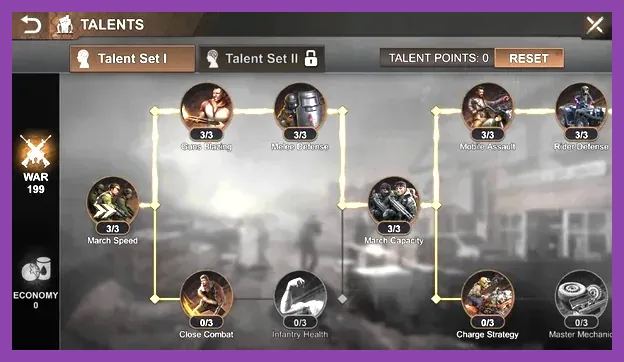
Chief Talents dictate your account-wide passive buffs. As a solo player, your progression roadmap must be strictly structured based on your Headquarter (HQ) level. Splitting points down the middle early on severely hampers your progression speed.
From HQ Level 1 through HQ Level 25, your primary focus should be 100% Economy Talents. Solo players lack constant alliance speedups and resource gifts, making self-sufficiency imperative. Key nodes to max out include:
- Construction Speed I & II: Reduces construction times by up to 20%, saving thousands of speedup items.
- Research Speed I & II: Cuts down battle and development research times significantly.
- Gathering Speed (Wood, Meat, Metal): Keeps your settlement stockpiled for continuous training.
- Development Talent Skill (Rapid Development): Instantly reduces current research and construction time by 20% for 5 minutes (12-hour cooldown). Always trigger this before starting high-level HQ or Research upgrades.
Once you reach HQ Level 26 and unlock Tier 9 (T9) troops, perform a talent reset and adopt the Hybrid War/Economy Path. Re-allocate points into the War talent tree, prioritizing Infantry Health & Defense on the left branch and Hunter Attack & Lethality on the right branch. Similar to managing inventory bottlenecks in crafting-heavy strategy games, efficient resource management with Economy talents accelerates your power spikes.
State of Survival Solo Hero Class Tier List
Heroes are categorized into three distinct classes: Infantry, Rider, and Hunter. Each hero possesses two sets of skills: Explorer Skills (used in real-time stage clearing) and Military Skills (applied to troop marches). For solo players, prioritizing specific hero classes yields the highest returns in PvE content and solo rally leads.
S-Tier Solo Classes & Heroes
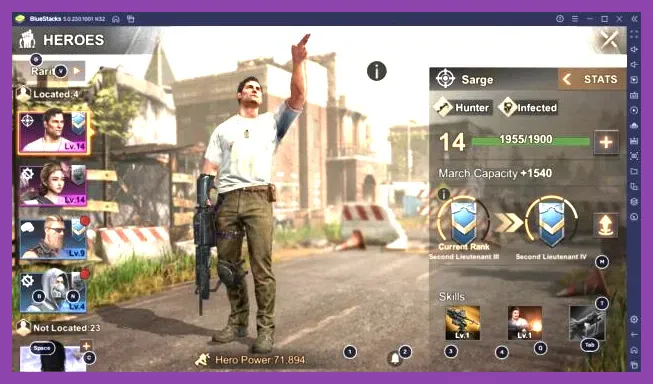
Hunter Class (Primary Damage): Hunters deliver high single-target DPS and critical strike chance. They are essential for killing bosses in Explorer mode and dealing the raw damage required to destroy Infected Fiends before your front line collapses.
- Sarge (Epic Hunter): The undisputed king of early-to-mid game solo content. His Explorer skill, Gun Turret, drops an automated turret that draws enemy aggro and deals continuous physical damage. His Military skill boosts Hunter Attack by up to 25%.
- Mike (Epic Hunter): Excellent precision shooter. His skill Sniper Shot inflicts heavy burst damage, while his military passive boosts total march damage against infected targets.
- Becca (Legendary Hunter): Delivers massive area-of-effect and single-target damage, ideal for late-game solo operations.
A-Tier Solo Classes & Heroes
Infantry Class (Frontline Survivability): Infantry heroes do not deal massive damage, but their high HP and defense keep your Hunters alive. Without strong Infantry heroes, your Hunter damage dealers will be wiped out rapidly.
- Chef (Epic Infantry): A staple front-liner. His Energy Shield skill reduces incoming damage while his stun capabilities stop boss attacks in Explorer mode.
- Eva (Epic Hunter): Provides excellent debuffs, reducing enemy defense while giving your backline higher critical strike potential.
- Travis (Epic Rider - Utility Exception): While Riders are generally secondary for solo players, Travis is mandatory. His passive skill Stamina Reduction cuts down the stamina cost for marching against Infected by up to 20%, and increases march speed by 100%. He is the ultimate solo farming hero.
B-Tier Solo Classes & Heroes
Rider Class (Flanking and Speed): Riders offer high speed and backline attack capabilities, but in solo PvE campaigns, they take more damage than Infantry and deal less damage than Hunters. Use them primarily for march filler and gathering bonuses.
If you are looking for strategic combat systems in other genres, checking out beginner tips for action tactical games can help sharpen your target prioritization skills.
Top Solo Heroes: Skills, Stats, and Synergies
To build an unstoppable solo march or Explorer team, you need to combine hero skill synergies properly. Below is the breakdown of the ultimate solo trio setup for mid-to-late game players, detailed on the official State of Survival Wiki.
| Hero Name | Class | Key Explorer Skill | Military Buff Focus | Solo Synergy Role |
|---|---|---|---|---|
| Sarge | Hunter | Gun Turret | +Hunter Attack (+25%) | Main DPS & Aggro Distraction |
| Chef | Infantry | Energy Shield / Meat Meat Chopper | +Infantry Defense (+20%) | Frontline Tanking & Crowd Control |
| Travis | Rider | Trap Master / Sprint | Stamina Efficiency (-20% Cost) | Stamina Management & Mob Farming |
When running Explorer Trail missions solo, place Chef in the front center position to absorb damage. Place Sarge in the rear left and Mike or Eva in the rear right. Drop Sarge's turret slightly ahead of your backline—this forces attacking zombies to target the turret rather than your squishy Hunter heroes, effectively doubling your team's operational health.
Learning how to maximize hero potential is comparable to mechanics found in high-level character progression systems; for instance, seeing how fast leveling impacts combat effectiveness reveals how crucial early stat investments are in strategy titles.
Best Solo Troop Compositions for PvE and Explorer Missions
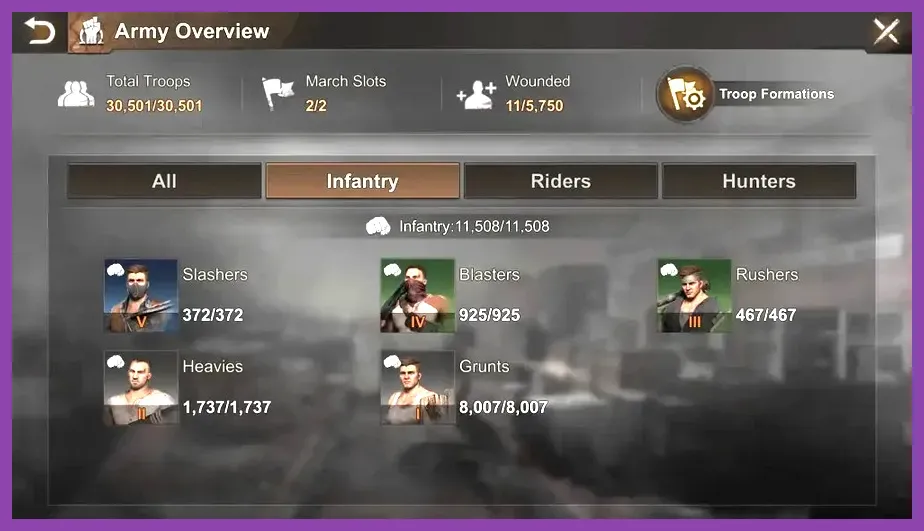
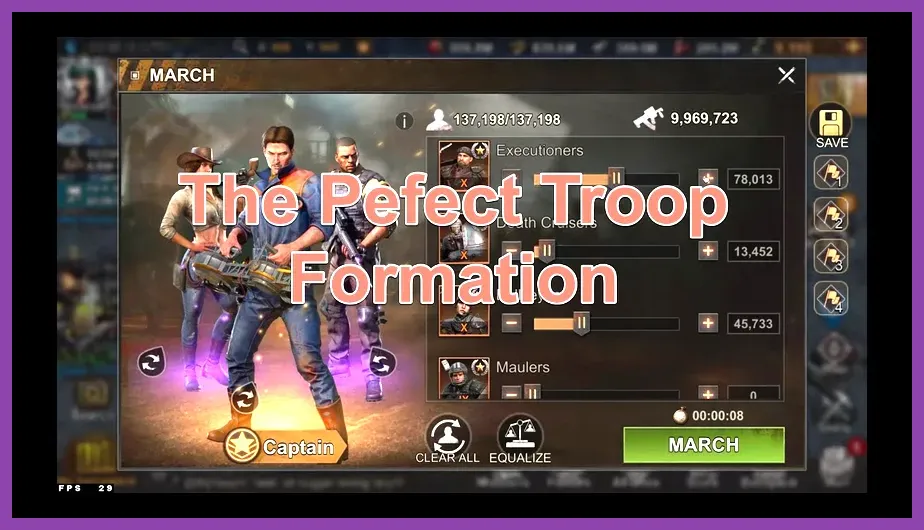
Sending a generic 33%/33%/33% troop march into combat is one of the most common mistakes solo players make. Because you are attacking targets without reinforcement marches from alliance members, taking heavy casualties drains your resources in healing costs.
The optimal solo march ratio depends on the target you are engaging:
1. Solo Infected & Fiend Hunting Formation (40 / 20 / 40)
- 40% Infantry (Shield Bearers / Shotgunners): Acts as the frontline wall. You need enough Infantry to ensure none of them die, preventing damage from bleeding into your Hunters.
- 20% Riders (Bikers / ATV): Provides fast flank damage and filler stats.
- 40% Hunters (Bowmen / Snipers): Maximizes raw DPS output to eliminate target Fiends quickly.
2. Resource Gathering Escort Formation (10 / 80 / 10)
- 10% Infantry: Minimal protection against stray attacks.
- 80% Riders: Riders possess the highest load capacity per unit and fastest march speeds across the state map.
- 10% Hunters: Minimal rear guard.
Maintaining strict control over equipment and troop deployment ratios mirrors army management systems in grand strategy games like Hearts of Iron 4 equipment optimization, where tactical allocation prevents attrition.
Solo Hero Gear and Chief Equipment Priority
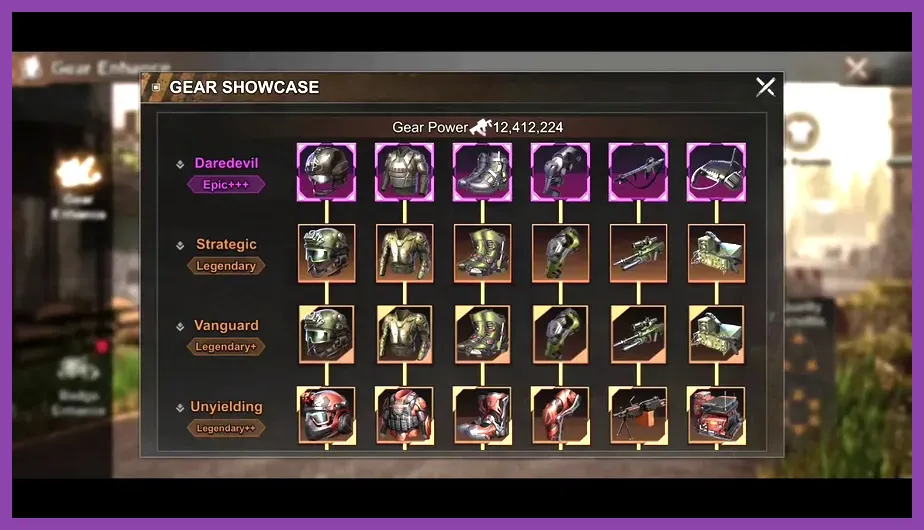
Chief Equipment and Hero Gear yield massive multiplier stats that drastically alter your solo combat capabilities. Developed by FunPlus, the game's stat scaling scales exponentially at higher gear tiers.
When upgrading Chief Equipment, invest your Design Plans and Gear Parts in this specific order:
- Infantry Armor & Helmet: Boosts Infantry HP and Defense. This ensures your frontline holds during solo defense or Fiend hunts.
- Hunter Weapon & Boots: Maximizes Hunter Attack and Lethality, directly shortening boss fight durations.
- Rider Gear: Upgrade only when required as a prerequisite for the next Chief Gear set tier.
For Hero Gear, focus exclusively on crafting and upgrading Hunter weapons first. A high-level Legendary Hunter Crossbow or Sniper Rifle on Sarge or Mike will deliver dramatically higher returns than upgrading multiple pieces of Infantry or Rider gear simultaneously.
By keeping your Chief Talents focused on Economy early, prioritizing Hunter heroes like Sarge and Mike for pure DPS, and enforcing a strict 40/20/40 troop march ratio, you can effortlessly master State of Survival as a self-sufficient solo commander.