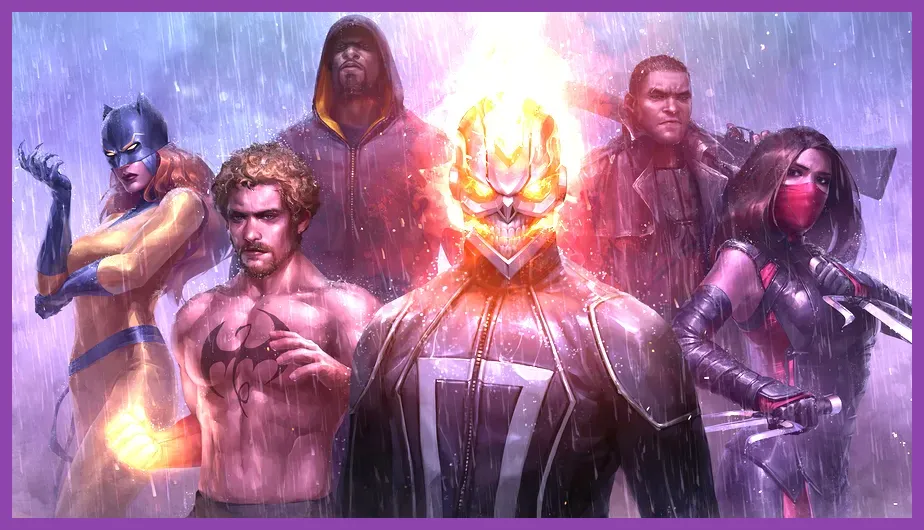
The best Marvel Future Fight classes for solo players are Universal first, Blast second, Combat third, and Speed fourth. Universal characters such as Jean Grey and Ghost Rider have fewer type disadvantages, while Blast heroes including Thor and Iron Man clear waves quickly. For a practical account, build one Tier-3 or Transcended character from each of these classes instead of investing in several heroes with the same damage profile.
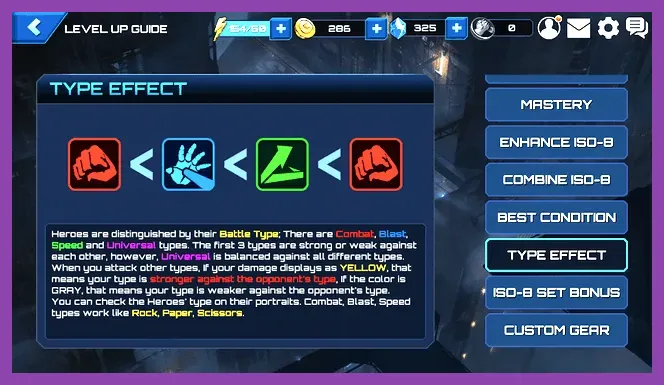
Marvel Future Fight does not use traditional RPG classes. Its four character types are Combat, Blast, Speed, and Universal. The type triangle is Combat over Speed, Speed over Blast, and Blast over Combat. Universal characters have no normal type advantage or disadvantage. That distinction matters in World Boss, World Boss Legend, Alliance Battle, Dimension Rift, Dispatch Mission, and late Story stages, where a type penalty can turn a strong character into a liability.
Class Ranking for Solo Players
These rankings measure independent clearing power, survivability, damage consistency, and usefulness across multiple PvE modes. They assume a modern uniform, Tier-3 advancement or Transcend Potential where available, and a properly capped build.
S-Tier: Universal
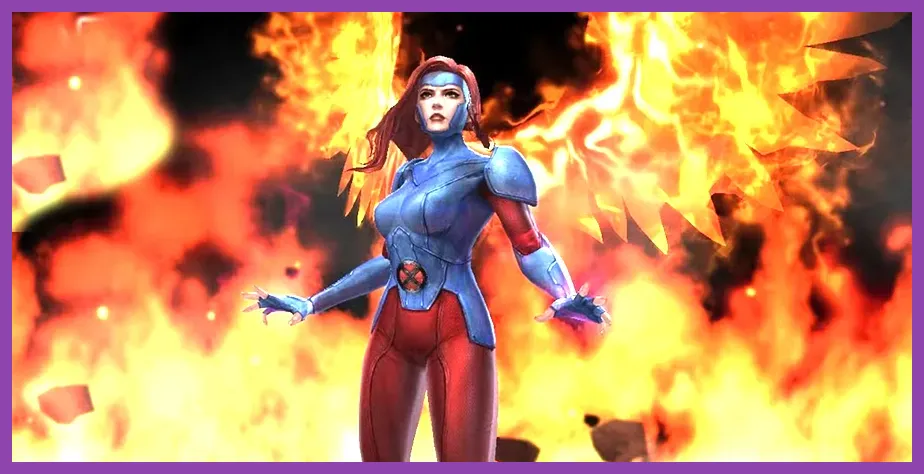
Universal is the best overall solo class. It avoids the Combat, Blast, and Speed matchup penalties, making it the most dependable choice when you do not know a stage’s enemy type. Jean Grey with the Dark Phoenix uniform is the premium example: she has damage, crowd control, healing, and a revive-like safety net through her Phoenix mechanics. Her fifth skill and ultimate are especially effective when grouped enemies are trapped inside her area damage.
Ghost Rider with the King of Hell uniform is another excellent Universal damage dealer for players who can maintain positioning. His fire damage is powerful in World Boss and Alliance Battle, but he is less forgiving than Jean Grey because his skills leave him exposed between rotations. Captain Marvel with The Last Avenger is a simpler alternative for accounts that need a straightforward Universal character with strong burst and good survivability.
A-Tier: Blast
Blast is the best class for fast wave clearing. Thor with the Herald of Thunder uniform is a strong solo investment because his lightning skills cover large areas and his kit works in Story, Dispatch, Dimension Rift, and World Boss. Use his five-skill into four-skill sequence, then cancel into the Tier-3 skill when the animations overlap. Thor benefits heavily from All Basic Attacks, Lightning Damage, and Ignore Defense.
Iron Man with the Back to Basics uniform is one of the easiest Blast characters to operate. His damage ramps up quickly, his targeting is comfortable for mobile play, and he performs well against bosses that move frequently. Sharon Rogers with Star Night remains a strong single-target option when properly geared, although her damage depends more on timing and keeping her burst skills aligned.
A-Tier: Combat
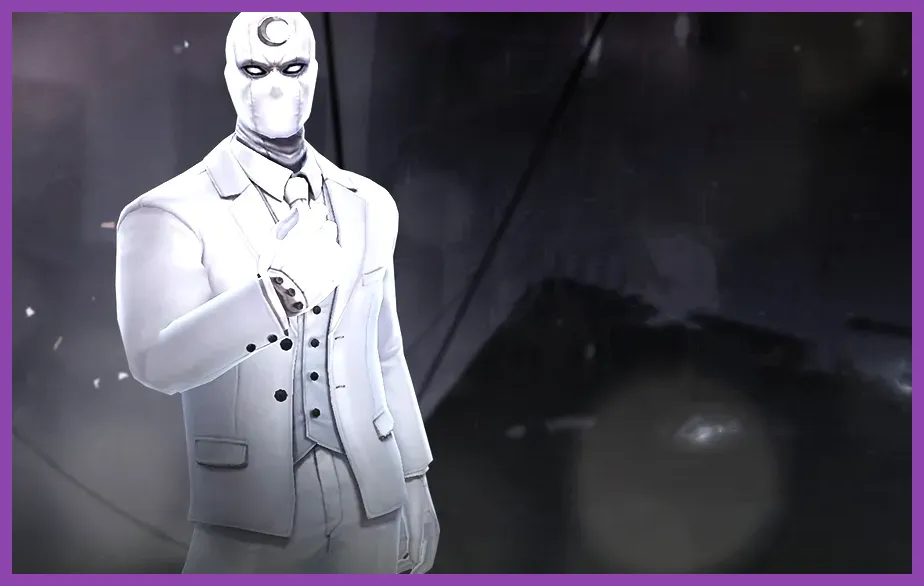
Combat is the safest physical-damage class for close-range stages. Moon Knight with the Mr Knight uniform is a practical solo carry: his skills provide strong physical damage, repeated hits, and enough mobility to avoid many boss attacks. His fourth and fifth skills should be canceled into one another rather than allowed to play their full animations.
Captain America with Back to Basics is the better Combat recommendation for players who frequently get hit. His kit offers stronger defensive comfort than many damage dealers, and his leadership is useful when building a physical-damage team. Hulk with a suitable modern uniform can also work as a durable Combat option, but he is generally less versatile than Moon Knight for accounts focused on fast clears.
B-Tier: Speed
Speed is the weakest general solo class, not because it lacks excellent characters, but because its type matchup is less convenient in many PvE rotations. Sharon Carter’s Speed alternatives, Quicksilver, and Spider-Man can perform well, but they usually require more precise movement or specialized builds than Thor, Jean Grey, or Iron Man.
Spider-Man with a current uniform is still useful for players who enjoy evasive melee combat, particularly in stages where Speed has the advantage over Combat. However, he should not be your first account-wide solo investment unless you specifically need a Speed character for a restriction, World Boss rotation, or Shadowland floor.
Best First Character for a New Account
Choose Thor if you want the best balance of accessibility, wave clear, and boss damage. Choose Jean Grey if you already have the materials and can support a premium Universal build. Choose Iron Man if you want a simple Blast rotation with excellent ranged safety. Choose Captain America if surviving mistakes matters more than achieving the fastest clear time.
Do not spread early resources across four incomplete characters. A single Tier-3 carry clears more content than four Tier-2 heroes with unfinished uniforms. Netmarble’s official Marvel Future Fight forum is useful for checking current patch notes, uniform changes, and event rewards before committing premium crystals.
For advancement priorities, follow the same principle explained in Steamoz’s Marvel Future Fight Tier-3 progression guide: finish one carry’s level, skills, gear, ISO-8 set, and uniform before building a second damage dealer.
Solo Build Priorities and Gear
For most PvE solo characters, prioritize Ignore Defense, Skill Cooldown, and All Basic Attacks. Skill Cooldown and Ignore Defense should be capped at 50 percent. If a character’s skills already cap one stat through leadership or passive effects, shift the remaining slots toward All Basic Attacks, Critical Rate, or Critical Damage.
Use a six-star ISO-8 set suited to the character’s role. Overdrive and Power of Angry Hulk are common offensive choices because they provide All Basic Attacks with Critical Rate or Critical Damage. I Am Also Groot is a defensive alternative for a character that repeatedly dies before finishing a rotation. For custom gear, a damage proc such as 200 percent damage for one skill is a strong starting option; Rage is better for characters whose damage depends on long rotations or difficult boss timing.
For Thor, target Lightning Damage, Ignore Defense, and Skill Cooldown. For Jean Grey and Ghost Rider, prioritize their elemental damage type alongside Ignore Defense. Moon Knight and Captain America want Physical Attack, while Iron Man wants Energy Attack. Do not equip a C.T.P. solely because it has a higher grade if its effects do not match the hero’s rotation.
Simple Rotations for Reliable Clears
Solo play rewards rotations that cancel safely rather than rotations that look impressive. With Thor, open with the fifth skill, cancel into the fourth, and use the Tier-3 skill when available. Repeat the fifth-to-fourth sequence while watching the proc window. With Iron Man, use the fifth skill first, cancel into the fourth, and follow with the third or ultimate skill during the damage proc.
Moon Knight works well with a fifth-to-fourth-to-third pattern, provided you cancel after the important hits land. Captain America can use his fifth skill to establish damage and protection, then rotate through his fourth and third skills while staying close to the target. Jean Grey should begin with the skills that group enemies, follow with her highest-damage area skill, and save her ultimate for a proc window or a boss phase transition.
Do not button-mash through every animation. Canceling too early can remove the hit that activates a character’s damage effect, while canceling too late can waste half of a custom gear proc. Practice rotations in the skill preview or a low-level Dimension Rift before testing them against World Boss Legend.
Team Support That Makes Solo Carries Stronger
A solo carry still benefits from two support characters, even when those supports never enter the battlefield. Add a leader who improves the correct damage type, then use passive supports that increase damage against villains or reduce incoming damage. Phil Coulson, Shuri, Valkyrie, and Taskmaster are examples of support-focused characters, although the strongest choice depends on their available uniforms and passives.
Use type-aware teams when the stage has a clear restriction. A Blast carry should not be forced into a Combat-disadvantaged fight if a Universal character can clear it safely. Conversely, a Combat hero such as Moon Knight can outperform a Universal hero when the stage gives Combat the advantage and the Combat build has better physical-damage support.
Steamoz’s defensive setup guide covers a similar survival-first approach, while the early-game character guide shows why focused investment beats a wide but unfinished roster. In Marvel Future Fight, the same rule is even more important because Tier-3 materials, premium uniforms, and C.T.P.s are limited.
Final Solo Class Recommendation
Build Universal first for maximum matchup flexibility, then add a Blast character for fast farming. Add Combat when you need durable physical damage or stage-specific type advantage, and treat Speed as a specialist investment rather than your default starting point. For most players, the practical order is Jean Grey or Thor, followed by Iron Man or Moon Knight, then a dedicated Speed character only when a restriction requires one.
Check the official Marvel Future Fight website for active events and the developer’s game page before spending crystals. Uniform reworks can change rankings, but the core solo principle remains stable: one fully built, type-appropriate carry is more valuable than a roster of half-built heroes.