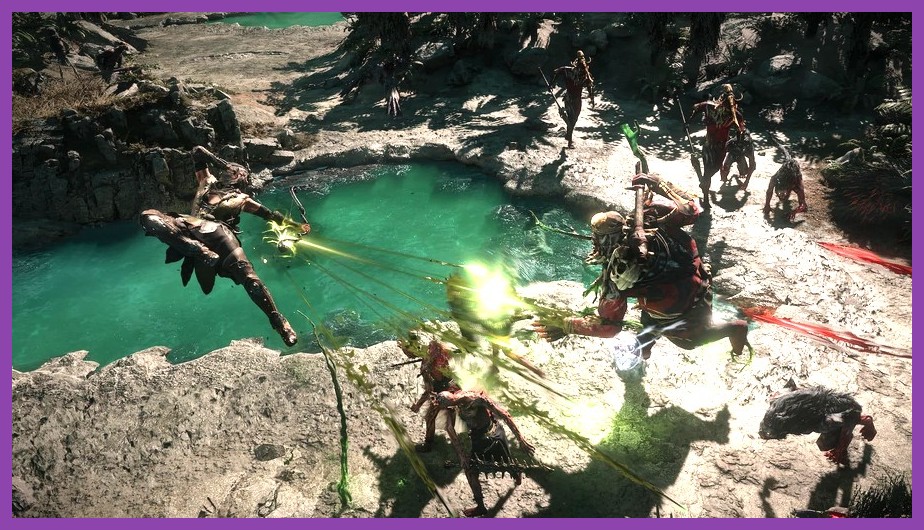
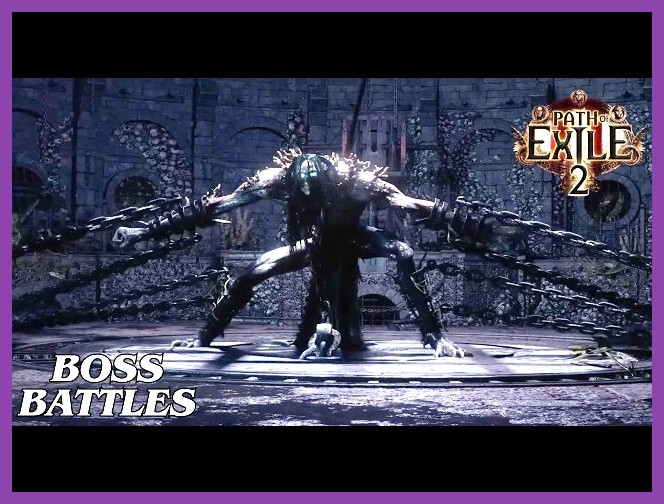
If you jumped into Path of Exile 2 expecting to zoom through early campaign zones while brainlessly clicking one skill button, Grinding Gear Games gave you a rude awakening very quickly. The early campaign bosses in PoE 2 are fundamentally different from its predecessor. They are faster, punchier, and designed with intricate action-game telegraphs that punish sloppy movement and poor preparation. Dropping into your first major encounter without understanding animation locks, dodge invulnerability frames, or status thresholds will leave you looking at a respawn screen before you even shave off half a boss's health bar.
Whether you are tackling the game as a veteran ARPG player or stepping into Wraeclast for the very first time, overcoming early bosses requires a tactical shift. In this deep-dive guide, we break down every essential system, positioning rule, gear requirement, and boss pattern you need to know to beat early bosses in Path of Exile 2 with confidence.
Master the New Mechanics: Dodge Rolling and Animation Commitment
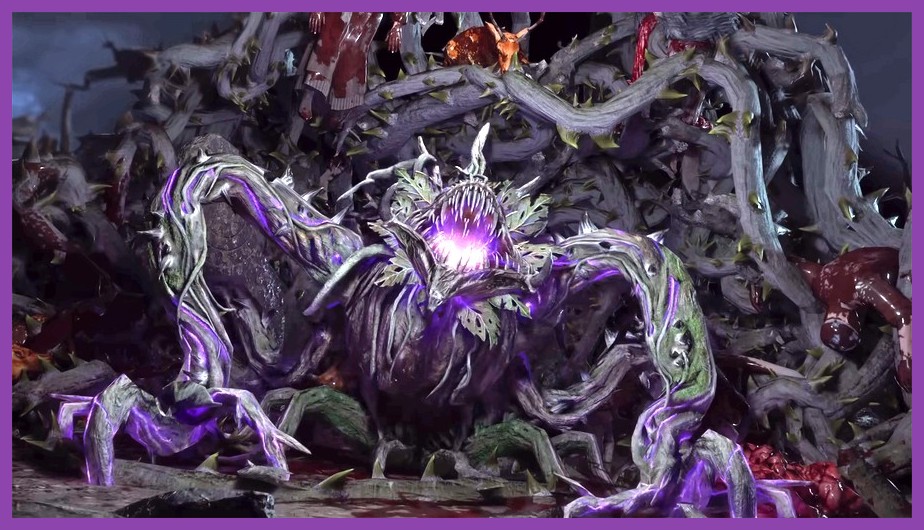
The single biggest learning curve in Path of Exile 2 is how combat pacing has evolved into a deliberate, action-oriented experience. Unlike traditional click-to-move games where you can instantly cancel any movement, PoE 2 places a heavy emphasis on animation commitment. Every attack swing, spell chant, and crossbow burst locks your character in place for a brief window. If a giant skeletal brute winds up a heavy overhead slam while you are halfway through casting a slow fire spell, you cannot simply click away to safety instantly.
To balance this heavy animation commitment, Grinding Gear Games introduced the dedicated dodge roll. The dodge roll gives every character class instant mobility and brief invulnerability frames (i-frames). However, dodge rolling is not an infinite panic button. Rolling continuously burns through stamina or puts your character in recovery frames that can leave you open to follow-up strikes. To beat early campaign bosses, you need to treat the dodge roll as a tactical dodge rather than a constant sprint button.
When fighting early bosses, adopt a rule of two attacks and a dodge. Execute your primary combo or apply your damage-over-time skill, observe the boss's animation cue, and use a single timed roll to dodge behind them. Dodging toward or through a boss's attack trajectory is almost always safer than rolling backward, as rolling backward keeps you directly within the forward range of sweeping attacks or lunges.
If you love tactical top-down games and deep character progression, check out our guide on the best RPG games on Steam to discover more titles with rich combat mechanics.
Act 1 Bosses: Breaking Down the First Big Hurdles
Act 1 serves as a strict skill check for your fundamentals. The early mini-bosses and main zone bosses test whether you understand damage types, arena control, and status application. Let's break down the general archetypes of early encounters and how to systematically defeat them.
1. High-Impact Melee Slammers
Early encounters feature heavy-set humanoid and beast bosses that rely on massive physical slams and frontal cleaves. These bosses feature clear visual cues: they lift their weapon high above their shoulders or reel back on their hind legs while glowing slightly. The common mistake players make here is backing off in a straight line. Many of these slam attacks create forward-moving shockwaves or cause rubble to fall in a cone in front of the boss.
Strategy: Circular pathing is your best friend. Always circle the boss at close to mid-range. When you see the heavy wind-up animation, roll laterally or straight behind the boss's back. This puts you directly in their dead zone, allowing you to deal free damage while the boss finishes their slow recovery animation.
2. Fast Beast and Swarm Bosses
Zone mini-bosses like large devouring beasts or charging monstrosities do not rely on slow overhead slams. Instead, they charge rapidly, leap across the arena, or spawn smaller minions to overwhelm your targeting. These fights test your ability to manage arena space and prioritize targets.
Strategy: Never let yourself get cornered against arena walls or tight geometry. Keep the center of the room clear whenever possible. If the boss summons minion adds, clear them out quickly using broad area-of-effect (AoE) abilities before refocusing the boss. Minions in PoE 2 are not just annoyances; they block your dodge roll paths and regenerate boss shields or abilities if left unchecked.
3. Area Control and Elemental Casters
As you progress through the latter half of Act 1 and enter Act 2, bosses begin dropping lingering environmental hazards—acid pools, freezing ground, or lightning fields. Standing in these hazards shreds your health pool in seconds, regardless of how high your physical armor is.
Strategy: Map out the arena dynamically. Fight the boss on one side of the room, and when they drop a persistent area denial hazard, immediately kite them across to the clean side of the arena. Keep your camera focused on the ground textures, and never fight inside elemental puddles. Keep your gear updated with elemental resistances to soften the blow if you accidentally step into a hazard.
If you are looking to tweak your setup so your frames never drop during chaotic boss fights, take a look at our guide on how to optimize Steam game performance for butter-smooth gameplay frame rates.
Gear and Build Preparation Before Entering Boss Arenas
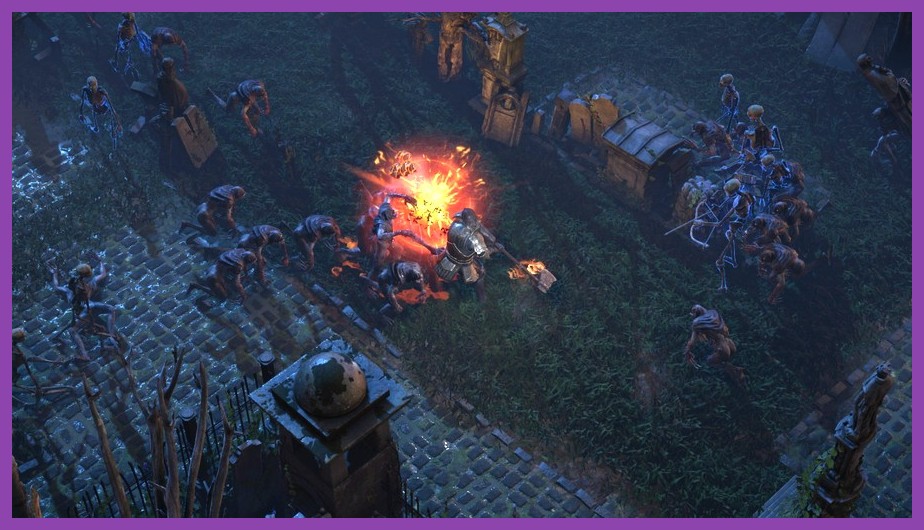
You can execute mechanics perfectly, but if your gear is severely underleveled, early bosses will feel like brick walls. In Path of Exile 2, your build's baseline numbers dictate whether a boss fight takes a manageable two minutes or an agonizing ten-minute slog where one tiny mistake kills you.
1. Prioritize Weapon Base Damage
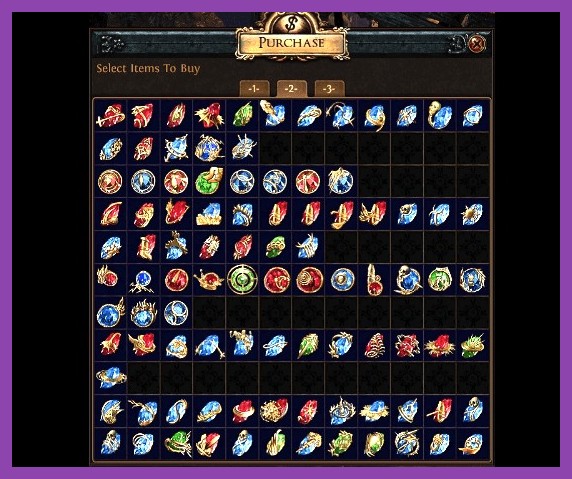
For attack-based classes (like Mercenaries, Warriors, or Rangers), your damage output scales directly off your equipped weapon's flat base damage. If you are struggling to move a boss's health bar, visit town vendors or check dropped loot for a higher level weapon base. Even a normal (white) weapon of a higher base tier crafted with a basic transmutation or alchemy orb will vastly outperform a magic or rare weapon from five levels ago.
2. Capping Core Defenses and Resistances
Early boss fights deal specific damage types. If an early Act boss casts cold spells or lightning strikes, having 0% elemental resistance means taking triple or quadruple damage compared to a player with capped or high resistances. Always keep gear pieces in your inventory that feature flat maximum life and elemental resistance rolls.
Before entering a known boss zone, open your character sheet and check your elemental resistances. If a boss uses fire attacks and your fire resistance is dangerously low, swap a ring or amulet to boost that specific resistance type. Gold is crucial early on for buying gear vendor resets and tweaking your equipment, so make sure you read our guide on how to farm gold fast in Path of Exile 2 to keep your pockets full.
3. Gem Combos and Synergy
Skill gems in PoE 2 allow for dynamic weapon swapping and fluid skill combos. Instead of relying on a single skill, link support gems that enhance complementary mechanics. For example, pairing a skill that inflicts heavy Armor Break or Freeze with a secondary burst skill lets you shatter boss defenses during vulnerability windows. Check out the official Path of Exile 2 official website to review class skill node layouts and planner mechanics.
If you enjoy deep free-to-play games with heavy crafting and build customization, browse our curated list of the best free-to-play games available today.
Managing Flasks and Crowd Control in Long Fights
Flask management in Path of Exile 2 requires much more intention than in the original game. You cannot simply spam your life flasks and expect them to instantly refill from endless minion spawns. Early boss arenas often feature sparse minion waves, meaning your flask charges are a finite resource during the fight.
1. The Rules of Flask Efficiency
- Do not drink life flasks at 90% health: Wait until your character drops below 50-60% health so you receive the full healing value of the flask charge.
- Upgrade your flask tiers: Town vendors periodically sell higher tier life and mana flasks. A low-level flask recovers health too slowly to keep up with Act 1 and Act 2 boss damage spikes.
- Use utility flasks pre-emptively: If you use a flask that granting armor or movement speed, activate it right before taking unavoidable arena damage or when dodging out of a tight corner.
2. Exploiting Stun, Freeze, and Armor Break
Bosses in PoE 2 feature internal posture and status threshold bars. As you deal heavy damage, land stun-heavy attacks, or apply elemental buildup, you gradually fill the boss's crowd control meter. Once full, the boss will freeze solid, stagger, or suffer a posture break.
Save your highest damage cooldowms and heavy combo skill chains for these exact stagger windows. When the boss drops to their knees or freezes, step in close and unleashes your maximum single-target burst without worrying about dodging counterattacks. This staggering rhythm forms the core gameplay loop of high-level bossing.
For players running PoE 2 on lower spec setups or handheld devices, balancing performance during heavy skill effect visual clutter is essential. Take a look at our tested guides on the best games for low-end PCs and custom tweak tips to keep performance solid.
Advanced Bossing Strategies for Hardcore and Solo Players
If you are playing in Hardcore mode or simply hate seeing the death screen reset your boss progress, adopting a disciplined mindset will save you hours of frustration. Here are advanced combat rules used by top ARPG veterans:
1. Recognize Boss Telegraph Audio Cues
Grinding Gear Games designs bosses with distinct sound effects and vocal voice lines right before major ultimate attacks. Learn to listen for grunt animations, spell chants, or distinct audio stings. In many cases, your ears will catch a boss winding up an off-screen charge faster than your eyes will spot it amidst colorful spell visual effects.
2. The "Patience Over Greed" Mindset
The number one cause of death in early PoE 2 boss fights is greed—trying to squeeze in one extra attack swing when you should be preparing to roll. If you are unsure whether you have enough time to finish a long attack animation, do not risk it. Reposition first, wait for the boss to commit to their attack, and hit them during their recovery recovery frames instead.
3. Utilize Town Waypoints and Portal Scrolls
In non-instanced early encounters where portals are permitted, placing a portal scroll right outside or inside a safe corner of the boss arena gives you an immediate emergency exit. If you run out of flask charges during a long battle, step through your portal back to town to instantly refill your flasks, then re-enter the fight refreshed. Check the official Path of Exile 2 Steam Store Page for game updates and patch notes regarding portal mechanics and arena rules.
For more detailed walkthroughs, character build updates, and gaming breakdowns, head over to our main guides category page and keep your gameplay sharp!
Summary: Key Takeaways for Defeating Early Bosses
Beating early bosses in Path of Exile 2 is a test of patience, preparation, and precision. Here is a quick reference checklist to review before stepping into your next boss arena:
- Watch Animation Locks: Understand your skill wind-up times so you never get caught mid-cast.
- Dodge Behind, Not Away: Roll laterally or through boss attacks to stay in safety dead-zones.
- Cap Your Resistances: Match your elemental gear to the boss's damage types before entering.
- Upgrade Weapon Bases: Keep flat weapon physical damage high by constantly buying or crafting new base weapon tiers.
- Preserve Flask Charges: Sip health flasks only when significantly injured, and stagger bosses to create free burst windows.
With these strategies in your arsenal, those intimidating early bosses will transform from terrifying brick walls into satisfying milestones on your journey through Wraeclast. Stay patient, learn the patterns, keep your gear updated, and enjoy the rich combat experience that Path of Exile 2 brings to the table!