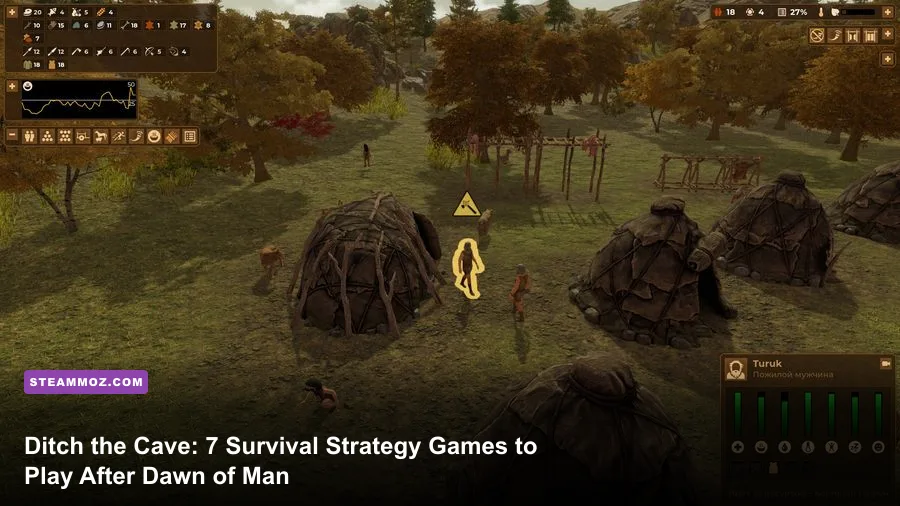
If you burned through every era in Dawn of Man and you're itching for another slow-burn survival-strategy hit, the games to grab right now are Against the Storm, Timberborn, Frostpunk 2, Banished, Going Medieval, The Wild Eight, and Northgard. Each one nails a different piece of what made Dawn of Man click — the tech-tree crunch, the harsh seasonal grind, the tiny-village-to-thriving-settlement arc — and a couple of them honestly push the genre further than Madruga Works' original ever did.
Dawn of Man carved out a weird little niche: part city builder, part survival sim, part hunting game, with just enough tech progression to keep you chasing the next tier of tools. That combo is rarer than you'd think. Most "survival strategy" games lean too hard into either pure city-building fluff or punishing rogue-lite death loops. The list below sticks to titles that actually replicate that specific itch — manage a population, scrounge resources, survive the elements, and watch a handful of huts become a real civilization.
Against the Storm — The Roguelite That Gets It
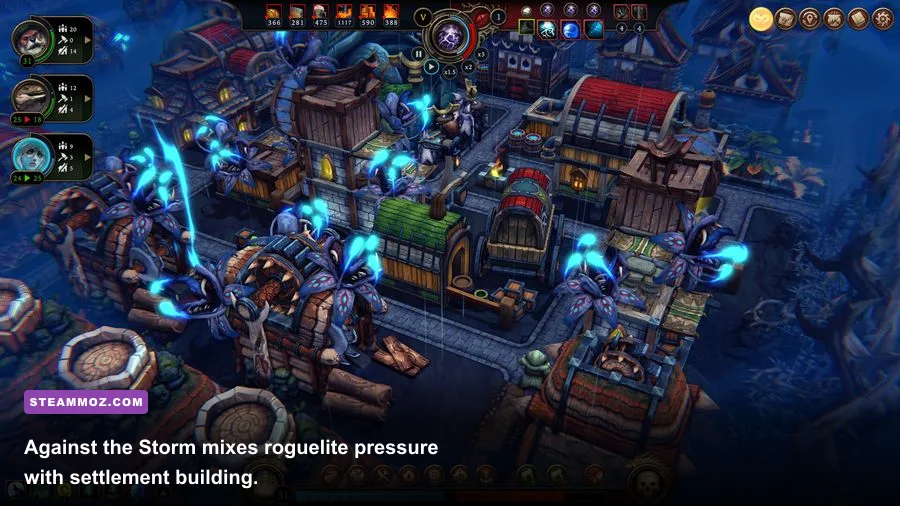
Eremite Games' Against the Storm is the closest thing to a spiritual sequel Dawn of Man never got. You're rebuilding civilization after an eternal storm wiped everything out, managing Humans, Beavers, Lizards, Harpies, and Foxes — each species with different housing needs, food preferences, and morale quirks (Beavers hate isolation, Foxes need alcohol to stay happy, that kind of granular detail).
The genius move is the reputation system. Every settlement (called a "Glade") has a Reputation meter that fills as you complete orders from the Queen. Hit certain thresholds and you unlock permanent Glade-wide buffs before you move to the next map. It's roguelite structure grafted onto a resource-chain city builder, and the seasonal cycle — Clearweather versus Drizzle versus full Storm — punishes you exactly like Dawn of Man's winters did, just with sharper teeth.
Biggest difference: production chains here are brutal. Raw Wood becomes Planks becomes Prestige Goods becomes actual trade value, and you're juggling six or seven resource tiers at once. If you liked min-maxing tool durability in Dawn of Man, this scratches that same itch tenfold.

🎮 Dawn of Man
Looking to experience this game? Grab your digital key directly on our store for $12.49.
View on Steammoz Store →Timberborn — Same Bones, Beavers Instead of Cavemen
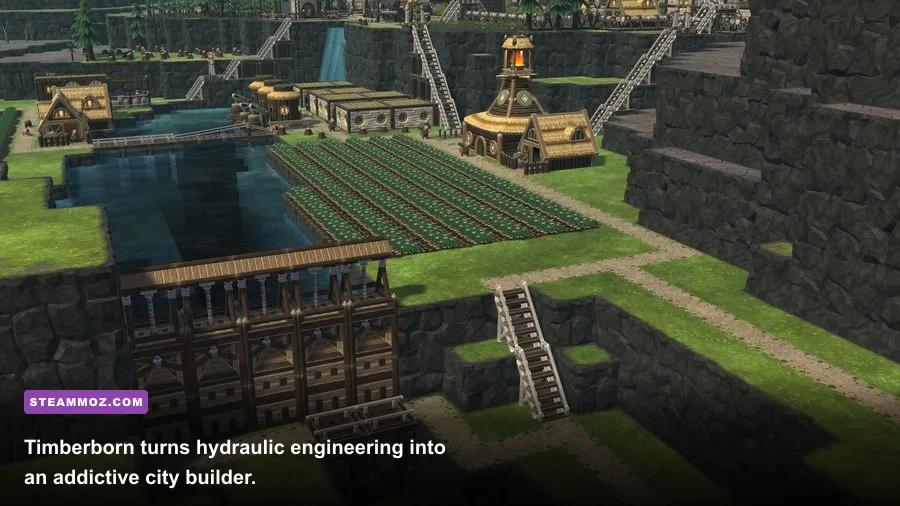
Timberborn swaps stone-age humans for post-apocalyptic beavers, but the core loop is nearly identical to Dawn of Man's early hours: chop wood, secure water, feed your population, survive the dry season. The twist is verticality — you're building dams, water wheels, and multi-story districts, and district planning genuinely matters because water flow physics affect crop yields downstream.
The Iron Teeth faction (mutant beavers who eat dirt-based food and use robotic workers) versus the Folktails faction (classic beavers reliant on natural crops) gives you two genuinely different playstyles, similar to how Dawn of Man's different eras force new strategies. Droughts hit like Dawn of Man's harsh winters — plan your water reservoirs wrong and your whole colony starves in a matter of in-game days.
Frostpunk 2 — When Survival Becomes Politics
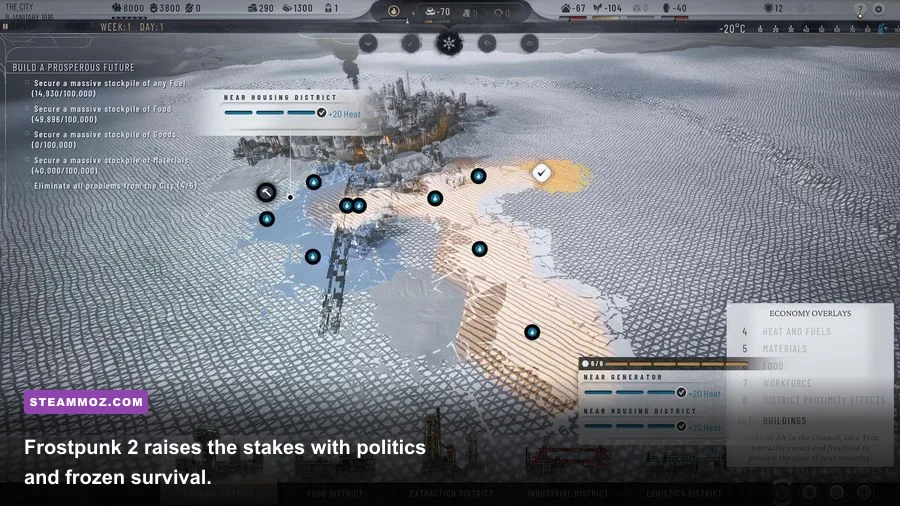
Frostpunk 2 takes the survival-management DNA and injects full-blown political simulation. You're no longer just managing heat and food — you're managing factions, ideologies, and Council votes that can tank your entire city if you mismanage them. It's a much bigger scale than Dawn of Man (city-wide districts instead of individual villagers), but the tension of "one bad decision away from collapse" is identical.
The Frostbreaker mechanic — massive terraforming projects that reshape the map — mirrors the tech-unlock dopamine hit from Dawn of Man's Bronze and Iron Age transitions. Just be warned: Frostpunk 2 demands a beefier rig than Dawn of Man ever did, so if your PC's aging, check your specs the way we broke down for other demanding titles like Far Cry 2's system requirements before you drop cash on it.
Banished — The Genre's Punishing Granddaddy
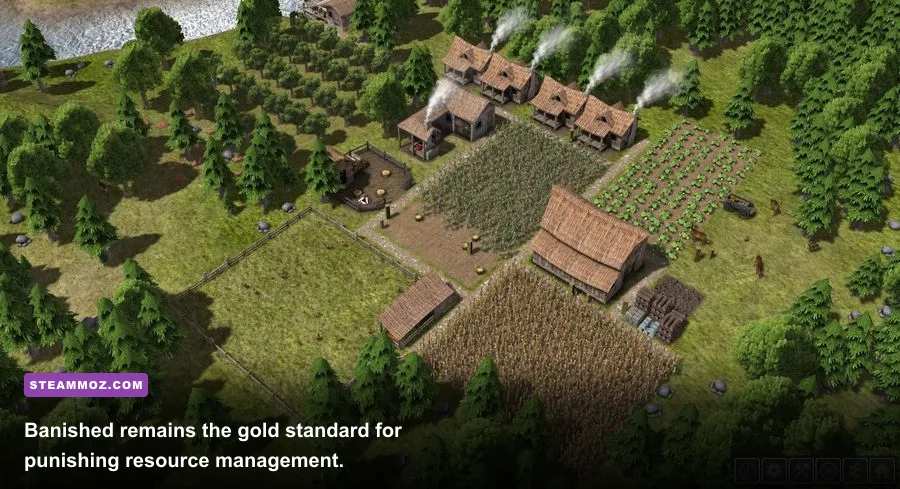
If Dawn of Man felt too forgiving by the mid-game, Banished will humble you fast. There's no divine hand-holding here — a bad harvest, a disease outbreak, or an ill-timed blizzard can wipe out half your town in a single season. Population caps are brutally tied to housing and food supply chains, and unlike Dawn of Man's forgiving tech tree, Banished gates almost everything behind labor allocation you have to micromanage by hand.
It's older (2014) and the graphics show it, but the simulation depth — individual villager aging, job assignment, trade route logistics — still holds up as one of the tightest survival-builder loops ever made.
Going Medieval and The Wild Eight — Vertical Building and Co-op Chaos
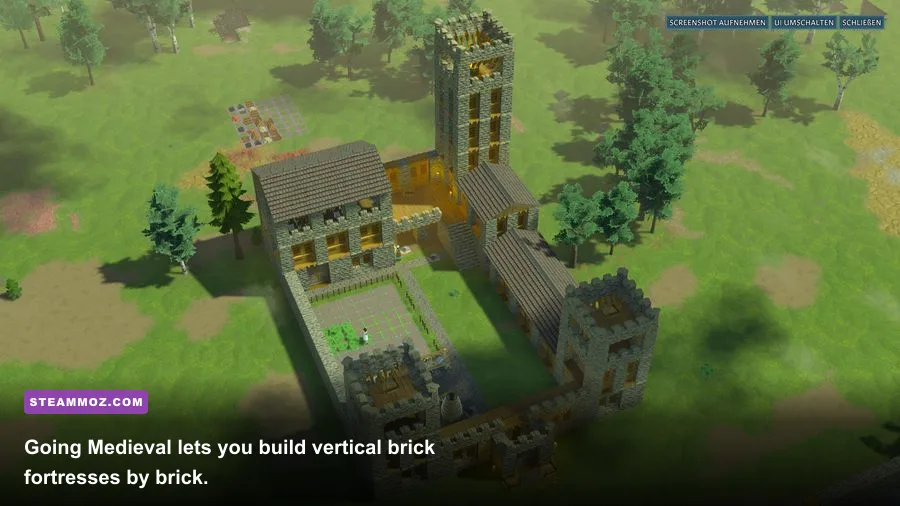
Going Medieval takes the Dawn of Man formula and adds real Z-axis building — you're carving fortresses into hillsides, building multi-floor keeps with actual structural integrity checks (walls collapse if unsupported, just like real medieval architecture). It's RimWorld-adjacent in its colonist-management systems but keeps the historical grounding Dawn of Man fans love.
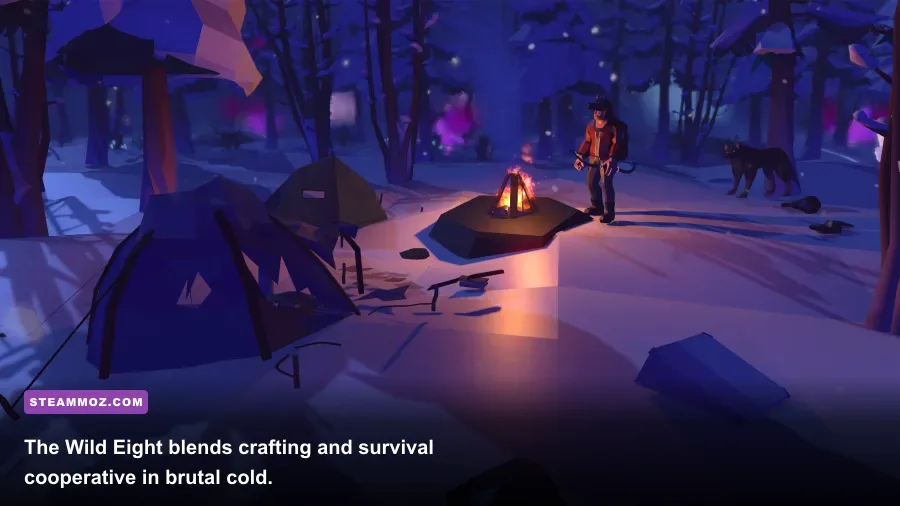
The Wild Eight flips the script into co-op survival — up to 8 players stranded in frozen wilderness after a plane crash, crafting tools, hunting, and building shelter with a top-down RPG-lite structure. It's less "city builder," more "crafting survival," but the resource-scarcity tension is pure Dawn of Man DNA, just multiplayer.
How These Games Stack Up Against Dawn of Man
Here's the honest breakdown of where each pick lands if you're deciding what to buy first:
| Game | Closest Dawn of Man Feature | Biggest Difference | Best For |
|---|---|---|---|
| Against the Storm | Resource-chain crunch, seasonal threat | Roguelite run structure | Players who want replayability |
| Timberborn | Population + water survival loop | Vertical city planning | Engineering-minded builders |
| Frostpunk 2 | Harsh-climate resource pressure | Political faction management | Players wanting bigger stakes |
| Banished | Direct village micromanagement | Zero hand-holding, older engine | Hardcore sim purists |
| Going Medieval | Tech progression, colonist needs | 3D vertical fortress building | RimWorld fans |
| The Wild Eight | Crafting and scarcity survival | Co-op multiplayer focus | Groups wanting shared survival |
| Northgard | Era-based expansion, exploration fog | RTS combat elements | Players wanting faster pacing |
Northgard — For When You Want Combat Back In The Mix
Northgard is the odd one out here since it's a full RTS, but the Viking settlement-building core, the seasonal Ragnarok mechanic (yes, actual apocalyptic winters that spike enemy aggression), and the clan-vs-clan resource race give you that same "stretch thin, manage risk" tension Dawn of Man nailed, just with actual army combat layered on top. If you missed fighting rival clans in Dawn of Man's raid events, Northgard scratches that itch properly.
Which One Should You Actually Buy First
Honestly? If you loved Dawn of Man's methodical tech progression and slow-burn tension, start with Against the Storm — it's the freshest take, gets regular updates, and the roguelite structure means every run feels different. If you want something closer to a pure sandbox with zero handholding, grab Banished; it's cheap, it's brutal, and it still teaches you resource discipline better than most modern releases.
For anyone with a rig that can handle the jump in fidelity, Frostpunk 2 is the most ambitious evolution of the genre right now — just make sure your GPU's up to task first, the same way you'd double-check performance before diving into a demanding title like Far Cry 6's GOTY upgrade settings. And if co-op's your thing, round out your library with The Wild Eight for a completely different flavor of survival pressure with friends.
Whatever you pick, you're not settling for a knockoff — every game on this list carves its own identity while keeping that satisfying "tiny village becomes a real civilization" arc that made Dawn of Man so addictive in the first place.