The worst Clash Royale mistakes are overspending elixir, building an unbalanced deck, attacking without a win condition, wasting spells, ignoring card rotation, and panicking in overtime. Fix those habits first, then focus on matchup knowledge and tower damage; these changes produce more wins than simply leveling another card.
1. Stop Making Negative Elixir Trades
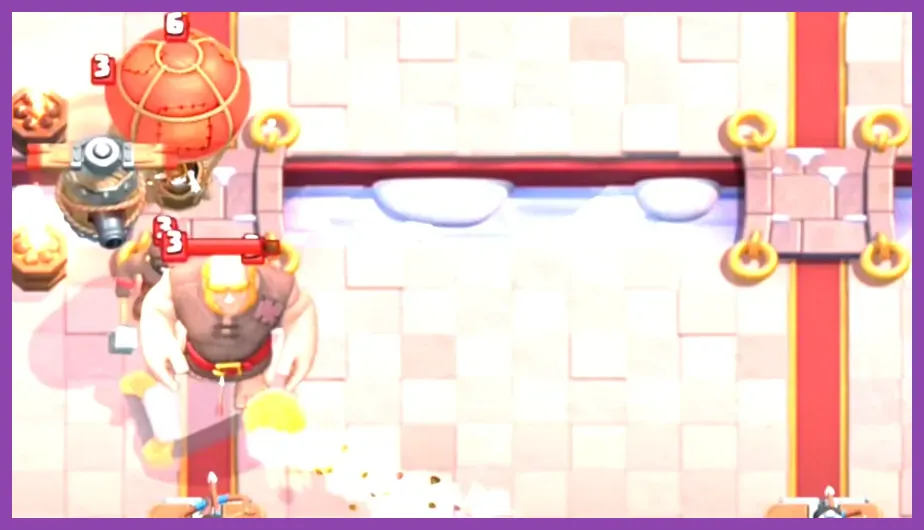
Elixir advantage is the foundation of every Clash Royale match. If you spend 5 elixir on a Wizard and your opponent uses Fireball for 4, you lose value before considering the Wizard’s damage. The same problem appears when you drop a Mega Knight for 7 elixir onto a lone Skeleton Army worth 3. You may survive, but the opponent has four extra elixir to build the next push.
Defend with the cheapest reliable answer. Use Skeletons for 1 elixir to distract a Prince, Ice Spirit for 1 to freeze a charging unit, and Cannon for 3 against Hog Rider or Giant. Save high-cost cards such as P.E.K.K.A, Electro Giant, or Mega Knight for situations where they remove multiple enemy units or create a counterpush.
Track the opponent’s spending
Count visible elixir in broad terms rather than guessing exact numbers. If your opponent plays Golem at the back for 8 elixir, do not answer by dropping a single defensive troop behind your King Tower. Pressure the opposite lane with Hog Rider, Battle Ram, or Miner while they are unable to defend efficiently. The objective is not always to destroy the Golem; it is to force another expensive response before the push reaches your tower.
For broader strategy habits, the same value-first thinking applies to other competitive games covered in Steamoz’s Rust weapons tier list.
2. Do Not Build a Deck Without a Win Condition
A deck needs a repeatable way to damage a Crown Tower. Hog Rider, Royal Giant, Graveyard, Balloon, Goblin Barrel, Miner, X-Bow, Mortar, and Electro Giant are examples of win conditions. Cards such as Valkyrie, Musketeer, and Mega Minion are valuable support or defensive units, but they usually cannot define the deck’s attack plan by themselves.
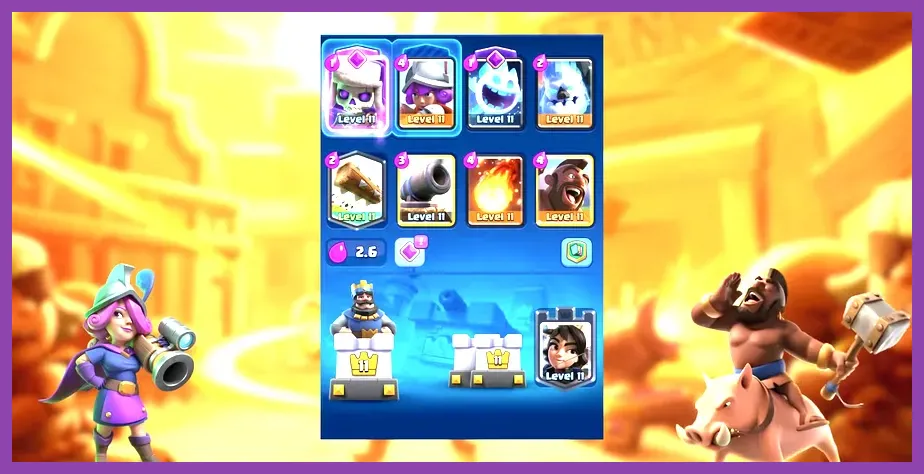
Use one primary win condition and build the other seven cards around it. A basic Hog Rider cycle deck can include Hog Rider, Musketeer, Cannon, Fireball, The Log, Ice Spirit, Skeletons, and Ice Golem. It has a building, air defense, a small spell, a medium spell, cheap cycle cards, and a clear attack: punish after the opponent spends elixir, then defend and cycle back to Hog Rider.
A beatdown deck needs a different structure. A Golem deck wants support such as Night Witch, Baby Dragon, Tornado, and Lightning, while a Graveyard deck benefits from Poison, Tornado, and a durable tank such as Knight or Valkyrie. Do not mix Golem, X-Bow, Hog Rider, and Three Musketeers in one list simply because they are individually strong. Their costs and attack timings conflict, leaving you with an unusable hand.
Check your average elixir
Average elixir cost is not a complete measure of deck quality, but it exposes obvious problems. A list above 4.5 average elixir often struggles against fast cycle decks unless it has cheap defensive tools. A list below 2.8 may cycle quickly but lack the damage or durability to stop a Lava Hound or Giant push. Before entering Ranked or Path of Legends, confirm that your deck has at least one air answer, one tank response, one building or reliable distraction, and spells that address the cards you regularly face.
3. Stop Attacking at the Bridge on Autopilot
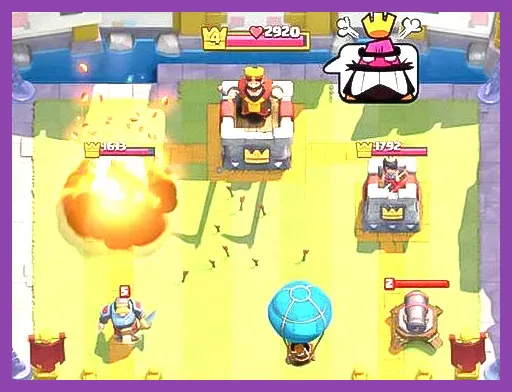
Playing Battle Ram, Bandit, or Hog Rider at the bridge every time the card appears is one of the fastest ways to lose. Your opponent may be holding a hard counter such as Tornado, Goblin Cage, Tesla, or Skeleton Army. Once that counter is revealed, your next attack should change rather than repeat the same placement.
Probe deliberately. A Miner to the safe spot can test whether the opponent has Tornado. A small Hog Rider attack can reveal Cannon or Building placement. A Graveyard push should wait until Poison is out of rotation or until your tank forces the opponent to spend their best answer. These are not random attacks; they are tests that reveal the defensive cards you must track.
Do not launch a counterpush with every surviving troop. If your Valkyrie has low health after defending a Goblin Gang, adding Musketeer and Fireball may create a costly attack that dies to a single Rocket. Sometimes the correct move is to let the damaged unit disappear, cycle a cheap card, and defend the next threat with your full hand available.
Learning to identify defensive roles also helps in other games. Steamoz’s defensive setup guide uses the same principle: preserve resources for the threat that actually matters.
4. Waste Spells and Miss Their Value
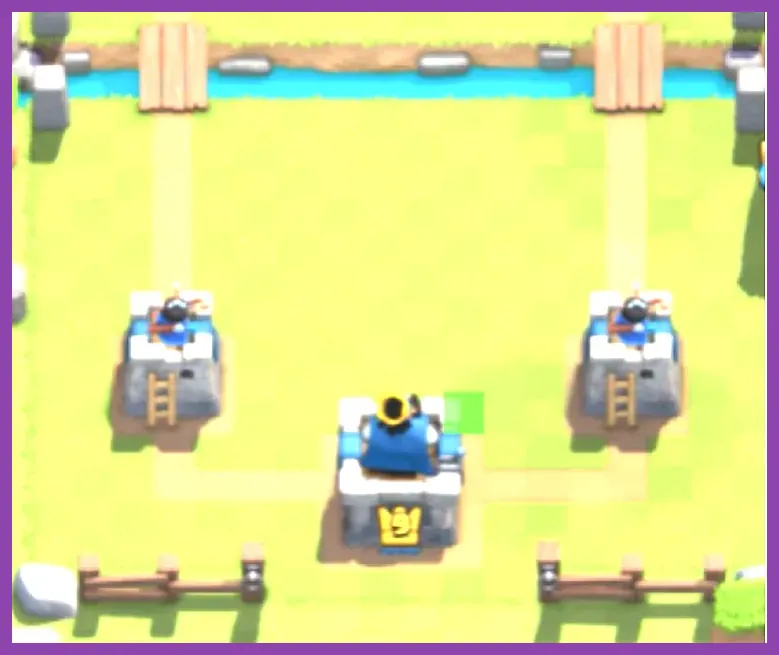
Fireball, Poison, Lightning, Rocket, The Log, Arrows, and Zap should do more than touch a single low-health troop whenever possible. A Fireball that hits only a Musketeer is usually acceptable only when it prevents lethal damage or opens a safe attack. A Fireball hitting Musketeer, tower, and a support unit is a strong three-target exchange.
Do not use The Log instantly against a lone Princess if Goblin Barrel is still in the opponent’s deck. Keep Zap available when your Inferno Tower must reset an Inferno Dragon or Inferno Tower. Save Arrows for Skeleton Army, Minion Horde, or Graveyard unless the tower damage is immediately decisive. Spell cycle is legitimate in the late game, but firing Rocket at the tower while your opponent can punish the opposite lane is not automatically correct.
Recognize spell-resistant threats
Poison is excellent against Graveyard because it controls the spawn area for four seconds, but it is less effective as a panic response to a lone ranged troop. Lightning targets three units or buildings and stuns them, making it valuable against Electro Giant support or a defensive Inferno Tower. Tornado can activate the King Tower against Goblin Barrel, Balloon, or Hog Rider, but a misplaced pull can move a tank closer to your Crown Tower. Practice exact placements in friendly battles before relying on them in a trophy match.
5. Ignore Card Rotation at Your Own Risk
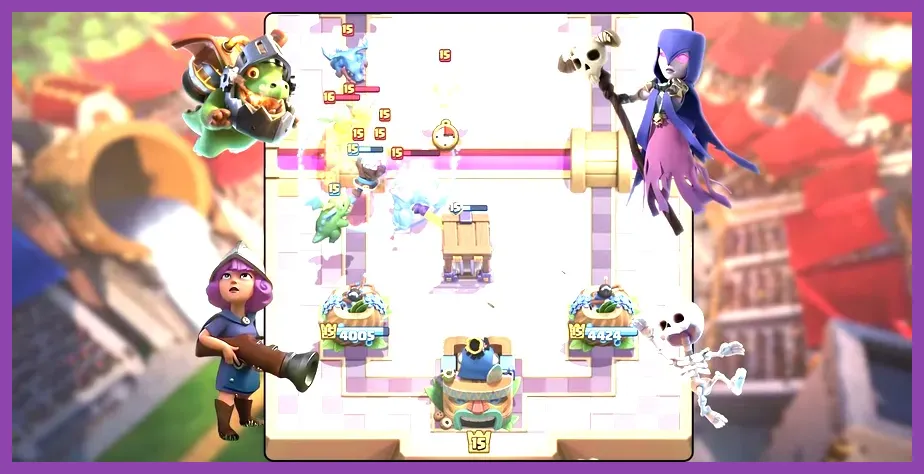
Clash Royale uses an eight-card deck, but you hold only four cards at a time. Every card played moves the next card into your hand, so rotation determines whether your answer is available. If you use The Log against Goblins, then play three other cards, The Log returns. If the opponent’s Goblin Barrel is coming before that rotation completes, you must defend with Skeletons, Tornado, or a tower activation instead.
Track the opponent’s counters as carefully as your own. If their only answer to Hog Rider is Cannon and they just played it, you have a window to attack before Cannon returns. If their Arrows are out of rotation, Goblin Barrel becomes more threatening. Never count only the cards you can see; remember the four-card hand and estimate how many plays are required before a key counter cycles back.
Keep a written mental priority list: their win condition, building, small spell, and strongest tank killer. Your own priority is similar. Avoid cycling a fragile support card just to reach your win condition if doing so removes the only answer to the opponent’s next push.
6. Panic in Double Elixir and Overtime
Double elixir is not permission to place every expensive card at the bridge. It increases the speed of mistakes as much as it increases the speed of attacks. In single elixir, defend with the lowest-cost combination that works. In double elixir, use the extra income to stack a planned push behind a surviving tank or to cycle back to your win condition while maintaining a defensive answer.
At one minute remaining, identify the damage race. If your right tower has 900 health and the opponent’s has 2,000, attacking the healthier lane may be inefficient. Pressure the damaged tower with your primary win condition while using spells only when they secure a connection or stop a lethal counterattack. In overtime, every tower hit matters because the first Crown Tower destroyed ends the match.
Use the final 30 seconds correctly
Do not abandon defense for a desperate three-crown attempt unless your tower is already certain to fall. A single late Balloon, Ram Rider, or Miner can decide the game. Place buildings centrally so they pull units toward the King Tower, protect your tower with cheap distractions, and keep your medium spell for the final support troop. If you are ahead, force the opponent to attack first and cycle defensive cards safely rather than giving them a free counterpush.
Simple Pre-Match Checklist
Before pressing Battle, ask five questions: What is my win condition? What stops enemy air units? What answers tanks? Which card activates or protects my King Tower? Which spell handles the opponent’s swarm? If you cannot answer one of these, change the deck before blaming matchmaking.
Also check card levels and tower level. A level 14 win condition facing level 15 defenders may require extra spell support, while underleveled defensive cards can fail important interactions. Use the official Clash Royale website for current game information and the Supercell Clash Royale support hub for account and update details. Competitive changes can alter card balance, so verify interactions after major balance updates through RoyaleAPI’s live card data.
Finally, review losses by asking which mistake created the losing situation. Was it a negative elixir trade, a predictable attack, a missed spell, or a broken rotation? Fix one repeatable error at a time. That process is more effective than switching decks after every defeat and is the fastest way to avoid the worst Clash Royale mistakes.