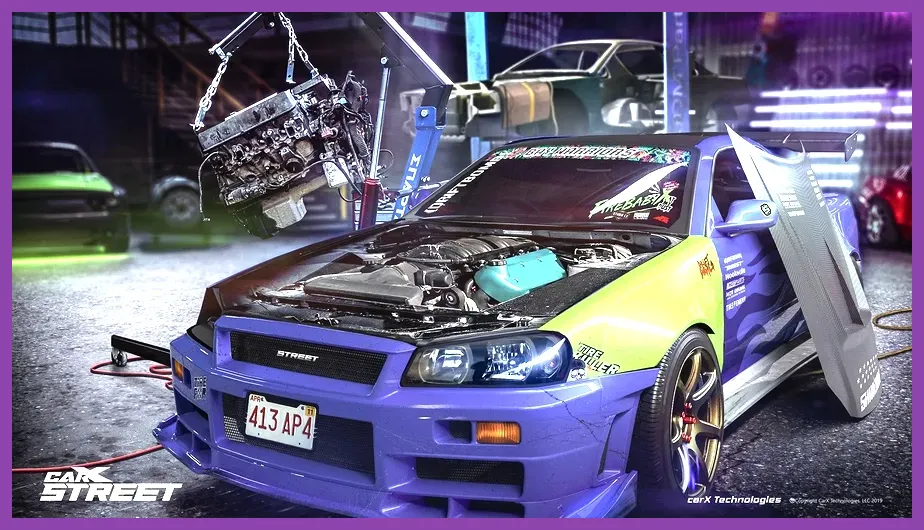
The absolute best starting build in CarX Street is the Praxis 35 (Mazda RX-7 FC equivalent) configured with a Stage 2 ECU upgrade, Street-tier suspension, and semi-slick tires, giving you a balanced 285 horsepower platform that dominates early Sprint and Club events without draining your starter cash. Knowing how to allocate your initial currency is critical because early-game economy scaling is punishing, and wasting cash on cosmetic body kits or premature turbo swaps will lock you out of mandatory club races. If you are familiar with optimizing setups in games like Lenovo Legion Go Best Graphics Settings or balancing resource economy similar to Manor Lords Best Beginner Tips and Tricks, you will appreciate how meticulous tuning directly dictates your progression speed in Sun City.
Choosing Your Starter Vehicle: Praxis 35 vs. Drift Spec
When you load into CarX Street on Steam for the first time, you are given a limited budget to purchase your first reliable ride. Avoid heavy muscle cars or high-tier imports that exceed your starting capital. The Praxis 35 offers an optimal front-mid engine layout with predictable weight transfer, making it superior for both tight drift zones and high-speed grip cornering. Alternatively, if you prefer pure straight-line acceleration, the Z32 alternative provides a V6 platform with higher top-end torque, though its heavy front end requires a more disciplined braking zone approach. Ensure you keep at least 15,000 cash in reserve after purchase for immediate mandatory transmission and tire upgrades.
Core Engine Upgrades for Early Game Dominance
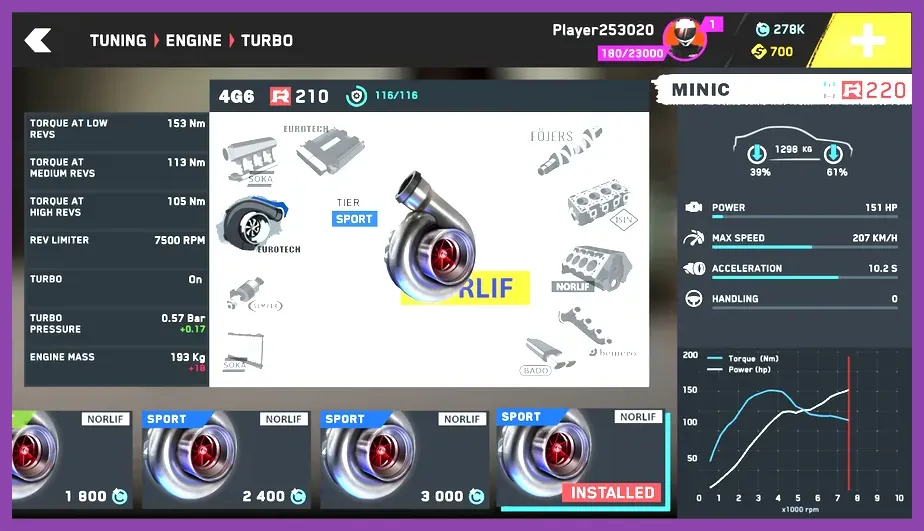
To clear the initial Bloodhounds club boss, your stock horsepower will not cut it. You need an aggressive upgrade path that maximizes cubic inch efficiency without requiring advanced engine blocks. Purchase upgrades strictly in this specific order:
- Exhaust System: Upgrade to Street Manifold and Muffler to boost mid-range torque (+18 HP).
- Air Intake: Install a High-Flow Cone Filter to improve throttle response during corner exits.
- ECU Flash: Stage 1 Electronic Control Unit tuning unlocks higher RPM limits, preventing gear bogging on long straights.
- Fuel System: Upgraded injectors are only required once you jump to the Stage 1 Turbo kit.
Avoid buying intermediate weight reduction packages immediately; the extra weight actually helps keep your rear tires planted during early drift challenges. For more complex progression strategies reminiscent of titles like Lies of P Best Weapons Tier List or character builds in Marvel Future Fight Best Characters Tier List, proper resource allocation remains the absolute foundation of success.
Suspension and Wheel Alignment Tuning

Factory suspension settings in CarX Street are notoriously sloppy, inducing excessive body roll and unpredictable snap oversteer. Head to the tuning garage immediately after your engine mods and apply these baseline numbers for a versatile grip-to-drift hybrid setup:
- Ride Height: Lower the front to 105mm and the rear to 110mm to create a slight forward rake.
- Spring Stiffness: Set Front Springs to 3.2 Hz and Rear Springs to 2.8 Hz.
- Damper Compression: Fast Bump Front at 4500, Rear at 4000.
- Camber: Front Camber at -3.5 degrees, Rear Camber at -1.5 degrees for optimal tire contact patch during high-speed cornering.
- Toe: Front Toe at +0.05 for stability, Rear Toe at 0.00.
This precise geometry ensures your car handles predictably whether you are navigating narrow mountain passes or sliding through downtown city loops. For players balancing multiple mobile setups or optimizing device performance, check out guides like League of Legends Wild Rift Top 10 Strongest Characters for fast-paced competitive insights.
Transmission and Gear Ratios

A great engine and suspension setup will still underperform if your transmission ratios are poorly spaced. Stock gearboxes often have massive gaps between second and third gear, causing massive RPM drops right when you need power out of a tight hairpin turn. Shorten your final drive ratio slightly (moving from 3.9 to 4.1) to boost acceleration at the cost of a slightly lower top speed. Because 90% of early CarX Street events take place on twisting urban roads and tight delivery routes, acceleration and mid-range pulling power vastly outweigh top-end speed. Make sure your first gear is long enough to prevent instant wheelspin off the starting line, but short enough to launch you past rival AI competitors instantly.
Tires and Rim Specifications

Tire compound choice dictates whether your build functions as a dedicated drift machine or a reliable time-attack grip monster. For a well-rounded starting build, purchase Semi-Slick tires for the front axle and keep stock or slightly worn street tires on the rear if you enjoy controlled sliding. If you prefer pure grip racing to farm money quickly, put semi-slicks on all four corners. Rim sizing also affects sidewall flex; stick to 17-inch rims with a medium tire profile rather than massive 19-inch wheels. Smaller wheels with taller sidewalls provide better feedback over bumps and prevent sudden loss of traction when hitting uneven city asphalt or highway expansion joints at 150 mph.
Advanced Club Progression and Cash Farming
Once your Praxis 35 is fully upgraded with the Stage 2 ECU, Street suspension, and custom gear ratios, you are ready to tackle the Speed Hunters and Drift United club bosses. Focus on completing delivery missions and elite time trials between club events to maximize your passive income per hour. Never waste gold currency on immediate repairs or fuel refills; always drive back to your garage or wait out the timer to keep your funds intact for engine swaps down the line. By mastering this starting build path, you will breeze through the opening tiers of CarX Technologies Official Website content and establish a multimillion-dollar garage in record time.