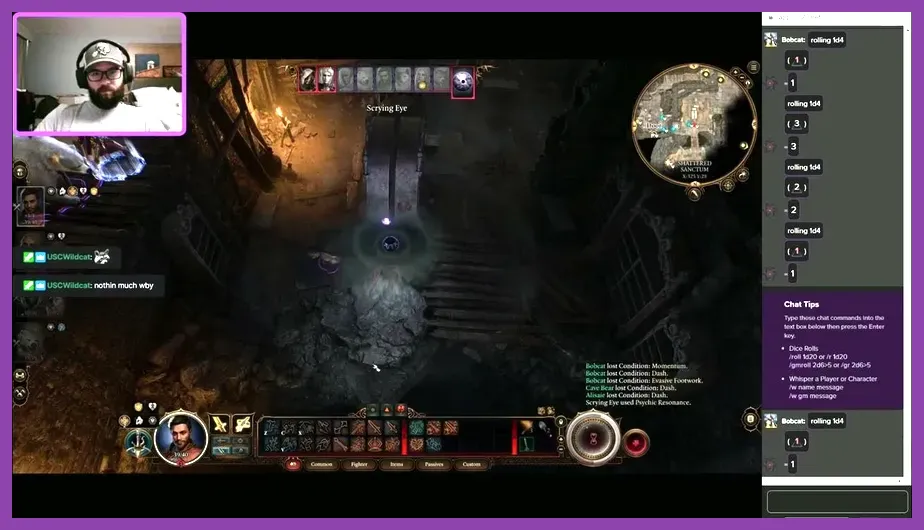
When diving into Larian Studios' masterpiece available on the Steam Baldur's Gate 3 Page, the absolute best skills to prioritize first are Perception, Persuasion, Sleight of Hand, and utility spells like Mage Hand and Longstrider. Securing these proficiencies across your main character and starting companions during Act 1 ensures you bypass lethal encounters, successfully loot locked vaults, and effortlessly pass critical dialogue checks that shape the entire Forgotten Realms campaign.
Why Early Skill Specialization Matters in Act 1
Faerûn is a reactive world governed by Dungeons & Dragons 5th Edition rulesets, meaning every single action, conversation, and trap depends on hidden dice rolls modified by your character sheet. Investing your initial background proficiencies and companion skill pairings wisely saves you countless reloads. For players who love optimizing their runs, checking out advanced tactical setups like those found in the valorant best starting build guide or similar tactical breakdowns highlights the sheer importance of early-game resource efficiency. If you neglect utility and social stats, you will find yourself locked out of crucial vendor discounts, secret passages, and vital lore.
Furthermore, your primary avatar should ideally act as the face of the party. Selecting a background like Guild Artisan or Charlatan instantly grants proficiency in Insight, Persuasion, or Sleight of Hand. This prevents you from failing routine checks when interacting with shady NPCs in the Druid Grove or the Blighted Village. For a deeper look at how character progression scales into later acts, consult resources similar to the destiny 2 tier list all characters and classes ranked for 2026 to understand long-term class viability.
S-Tier Skills to Unlock and Assign First
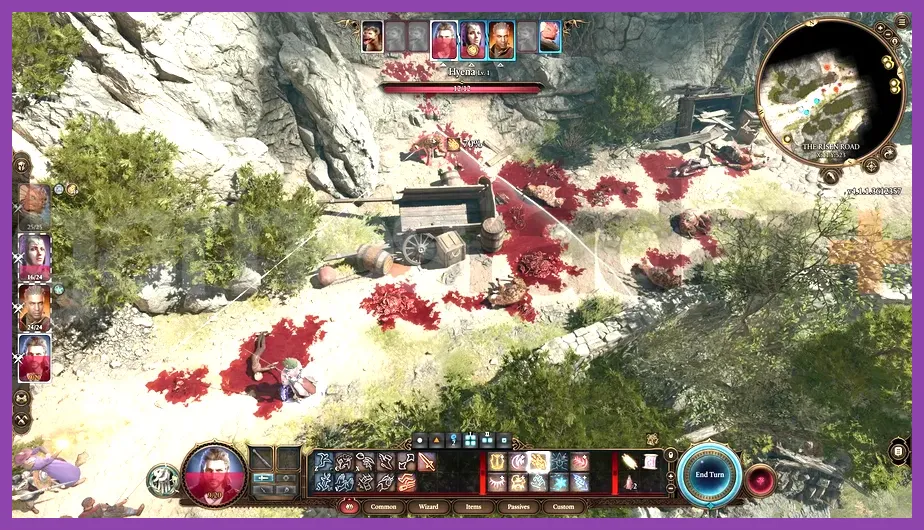
To maximize your survivability and narrative freedom, you must distribute these top-tier skills across your party members immediately:
- Perception (Wisdom): The most frequently rolled passive skill in the game. It triggers automatically when walking past buried chests, hidden levers, tripwires, and explosive traps. Give this to Shadowheart or your main Ranger.
- Persuasion (Charisma): Allows you to talk your way out of boss fights entirely, netting you full quest experience without burning a single spell slot. Essential for Bards, Paladins, and Warlocks.
- Sleight of Hand (Dexterity): Mandatory for lockpicking heavy chests and pickpocketing magical rings from vendor inventories. Astarion should be your designated pickpocket from the moment you recruit him.
- Insight (Wisdom): Unlocks alternative dialogue options that reveal when an NPC is lying, bluffing, or hiding a secret motive.
If you enjoy managing complex economy and inventory loops similar to strategies outlined in the valorant best endgame build and economy guide, having high Sleight of Hand and Charisma will completely break the game's economy in your favor, allowing you to steal high-tier items back from merchants.
Essential Spell-Based Utility Skills for Early Exploration
Beyond traditional D&D skill checks, certain low-level utility spells function as pseudo-skills that alter how you interact with the environment. You should memorize or acquire these via Gale, Wyll, or your custom caster immediately after crash-landing on the beach:
- Longstrider (Transmutation Ritual): A ritual spell that increases a character's movement speed by 3 meters until a long rest. Because it costs no spell slots outside of combat, you can buff your entire party for free every morning.
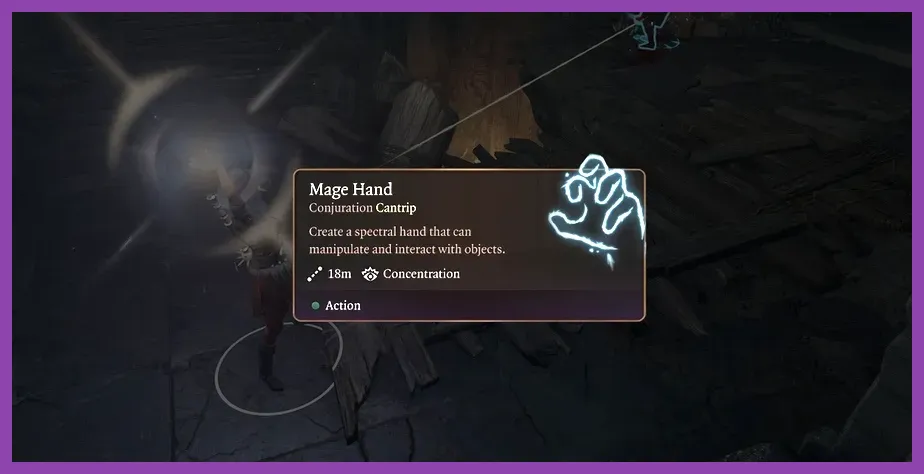
- Mage Hand (Conjuration): Summons a spectral hand that can shove enemies off ledges, throw health potions to downed allies, or press heavy stone buttons across chasms.
- Enhance Leap (Divination): Triples your jumping distance, letting you access hidden cliffside areas, flank goblin archers, and bypass locked gates entirely.
- Feather Fall (Transmutation): Negates all fall damage. Essential for safely dropping down into the Underdark early without losing half your health pool.
Mastering these movement and interaction mechanics is just as important as knowing how to handle high-pressure hardware scenarios, akin to learning how to beat the final boss on steam deck oled when optimizing frame rates and controls during hectic combat sequences.
Character-Specific Skill Allocations and Party Synergy
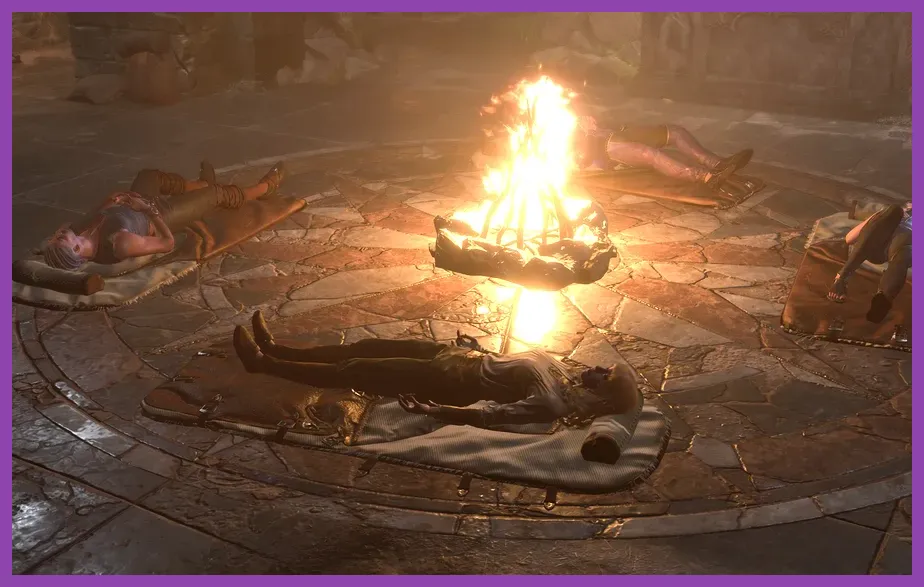
Building a balanced party means never doubling up on skills where you don't need them while ensuring every base is covered. Check out the official Baldur's Gate 3 Official Website to stay updated on patch notes affecting skill scaling. Here is how you should distribute your starting skill proficiencies:
Main Character (The Face and Explorer)
Focus heavily on Charisma and Wisdom. Play a Bard, Paladin, or Rogue to naturally acquire Persuasion, Deception, Perception, and Sleight of Hand. This guarantees you pass the vast majority of interactive dialogue prompts without relying on RNG manipulation.
Companion Skill Mapping
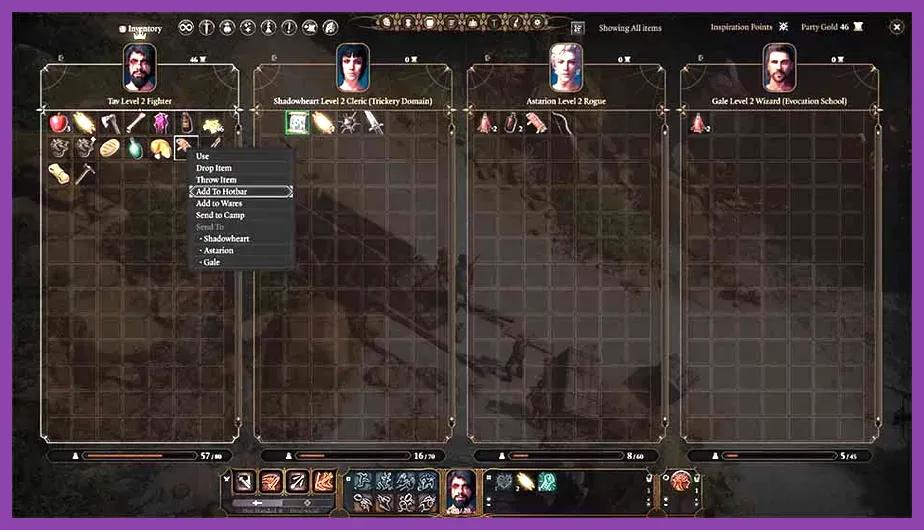
- Astarion (Rogue): Maximize Stealth, Sleight of Hand, Acrobatics, and Perception. He is your ultimate dungeon crawler and trap disarmer.
- Shadowheart (Cleric): Lean into Insight, Religion, Medicine, and Perception. Her high Wisdom makes her fantastic at spotting hidden environmental hazards.
- Gale (Wizard) or Wyll (Warlock): Prioritize Arcana, History, and Investigation. These Intelligence and Charisma skills ensure you successfully identify magical artifacts and lore-heavy tomes.</p>
</ul>
For players transitioning from other tactical RPGs who appreciate defensive setups and optimized frontline mitigation, reviewing strategies comparable to the wuthering-waves-best-defensive-setup or analyzing the wuthering-waves-best-starting-build-guide can help you understand how to protect vulnerable caster backlines in Larian's unforgiving combat encounters.
Avoiding Early Skill Pitfalls and Stat Traps
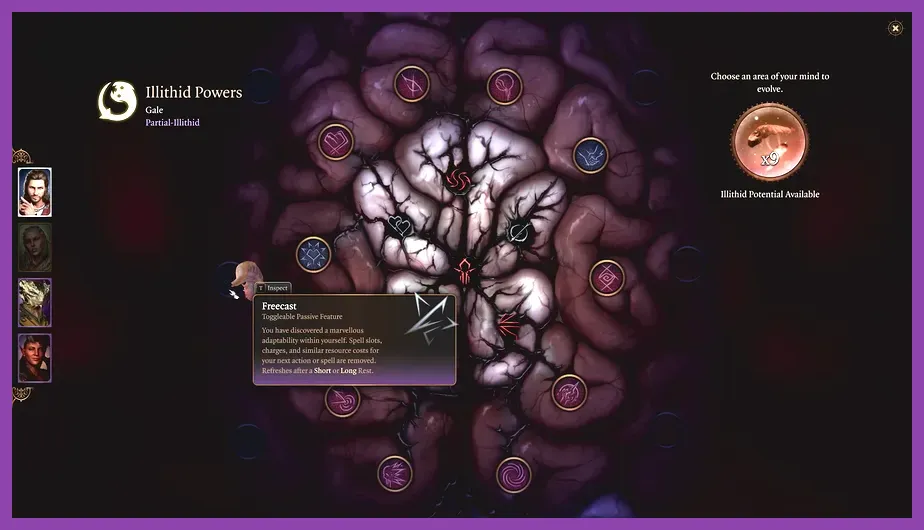
Mind flayer parasites introduce high-risk, high-reward abilities later in Act 1. Many novice players make the mistake of spreading their attribute points evenly across all six stats (Strength, Dexterity, Constitution, Intelligence, Wisdom, Charisma). In D&D 5e, odd numbers do not grant modifiers. Always ensure your core stats land on even numbers (e.g., 16 instead of 15). Furthermore, do not waste skill proficiencies on Strength-based skills like Athletics unless you are running a dedicated Tavern Brawler Barbarian or Fighter built for shoving enemies into bottomless pits.
If you make a mistake during character creation, do not panic. Once you rescue Withers from the Dank Crypt and invite him to your camp for 100 gold pieces, you can completely respec your class, stats, and skill proficiencies at any time. This allows you to experiment with different builds—such as checking out specialized weapon tiers similar to the wuthering-waves-best-weapons-tier-list-2026 or adjusting your input hardware via the wuthering-waves-controller-support-guide if you prefer playing with a gamepad on your PC or Steam Deck.
Transitioning Into Act 2 With Advanced Skills
As you transition out of Act 1 and push toward the shadows of Act 2, your skill checks will scale significantly in difficulty, often requiring DC 15 to DC 20 rolls. This is where expertise features (unlocked by Rogues and Bards at level 1 and level 3 respectively) become game-breaking. Expertise doubles your proficiency bonus for selected skills like Sleight of Hand or Persuasion, making critical failures virtually impossible even against harsh late-game checks.
Combine your high-level skill proficiencies with crowd-control spells like Hypnotic Pattern and Hold Person, and you will dominate every encounter Faerûn throws your way. For additional reading on managing complex resource loops and inventory sorting, take a look at guides like the blue-archive-event-guide-and-rewards or the gear optimization tips in the wuthering-waves-best-echo-armor-sets-and-locations. By prioritizing utility, social manipulation, and trap detection early, your party will breeze through the toughest encounters with tactical precision.