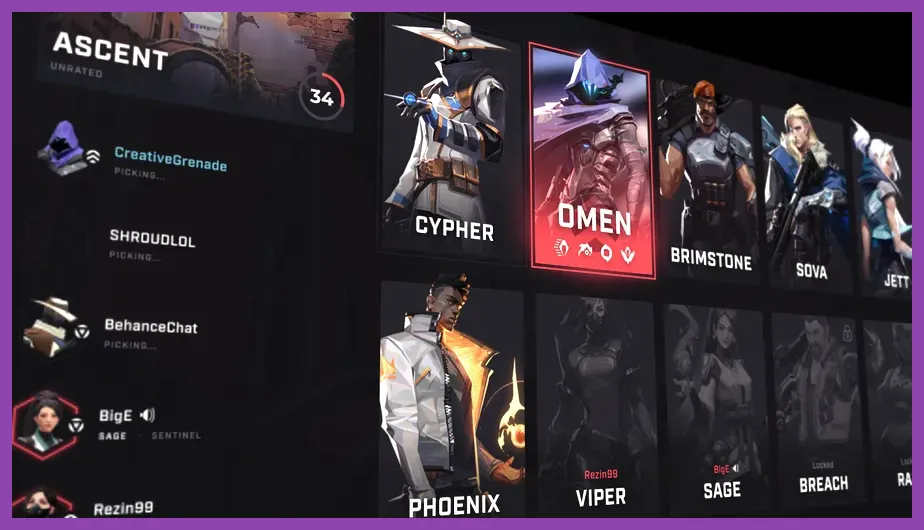
To build the optimal starting setup in Valorant, new and returning players must prioritize accessible Duelists and Initiators like Jett and Sova, configure their economy around reliable low-cost sidearms like the Ghost, and lock in foundational sensitivity profiles between 0.2 and 0.4 with 800 DPI. Mastering this early game blueprint sets the baseline for climbing out of Iron and Bronze into higher ranks.
Understanding Agent Roles and Starting Recommendations
Choosing the right agent class dictates how you approach map control and entry skirmishes. When starting out, you want characters with forgiving mechanics, strong individual impact, and utility that provides high information value. Jett remains an S-Tier starting Duelist because her Tailwind dash allows players to escape poor positioning errors, while Sova provides critical reconnaissance via Recon Bolt that directly teaches map awareness.
For players who prefer supporting the team through area denial, Controller agents like Brimstone offer straightforward utility smoke placements that require minimal line-up memorization compared to Viper or Clove. If you enjoy anchoring sites and punishing aggressive pushes, Sentinel agents like Killjoy or Cypher teach disciplined holding patterns, ensuring you never overextend during crucial defensive rounds.
Top Starting Agents Ranked
To maximize your win rate out of the gate, focus on mastering these foundational agents:
- Jett (Duelist - S-Tier): High mobility, smokes, and an ultimate that rewards raw aim mechanics without costing economy credits.
- Sova (Initiator - S-Tier): Exceptional information gathering through Recon Bolt and Owl Drone, essential for coordinated site hits.
- Brimstone (Controller - A-Tier): Simple three-smoke deployment tablet and stim beacon for fast team pushes.
- Killjoy (Sentinel - A-Tier): Autonomous utility that watches flanks while you focus purely on crosshair placement and gunfights.
For more insights on hardware setup and optimizing your frame rates to ensure crisp hit registration during these agent abilities, check out our guide on PS5 Pro Endgame Build Guide and apply similar performance tuning principles to your PC.
Pistol Round Economy and Loadout Strategy
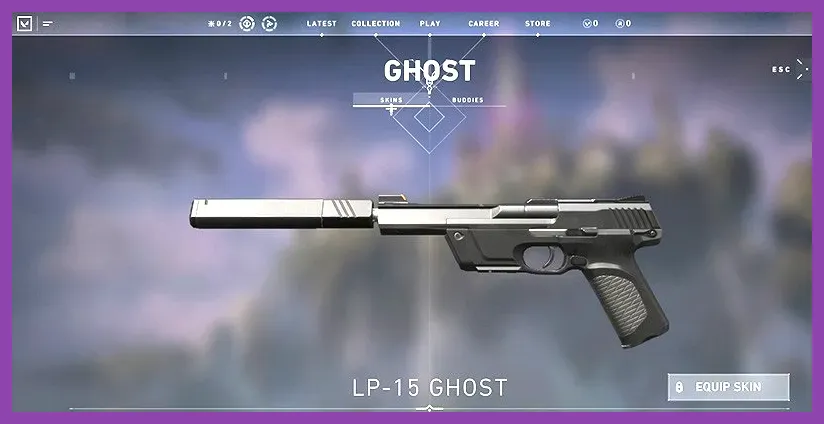
Round 1 and Round 2 dictate the economic momentum of the entire half. Spending your 800 starting credits efficiently avoids falling into an early economy trap. The most mathematically sound starting build for the pistol round is purchasing the Ghost pistol combined with Light Shields (Armor), or opting for the Classic paired with two utility abilities and Light Shields.
The Ghost offers a one-tap headshot kill against unarmored opponents at close to medium range, making it the premier choice for players confident in their first-bullet accuracy. Alternatively, if your agent relies heavily on critical utility to win rounds—such as Sage's Healing Orb or Omen's Dark Cover—investing in full abilities alongside the baseline Classic pistol guarantees maximum strategic pressure.
Managing the Second-Round Bonus
If your team wins the pistol round, your starting build strategy shifts instantly into anti-eco preservation. Buy an upgraded submachine gun like the Spectre or a rifle like the Bulldog, and always purchase Heavy Shields. This loadout makes you virtually unkillable by enemies forced to buy Classic pistols or short-range Frenzys. Avoid risky peeks, maintain tight crosshair placement, and deny the enemy team any chance of a miraculous armor-saving comeback.
If you enjoy exploring optimization mechanics across different competitive tactical games, you might also find our deep-dive on Overwatch 2 Best Skills to Unlock First informative for understanding how character progression builds mirror tactical shooter economics.
Primary Weapon Progression: Vandal vs. Phantom
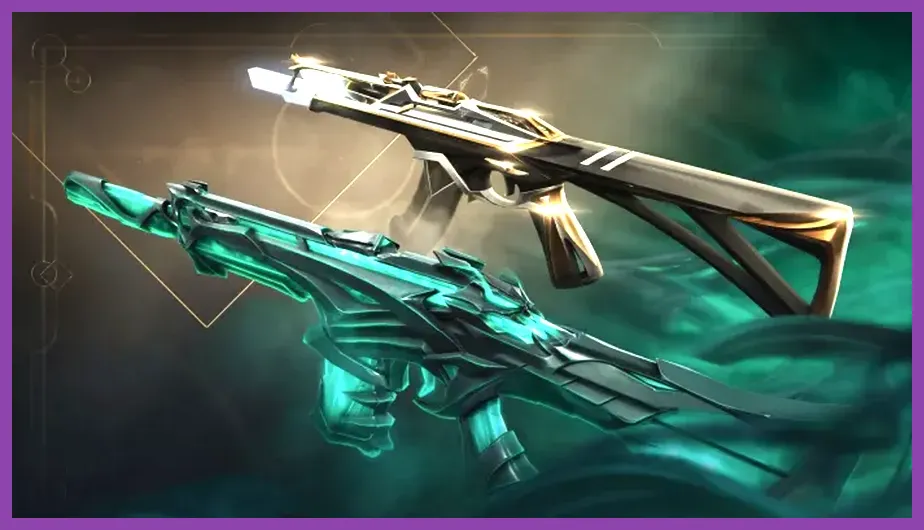
As you transition into full-buy rounds (where teams accumulate 3,900+ credits), your primary weapon choice defines your combat engagement profile. The eternal debate between the Vandal and the Phantom boils down to range, spray control, and target lethality. The Vandal costs 2,900 credits and inflicts 160 damage to the head at any range, meaning a single bullet instantly eliminates an opponent regardless of whether they possess Heavy Shields.
Conversely, the Phantom also costs 2,900 credits but features a higher fire rate (11 rounds per second vs. the Vandal's 9.75), a larger magazine size (30 rounds vs. 25), and suppressed tracers that conceal your bullet trails when firing through smokes. However, the Phantom suffers from damage drop-off: past 15 meters, a headshot deals only 140 damage, failing to secure a one-tap kill against full shields. Tailor your starting weapon build to your map pool; choose the Vandal on long-range maps like Breeze and Ascent, and pick the Phantom for close-quarter chaos on Split and Bind.
Mastering Spray Recoil Patterns
Every weapon in Valorant features a fixed recoil pattern for the first 8 to 10 shots. When executing your rifle build in the practice range, practice pulling your mouse smoothly downward to counteract vertical climb, followed by gentle horizontal corrections. To refine your overall tactical mechanics further, review our breakdown on Portal 2 How to Get Legendary Weapons for parallel progression mindsets.
Mouse Sensitivity and Crosshair Configuration
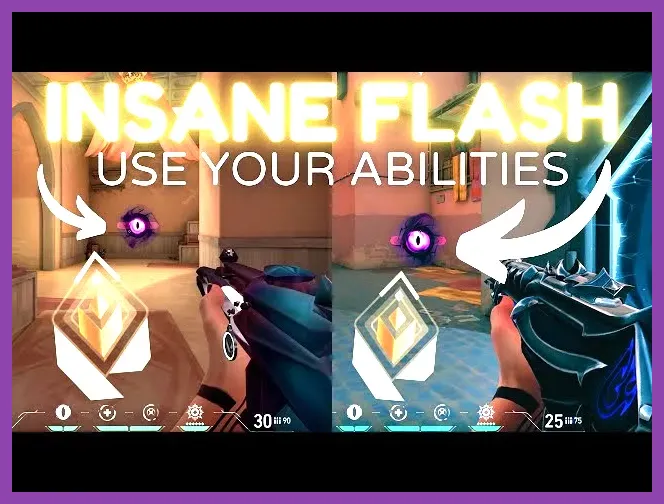
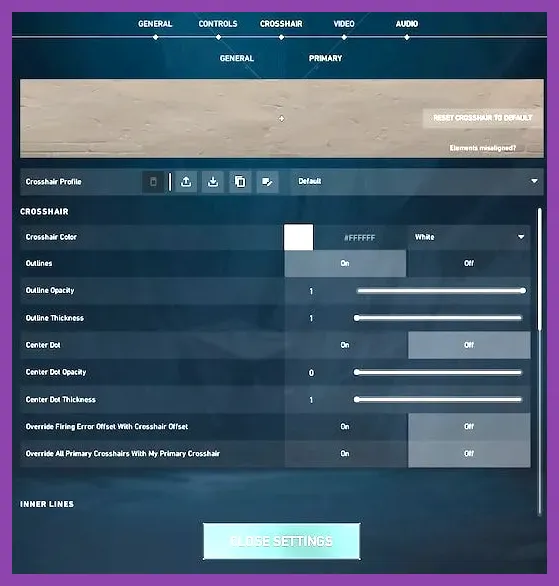
Hardware settings form the invisible backbone of any successful starting build in Valorant. High mouse sensitivity introduces micro-jitter that ruins your first-shot accuracy. Professional players typically utilize an eDPI (Effective Dots Per Inch, calculated as Mouse DPI multiplied by In-Game Sensitivity) ranging between 200 and 400. For instance, setting your mouse to 800 DPI and your in-game sensitivity to 0.35 yields an eDPI of 280, providing the ideal balance of fast 180-degree turns and granular micro-adjustments.
Your crosshair should remain static, compact, and brightly colored (cyan or green provide optimal visual contrast against maps like Lotus and Pearl). Disable firing error and movement error multipliers entirely so your visual reticle does not distract you from the actual recoil reset timing of your weapon.
Mastering Utility Synergy and Combat Rotations
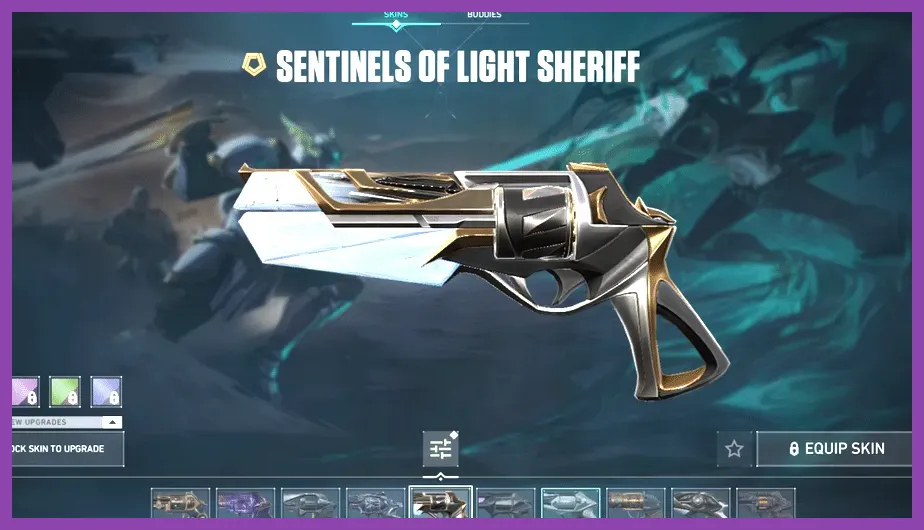
Raw aim alone will stall your rank progression once you hit Gold and Platinum lobbies. The true hallmark of an elite Valorant player is seamless utility integration. Always deploy your flashes and smokes with explicit intent—never throw utility blindly unless you are attempting a desperate stall. Coordinate your agent abilities with your teammates' audio cues to create crossfires that overwhelm defenders.
When attacking a bomb site, your initiator should deploy scouting utility within the first three seconds of the barrier dropping. This flushes out holding defenders, allowing your duelists to trade opening kills swiftly. Keep your economy balanced by communicating with your team during buy phases; never force-buy alone when your teammates are saving, as isolated engagements hand the enemy free multi-kill opportunities.
Advanced Resource Management
Proper credit management ensures that your team never experiences a staggered economy where two players have rifles while three are stuck on pistols. If your team total drops below 10,000 credits collectively, call a full save round. Utilize cheap utility and Classic pistols to farm exit kills or save weapons for the subsequent round.
For players diving into other competitive experiences that demand strict resource management and build efficiency, consult our guides on Once Human Best Starting Build for Early Game and Remnant 2 How to Farm Gold and Scrap Fast to sharpen your overarching tactical execution.