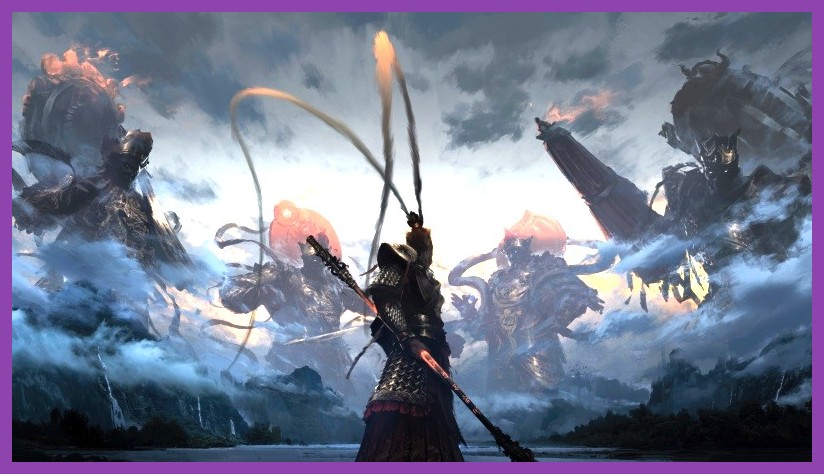
If you’ve spent countless hours swinging that golden staff, dodging celestial spear thrusts, and marveling at the gorgeous Chinese mythology woven into every frame of Black Myth: Wukong, you know the feeling: there’s always something just beyond the next ridge. The game rewards curiosity, tucking away hidden groves, forgotten temples, and even secret boss arenas that only the most observant wanderers uncover. In this guide, we’ll walk you through every known secret location, share tips on how to spot them, and explain why hunting them down is worth the extra effort—whether you’re after rare loot, lore tidbits, or just the bragging rights of having seen it all.
What Are the Secret Locations in Black Myth: Wukong?
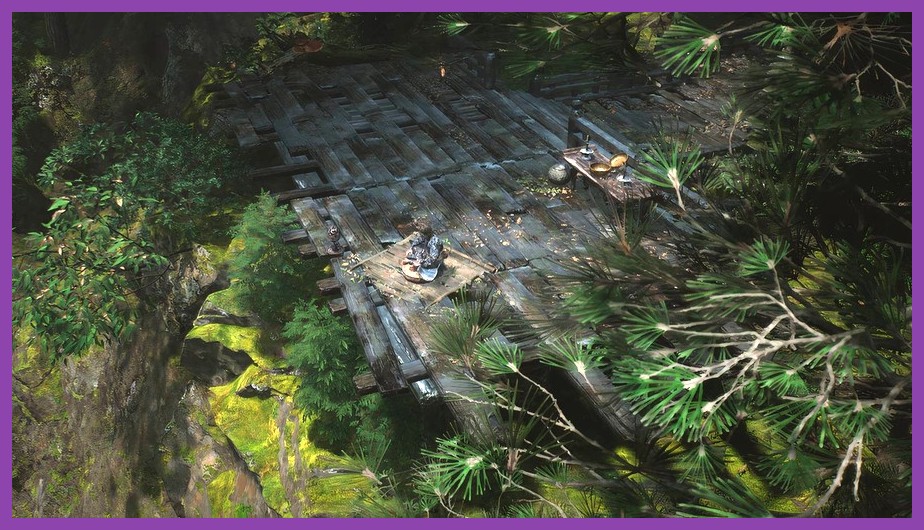
Before we dive into the map, let’s clarify what we mean by “secret.” In Black Myth: Wukong, secrets aren’t just invisible walls or glitchy out‑of‑bounds areas. They are deliberately crafted spaces—often tied to side quests, rare enemy spawns, or unique environmental storytelling—that the main path doesn’t highlight. Think of them as the game’s love letters to players who love to explore. Some grant powerful crafting materials, others unlock hidden lore entries, and a few even lead to optional boss fights that can dramatically shift your build options.
One of the coolest aspects is how these secrets often feel like mini‑stories within the larger narrative. For instance, the Hidden Bamboo Forest isn’t just a pretty backdrop; it ties directly into an early legend about the Monkey King’s first encounter with a mischievous forest spirit. Discovering it feels like you’re uncovering a lost chapter of the myth.
If you’re looking for a quick refresher on the core mechanics before you start hunting, check out our final boss guide for combat tips that also apply to many hidden encounters.
Where to Find the Hidden Bamboo Forest
One of the earliest secret areas you can stumble upon is the Hidden Bamboo Forest, tucked away behind a seemingly ordinary waterfall in the first act. To reach it, head to the misty cliffside near the Village of the Fallen and look for a thin cascade that barely registers on the minimap. Swing your staff at the water’s base; if the droplets part just right, a narrow passage opens behind the falling water.
Inside, the forest glows with an ethereal green light, and you’ll encounter a unique enemy type: the Bamboo Sentinel. Defeating it drops Jade Leaf Essence, a crafting component used to upgrade the staff’s sweep attack. This area also houses a stone tablet that reveals a fragment of the Monkey King’s early training—perfect for lore hunters.
But the forest isn’t just about combat. Scattered among the stalks are small shrines where you can leave offerings. If you deposit three Jade Leaf Essences, a hidden chest appears containing a Phoenix Feather that boosts your fire resistance for a limited time. It’s a neat little risk‑reward loop that encourages you to farm the sentinel a few times before moving on.
For more on upgrading your gear using rare materials, swing by our ELDEN RING rune farming guide—the principles of resource hunting translate nicely across titles.
How to Unlock the Forgotten Temple
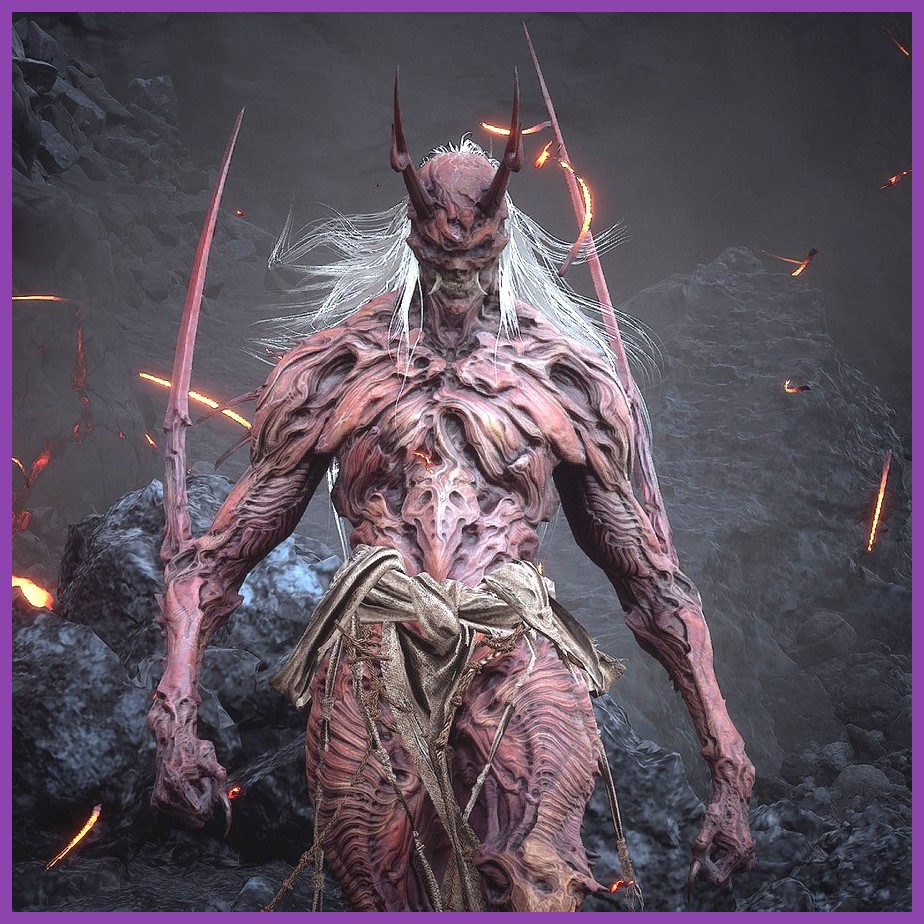
Deep within the second act’s rocky canyon lies the Forgotten Temple, a structure that looks like it’s been swallowed by the earth itself. The entrance is concealed behind a breakable wall that only reacts to a fully charged heavy attack. Look for a cracked stone slab with a faint glowing rune near the large stone statue holding a lantern.
Once inside, you’ll find a series of puzzles that involve rotating stone discs to align celestial symbols. Solving them grants access to the inner sanctum, where a dormant spirit awaits. Defeating the spirit yields the Celestial Bell, a trinket that increases your spirit regeneration rate by 15%.
The temple’s architecture is a nod to ancient Daoist monasteries, and the walls are covered in faded murals that depict the Monkey King’s journey to the West. If you take the time to examine each panel, you’ll unlock a short lore entry that explains why the temple was abandoned—apparently, a celestial miscalculation caused the structure to sink.
For those who love a good challenge, there’s a hidden timed trial tucked behind a secondary wall. Activate the pressure plate near the entrance, then sprint through a series of collapsing platforms to reach a chest that holds a Storm Core. This component is essential for forging the Thunderous Staff upgrade, which adds lightning damage to your combos.
If you enjoy puzzle‑heavy exploration, you might also like our ARC Raiders crafting guide, which breaks down how to gather rare components for high‑tier gear.
Secret Boss Lair: The Celestial Cavern
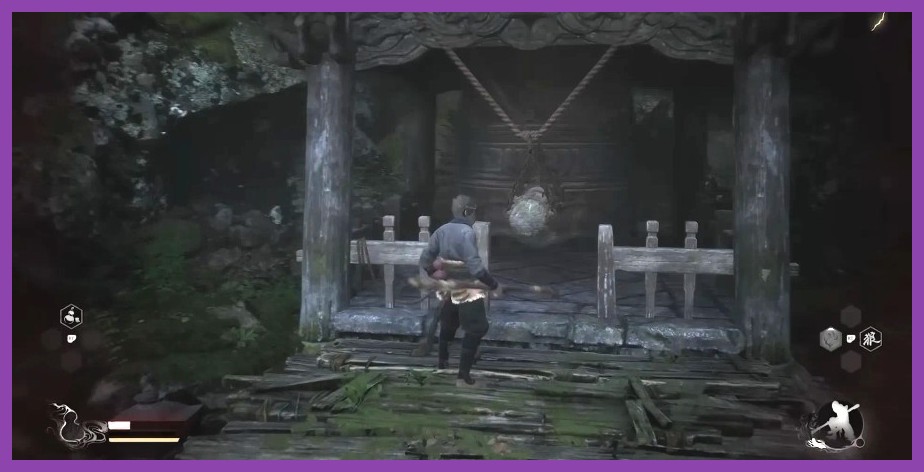
Perhaps the most talked‑about secret is the Celestial Cavern, a hidden arena that houses an optional boss known as the Star‑forged Ape. To locate it, travel to the Sky‑reach Plateau after completing the main story’s third chapter. Look for a cluster of floating islands that appear only when the in‑game time is set to night (you can adjust the time via the resting mechanic).
When you step onto the central island, a shimmering portal opens, pulling you into the cavern. The Star‑forged Ape fights with a mix of ranged star‑burst attacks and close‑quarter staff combos. Its phase one involves summoning miniature meteors that you must dodge while closing the distance. In phase two, it gains a shield that reflects projectiles, forcing you to rely on melee.
Defeating it rewards the Astral Staff Skin (purely cosmetic) and a large chunk of Stardust Shards, which can be exchanged at the wandering merchant for rare upgrade materials. Additionally, the boss drops a unique Star Core that can be slotted into your amulet to increase critical hit chance by 8%.
For a deep dive into boss patterns and optimal dodging timings, our Path of Exile 2 skill unlock guide offers a similar approach to learning enemy tells.
If you’re struggling with the timing, try equipping the Wind Walker Boots (found in the Hidden Bamboo Forest) to increase your dash distance. The extra mobility makes it easier to evade the star‑burst barrage and close in for punishing combos.
Tips for Spotting Hidden Paths and Easter Eggs
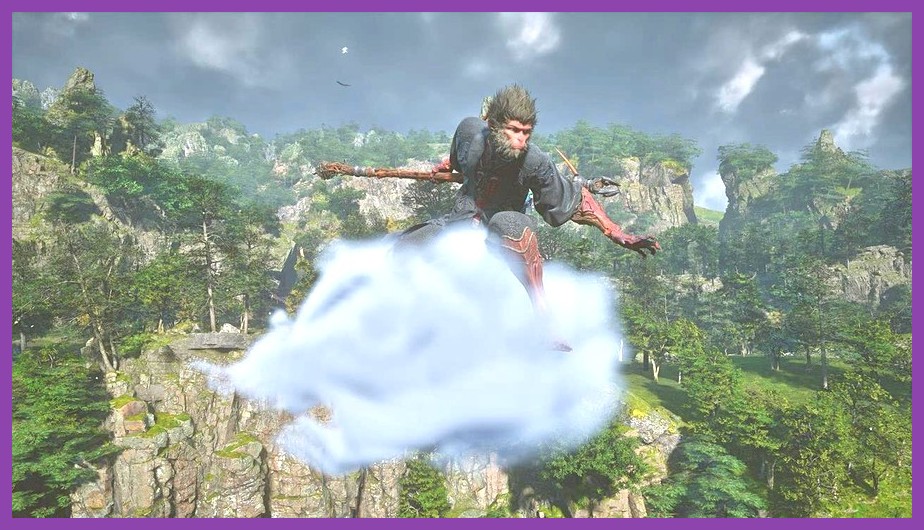
Beyond the major secret locations, Black Myth: Wukong is littered with smaller Easter eggs—like a tucked‑away tea set that references a classic Chinese poem, or a graffiti tag that nods to another beloved title from the same developer. Here are a few practical tips to sharpen your explorer’s eye:
- Listen for subtle audio cues: a distant chime or a faint wind howl often signals a hidden passage.
- Check the environment for visual inconsistencies: textures that look slightly out of place, or a patch of grass that doesn’t sway with the wind.
- Use the photo mode (if available) to freeze frames and scrutinize corners you might miss while moving.
- Experiment with different attack types; some walls only break under a charged light attack, others need a heavy slam.
- Follow the scent of incense or the glow of lanterns—developers love to hide secrets near atmospheric markers.
- Check the map for tiny, almost invisible icons that appear only when you’re within a certain radius; they often mark secret entrances.
Another handy trick is to revisit areas after acquiring new abilities. Some walls that were impervious early on become breakable once you unlock the Earthshatter Slam skill, which you can earn by completing a side quest in the Jade Valley.
If you want to see how other players have documented their finds, the community hub on the game’s Steam page hosts countless screenshots and guides that can point you toward overlooked spots.
Final Thoughts: Is It Worth Hunting All Secrets?
At the end of the day, chasing every secret in Black Myth: Wukong is a personal quest. For completionists, the payoff includes unique cosmetic items, powerful crafting resources, and lore that deepens your appreciation of the game’s mythological roots. For casual players, even uncovering just one or two hidden areas can break the monotony of the main path and give you a fresh sense of wonder.
We’ve seen players spend hours just wandering the bamboo forest, listening to the wind chimes, and experimenting with different staff swings to see what breaks. Those moments of quiet experimentation are often where the game shines brightest—reminding us that the best adventures aren’t always the ones with the biggest boss health bars.
If you’re on the fence, try this: pick one secret location that sounds fun, set a modest goal (like finding the Hidden Bamboo Forest), and see how it feels. Chances are you’ll be hooked and want to keep exploring.
Happy exploring, and may your journeys be filled with surprise and delight.