
Understanding Arc Raiders Crafting Basics

Arc Raiders drops you into a relentless sci‑fi skirmish where the difference between victory and defeat often lies in the gear you can forge. Crafting is the heartbeat of the game, turning salvaged scrap into weapons, armor, and utility items that directly affect your survivability and damage output. Before you start hunting for rare alloys, you need to grasp three core concepts: resource acquisition, blueprint progression, and crafting station upgrades.
Resource acquisition involves scouting the map for nodes that yield metal, crystal, and organic compounds. Each node type respawns on a timer, so learning the most efficient routes saves precious minutes. Blueprint progression unlocks new recipes as you level up or complete specific challenges; higher‑tier gear demands rarer components and often requires a refined crafting station. Upgrading your station reduces crafting time and can lower the material cost for certain items.
For a quick refresher on controls and UI navigation, check out the guides section on Steamoz, which breaks down the basics in plain language. If you enjoy the loot‑driven loop of Arc Raiders, the pc-games hub highlights similar titles worth exploring.
Stay updated on the latest patch notes that may tweak material drop rates by visiting the official Steam page.
Essential Materials for Early-Game Success
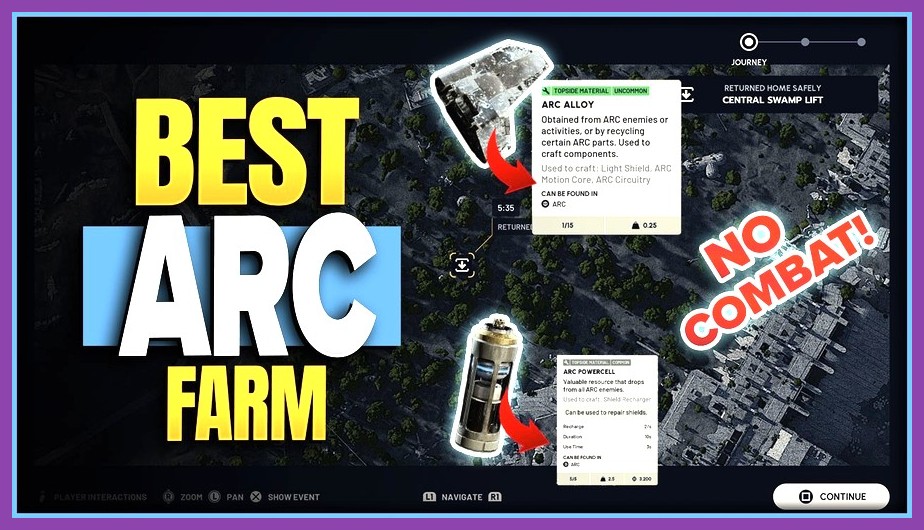
When you first step onto the battlefield, your inventory will be empty and your options limited. Focusing on a handful of easy‑to‑find resources lets you build a solid foundation without wasting time on elusive rare drops. The three materials that matter most in the first hour are Salvaged Iron, Polymer Fiber, and Charged Crystal.
Salvaged Iron is harvested from ruined vehicle husks and scattered metal debris. These nodes appear frequently in the outskirts of each map and respawn every 90 seconds. A single node yields 8‑12 iron chunks, enough to craft a basic assault rifle or a lightweight chest plate. Polymer Fiber comes from broken synth‑organic containers found near abandoned outposts; each container drops 4‑6 fibers, which are essential for crafting grips, recoil reducers, and early‑game armor linings.
Charged Crystal, despite its name, is relatively common in the glowing fissure zones that dot the map’s mid‑section. Mining a crystal node gives you 3‑5 shards, used to power energy weapons and to upgrade your crafting station’s efficiency. Prioritizing these three resources lets you unlock the starter blueprints within the first 20 minutes of play.
To see how early‑game gear impacts squad performance, read our guide on mastering squad synergy, which explains how complementary loadouts boost team survivability. For the most current patch notes that may adjust drop rates, visit the official Arc Raiders website.
Mid-Tier Resources: Where to Farm and How to Optimize

Once you have a reliable iron‑fiber‑crystal supply, the next step is to chase mid‑tier materials that unlock stronger weapons and defensive mods. These resources are less abundant but offer a significant power spike when incorporated into your loadout. The key mid‑tier components are Titanium Alloy, Nano‑Weave Fabric, and Plasma Core.
Titanium Alloy is mined from deep‑vein deposits located in the rocky canyons of the map’s western edge. Each vein yields 5‑7 alloy pieces and has a respawn timer of about four minutes. Because the veins are often guarded by hostile patrols, consider bringing a scout or a sniper to clear the area before mining. Nano‑Weave Fabric is salvaged from destroyed drone swarms; each swarm leaves behind 2‑4 fabric bundles that are perfect for crafting stealth coatings and advanced armor plating.
Plasma Core is the most volatile of the three, extracted from overheated reactor cores found in central facility zones. A single core provides 1‑2 plasma units, which are essential for crafting high‑damage energy rifles and shield generators. To maximize your yield, set up a temporary forward base near a reactor and rotate squad members to keep the area secure while others harvest.
Efficient farming hinges on route planning. Use the in‑game map marker system to flag nodes you’ve already cleared, and rotate through them in a clockwise pattern to minimize backtracking. For additional tips on optimizing your squad’s movement and positioning, see the performance settings guide—though aimed at another title, its advice on minimizing latency applies equally to fast‑paced shooters like Arc Raiders.
Stay updated on any balance changes that could affect node spawn rates by following the Steam news hub for Arc Raiders.
Advanced Crafting: Rare Components and Elite Gear

Veteran players who want to dominate the leaderboards must pursue rare components that drop only from high‑risk encounters or special events. These materials enable the creation of elite weapons, exotic armor sets, and unique utility items that can turn the tide of a match. The most sought‑after rare components are Void‑Infused Alloy, Quantum Lattice, and Bio‑Lumen Essence.
Void‑Infused Alloy appears only after defeating the occasional elite boss that spawns in the map’s central arena. Each boss drop yields 1‑2 alloy pieces, which are required for crafting the flagship Raven‑Spear sniper rifle and the Aegis Plate chest armor. Because boss fights are time‑limited, coordinating with your squad to focus fire and manage cooldowns is crucial.
Quantum Lattice is harvested from rare anomaly zones that appear after a successful wave defense. These zones glow with a distinct purple hue and contain 3‑4 lattice fragments per spawn. The lattice is essential for crafting plasma‑charged grenades and the phase‑shift cloak, a piece of gear that grants temporary invisibility.
Bio‑Lumen Essence is extracted from mutated flora found in the map’s bioluminescent caves. Each plant yields a single essence droplet, used to brew potent stimulants that boost reload speed and damage resistance for a short duration. Gathering essence requires careful navigation, as the caves are often littered with environmental hazards.
To see how these rare items fit into end‑game builds, consult the ELDEN RING rune farming guide—while set in a fantasy world, its methodology for mapping high‑value resource locations translates well to scouting for Void‑Infused Alloy and Quantum Lattice.
For the latest event schedules that boost rare drop rates, keep an eye on the official events calendar.
Crafting Efficiency Tips: Reduce Waste and Maximize Output

Even the most skilled raiders can lose precious resources through inefficient crafting habits. Wasting materials not only slows your progression but also forces you to spend extra time farming nodes that could be better spent on combat. Adopting a few simple practices can dramatically improve your output per hour.
First, always check the blueprint’s material cost before committing to a craft. The UI displays a tooltip that shows the exact quantity of each component required; hovering over a recipe reveals any optional modifiers that could increase the cost. If you notice a recipe asks for more of a resource than you currently have, pause and gather the deficit rather than over‑crafting a sub‑optimal item.
Second, batch‑craft whenever possible. Many weapons and armor pieces allow you to queue multiple copies in a single crafting session. By selecting the “craft all” option, the game reduces the overhead of loading the crafting screen repeatedly, saving you a few seconds per item—seconds that add up over dozens of crafts.
Third, recycle unwanted gear. The salvage system returns a percentage of the original materials based on the item’s rarity. Salvaging a common‑grade rifle might give you back 50 % of its iron and fiber, while a rare weapon returns up to 75 %. Make it a habit to break down duplicates or outdated gear before heading back out to the field.
Finally, keep your crafting station upgraded. Each upgrade level cuts the base crafting time by 10 % and can reduce material costs for specific tiers by up to 5 %. Investing the early‑game currency you earn from matches into station upgrades pays off quickly, especially when you start churning out mid‑tier gear.
For a deeper dive into optimizing resource loops in similar titles, see the MW2 attachment meta guide, which emphasizes minimizing waste through smart loadout choices.
Best Crafting Loadouts for Different Playstyles
Arc Raiders accommodates a variety of combat approaches, from aggressive rush tactics to methodical long‑range sniping. Your crafting choices should reflect your preferred role, ensuring that each piece of gear synergizes with your squad’s overall strategy. Below are three proven loadouts that cater to distinct playstyles, complete with the materials you need to prioritize.
1. Assault‑Focused Rush This build emphasizes high fire rate, mobility, and close‑quarter durability. Core items:
- Assault Rifle Viper‑MkII – requires 20 Salvaged Iron, 12 Polymer Fiber, 4 Charged Crystal
- Lightweight Chest Plate – 15 Iron, 8 Fiber, 2 Crystal
- Stimulant Injector (Bio‑Lumen Essence) – 2 Essence for a 30‑second damage boost
2. Sniper‑Support Long Range Ideal for players who prefer to pick off enemies from a distance. Core items:
- Sniper Rifle Raven‑Spear – needs 8 Void‑Infused Alloy, 6 Quantum Lattice, 3 Plasma Core
- Ghillie Cloak (Nano‑Weave Fabric) – 10 Fabric for stealth
- Rangefinder Mod (Titanium Alloy) – 5 Alloy for increased zoom
Allocate time to hunt elite bosses for Void‑Infused Alloy and defend anomaly zones for Quantum Lattice. Titanium Alloy veins in the western canyons provide the necessary alloy for the rangefinder.
3. Defensive Tank / Anchor This role absorbs damage and creates space for teammates. Core items:
- Heavy Chest Plate Aegis Plate – 25 Void‑Infused Alloy, 15 Nano‑Weave Fabric, 10 Plasma Core
- Shield Generator – 12 Plasma Core, 6 Titanium Alloy
- Repair Drone (Polymer Fiber) – 8 Fiber for automated hull repair
Prioritize boss drops and anomaly zones for the rare alloys, while maintaining a steady supply of Polymer Fiber from drone swarms for the repair drone.
Mix and match elements from these loadouts to suit your squad’s composition. For more inspiration on team synergies, revisit the squad synergy guide, which breaks down how each role contributes to overall victory.
Community Resources and Future Updates
The Arc Raiders community is active and constantly sharing new tips, route maps, and crafting calculators that can shave hours off your grinding time. Engaging with these resources not only keeps you informed but also lets you contribute your own discoveries.
Start with the official Discord server, where developers post patch previews and answer questions about upcoming crafting changes. The server’s #crafting‑tips channel often features user‑generated spreadsheets that calculate the exact material needed for any given blueprint, factoring in station upgrade levels.
Reddit’s r/ArcRaiders subreddit hosts weekly Material Monday threads, where players share the most efficient farming routes for each resource type. These threads are invaluable when a new map rotation alters node spawn locations.
If you prefer video content, several creators on YouTube maintain regularly updated crafting guides. Look for series titled Arc Raiders Crafting 101 that walk through each tier of gear with live demonstrations.
Looking ahead, the developers have hinted at a forthcoming Expedition Mode that will introduce exclusive resources tied to timed events. Preparing a stockpile of versatile materials like Titanium Alloy and Polymer Fiber will give you a head start when those events launch.
Stay plugged into the Steamoz guides section for future Arc Raiders tutorials, and check the pc-games category for related titles that might inspire new strategies.