
When The Last of Us Part I initially landed on Steam, it dragged along a nightmare of shader compilation pauses, CPU bottlenecks, and aggressive VRAM leakage that left even powerhouse rigs crying for mercy. While official patches from Iron Galaxy and Naughty Dog stabilized the baseline code, the passionate modding community on the Nexus Mods TLOU community stepped up to finish the job. From frame-generation backports that double your frame rate to custom camera injectors that liberate the suffocating default field of view, the right mods convert this port from an unoptimized showcase into the definitive edition of Joel and Ellie's journey.
Whether you're gearing up for a brutal Grounded run or just want to explore post-pandemic Boston with jaw-dropping visual clarity, tweaking your install is essential. Much like applying critical fixes in other heavy PC ports—as we have seen with ELEX PC fixes that stop crashes and rescue your FPS—a handful of surgical file swaps can completely revitalize your gameplay loop. Here are the finest, most transformative mods currently available for The Last of Us Part I on PC.
Essential Performance and Engine Fixes: Salvaging Frame Pacing
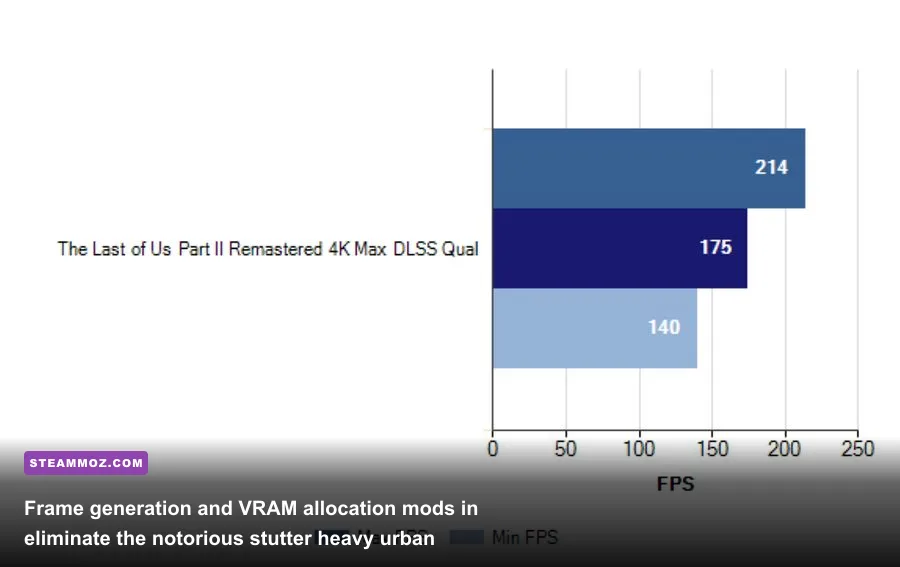
Before you touch cosmetics or overhaul combat mechanics, you have to stabilize your frame delivery. The PC port of The Last of Us is notoriously demanding on memory bus bandwidth. Even modern GPUs with 8GB of VRAM frequently encounter hard stutters when traversing complex volumetric areas like the flooded Pittsburgh Hotel or Bill’s booby-trapped streets in Lincoln. These low-level engine mods bypass those software bottlenecks entirely.
The standout utility here is the DLSS 3 to FSR 3 Frame Generation Bridge (commonly adapted via LukeFZ or PureDark implementations). The vanilla game only natively provides DLSS Super Resolution and older FSR iterations out of the box. By injecting driver-level frame generation into DirectX 12 render pipelines, GPUs from Nvidia's RTX 20-series, RTX 30-series, and AMD's RX 6000-series can effectively double their frame output. If you're running at 1440p or 4K, this single tweak turns a choppy 52 FPS slog through the Financial District ambush into a silky-smooth 95+ FPS shootout.
To go hand-in-hand with frame generation, you'll want the TLOU Engine Tweaker & Memory Allocator Fix. This mod rewrites how the engine streams background texture mipmaps into your GPU's VRAM buffer. By preventing the game from aggressively dumping and reloading identical high-resolution textures every time Joel turns his flashlight toward a wall, it virtually eliminates frame-time spikes that cause micro-stutters during intense Clicker encounters.
| Performance Mod | Primary Target | Expected FPS / Stability Gain | System Compatibility |
|---|---|---|---|
| FSR 3 / DLSS Frame Gen Bridge | Frame pacing and raw output | +60% to +90% Framerate | RTX 20/30 Series, AMD RX 6000/7000 |
| TLOU Engine Tweaker | VRAM buffer management & streaming | Eliminates 1% low frame dips | All systems, especially 8GB VRAM cards |
| Shader Cache Accelerator | Launch times and CPU overhead | Cuts initial boot shader check by 75% | High core-count CPUs (Ryzen 7, Intel i7) |
| Ultra-Wide HUD Anchor Fix | 21:9 & 32:9 Aspect Ratio Display | Fixes UI stretching; zero FPS cost | All Ultrawide monitors |
Dialing in performance is crucial before tackling harder encounters. If you enjoy maximizing hardware efficiency in modern titles, checking out our guide on Far Cry 6 settings for max FPS offers similar high-yield optimization strategies that balance visual punch with blistering response times.

🎮 FORM
Looking to experience this game? Grab your digital key directly on our store for $14.99.
View on Steammoz Store →Gameplay and Quality-of-Life Overhauls: Fine-Tuning Survival

Vanilla The Last of Us Part I features remarkably tight encounter design, but its console-first roots mean several PC-specific concessions were overlooked. Chief among these is the restrictive, over-the-shoulder field of view. While a narrow camera works well on a living-room television, sitting two feet away from a high-refresh PC monitor makes it disorienting. Enter the Custom FOV & Freecam Injector.
This mod lets you dial back the camera from the restrictive default 70 degrees up to a comfortable 90 or 100 degrees without distorting the reticle alignment of Joel’s Hunting Rifle or El Diablo revolver. The widened peripheral vision lets you catch stalking Infected crawling through peripheral shadows in the Boston Underground tunnels, transforming tactical awareness without trivializing the threat.
Next up is the Configurable Weapon Sway & Recoil Realism Mod. On mouse and keyboard, the artificial reticle drift applied to Joel’s 9mm pistol and Shorty shotgun can feel arbitrary rather than physical. This mod balances accuracy mechanics: it replaces artificial mouse resistance with genuine, predictable weapon inertia. Quick-scoping headshots still require trigger discipline, but landing hits feels earned rather than dictated by an invisible RNG bloom box.
Finally, for dedicated survivalists, the Hardcore Resource Rebalancer elevates Grounded mode to terrifying heights. Instead of arbitrarily turning enemies into damage sponges, it reduces ammunition drops to absolute scarcity, enhances Stalker pathfinding aggression, and requires actual tactical retreats when your Shiv stash breaks against a Clicker grab.
Visual and Audio Immersion: Perfecting the Atmosphere

Even though Naughty Dog rebuilt assets from the ground up for this release, the game occasionally leans heavily on a green-tinted color grade that washes out contrast in exterior sequences. Visual purists can turn to Photorealistic Cinematics Reshade to reclaim realistic atmospheric depth. This profile neutralizes harsh chromatic aberration, deepens black levels inside claustrophobic fungal nests, and introduces subtle, physically based bloom that reacts naturally to Joel's flashlight.
If you've experienced rendering bugs or lighting quirks common in unpolished ports—like those addressed in our breakdown of EscapeVR: The Basement crashing and low FPS fixes—you know how much poor visual tuning ruins tension. With a tailored Reshade preset, the rain-slicked pavement outside the State House reflects streetlights with authentic wet-surface specular highlights that make every puddle look incredible.
| Mod Title | Category | Immersion Impact | Installation Complexity |
|---|---|---|---|
| Photorealistic Cinematics Reshade | Visual Overhaul | Removes tint; restores pitch-black night dynamic range | Easy (Reshade.me injector) |
| Classic PS3 Audio Dynamic Mix | Audio Restoration | Restores punchier original acoustic gunshot echoes | Moderate (.psarc file swap) |
| Gore Decal Persistence | Visual Fidelity | Blood splatters and bullet impacts remain permanently | Low (Engine config edit) |
| Subtle Flashlight Beam Mod | Lighting / FX | Removes unrealistic artificial halo around flashlight | Easy (Direct folder drop) |
Audio is half the terror in survival games. The Classic PS3 Audio Dynamic Mix rebalances sound staging on PC. The remastered port softened the explosive crack of the shotgun and the visceral crunch of melee pipe strikes to accommodate spatial home theater systems. This restoration injects raw, uncompressed dynamic punch back into stereo headphones, ensuring every Clicker screech down a pitch-black hospital corridor sends shivers down your spine.
Cosmetic and Character Model Swaps: Nostalgia Meets Chaos

Once you've tuned performance and immersion to your liking, the cosmetic modding scene offers an entertaining treasure trove. Leading the pack is the Classic 2013 Joel & Ellie Overhaul. If you grew up on the original PlayStation 3 release, the updated, visibly weathered face models in the remake might feel subtly unfamiliar. This mod restores the iconic 2013 facial structures and classic dirty plaid textures while keeping the remake's cutting-edge hair physics and pore-level facial animation intact.
For players who appreciate crossover designs, the The Last of Us Part II Wardrobe Injection ports over Ellie’s Seattle winter jacket, Dina's military pack, and Joel’s weathered Jackson town attire. These assets are matched to the remake's skeleton rigs, meaning you won't suffer bizarre texture stretching or clipping during real-time cutscenes.
Want a complete shift in tone? Community creators have also built fully functional First-Person Camera Modes. Experiencing the claustrophobic basement of the Pittsburgh Hotel with a Bloater charging straight at your screen from a true first-person viewpoint redefines the horror factor. It turns a polished action-adventure into an unrelenting, heart-pounding survival simulation.
Step-by-Step Mod Installation Strategy and Conflict Prevention

Unlike games that use a single universal mod manager, The Last of Us Part I on PC handles its assets inside packed archive formats, primarily .psarc containers. Installing mods incorrectly can corrupt your game files and force a brutal 75GB Steam file re-validation. To keep your mod list clean and stable, follow this golden installation routine:
- Back Up Your Game Binaries: Before dropping custom DLLs or modified executables into your install folder, copy your root directory's
build/pc/mainfolder to an external backup directory. - Prioritize Archive Injectors: Modern mods rely on file injectors (like the TLOU Mod Tool) rather than directly replacing the original multi-gigabyte
.psarcfiles. These injectors mount custom loose files on top of the base game at runtime without altering core archives. - Watch for Game Version Mismatches: Whenever Naughty Dog issues an official patch via the The Last of Us Part I Steam store page, injected DLLs like frame-gen bridges or FOV hooks will likely break. Keep your mod versions synced with the game build listed in the official patch notes on the Naughty Dog developer blog.
- Clear the PSO Shader Cache: Whenever you install or remove graphics-heavy mods, delete the contents of your
%LOCALAPPDATA%\Naughty Dog\The Last of Us Part I\Shadersfolder. This forces the engine to compile clean pipeline state objects, stopping inexplicable desktop crashes upon loading your campaign save.
Fine-tuning hardware overhead for resource-hungry ports is an art form. If you're building or configuring a balanced gaming PC to handle ambitious modern releases, you might also want to read our analysis on Fatal Fury: City of the Wolves PC specs explained or discover troubleshooting tips in Filament Marmalade Edition settings for higher FPS to keep your rig running cool and quiet.
With these performance fixes, camera liberations, and visual upgrades dialed in, The Last of Us Part I on Steam finally fulfills its original promise: delivering an absolute masterpiece of emotional storytelling, intense stealth mechanics, and uncompromised PC performance.