Ever stared at a massive MMORPG roster and felt like you were about to step into a labyrinth with no map? You’re not alone. New players often get tangled in steep learning curves, endless gear tables, and guild politics that feel more like corporate boardrooms than virtual taverns. The good news? Not every MMO is a fortress of complexity. In 2026, several titles have refined the onboarding experience, offering intuitive tutorials, forgiving progression, and vibrant communities that actually help you learn the ropes. Whether you’re looking for a free‑to‑play adventure you can jump into without a subscription or a polished subscription service that rewards your time with story‑driven content, there’s a perfect starter world waiting. Let’s break down what makes a game beginner‑friendly, spotlight the top five options, and give you a roadmap to get from “noob” to confident hero without pulling your hair out.
What Makes an MMORPG Beginner‑Friendly?
Before we dive into the game list, it helps to know the ingredients that turn a massive multiplayer sandbox into a welcoming playground. Below are the core pillars most newcomers appreciate.
Simple, Clear UI
A cluttered interface is the silent killer of early enthusiasm. Games that group essential actions—movement, abilities, chat, and inventory—into clean, resizable panels let you focus on the adventure instead of hunting for the “use potion” button. Final Fantasy XIV is praised for its minimalistic HUD that even a first‑time player can master after a single tutorial run.
Guided Tutorials and Quest Hubs
Effective tutorials do more than show you how to press a button; they embed you in the story while teaching mechanics. Look for games that feature “quest hubs” where NPCs hand you clear, bite‑size objectives and the game tracks your progress visually. Steamoz’s XP farming guide often references such hubs as a best practice for new players.
Flexible Progression
Hard‑core MMOs can punish a missed level with gear gaps that feel impossible to bridge. Beginner‑friendly titles provide multiple pathways—crafting, questing, PvP, or even casual daily challenges—to earn experience and gear at a comfortable pace. This flexibility means you won’t feel forced into a grinding marathon the moment you finish the intro zone.
Welcoming Community
Even the best UI can’t replace a helpful guild or friendly strangers. Look for games with robust mentorship programs, beginner‑focused Discord servers, or in‑game “new player” tags that signal veterans to offer assistance. Communities that celebrate learning over competition make the journey far more enjoyable.
Top 5 Beginner‑Friendly MMORPGs

Now that we know what to look for, here are the five titles that consistently rank high for newcomers in 2026. Each offers a unique flavor, so you can pick the world that matches your playstyle.
1. Final Fantasy XIV (PC, Subscription)
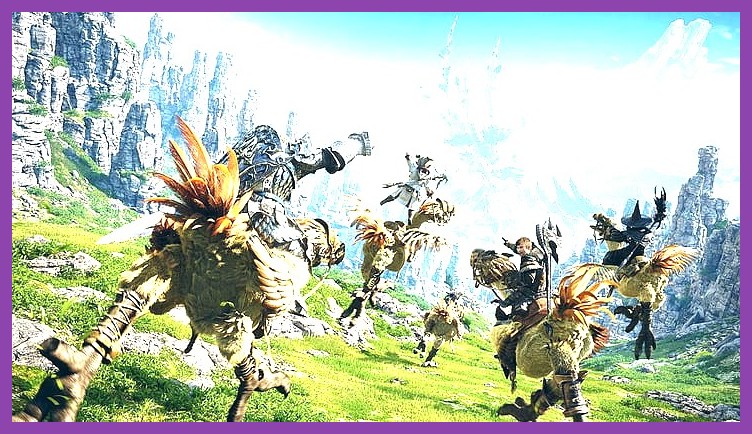
Final Fantasy XIV (FFXIV) has become the gold standard for newcomer onboarding. Square Enix invested heavily in a storyline‑driven tutorial that feels like a cinematic intro rather than a bland text dump. The game’s “A Realm Reborn” launch zone teaches combat, crafting, and social interaction in bite‑size quests, and the UI remains uncluttered even as you acquire more abilities. The subscription model (≈$15/month) grants access to all expansions, so you never hit a paywall that forces you to switch to a “free” version with limited content. For a deeper dive, check out the official Final Fantasy XIV website. If you’re curious about how to optimize performance, our Steamoz performance guide covers the best settings for a buttery‑smooth experience.
2. Guild Wars 2 (PC, Free‑to‑Play with Optional Expansions)
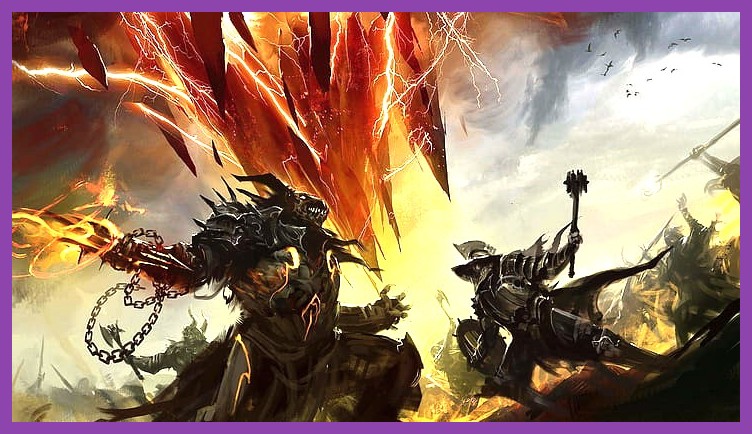
Guild Wars 2 (GW2) shines with its “no‑mandatory subscription” model and a dynamic event system that replaces traditional grind‑heavy questing. The game’s “Living World” updates keep content fresh, and the “Map Completion” tracker visually shows you what you’ve explored, making it easy to see progress. GW2’s skill bar is drag‑and‑drop friendly, and the “Personal Story” quests guide you through the lore while teaching combat basics. The core game is free, with optional expansions like “Heart of Thorns” that add new professions and maps for those ready to invest more.
3. The Elder Scrolls Online (PC, Subscription + Buy‑to‑Play Options)
ESO blends the beloved single‑player Elder Scrolls feel with MMO scale. The “Tutorial Island” gently introduces movement, combat, and crafting before you set foot on the continent of Tamriel. Unlike many MMOs, ESO offers a “buy‑once, play forever” model (currently $40) with optional DLCs, meaning you won’t be locked out of core content after a trial period. The game’s “Adventure Map” lets you see quest locations at a glance, and the community is known for being helpful to newcomers. Official site: Elder Scrolls Online.
4. Black Desert Online (PC, Free‑to‑Play)
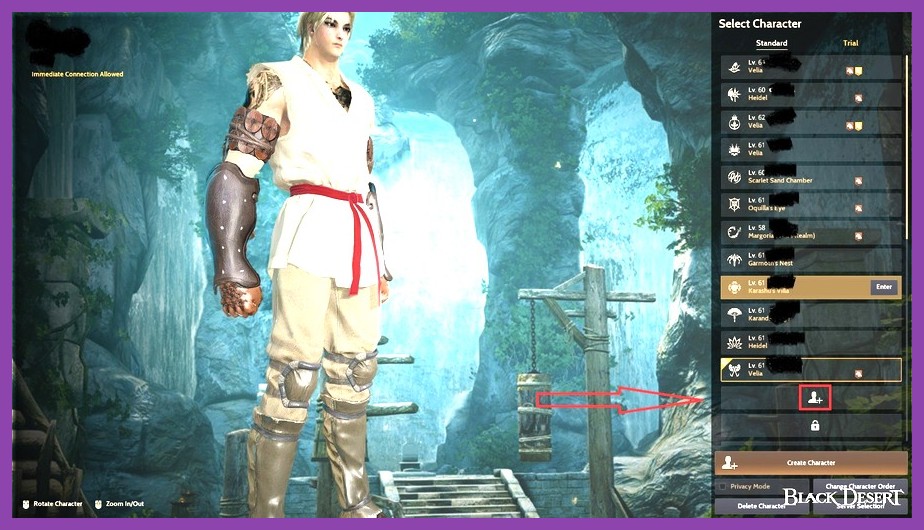
Black Desert Online (BDO) has a reputation for deep combat, but the developers have added a “Beginner’s Guide” series that walks you through the complex character creation, life‑skill systems, and combat combos. The free‑to‑play model means you can start without spending a dime, though there are optional cash shop items. BDO’s gorgeous graphics and fluid action combat are a visual treat, and the “Node Management” system lets you earn passive income without endless grinding—a perfect way to stay motivated early on.
5. RuneScape 3 (PC, Free‑to‑Play + Membership)
RuneScape 3 is the granddaddy of browser‑based MMOs that transitioned to a full‑client experience. Its “Tutorial Island” is a classic step‑by‑step guide that covers everything from basic movement to combat spells. The game’s skill system is sandbox‑style, allowing you to progress at your own pace. While the free tier offers a generous amount of content, a modest membership unlocks additional quests and areas, giving you room to grow as you become more comfortable.
How to Get Started Quickly
Choosing a game is only half the battle. Here’s a cheat‑sheet to jump from account creation to first boss kill without feeling lost.
1. Follow the Main Quest Line
Every beginner‑friendly MMO has a “main storyline” that doubles as a tutorial. Resist the urge to wander off into side content until you’ve completed at least the first three major chapters. This ensures you unlock essential abilities, transportation methods, and UI shortcuts.
2. Join a New‑Player Guild
Most games have guilds that label themselves as “New Player Friendly.” Search the guild finder (or Discord) for tags like “RP‑Novice” or “Casual Help.” A supportive guild will answer questions, share loot, and even run “level‑boost” parties for you.
3. Set Up Your UI Early
Spend a few minutes in the settings menu to resize or move action bars, enable key‑binds you’re comfortable with, and turn on “quest tracker” overlays. A clean UI reduces cognitive load and makes you look more professional in raids later on.
4. Use In‑Game Help Resources
Most MMOs ship with searchable codexes, video tutorials, and community‑generated wikis. Bookmark the official wiki for quick reference. For example, the Steamoz guide on legendary weapons shows how similar systems work in many games.
5. Play the Daily/Weekly Events
Daily quests and weekly events are designed to give you a steady stream of XP, gold, and gear without long grinding sessions. Treat them as “practice rounds” to test new abilities and learn the combat flow.
Free‑to‑Play vs Subscription: What’s Best for Newbies?
One of the biggest decisions for a newcomer is whether to dive into a free‑to‑play (F2P) title or commit to a subscription. Both models have pros and cons.
Free‑to‑Play Advantages
Zero upfront cost means you can test the waters without financial commitment. Most F2P games, like Guild Wars 2 and Black Desert Online, offer generous starter packs and regular events that keep the experience fresh. However, be aware of “pay‑to‑win” mechanics—some titles lock the best gear behind microtransactions.
Subscription Benefits
Subscriptions usually guarantee a level playing field and continuous content updates. Final Fantasy XIV’s subscription gives you access to all expansions, ensuring you never hit a content wall. The monthly fee also funds ongoing server maintenance and community events, resulting in a more stable experience.
Hybrid Models
Games like Elder Scrolls Online let you buy the base game once and then optionally subscribe for premium benefits (fast travel, crafting discounts, etc.). This hybrid approach offers flexibility: you can start free or cheap, then decide if the extra perks are worth the subscription.
Common Pitfalls and How to Avoid Them
Even with the best onboarding, new players stumble. Here are the most frequent mistakes and quick fixes.
1. Ignoring the Tutorial
Skipping the tutorial may seem tempting, but you’ll miss critical UI cues and combat fundamentals. Treat the tutorial as a “training ground” rather than a chore.
2. Over‑Investing in One Skill Tree
Many MMOs let you specialize early, but this can lock you out of versatile content later. Aim for a balanced build—mix damage, utility, and survivability—until you understand your preferred playstyle.
3. Buying Gear Too Early
Microtransactions can be tempting, but early gear purchases often become obsolete after the first major expansion. Focus on learning mechanics; the gear will catch up.
4. Not Using the Community
Forums, Discord servers, and in‑game guild chats are gold mines for tips. If you’re stuck, a quick search on Steamoz Guides or a friendly guildmate can save hours of frustration.
5. Forgetting to Take Breaks
MMOs are designed for long sessions, but burnout is real. Set a timer, stretch, and come back refreshed. A rested mind spots hidden quests and avoids costly mistakes.
Choosing the right MMORPG as a beginner can shape your entire gaming journey. Whether you gravitate toward the story‑rich world of Final Fantasy XIV, the dynamic events of Guild Wars 2, or the sandbox freedom of RuneScape 3, the key is to start small, lean on community resources, and enjoy the ride. Ready to log in? Grab a headset, join a guild, and remember: every veteran was once a fresh‑spawn with a question mark over their head. Happy adventuring!