Street Fighter Duel has taken the mobile fighting scene by storm, blending the iconic roster of Capcom’s legendary franchise with fast‑paced, card‑style battles that you can jump into anytime, anywhere. Whether you’re a veteran of the arcade cabinets or a newcomer looking to test your reflexes, understanding which fighters sit at the top of the meta is crucial for climbing the ranks and melting bosses in record time. In this deep‑dive, we break down the Street Fighter Duel character tier list explained from S to D, give you the reasoning behind each placement, and share practical tips for building a team that actually works. Grab your controller, sharpen your combos, and let’s see which warriors deserve a spot on your bench.
What is Street Fighter Duel?
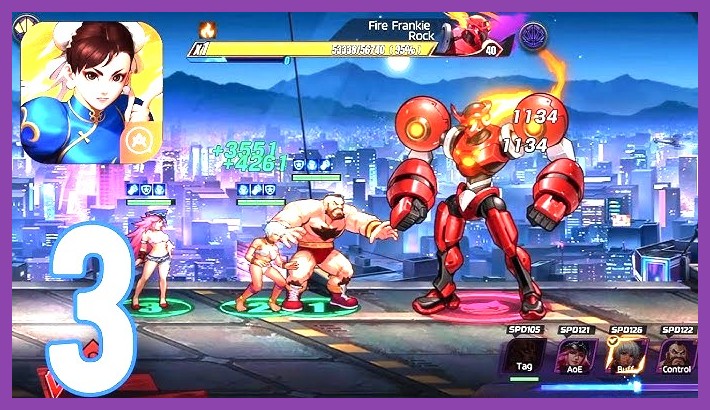
Street Fighter Duel launched as a free‑to‑play title on iOS and Android, bringing the beloved Street Fighter universe into a collectible‑card battle format. Instead of traditional joystick inputs, you assemble a team of three fighters, each represented by a card with unique stats, special moves, and passive abilities. Battles unfold automatically, but you can trigger special attacks at key moments to turn the tide. The game mixes RPG progression—leveling up characters, unlocking awakenings, and equipping gear—with the tactical depth of choosing which fighters complement each other’s strengths and weaknesses.
Because the combat is largely hands‑off once the fight begins, success hinges on pre‑match preparation: picking the right characters, synergizing their abilities, and equipping gear that amplifies damage or survivability. This is where a solid tier list becomes indispensable. Knowing which fighters consistently perform well across different modes—story, versus, and boss rushes—helps you invest your limited resources wisely.
For a quick refresher on the game’s core systems, check out the official Capcom page Street Fighter Duel – Official Site. You’ll also find useful overviews on our sister guides such as the Street Fighter Duel Best Damage Dealers Guide, which dives into the mechanics behind boss‑melting damage.
How the Tier List Works: S, A, B, C, D Tiers Explained
Tier lists in Street Fighter Duel are not arbitrary; they are built from win‑rate data, damage output averages, survivability metrics, and community feedback across high‑level play. The tiers are generally defined as follows:
- S‑Tier: Characters that dominate the meta. They excel in multiple game modes, possess high damage scaling, versatile skill sets, and often have abilities that synergize well with almost any teammate.
- A‑Tier: Strong contenders that are slightly niche or require specific team compositions to shine. They are still excellent picks for most players.
- B‑Tier: Situational fighters. They can be powerful in the right context—such as countering a particular enemy type—but may fall short in general play.
- C‑Tier and Below**: Characters that are outclassed by higher tiers in almost every scenario. They might still be fun to play or useful for completing specific challenges, but they are not recommended for competitive climbing.</li>
</ul>
It’s important to remember that tier lists shift with each balance patch. Capcom frequently tweaks character stats, adjusts cooldowns, and introduces new fighters, which can cause a once‑S‑tier character to drop to A or B. Keeping an eye on patch notes (see our guide on staying updated with game patches for similar practices) will help you adapt your roster accordingly.
S‑Tier Characters: The Meta Masters
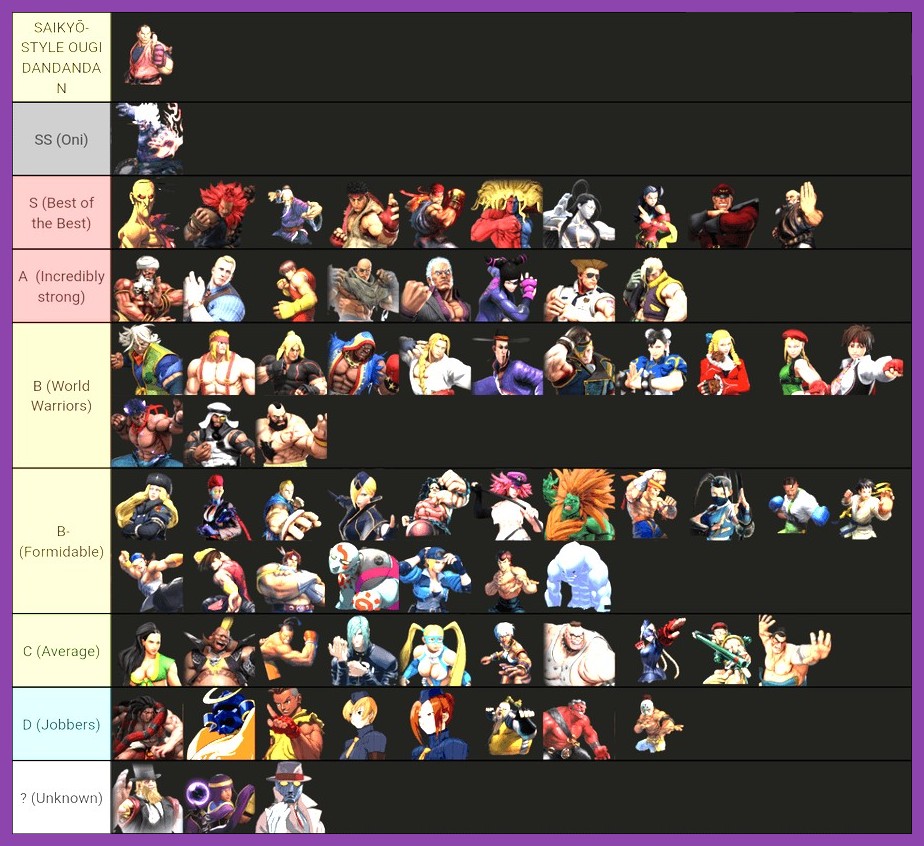
Visual tier list ranking Street Fighter Duel characters At the very top of the Street Fighter Duel tier list sit a handful of fighters that consistently outperform the competition. These characters are the go‑to picks for players aiming to push into the highest ranks or tackle the toughest boss encounters.
Ryu (Awakened): The quintessential all‑rounder. Ryu’s balanced stats are complemented by a powerful Hadouken that scales with attack power and a passive that increases critical hit rate when his health is above 50%. His awakening unlocks a second special move that deals massive burst damage, making him a reliable damage dealer in both PvE and PvP.
Chun‑Li (Lightning Kick): Known for her speed, Chun‑Li’s special attack chains multiple hits that can interrupt enemy casts. Her passive grants increased evasion after each successful dodge, allowing her to survive longer in drawn‑out fights. When paired with a tanky ally, she can dish out consistent damage while staying hard to hit.
Akuma (Dark Hadou): Akuma trades a bit of survivability for raw offensive power. His special move, the Dark Hadou, deals damage based on the enemy’s missing health, making him a fantastic finisher. Additionally, his passive increases attack power after each kill, snowballing his damage in longer battles.
Guile (Sonic Boom Specialist): Guile’s Sonic Boom is a ranged projectile that can pierce through multiple enemies. His passive reduces enemy attack speed when hit by his special, providing both offensive and defensive utility. Guile excels in boss fights where controlling the enemy’s attack tempo is vital.
These S‑tier fighters are frequently featured in top‑ranked player lineups. If you’re looking to invest your hard‑earned summoning tickets or in‑game currency, prioritizing any of these four will give you the highest return on investment.
A‑Tier Characters: Strong Contenders
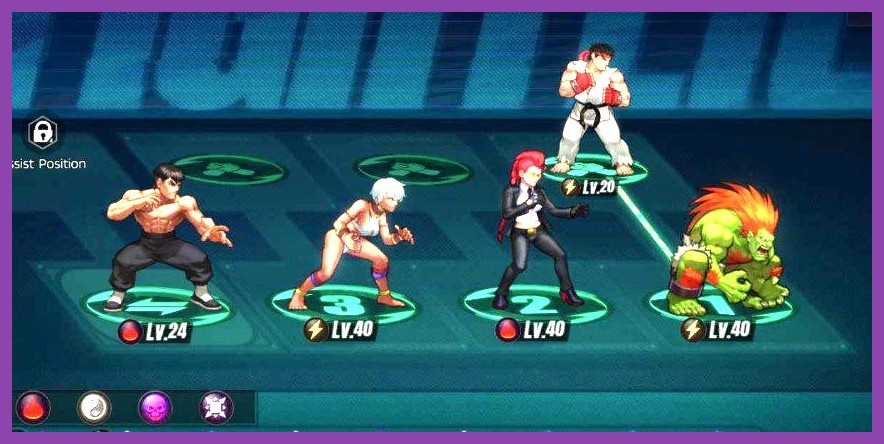
Example of a strong team composition for climbing ranks Just below the elite, A‑tier characters are still highly viable and often serve as excellent substitutes when an S‑tier pick is unavailable or when you need to fill a specific role.
Ken (Flame Kick): Ken mirrors Ryu’s toolkit but with a stronger emphasis on burst damage. His Flame Kick deals increased damage when the enemy is stunned, making him a great partner for characters that can apply crowd control.
Sakura (Cherry Blossom): Sakura’s special attack heals allies based on her attack power, providing sustain that can turn the tide in prolonged battles. Her passive boosts ally attack speed after a successful heal, making her a valuable support option.
M. Bison (Psycho Crusher): Bison’s Psycho Crusher deals damage proportional to his own maximum health, turning his tankiness into offensive power. His passive grants a shield when his health drops below 30%, giving him a second wind in tight spots.
Cammy (Spiral Arrow): Cammy excels at mobility. Her special allows her to dash through enemies, dealing damage and applying a brief stun. This makes her ideal for disrupting enemy formations and creating openings for your damage dealers.
While these characters may not dominate every scenario, they are reliable picks that can easily hold their own in most competitive environments. Consider them when building a team that needs a blend of damage, utility, or survivability.
B‑Tier Characters: Situational Picks
Latest update notes affecting the Street Fighter Duel meta B‑tier fighters shine in specific circumstances but may lack the versatility to be a first‑choice pick. Knowing when to deploy them can give you an edge in certain matchups.
Zangief (Russian Suplex): Zangief is a pure grappler with massive health and armor. His special move grabs a single enemy and deals massive damage based on the target’s current health. He excels against bosses with large health pools but struggles versus fast, evasive opponents.
Dhalsim (Yoga Flame): Dhalsim’s long‑range attacks allow him to hit enemies from a safe distance. His special applies damage over time, which is effective against enemies that rely on healing. However, his low mobility makes him vulnerable to burst damage teams.
R. Mika (Shooting Peach): Mika’s kit revolves around buffing allies. Her special increases attack power for all teammates for a short duration, making her a strong pick in teams that rely on short, high‑damage bursts. She is less effective in prolonged fights where her buff expires before the battle ends.
Fang (Ninja Strike): Fang’s stealth‑based kit lets him avoid the first enemy attack each battle. His special deals critical damage if he remains unseen, rewarding players who can position him correctly. He is a niche pick that works best in teams built around surprise initiations.
These characters are worth keeping in your roster for specific events, boss weaknesses, or when you need to counter a prevalent meta strategy. Investing in them situationally can pay off without diverting resources from your core S‑tier lineup.
C‑Tier and Below: When to Consider Them
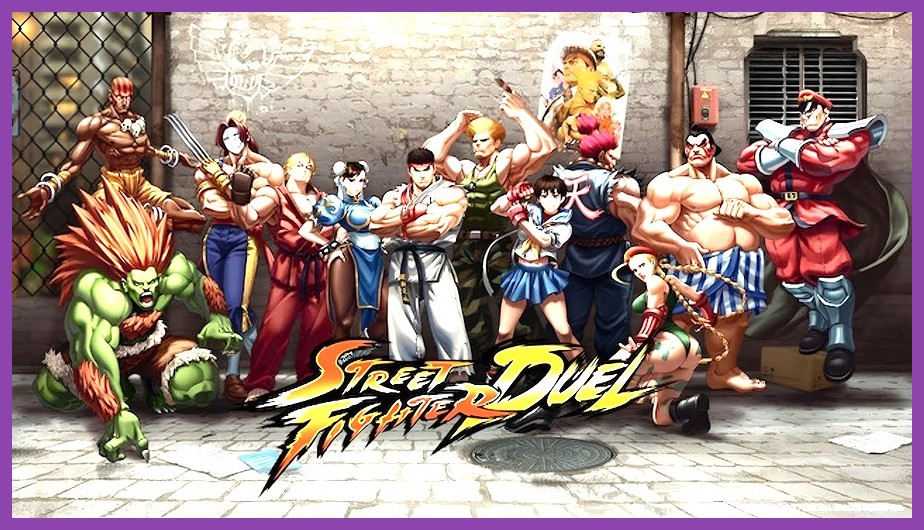
Taking on a challenging boss in Street Fighter Duel The lower tiers are populated by fighters that are generally outclassed by higher‑ranked alternatives. That said, they still have their place, especially for newcomers, completionists, or players tackling unique challenges.
Dan Hibiki (Taunt Master): Dan is infamous for being a joke character in the main series, and in Street Fighter Duel his stats reflect that. His special deals low damage, but his taunt can reduce enemy attack power for a few seconds. He’s mainly used for humorous runs or to complete specific achievement challenges.
Birdie (Chain Attack): Birdie’s kit focuses on applying damage over time through chained attacks. While decent in early game, his damage falls off sharply compared to S‑tier options as enemy health pools scale.
Necalli (Ancient Fury): Necalli’s special deals damage based on the number of buffs on the enemy, which can be situationally useful but often unreliable due to the variability of enemy buff counts.
If you’re just starting out, you might find yourself using these characters simply because they’re the first ones you unlock. As you progress, aim to replace them with higher‑tier fighters as soon as your resources allow. That said, experimenting with lower‑tier characters can be fun and may uncover unexpected synergies in niche scenarios.
Tips for Building Your Team and Climbing Ranks

Competitive play in Street Fighter Duel tournaments Having a strong tier list is only half the battle. The way you combine characters, equip gear, and time your specials determines whether you’ll dominate or get stuck in the mid‑ranks.
- Balance Damage and Survivability: A team of three pure glass cannons may explode quickly against burst‑heavy bosses. Aim for at least one character with high health or a shield passive—think Guile, M. Bison, or a well‑geared Ryu.
- Leverage Passive Synergies: Many characters have passives that trigger under certain conditions (e.g., after a dodge, on kill, or when health is low). Pairing characters whose passives complement each other can create powerful feedback loops. For example, Chun‑Li’s evasion boost works well with Guile’s attack‑speed reduction, making the enemy less likely to land hits.
- Gear Matters: Don’t neglect the equipment system. Prioritize gear that boosts the primary stat of your damage dealers (attack or special power) and equip defensive pieces on your tank. Upgrading gear often yields a bigger power jump than leveling a character.
- Adapt to the Mode: Story mode may reward sustained damage and survivability, while versus mode favors burst damage and quick finishes. Keep a secondary team ready for each mode, swapping in characters like Sakura for PvE sustain or Cammy for PvP disruption.
- Stay Updated: Follow the official Street Fighter Duel channels for patch notes. When a character receives a buff, consider shifting resources to them before the meta settles. Our guide on champion prioritization in RAID: Shadow Legends offers a similar mindset for tracking updates.
By applying these principles, you’ll move beyond simply copying a tier list and start crafting a lineup that reflects your personal playstyle and the current meta.
Future Updates and How Tier Lists Evolve
The fighting game genre thrives on evolution, and Street Fighter Duel is no exception. Capcom has shown a commitment to regular balance patches, new fighter releases, and seasonal events that can dramatically shift the meta.
Expect to see:
- New Characters: Each major update tends to introduce at least one fresh fighter from the Street Fighter canon. Early access to these characters often gives them a temporary S‑tier boost until data settles.
- Rebalancing: Existing fighters receive tweaks to damage, cooldowns, or passive effects. A character that was once B‑tier can jump to A or S after a well‑timed buff.
- Event‑Specific Mechanics: Limited‑time modes sometimes favor certain playstyles (e.g., increased damage against armored enemies). Keeping an eye on event rules can help you prep a specialized team ahead of time.
To stay ahead of the curve, consider bookmarking the official Street Fighter Duel news page and joining community discords where theorycrafters share early data. Additionally, our guide on farming resources in God of War: Niflheim offers parallels on how to efficiently gather materials for character upgrades—a skill that translates well to Street Fighter Duel’s upgrade system.
Remember, a tier list is a snapshot, not a decree. Use it as a foundation, but always be ready to adapt as the game evolves. Happy fighting, and may your combos always land!