Executive Summary: Why Your Starting Build Matters in Path of Exile 2

Path of Exile 2 introduces a fresh take on the beloved ARPG formula, with new classes, revamped skill gems, and a sprawling passive tree that can overwhelm newcomers. Choosing the right starter build is crucial because it shapes your early experience, determines how smoothly you clear acts, and influences the resources you gather for endgame preparation. This guide breaks down three robust, beginner‑friendly builds that balance survivability, damage, and ease of gearing. Each option is explained with skill gem setups, passive tree highlights, and practical tips to help you progress from Act 1 to the endgame without hitting frustrating walls.
For more beginner guides, check out our guides section.
Understanding Path of Exile 2 Core Mechanics

Before diving into builds, it helps to grasp the systems that define Power of Exile 2. Skill gems now socket into gear and can be linked with support gems to create powerful combos. The passive tree is shared across all classes, but each class starts in a distinct region, giving early access to specific notable nodes. Flask mechanics, aura reservations, and the new dodge‑based evasion system also affect survivability. Knowing where to invest points and which gems to prioritize will make any starter build far more effective.
Learn more about ARPG fundamentals on our PC games hub.
Criteria for a Good Starter Build

A solid beginner build should meet several key requirements. First, it must offer decent survivability through high life, armor, or evasion so you can tolerate mistakes while learning mechanics. Second, it needs reliable damage that scales with easily obtainable gear, reducing reliance on rare or expensive uniques. Third, the build should have a straightforward skill gem layout that does not demand intricate linking or high‑level supports early on. Finally, it should transition smoothly into endgame content, allowing you to respec or adapt without a complete overhaul.
See our tips and tricks for additional advice on character planning.
Build #1: Marauder Juggernaut – Tanky Melee

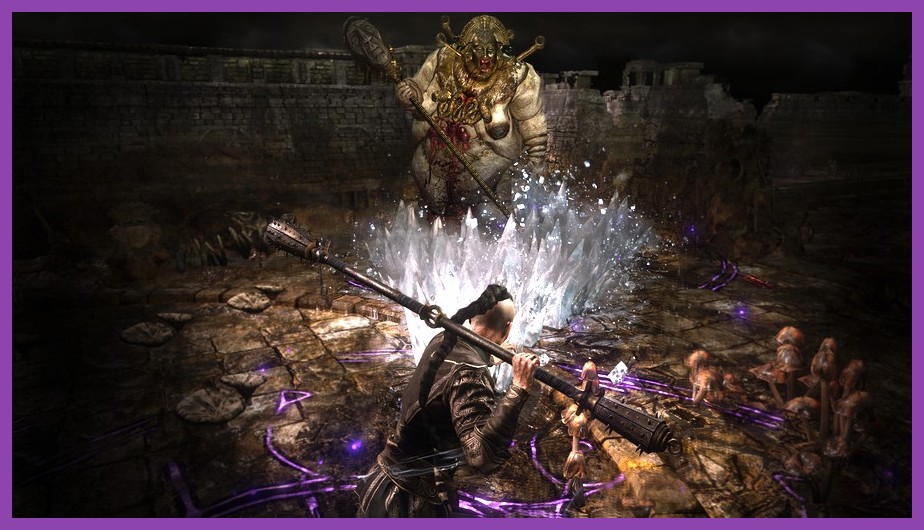
The Marauder Juggernaut is a classic choice for players who want to wade into the fray with a massive sword or axe and shrug off damage. Start by taking the Marauder class and heading toward the Juggernaut ascendancy, which grants increased armor, endurance charges, and powerful defensive abilities like Unstoppable and Unbreakable. For skills, equip a two‑handed melee weapon and link the Cleaving skill gem with Melee Physical Damage, Multistrike, and Fortify supports. This combination delivers solid area damage while fortifying you against hits.
On the passive tree, prioritize nodes that boost life, armor, and strength. Early picks like Iron Reflexes (converts evasion to armor) and Resolute Technique (guarantees hit chance) smooth out the learning curve. Grab the Unwavering Stance node to prevent stuns, and later invest in Juggernaut’s Unstoppable for immunity to movement‑impairing effects. A typical early‑game gear setup includes a high‑physical‑damage two‑hander, a life‑based helmet, and a sturdy shield if you prefer a sword‑and‑board variant.
Playstyle tips: keep your flask charged with a quick‑silver flask for mobility, use a basalt flask for physical damage reduction, and always maintain your endurance charges by hitting enemies. The Juggernaut’s natural tankiness lets you experiment with positioning and learn enemy patterns without dying frequently.
For official details on the Marauder class, visit the Path of Exile 2 official site.
Build #2: Ranger Deadeye – Fast Bow
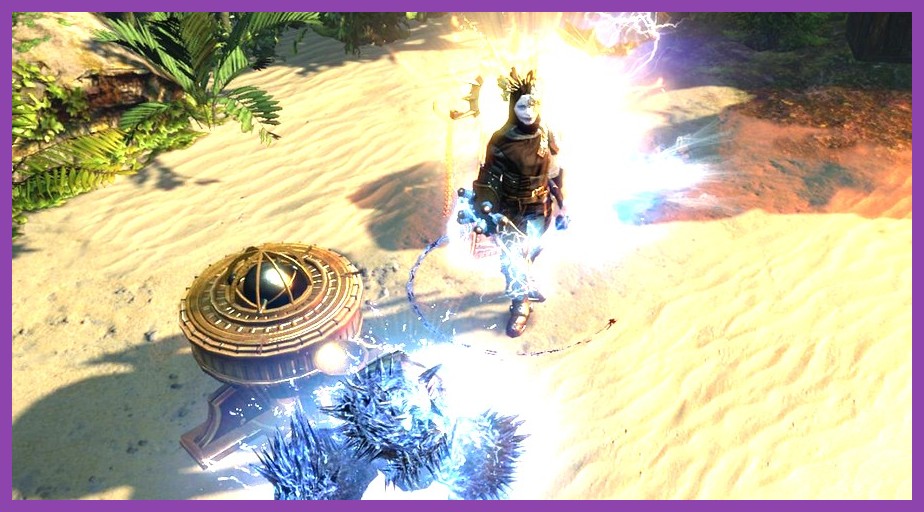
If you prefer ranged combat and swift map clearing, the Ranger Deadeye build offers high attack speed, projectile penetration, and excellent mobility. Begin with the Ranger class and navigate toward the Deadeye ascendancy, which grants bonuses to projectile speed, pierce, and far shot. Core skill: Ice Shot or Lightning Arrow linked with Faster Projectiles, Pierce, and Added Lightning Damage (or cold equivalent). This setup provides consistent damage that scales well with attack speed and critical chance.
Passive tree focus: grab nodes that increase dexterity, projectile damage, and attack speed. Early notables like Dead Eye (increases projectile speed) and Fast and Deadly (more attack speed on hit) synergize perfectly with the ascendancy. Life nodes are still important; pick up Vitality Void for a life boost and Heart of Oak for added life and strength. For defense, rely on evasion and dodge: take Wind Dancer to gain evasion when moving, and consider Acrobatics later for a dodge chance.
Gear advice: seek a bow with high physical damage and good attack speed, a quiver that adds projectile speed, and accessories that boost dexterity and life. Early uniques like Skyforth (if you can afford) or Windripper are nice but not required. Keep a quick‑silver flask for movement and a basalt flask for physical mitigation; a jade flask for evasion can also help.
Playstyle: stay mobile, kite enemies, and use your high projectile speed to hit foes before they reach you. The Deadeye’s far shot lets you safely engage bosses from a distance, making early act bosses less threatening.
Check out the Steam page for community updates: Path of Exile 2 on Steam.
Build #3: Witch Elementalist – Spellcaster
[IMAGE_6>
For those who enjoy casting spells and watching elemental effects explode, the Witch Elementalist provides a versatile, damage‑focused starter that scales into endgame. Choose the Witch class and head toward the Elementalist ascendancy, which grants elemental damage bonuses, ailment immunity, and increased mana regeneration. A solid starter skill is Arc linked with Lightning Damage, Chain, and Increased Critical Strikes. Arc chains between enemies, delivering reliable damage while you build up your mana pool.
Passive tree priorities: grab nodes that boost intelligence, mana, and elemental damage. Early picks like Mind Over Matter (redirects damage to mana) and Elemental Equilibrium (cycles elemental resistance on hit) work well with the ascendancy. Life is still vital; secure nodes such as Vitality Void and Heart of Oak. For defense, the Elementalist’s innate elemental ailment immunity reduces the need for large life pools, but grabbing Grace (evasion aura) or Discipline (energy shield) can add a safety net.
Gear tips: look for a wand or staff with high spell damage and good mana regeneration. Accessories that increase intelligence and life are valuable. Early uniques like Luxurious (if available) or Tabula Rasa (for a six‑link socket) can dramatically boost your damage potential without requiring many specific items.
Playstyle: maintain distance, use your mobility skills (like Flame Dash or Leap Slam) to reposition, and keep your mana flasks topped off. The Elementalist’s strong elemental damage lets you clear packs quickly, while ailment immunity protects you from frustrating status effects.
For deeper mechanics, see the Path of Exile 2 Wiki.
Skill Gem & Link Recommendations
[IMAGE_7>
Regardless of the build you pick, certain gem links prove universally useful. For melee, a four‑link of Cleaving – Melee Physical Damage – Multistrike – Fortify offers a solid baseline. Rangers benefit from a three‑link of Ice Shot – Faster Projectiles – Pierce, expanding to a four‑link with Added Lightning Damage as you acquire more gear. Spellcasters should aim for a four‑link of Arc – Lightning Damage – Chain – Increased Critical Strikes. As you progress, upgrade to five‑ or six‑links by adding support gems like Increased Area of Effect, Elemental Focus, or Blood Magic to manage mana.
Remember to check gem level requirements; using gems that are too high for your level will waste potential. Keep a few low‑level support gems on hand to fill sockets while you farm for better ones.
For more on gem linking strategies, read our Elden Ring tips as an example of skill optimization.
Passive Tree Overview & Key Nodes
[IMAGE_8>
The passive tree in Path of Exile 2 is massive, but you only need to focus on a handful of regions for each starter build. For the Marauder Juggernaut, work outward from the Marauder start toward the strength cluster, grabbing life, armor, and strength nodes. Key notables include Iron Reflexes, Resolute Technique, Unwavering Stance, and the Juggernaut‑specific Unstoppable and Unbreakable. For the Ranger Deadeye, head toward the dexterity cluster, picking up projectile speed, attack speed, and evasion nodes such as Dead Eye, Fast and Deadly, Wind Dancer, and the Deadeye ascendancy nodes Far Shot and Point Blank. The Witch Elementalist follows the intelligence route, seeking mana, elemental damage, and ailment immunity nodes like Mind Over Matter, Elemental Equilibrium, Elementalist’s Elemental Damage, and Elemental Ailment Immunity.
Use the search filter in the passive tree UI to locate these nodes quickly, and plan your path so you never have to backtrack excessively. Early levels should prioritize life or mana nodes to sustain you through the first acts.
See our guide on God of War Ragnarok builds for inspiration on planning passive trees.
Gear Progression Tips
[IMAGE_9>
Gear in Path of Exile 2 is highly modular, and you can improve your character without chasing specific uniques. Focus on these three pillars: base item type, implicit modifiers, and explicit affixes. For melee, aim for a high‑physical‑damage two‑hander or a sword‑and‑board setup with good armor rating. Rangers should look for bows with high attack speed and decent physical damage, while spellcasters want wands or staves with high spell damage and mana regeneration.
When you encounter magic or rare items, prioritize rolls that increase your primary stat (strength, dexterity, intelligence), life, and either damage or defensive modifiers depending on your build. Use the vendor recipe system to craft basic items: selling a full set of identical rarity items can yield a random magic item, which is useful for early upgrades.
Flasks are equally important. Carry at least one life flask, one mana flask (if you use mana), and one defensive flask suited to your build (basalt for physical, jade for evasion, granite for armor, or quick‑silver for mobility). Keep them charged by picking up charges from defeated enemies.
For additional gearing advice, visit our RAM upgrade guide as an analogy for balancing resources.
Common Pitfalls & How to Avoid Them
[IMAGE_10>
New players often fall into a few traps that hinder progress. One mistake is over‑investing in offensive nodes at the expense of life or mana, leading to frequent deaths. Another is neglecting flask management; running out of charges during a boss fight can turn a manageable encounter into a nightmare. A third pitfall is hoarding currency instead of spending it on modest upgrades; small improvements in gear or gems add up quickly.
To avoid these issues, set a simple rule: after each act, review your life or mana pool and ensure it meets a minimum threshold (e.g., 500 life for act 1, scaling upward). Keep a flask‑charging habit by automatically picking up charges and using flasks on cooldown. Finally, allocate a small portion of each currency drop to purchase a modest upgrade from a vendor or the trade site—think of it as “paying yourself forward.”
Check out our parry guide for a similar mindset on disciplined play.
Transitioning to Endgame
[IMAGE_11>
Once you have cleared the main story, your starter build should already be positioned for a smooth shift into maps and endgame content. The Marauder Juggernaut can easily transition into a high‑armor, high‑life tank that runs maps with mods like Physical Reflect thanks to its endurance charges and fortify. The Ranger Deadeye shifts into a fast‑clearing bow build that benefits from increased projectile speed and pierce, making it excellent for maps with monster density. The Witch Elementalist evolves into a potent spellcaster that can scale into elemental damage over time or critical‑based setups, especially once you acquire six‑link gear.
Consider respec points earned from the labyrinth or using the Orb of Regret to fine‑tune your passive tree for specific endgame goals. Keep an eye on the meta for popular endgame archetypes, but remember that any of these starter builds can be adapted without a full rebuild.
For endgame preparation tips, see our God of War leveling guide.
Final Thoughts
[IMAGE_12>
Path of Exile 2 offers a deep and rewarding experience, but the early hours can feel daunting without a clear direction. By selecting one of the three builds outlined above—Marauder Juggernaut for tanky melee, Ranger Deadeye for swift ranged, or Witch Elementalist for versatile spellcasting—you give yourself a strong foundation that balances survivability, damage, and ease of gearing. Follow the skill gem, passive tree, and gear recommendations, manage your flasks diligently, and avoid common beginner mistakes. With these tools in hand, you’ll progress from the shores of Wraeclast to the endgame with confidence, ready to tackle the toughest challenges the game has to offer.
Enjoy your journey, and may your loot be plentiful.