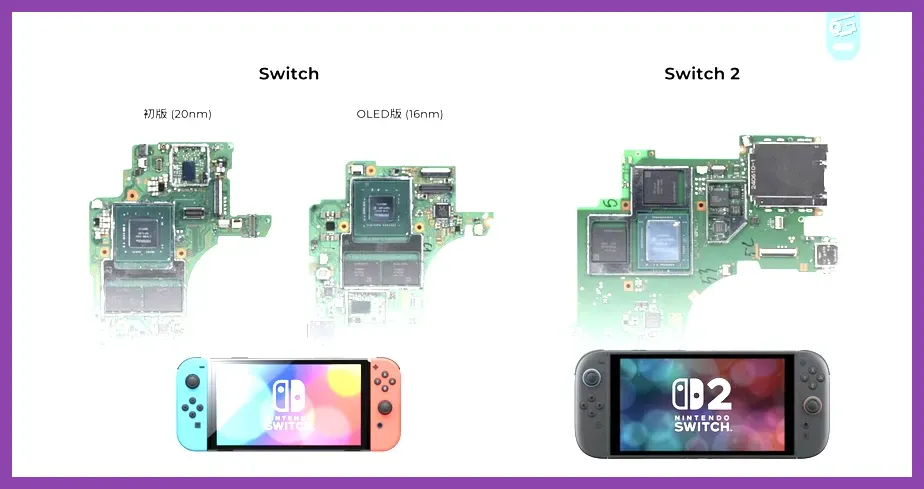
The Nintendo Switch 2 hardware specifications and expected performance benchmarks point toward a custom Nvidia Tegra T239 processor, 12GB of LPDDR5 RAM, and support for Nvidia DLSS 3.1 ray reconstruction, bridging the technical gap between portable architecture and current-generation home consoles. While official first-party system requirements for console games traditionally differ from PC titles, developers targeting the platform must optimize their software around specific hardware profiles for handheld and docked modes. Understanding these underlying technical capabilities helps players anticipate how upcoming software will perform on the new hardware architecture.
Custom Nvidia T239 Architecture and Processing Specifications
At the heart of the next-generation Nintendo hardware lies a heavily customized system-on-chip developed in partnership with Nvidia, heavily rumored to be the T239 chip. This processor utilizes an 8-core ARM Cortex-A78AE CPU configuration, which provides a massive generational leap over the aging quad-core ARM Cortex-A57 found in the original 2017 hardware. Developers transitioning from older platforms will find that these CPU cores significantly reduce processing bottlenecks, allowing for denser open-world simulations, complex physics calculations, and advanced AI behavior in titles similar to those analyzed in our top free open world games on low-end PC guide. Furthermore, the inclusion of modern instruction sets ensures that modern game engines like Unreal Engine 5 can compile assets and manage background streaming streams much more efficiently.
Graphics processing is handled by an Ampere-based GPU architecture featuring custom Tensor Cores and Ray Tracing cores. While raw floating-point performance (FLOPS) is naturally constrained by thermal design power (TDP) limitations inherent to handheld form factors, the integration of dedicated hardware accelerators changes the equation completely. Developers can implement advanced lighting models without suffering the severe framerate penalties traditionally associated with mobile GPUs. For gamers interested in optimizing performance across various platforms, reviewing resources like our top free co-op games on low-end pc breakdown reveals similar optimization strategies used for scaling graphics down to constrained hardware.
RAM Capacity, Memory Bandwidth, and Asset Management
Memory allocation has long been a primary constraint for developers working within the Nintendo ecosystem. The original system's 4GB of LPDDR4 RAM required aggressive texture compression and asset swapping. The successor platform addresses this limitation directly by upgrading to 12GB of high-speed LPDDR5 RAM, paired with a 128-bit memory bus interface. This upgrade provides an estimated memory bandwidth of over 102 GB/s, ensuring that high-resolution textures, complex geometry data, and audio banks can be loaded rapidly into memory without causing stuttering or hitching during active gameplay exploration.
This substantial memory pool aligns closely with modern gaming requirements seen across various genres. For instance, players managing complex inventories and crafting mechanics, as detailed in our v rising best crafting guide materials article, will benefit immensely from faster asset loading and zero pop-in during fast travel. The extra RAM also allows the operating system to maintain background applications more smoothly, ensuring a seamless user experience when switching between games, system menus, and digital storefronts.
Handheld vs. Docked Performance Targets and Profiles
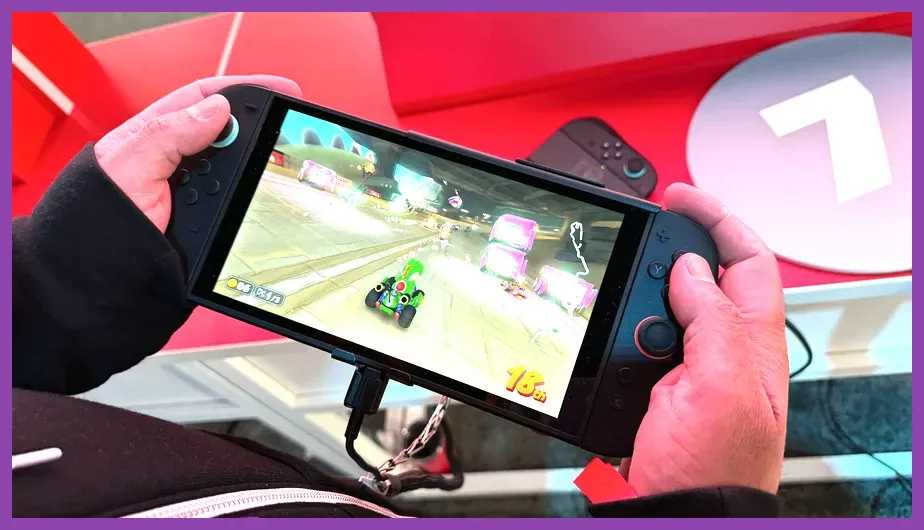
One of the most defining characteristics of the Nintendo hardware ecosystem is its hybrid nature, requiring distinct performance profiles for handheld and docked usage. Based on developer documentation leaks and hardware analysis, the console operates at different clock speeds depending on whether it is receiving external power via the charging dock. In handheld mode, the system lowers GPU and CPU clock frequencies to preserve battery life and maintain acceptable thermal thresholds, typically targeting a 720p or 720p-upscaled-to-1080p output at a stable 30 frames per second for demanding titles.
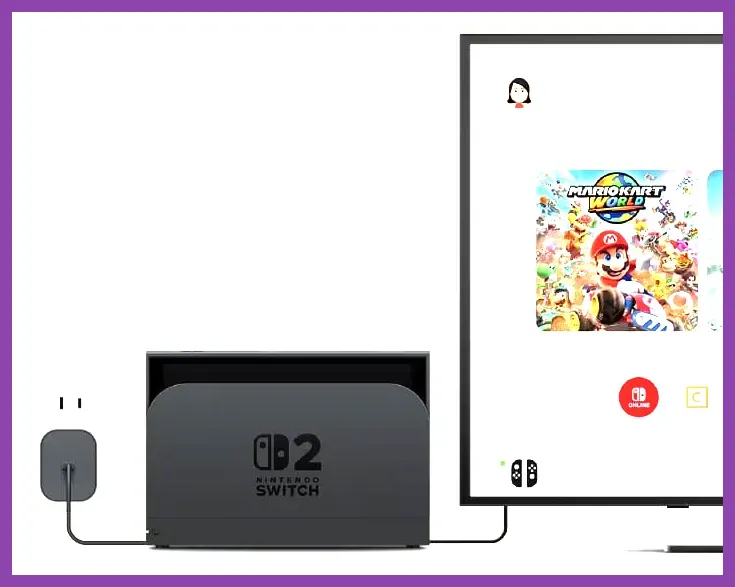
When placed into the dock, the system increases voltage and thermal limits, allowing the GPU to stretch its capabilities and output native 1080p or dynamically scaled 4K resolutions using advanced reconstruction techniques. Players who enjoy competitive matches or tactical planning—similar to the strategies outlined in our valorant best endgame build and economy guide—will appreciate the higher refresh rate support that docked mode affords, with many titles targeting 60 frames per second when connected to compatible displays and monitors.
Nvidia DLSS 3.1 and AI Upscaling Requirements
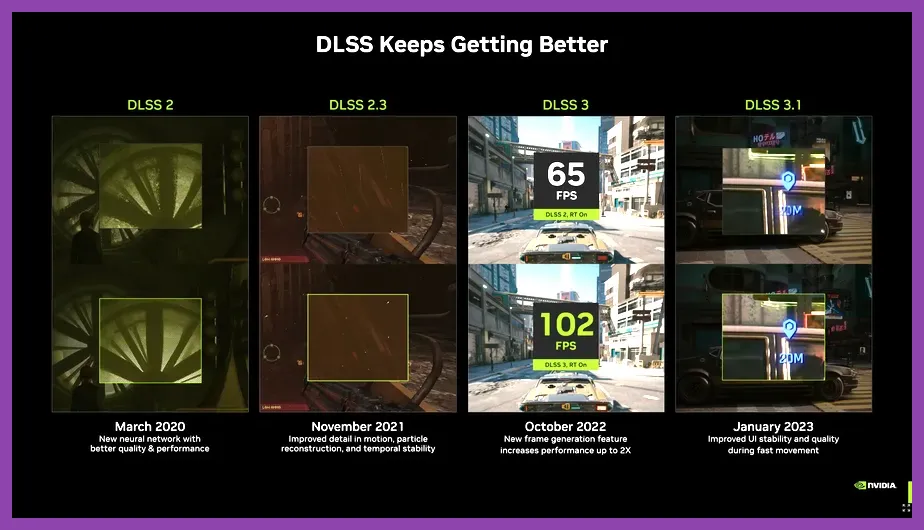
The single most crucial technology defining the longevity and capability of the new hardware is Nvidia Deep Learning Super Sampling (DLSS). Because rendering native 4K or even native 1080p modern AAA games on a portable device is thermally and computationally unfeasible, DLSS acts as the bridge between performance and visual fidelity. The dedicated Tensor Cores on the custom T239 chip allow the console to render games internally at a lower resolution (such as 540p or 720p) and use deep learning algorithms to reconstruct a pristine, high-resolution image complete with temporal anti-aliasing.
Developers targeting the platform must integrate DLSS SDKs into their rendering pipelines, treating upscaling as a baseline system requirement rather than an optional graphical toggle. This approach mirrors optimization techniques discussed in our tower of fantasy best meta strategy guide, where efficient resource management dictates overall success. By offloading pixel generation to the AI accelerator cores, games can maintain high framerates while simultaneously enabling complex visual features like ambient occlusion, volumetric fog, and real-time reflections.
Storage Speeds, NVMe Implementation, and Load Times
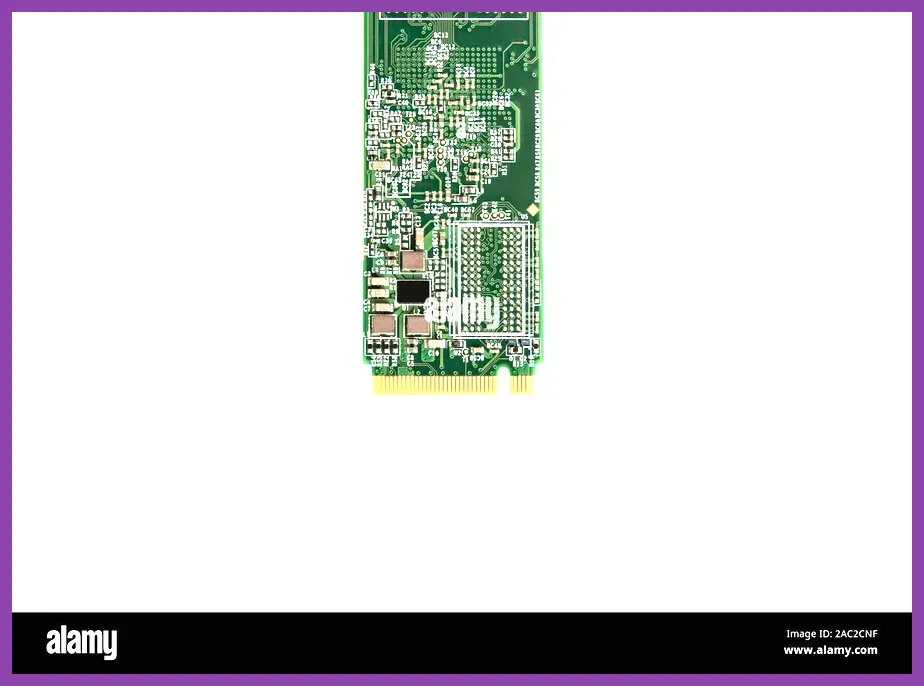
Mechanical limitations and slow eMMC flash memory speeds are relics of the past. The new system incorporates high-speed UFS 3.1 or custom NVMe internal flash storage, delivering sequential read speeds that dramatically eclipse older cartridge and internal storage mediums. This shift is vital for modern game design, where open worlds stream assets dynamically based on player movement. Fast storage ensures that textures load instantly, eliminating the jarring pop-in effects and long loading screens that plagued open-world conversions on previous generation hardware.
For players exploring vast wilderness areas or tackling challenging survival mechanics, comparable to the gameplay loops found in our valheim best skills to unlock and level up first guide, responsive loading times keep immersion intact. Furthermore, support for high-speed MicroSD Express cards ensures that expandable storage will not introduce performance bottlenecks for users who prefer downloading large digital libraries directly to their devices.
Official Ecosystem Standards and Developer Guidelines
To maintain parity across the platform, Nintendo enforces strict certification guidelines and performance minimums for all published software. Developers utilizing middleware engines like Unity, Unreal Engine, or proprietary in-house tech must ensure their builds maintain stable framerates during intensive combat sequences and heavy particle effects. These standards are comparable to the rigorous optimization checks required for competitive titles, such as those covered in our valorant best starting build guide.
As the industry moves closer to the official hardware rollout, studios are increasingly sharing their technical findings through developer portals like the Nvidia Developer Network and checking compliance guidelines on the Official Nintendo Website. By adhering to these strict hardware parameters, the upcoming platform is positioned to deliver a robust library of both indie favorites and technically demanding blockbusters without compromising the signature hybrid gameplay experience that defines the modern console generation.