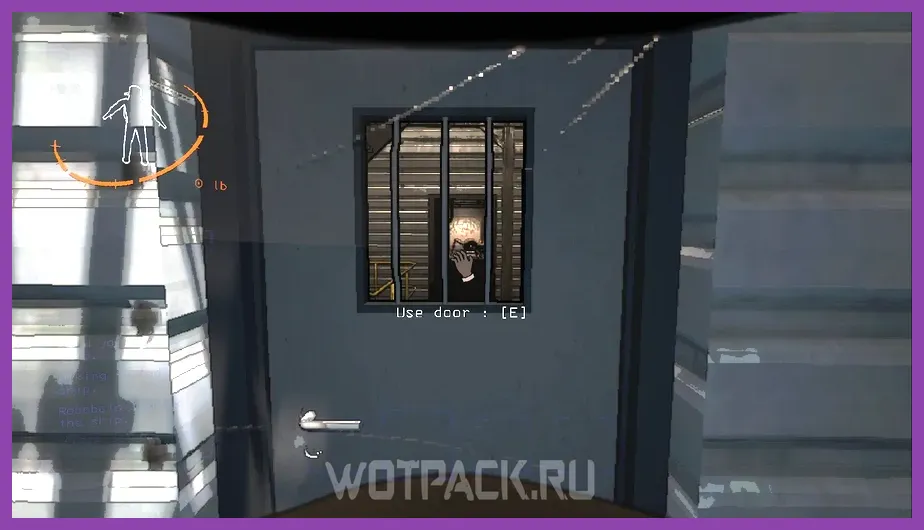
Surviving your first few industrial shifts in Lethal Company on Steam requires strict quota management, careful scrap valuation, and constant communication with your crewmates. To consistently hit your profit quotas without getting wiped out by early-game entities, you need to understand ship terminal commands, inventory weight mechanics, and routing protocols on standard moons like Assurance, Vow, and Experimentation.
Mastering the Ship Terminal Commands and Store Purchases
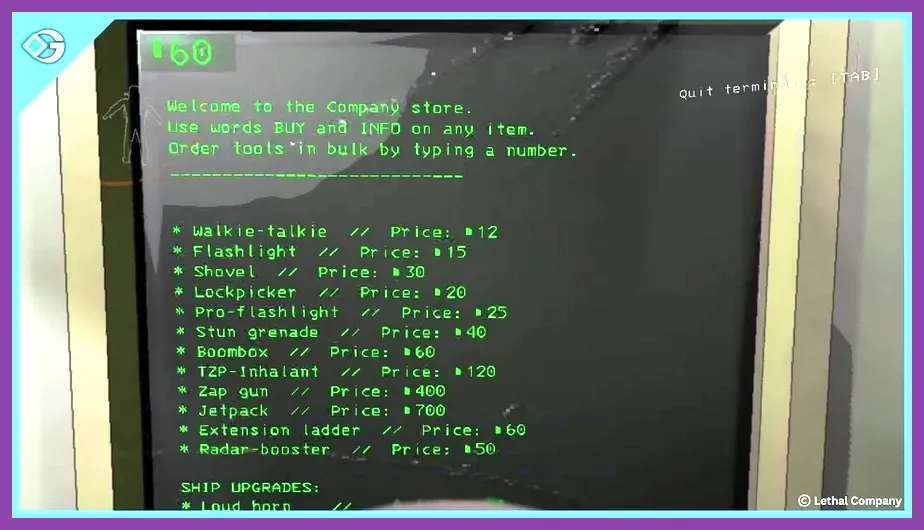
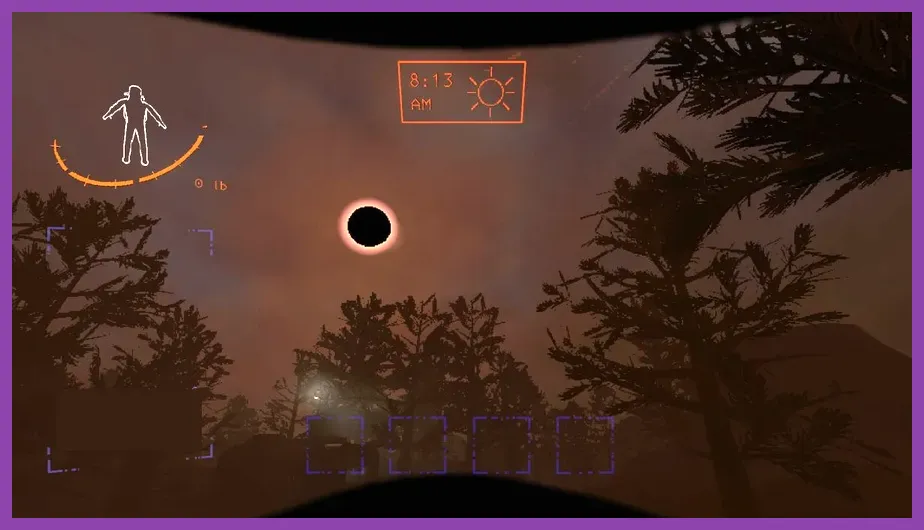
The ship's computer terminal is your lifeline, navigation system, and shopping portal all in one. When you first spawn into orbit, your very first action should be typing 'moons' into the terminal to view available destinations, alongside checking the weather status of each celestial body. Avoid any moon marked with 'Eclipsed' or 'Stormy' conditions during your first three quotas, as these amplify environmental danger exponentially. Instead, alternate between Experimentation for safe, low-value scrap and Assurance for slightly better item density and ladder access.
Once you secure your initial 60 credits from scavenging, purchase two Flashlights (15 credits each) and one Walkie-Talkie (12 credits). Flashlights are mandatory for dark facilities where light switches are missing or disabled. To buy items efficiently, stand in front of the monitor and type the exact name of the item followed by the quantity, such as 'flashlight 2', then type 'approve' to finalize the purchase. The drop pod will deliver your goods directly to the designated landing zone on the ship floor within seconds.
Inventory Weight Management and Stamina Penalties

Every piece of scrap you pick up has a hidden weight value that directly impacts your movement speed, jump height, and stamina regeneration rate. Pay close attention to the small weight indicator in the bottom right corner of your HUD. When your inventory weight is under 10 lbs, you can sprint normally and jump standard distances. However, once you cross 15 lbs or higher, your stamina drains significantly faster, and heavy items like the Large Axle Iron or Gold Bar will slow your movement down to a crawl.
To maximize efficiency, establish a drop-off relay system near heavy exits. If you find a high-value item deep inside a facility, carry it partway to the main entrance door or the fire exit, drop it on the ground safely, and continue sweeping rooms. When the timer approaches 3:00 PM in-game time, sweep back through your dropped items and haul them to the ship in one collective run. This prevents you from getting stranded deep in the dark with zero stamina when night-time monsters spawn outside.
Navigating Facility Entities and Survival Tactics

Industrial complexes are crawling with hostile entities that react differently to sound, light, and movement. Learning how to identify and counter these threats separates surviving crews from wiped-out squads. If you are looking for more complex co-op team strategies across various indie titles, check out this guide on Inzoi team compositions or explore cooperative tactics found in our Left 4 Dead 2 weapon collection guide.
The most common and dangerous early-game stalker is the Bracken, a bipedal humanoid creature with glowing white eyes that kills players instantly from behind if approached unawares. The golden rule for dealing with the Bracken is to glance behind your shoulder briefly every 3 to 4 seconds without maintaining prolonged direct eye contact, as staring at it too long will trigger its aggressive charge. If you hear a soft rattling or heavy breathing sound, immediately call out to your team over the walkie-talkie and head back toward the nearest lit hallway or exit door.
Optimizing Quota Deadlines and Profit Goals
Your overarching objective is to meet escalating profit quotas every three days, starting at 130 credits for the first deadline and scaling rapidly into the thousands. Failing to meet the quota results in your entire crew being ejected into deep space, resetting your progress completely. To prevent this, never sell all of your scrap immediately if you already have enough to clear the current quota threshold. Store surplus items safely in the corners of the ship storage area to pad your totals for the subsequent, much harder quota cycles.
When selling items, always travel to the Company Building (Gollo) rather than selling on low-yield automated drops. Ringing the bell at the trading desk increases the payout percentage of your collected scrap, provided you don't over-hoard too many items into a single drop that angers the tentacle monster inside the desk slot. Balance your risk by selling just enough to comfortably beat the current quota while hoarding high-tier items like Cash Registers and Telephones for the steep secondary and tertiary quota hikes.
Utilizing Fire Exits and Tactical Routing
Relying solely on the main facility entrance is a rookie mistake that frequently leads to bottlenecks and ambushes by roaming monsters like Eyeless Dogs or Earth Leviathans patrolling the outer terrain. Every industrial layout features alternative entry points known as Fire Exits, accessible via metal ladders on the exterior hillsides. Always bring an Extension Ladder (purchasable for 60 credits on the terminal shop) to reach high-altitude fire exits on maps like Rend or Dine during late-game runs, or utilize natural terrain elevations on Assurance.
Memorize the layout patterns of fire exits relative to the main door. Often, entering through a fire exit drops you directly into upper catwalks or isolated back rooms containing high-value loot spawns. Coordinate with your team's designated ship monitor operator—who views positions via the radar booster and main terminal map—to guide your path away from active entity clusters. For more optimization tips on handling hardware and performance during intense multiplayer sessions, read our guide on Lenovo Legion Go optimization settings and check out how developers balance cooperative challenges akin to Monster Hunter Wilds PC requirements.
Advanced Ship Equipment and Radar Boosters
Once your squad accumulates surplus credits past basic survival tools, invest in advanced ship upgrades available on the terminal database. The Teleporter (priced at 375 credits) is an indispensable emergency tool that allows you to instantly teleport a crewmate back to the ship from anywhere inside the facility, saving them from certain death. However, keep in mind that a teleporter drops all currently held scrap items on the ground where the player was standing, so coordinate a quick retrieval run if valuable loot is left behind.
Pair the standard teleporter with the Inverse Teleporter (425 credits) only when you are feeling bold or desperate to hit high quotas. The inverse teleporter throws players randomly into uncharted facility rooms at the start of a shift without any equipment, forcing a frantic scavenger hunt to reconnect with teammates. Additionally, deploy Radar Boosters (60 credits) inside dark facility intersections and type 'pings [booster name]' into the terminal to create audio distractions that lure entities away from exploring crew members, giving your team crucial breathing room to secure quota objectives.