
The best way to survive Laxius Force III is to treat every dungeon as a resource puzzle: keep multiple save files, upgrade the whole party instead of one damage dealer, protect your healer, and enter boss fights with a full supply of healing and status-curing items. The game becomes far less punishing once you stop spending MP on every random encounter and start matching each character’s job to the enemy in front of you.
Laxius Force III is an old-school, turn-based RPG built around exploration, party management, equipment upgrades, and battles that can swing quickly when a status effect lands. Its rough edges are part of the package. Menus are not always elegant, quest directions can be vague, and the strongest solution is often hidden behind a side path rather than handed to you by the main objective. That makes the opening hours exciting, but it also makes a few beginner mistakes unusually expensive.
This guide focuses on ten habits that make a real difference: how to spend money, when to grind, how to read the party, and how to prepare for the game’s nastier encounters. If you enjoy RPGs that expect you to poke around rather than follow a glowing waypoint, you may also like our Kenshi review and our guide to King’s Bounty II’s beginner build.
1. Build a save rotation before you need it
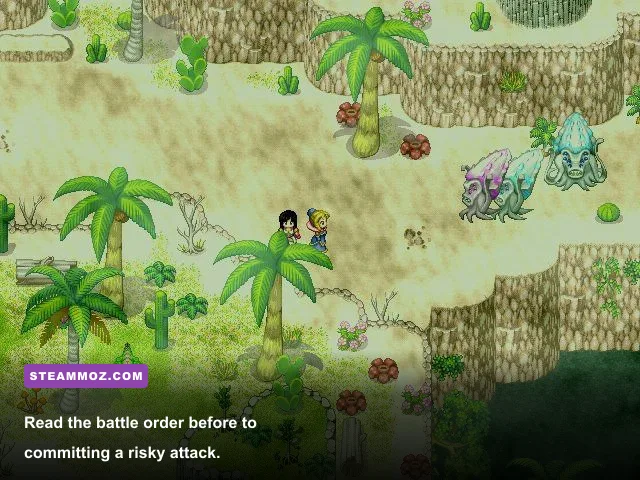
Do not rely on a single quick-save slot. Keep at least three rotating saves: one before entering a new dungeon, one at the latest town or healing point, and one before a major story event. That sounds overly cautious until a conversation locks you into a battle, a dungeon fork leads to a dead end, or you discover that a key item was consumed earlier than expected.
Use a simple naming system if your version allows manual labels: “Town,” “Dungeon,” and “Boss.” If it does not, remember the slot numbers. Save before opening suspicious chests, too. Laxius Force III often rewards curiosity, but curiosity is a poor substitute for a backup when an encounter goes bad.
There is another reason to save before shopping. Equipment purchases are not always equally valuable across the party. Buy one item, test the resulting damage and defenses, and then decide whether the rest of the party needs the same upgrade. This prevents you from draining your gold on a minor attack increase while leaving your support characters vulnerable.

🎮 Laxius Force II
Looking to experience this game? Grab your digital key directly on our store for $2.49.
View on Steammoz Store →2. Give every party member a clear combat job
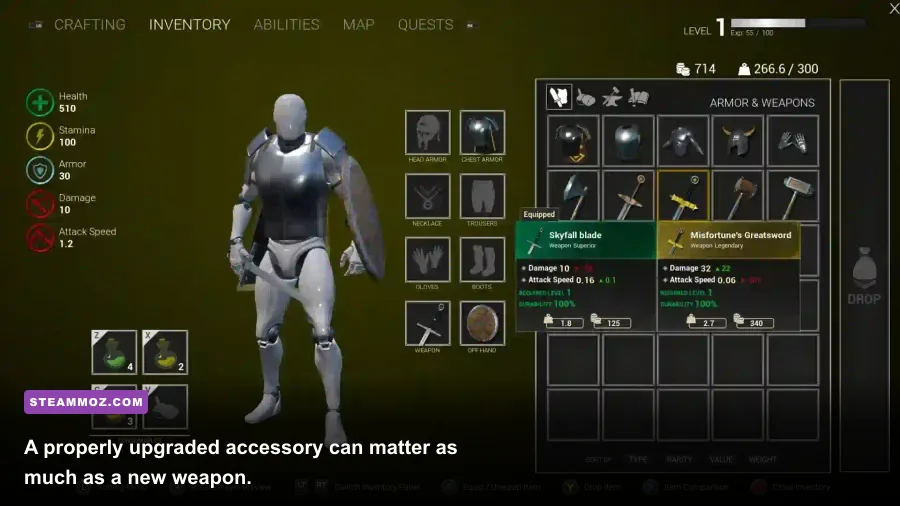
The early game is much easier when you stop treating the party as a collection of interchangeable attackers. Your frontline character should absorb pressure and deal reliable physical damage. Your dedicated support character should preserve healing and recovery resources. Your offensive caster should exploit weaknesses and clear groups, not waste expensive spells on harmless targets.
Alex is usually most useful as a durable physical centerpiece, while Sarah’s value rises sharply when you preserve her recovery options instead of forcing her into ordinary attacks. Characters such as Wendala and Diane are better judged by their available skills and current equipment than by a rigid “best character” ranking. The practical rule is simple: keep one dependable damage source, one recovery plan, and one flexible slot for elemental or status utility.
Do not spread every weapon and armor upgrade evenly if gold is tight. Upgrade the character who is already performing the role you need. A stronger frontline weapon shortens battles, but a defensive accessory on your healer can prevent the wipe that turns a ten-minute dungeon into a twenty-minute replay.
| Party Role | Priority | What to Equip | Common Mistake |
|---|---|---|---|
| Frontline damage | Strength, attack, HP | Best current weapon and physical defense | Chasing damage while ignoring survivability |
| Healer/support | MP, speed, defense | MP-boosting or resistance accessories | Leaving the healer in outdated armor |
| Offensive caster | Magic power, MP | Gear that improves spell output or resource pool | Using area spells on single weak enemies |
| Utility slot | Speed, resistances, flexibility | Status protection and situational equipment | Building a second copy of the same damage role |
3. Spend MP like it has to last the whole dungeon

Random encounters are where new players quietly ruin their boss preparation. Full-party spells look efficient, but casting them every fight can leave your healer empty before the dungeon’s final room. Use normal attacks against isolated, low-threat enemies and reserve area damage for groups that can actually hurt you or waste your turns.
Set a personal MP floor. A good early rule is to keep your primary healer at roughly half MP whenever you are still exploring. That is not a magical number; it is a safety margin. If a surprise encounter inflicts poison, paralysis, or a heavy hit, you want enough resources to stabilize the group without burning your entire item stock.
Use items before a crisis, not after it. A basic healing item is cheaper than spending a premium spell on a character who only lost a small amount of HP. Conversely, do not hoard every high-grade recovery item forever. Consumables have no value while sitting unused in the inventory, and a difficult boss is exactly the situation they are meant for.
Pay attention to the difference between healing damage and curing conditions. A character at 80 percent HP who is poisoned may be in more danger than a character at 40 percent HP. Remove the condition first when it will continue draining health or prevent actions. This is especially important in longer dungeon stretches where poison damage compounds between battles.
4. Shop for resistances, not just attack power
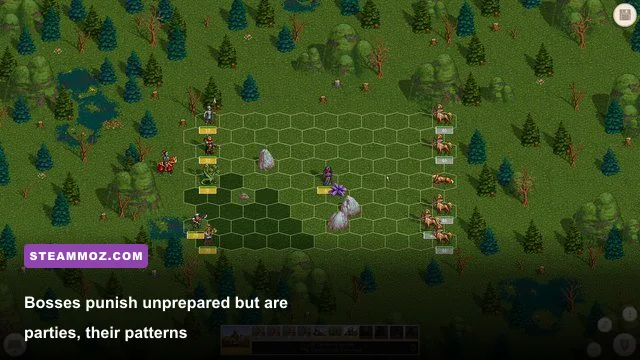
The newest sword is not automatically the best purchase. Laxius Force III’s equipment curve rewards players who look at the entire stat line. A small attack improvement is nice, but an accessory or armor piece that protects against a boss’s signature status effect can save multiple turns and several healing items.
Before entering a new area, sell genuinely obsolete gear, but do not sell unique-looking accessories immediately. Keep at least one spare item for every unusual resistance you discover. If a piece of equipment appears to reduce the chance of sleep, paralysis, poison, silence, or another condition, it can become more valuable than a higher-defense replacement in the right fight.
Use the shop as an information source. New armor arriving in stock often signals that the next zone expects stronger physical hits. A sudden increase in restorative items suggests a longer route or more punishing encounters. Stock up on basic healing items, condition cures, and revival options before leaving town; backtracking is rarely fun when the map is designed around attrition.
| Purchase Type | Buy When | Why It Matters | Gold-Saving Rule |
|---|---|---|---|
| Weapon upgrade | Your main attacker is falling behind | Shortens battles and reduces incoming damage | Upgrade the primary attacker first |
| Armor upgrade | Enemies begin breaking through normal defense | Improves survival across every encounter | Prioritize healer and fragile casters |
| Accessory | A boss or zone uses a repeated condition | Prevents lost turns and forced item use | Keep situational pieces in storage |
| Consumables | Before every major dungeon | Provides emergency healing and cleansing | Carry cures for each common status effect |
5. Explore every branch before advancing the story

Do not sprint from objective marker to objective marker. Check dead ends, side rooms, barrels, chests, and NPC dialogue before triggering the next major scene. The game’s best practical rewards are often tucked away from the obvious route, and those rewards can be disproportionately helpful during the next story battle.
Talk to townspeople more than once after a story event. Dialogue can change, and a previously unimportant NPC may provide the clue that points toward a hidden path or optional objective. If an NPC mentions a landmark, write it down. Laxius Force III rarely gives you a modern quest log that remembers every breadcrumb for you.
When you enter a new dungeon, map it mentally in sections. Identify the entrance, the first healing opportunity, the treasure branches, and the route that appears to lead deeper. If you find a chest that is clearly beyond a difficult encounter, mark the location in your notes and return after upgrading rather than burning all your items to reach it immediately.
6. Grind only at the edge of a new difficulty spike
Grinding is useful, but blind grinding is one of the fastest ways to make an old-school RPG feel tedious. Fight enough enemies to learn the zone, earn the next equipment upgrade, and bring your key characters close to the next level threshold. Then move on. If every ordinary encounter is effortless, more levels may not solve the problem you actually have.
A good signal that you need a short grinding session is repeated failure against normal enemies, not a single unlucky boss attempt. If the party is losing because the healer is silenced or the frontline is constantly stunned, improve equipment and resistance coverage first. If you are simply taking too long to kill basic enemies, two or three levels or a weapon upgrade may be enough.
Keep the party’s levels reasonably close. A single over-leveled character cannot cover every weakness, especially if the battle includes area damage or status effects. A balanced party also gives you more freedom when the story changes your available lineup.
7. Read turn order before choosing a risky skill
Turn-based combat rewards boring decisions at exactly the right moment. If your healer acts after the enemy, do not wait until an ally is nearly dead before healing. If a target is already close to defeat, use a reliable attack instead of a slow, expensive skill that may be wasted when another character finishes it first.
Open a difficult battle by learning what the enemy does. A safe first round can reveal whether the boss favors physical attacks, magic, debuffs, or a specific status effect. Once you see the pattern, adjust equipment and targeting. Do not burn your strongest attack before you know whether the enemy has a defensive phase or scripted behavior.
Focus fire ordinary enemies. Removing one opponent completely is usually better than lightly damaging three. Fewer enemy turns mean less incoming damage, fewer status rolls, and less MP spent recovering from a messy battle. Use area attacks when the group is large enough to justify the cost or when leaving several enemies alive creates a lethal combination.
8. Treat boss battles as preparation checks
Before a major boss, heal fully, repair your equipment situation through the shop, and create a dedicated save. Enter with enough basic healing, revival items, and status cures to survive a long attempt. If you lose while the boss still has most of its health, do not immediately grind for an hour. First ask whether the problem was equipment, target priority, or a predictable mechanic.
| Boss Warning | Likely Problem | Counterplay | Best First Adjustment |
|---|---|---|---|
| One character dies before acting | Low defense or poor target assignment | Improve armor, HP, or turn priority | Protect the healer and fragile caster |
| Party loses turns repeatedly | Status effects are deciding the fight | Use resistance gear and cleansing items | Equip protection before adding damage |
| MP disappears too quickly | Overusing expensive skills | Use normal attacks and cheaper recovery | Save major spells for dangerous phases |
| Boss heals faster than you damage it | Wrong target or weak damage window | Focus fire and use the strongest reliable rotation | Test physical and magical damage separately |
Start with defense when you do not know the fight. Keep the healer alive, remove debilitating conditions quickly, and use the first few turns to identify the boss’s rhythm. Once the battle is stable, switch the flexible party member into damage or debuff duty. The winning rotation is often less dramatic than the losing one: steady attacks, timely healing, and no wasted turns.
9. Use a simple ten-tip combat checklist
These habits are worth repeating because they solve most early mistakes:
- Save before dungeons, bosses, and suspicious chests.
- Keep the healer’s MP above your personal safety floor.
- Focus on one enemy until it is removed.
- Use status cures immediately when the condition threatens future turns.
- Upgrade the entire party’s survivability before chasing luxury damage.
- Keep one flexible party slot for elemental or utility skills.
- Explore side rooms before triggering story scenes.
- Write down NPC clues and unusual landmarks.
- Grind only when normal encounters expose a genuine power gap.
- Spend consumables on winning important fights, not on preserving a perfect inventory.
That checklist also explains why the game can feel unfair when played like a modern action RPG. You are not meant to brute-force every problem with the same attack. You are meant to notice the problem, change one part of the party, and test the result.
10. Tune the PC version for clarity and stability
Laxius Force III is not a modern, graphics-heavy release, so chasing maximum frame rate is unnecessary. The useful priorities are readable text, reliable input, and avoiding background applications that steal focus from an older RPG Maker runtime. If you experience crashes or odd window behavior, try windowed mode, disable overlays, and launch the game with administrator permissions only if your Windows installation requires it.
Keep screenshots or notes outside the game for puzzle clues, item locations, and NPC instructions. Older RPG Maker titles can behave poorly when repeatedly alt-tabbing, and a clean, uninterrupted session is safer than constantly switching windows. For more PC troubleshooting advice, see Steamoz’s guide to fixing crashes and low FPS on PC.
Finally, check the official Aldorlea Games site for publisher information and use the developer’s available support channels if your release has a technical issue. Community discussions can be useful, but keep backups of save files before installing unofficial fixes or patches. If you want more exploration-heavy advice, our A Rogue Escape progression guide covers the same valuable habit: plan your resources before the game forces the issue.
The winning mindset for Laxius Force III
Laxius Force III is at its best when you engage with its friction instead of trying to skip it. Save deliberately, explore patiently, and make equipment choices around the next threat rather than the last one. Keep the party’s jobs distinct, protect your healer, and learn from every failed boss attempt.
Most importantly, do not confuse difficulty with a demand to grind endlessly. The game usually wants a smarter answer: a resistance accessory, a different target order, a saved MP pool, or a side room you ignored. Once those decisions become second nature, Laxius Force III stops feeling chaotic and starts feeling like the classic, slightly scrappy RPG it was built to be.