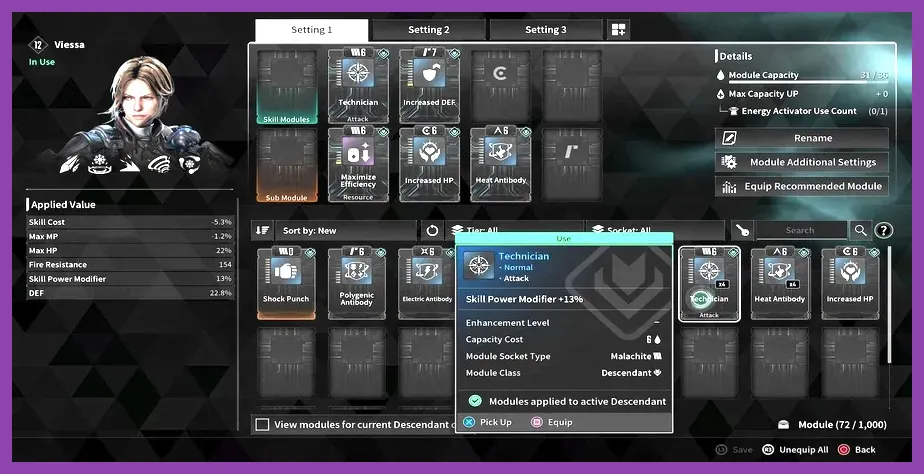
Unlike traditional role-playing games that feature a dedicated permanent skill tree reset button, The First Descendant manages character progression through a flexible Module and Mastery Rank system, meaning you do not need to respec active skills manually since they scale dynamically with equipped Skill Modules and character level. To fundamentally alter your stat distribution, skill power, and cooldown reductions, you simply swap out equipped modules at any safe zone or via your inventory screen without spending special currency.
Understanding How Progression Works Without a Traditional Respec
When players first dive into Nexon's loot-shooter, they often search for a skill reset NPC or a consumable respec item similar to systems found in games like Lords of the Fallen or Lies of P. However, The First Descendant treats your active abilities as inherent traits of your chosen character—such as Bunny, Ajax, or Viessa—that unlock automatically as you level up from 1 to 40. Because your core abilities are permanently unlocked as you gain experience, the concept of "respecing" shifts entirely to how you configure your Descendant Modules, weapon loadouts, and stat-boosting catalysts.
If you want to transition your character from a crowd-control build to a pure single-target damage dealer, you simply unequip current modules and equip alternative ones. If you are looking to optimize your overall performance across different genres, checking out guides like Marvel Future Fight best characters tier list or optimizing performance via Like a Dragon Infinite Wealth best settings can give you a great framework for managing stats and graphical clarity during intense encounters.
Managing Module Capacity and Sub-Stats

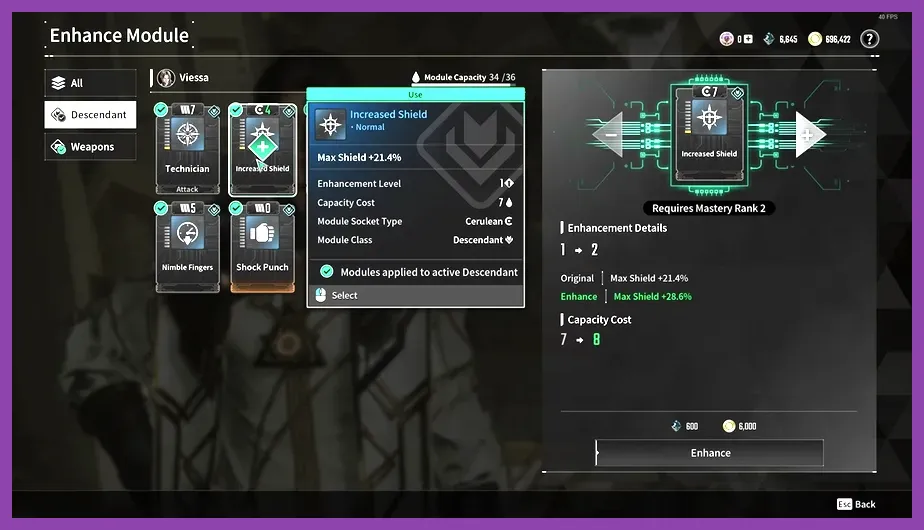
Every Descendant has a maximum Module Capacity that limits how many stat-enhancing mods you can equip at once. As your character increases in level up to Level 40, your baseline Capacity increases, allowing you to slot higher-tier mods that modify skill power, maximum HP, shield capacity, and cooldown timers. If you make a mistake and spend valuable Kuiper Shards upgrading a module you no longer need, you can dismantle or store it safely.
To maximize your build flexibility, keep these core mechanics in mind:
- Module Leveling: Upgrading modules costs Kuiper Shards and Gold. You can dismantle duplicate modules at the module master to recover Kuiper Shards, ensuring your upgrade currency is never permanently wasted on a dead-end build.
- Capacity Expansion: Use an Energy Activator to permanently increase a Descendant's or weapon's maximum module capacity from 50 to 80, giving you massive breathing room to experiment with high-cost transcendent mods.
- Polarity Matching: Matching module polarities with the slot socket type cuts the module's capacity cost in half. If you need to change a socket polarity, use a Crystal Catalyst item obtained from Void Intercept Battles.
Switching Descendants Instead of Respecing
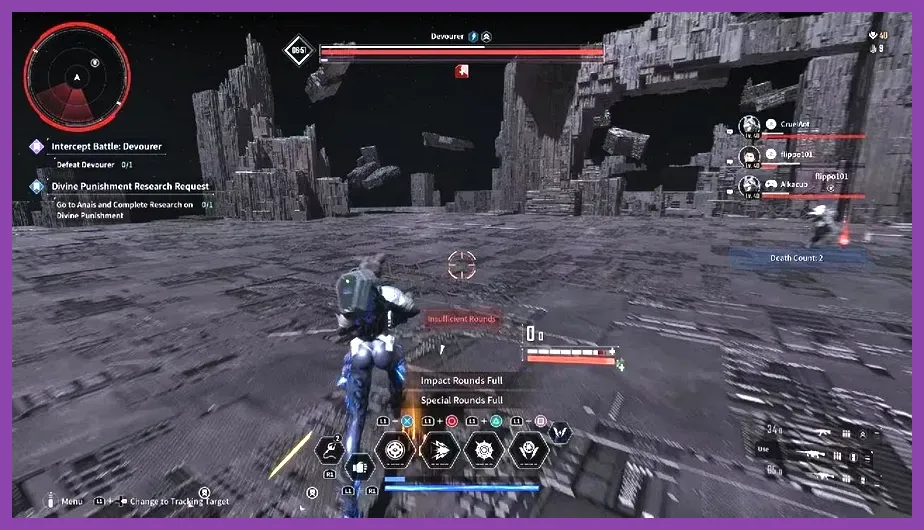
Because each playable character in The First Descendant functions as a completely distinct class with unique passive traits, active abilities, and damage scaling attributes, the most efficient way to change your playstyle is often to switch characters entirely rather than trying to force one character into a role they weren't designed for. For instance, if you get tired of playing a tanking specialist like Ajax, you can instantly switch to a high-mobility nuker like Bunny or a crowd-control specialist like Freyna.
To gear up alternative characters quickly and avoid hitting resource bottlenecks, make sure to read up on efficient progression tactics similar to strategies found in Monster Hunter Wilds leveling guides. Balancing your time between Void Intercept boss fights, Special Operations missions, and infiltrating outposts will yield the necessary Silicon, Carbon Crystal, and other research materials required to unlock new characters rapidly.
Optimizing Mastery Rank for Passive Bonuses
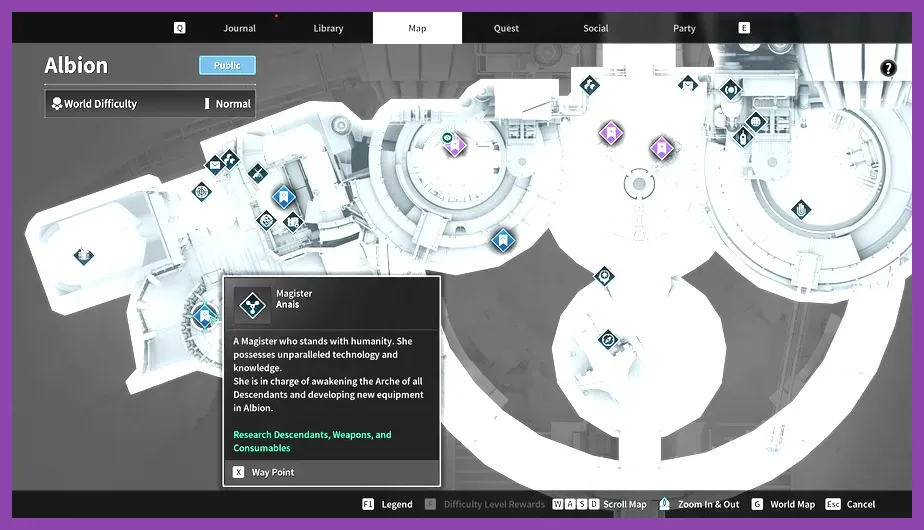
Your overall account progression is tied directly to your Mastery Rank, which increases as you level up different Descendants, weapons, and complete exploration milestones across regions like Kingston, Vespers, and Agna Desert. Raising your Mastery Rank provides account-wide passive benefits such as increased initial module capacity for level 1 characters, larger storage inventories, and faster equipment proficiency gains.
When you start leveling a brand new Descendant from level 1 after switching up your team composition, a high Mastery Rank ensures that your character starts with a higher baseline capacity right out of the gate. This eliminates the sluggish feeling of early-game leveling and lets you slot mid-to-high-tier survivability and skill cooldown modules immediately without grinding for hours first.
Best Practices for Experimenting with Builds
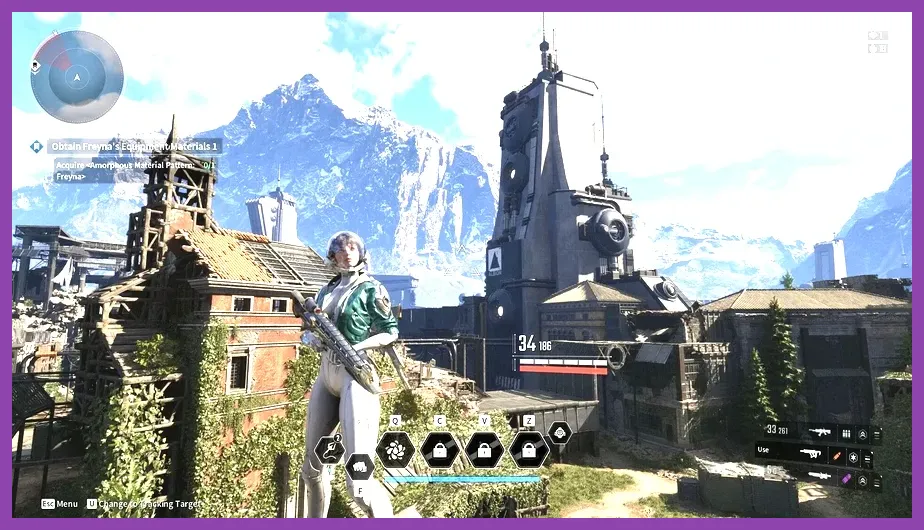
Experimentation is heavily encouraged in The First Descendant official website updates, but wasting rare endgame resources can slow down your progression. Before committing rare items like Energy Activators and Crystal Catalysts to a specific build, test your module combinations in lower-level missions or during public Colossus matchmaking sessions.
Always inspect top-tier player loadouts via the game's leaderboards and community hubs to see which transcendent modules synergize best with specific weapons like the Thunder Cage submachine gun or the Secret Garden tactical rifle. By keeping your module inventory organized, recycling unwanted duplicates for Kuiper Shards, and utilizing the flexible socket system, you can effortlessly reshape your combat capabilities whenever the meta shifts or tougher endgame challenges demand a completely new tactical approach.