
If you’re new to ELEX II, start Jax as a durable melee fighter with a bow backup: push Strength and Constitution first, unlock Melee Weapons and Ranged Weapons, then add Survival skills that improve healing, loot, and stamina. This setup is forgiving, cheap to maintain, and strong enough to carry you through the opening trip from the Bastion to the Fort.
ELEX II is not an RPG that rewards dumping every point into the biggest damage number. Weapons have attribute requirements, many skills need specific personality or combat prerequisites, and enemies punish a character who cannot survive one mistake. The best starting build gives you a clear weapon target while leaving enough flexibility to join the Berserkers, Clerics, Morkons, Albs, or Outlaws later.
This guide assumes a fresh playthrough on the default difficulty. The same plan works on Hard, but you’ll need to delay optional fights and rely more heavily on companions. Before you begin, it’s worth checking the official ELEX II Steam page for current patches and system information. ELEX II can be rough around the edges, so our PC troubleshooting guide is also useful if your installation is stuttering or crashing.
The best ELEX II starting build for beginners

The safest opening archetype is a Strength-first Vanguard: one-handed or two-handed melee as your main damage source, a bow for pulling enemies, and enough Constitution to keep Jax alive when a fight becomes messy. You are not trying to build a perfect endgame character immediately. You are building a character who can reach trainers, collect Elexit, and defeat normal monsters without reloading every five minutes.
| Build Element | Early Target | Why It Matters | Priority |
|---|---|---|---|
| Strength | 30, then 40 | Opens stronger melee weapons and improves physical damage | Highest |
| Constitution | 25-30 | Improves survivability and supports defensive skills | High |
| Dexterity | 20-25 | Lets you use a practical bow backup | Medium |
| Intelligence | 20 | Useful for selected utility and faction skills | Low |
| Cunning | 20 | Supports dialogue and utility options | Low |
| Combat skills | Melee Weapons, Ranged Weapons | Improves weapon damage and unlocks combat progression | Highest |
Attribute numbers in ELEX II are targets, not commandments. The game’s attribute-point cost rises as an attribute gets higher, so forcing Strength straight to 60 is inefficient during the first several levels. Bring Strength to the requirement of the next weapon you genuinely want, then invest in Constitution until Jax can survive two or three hits from ordinary creatures.
Dexterity belongs in the build because bows solve problems that swords cannot. A ranged weapon lets you pull one enemy from a pack, interrupt a weak target, or deal damage while a companion holds attention. Don’t turn Jax into a full archer, though. Bow ammunition and stamina management make pure ranged combat less comfortable for a first run, especially when enemies close the distance.
Why melee beats a pure ranged opening
Melee weapons are always available, do not depend on ammunition, and become much more reliable once you understand ELEX II’s stamina rhythm. The important lesson is to stop attacking before the bar empties. A full stamina drain leaves Jax unable to dodge or continue a combo, which is exactly when a Raptor, Cyclops, or Alb Raider lands its strongest hit.
Use normal attacks to build pressure, watch the enemy’s animation, then dodge sideways rather than backward. Many creatures cover more ground than expected with a lunge. A sideways dodge makes the attack miss while keeping you close enough to punish the recovery animation. Companions are excellent distractions, but they are not a substitute for reading enemy telegraphs.

🎮 ELEX II
Looking to experience this game? Grab your digital key directly on our store for $12.49.
View on Steammoz Store →Exact stat and skill priorities from the Bastion onward
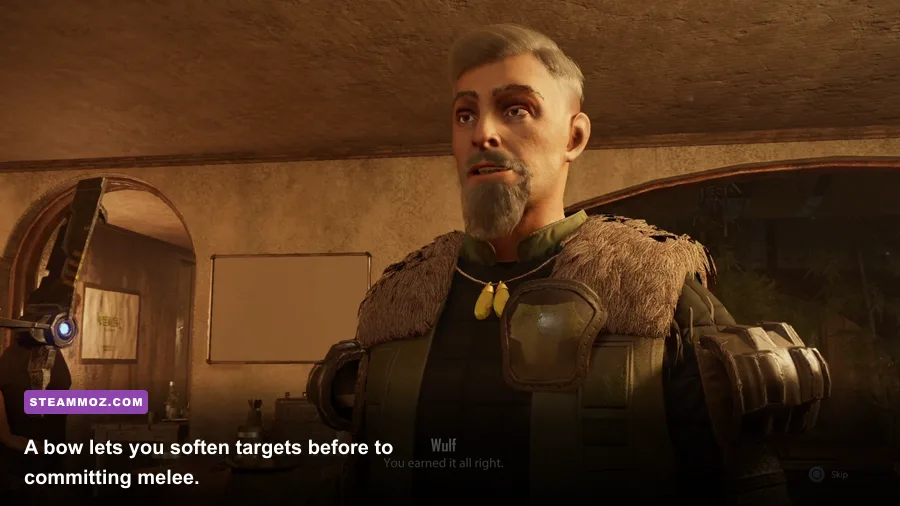
Jax begins the sequel weakened and stranded near the Bastion, so your first goal is not faction loyalty. It’s rebuilding a functional combat loop. Explore nearby areas, complete safe quests, sell surplus weapons, and use the Bastion as a return point before pushing into stronger monster territory.
Levels 1-5: survive before specializing
Spend the first attribute points on Strength and Constitution in roughly a two-to-one split. If your next weapon needs Dexterity, put a few points there instead of blindly following the ratio. Skill points should go into combat access first. Unlock Melee Weapons as soon as you meet its trainer and requirements, then take Ranged Weapons when the bow requirement becomes realistic.
Do not buy every skill that looks attractive. ELEX II has tempting options such as Pickpocket, Lock Picking, Chemistry, Animal Trophies, Mining, and extra dialogue abilities. They are valuable, but a beginner who spends all early Learning Points on utility can end up with a wealthy Jax who still cannot kill a single strong beast. Combat first; convenience second.
Levels 6-12: build the engine
Raise Strength toward 40 and Constitution toward 30, adjusting for weapon requirements. Add skills that improve melee damage, stamina management, or survivability. If a trainer offers a skill that requires a faction, wait. You can revisit that decision after learning how you actually like to fight.
Once you have a reliable weapon, start investing in Lock Picking and Animal Trophies. Lock Picking pays for itself through chests in ruins, while Animal Trophies increases the value of the creatures you were already killing. Chemistry is also excellent if you plan to craft healing items, but it is not mandatory for this starter build. The beginner-build lessons from Children of Silentown apply here too: early utility is powerful only after your core survival loop works.
| Level Range | Attribute Plan | Skill Recommendation | Gear Goal |
|---|---|---|---|
| 1-5 | Strength first, Constitution second | Melee Weapons; basic utility only | Any upgraded sword, axe, or club with a manageable requirement |
| 6-8 | Reach the next melee requirement | Ranged Weapons if Dexterity allows | Main melee weapon plus bow and arrows |
| 9-12 | Constitution toward 30 | Lock Picking, Animal Trophies, defensive combat skills | Damage upgrade, armor pieces, healing stock |
| 13+ | Strength toward 50, then balance defenses | Faction skills and preferred weapon specialization | Faction weapon or a strong upgraded weapon |
Learning Points are precious because trainers charge Elexit as well as requiring the right attributes. Before visiting a trainer, sell duplicate weapons, ammunition you don’t use, and low-value junk. Keep food, healing items, lockpicks, and crafting materials. A full inventory is not a sign of progress if it prevents you from paying for the skill that actually changes combat.
Weapons, companions, and the gear that actually helps

Your first weapon should be chosen by requirement and moveset, not by the damage number alone. A slightly weaker sword that Jax can swing without exhausting his stamina is better than a massive weapon you can barely use. Check the weapon screen before spending attribute points, and remember that upgraded or modified weapons can remain useful longer than their base stats suggest.
Use a sword or axe as your main hand
One-handed weapons are the most forgiving while learning enemy timing. They leave room for dodges and let you recover from a mistimed swing more quickly than many heavy options. Two-handed weapons hit harder and can become superb later, but their slower animations make early fights more dangerous when you do not yet know enemy reach.
Keep the bow equipped even if its damage looks mediocre. Open with a charged shot against a lone creature, then switch to melee as it approaches. Against groups, shoot the weakest target first and back toward open ground. Never pull a pack while standing beside a cliff, explosive object, or narrow doorway; ELEX II’s camera and collision can turn a simple retreat into a disaster.
Let companions create openings, not finish every fight
Companions such as Caja, Falk, Nasty, CRONY U4, Bully, and Nyra each bring different dialogue and combat value. Caja is especially useful early because her ranged pressure can distract enemies while Jax closes in. Falk can be a strong partner once you recruit him, while Nasty’s aggressive style suits players who like to keep enemies occupied at close range.
Companion damage varies by situation, and their artificial intelligence can be inconsistent around terrain. Use them to split attention, then focus your attacks on the enemy already facing the companion. Don’t stand directly behind your ally and spam attacks; enemy area swings can catch both of you. Circle to the side, land two or three hits, and disengage before your stamina reaches empty.
For armor, prioritize protection and usable bonuses over fashion. Complete quests in the Fort and other settlements before buying expensive faction gear. You’ll often find armor, rings, amulets, and weapons as quest rewards, making early purchases a poor use of Elexit. If you’re comparing performance while exploring dense settlements, Steamoz’s smooth-FPS settings guide offers practical optimization habits that carry over to ELEX II.
Combat rotation and the mistakes that kill new Jax players

The starter rotation is deliberately simple: pull with the bow, let the enemy commit, dodge sideways, land a short melee combo, and retreat before stamina runs out. Repeat. ELEX II rewards controlled bursts far more than constant button mashing, especially against larger monsters with armor or wide area attacks.
The four-step fight pattern
- Scout first. Use the compass and camera to identify extra enemies. A single Raptor is manageable; three Raptors attacking from different angles can stun-lock an underleveled Jax.
- Pull one target. Fire a bow shot or step into aggro range, then retreat to clear ground. Avoid starting fights beside lootable objects or steep slopes.
- Punish recovery. Wait for the enemy’s lunge, swipe, or leap to finish. Dodge through or sideways, then attack while the animation recovers.
- Reset stamina. Stop attacking when the stamina bar is low. Blocking, walking, and repositioning are better than gambling on one more hit.
Large enemies telegraph their attacks clearly once you stop staring only at the health bar. A creature raising its body or drawing back a limb is usually preparing a committed strike. Humanoid enemies often lift their weapon before a horizontal swing; dodge toward the outside of that swing rather than directly away. Jetpack movement can help you escape a bad position, but it consumes fuel and should not replace normal footwork.
| Danger | What You’ll See | Counter | Best Tool |
|---|---|---|---|
| Fast creature lunge | Enemy lowers its body and pauses briefly | Side-dodge, then attack recovery | One-handed melee weapon |
| Wide melee sweep | Humanoid pulls weapon far to one side | Move outside the swing arc | Dodge and short combo |
| Enemy pack | Multiple health bars converge | Retreat and isolate one target | Bow pull plus companion aggro |
| Low stamina | Bar empties during a combo | Stop attacking and reposition | Shield, dodge, or open space |
| Ranged attacker | Projectile charge or aiming animation | Break line of sight or rush the shooter | Terrain and jetpack repositioning |
The biggest beginner trap is treating every red enemy marker as a challenge you should beat immediately. Some monsters are placed to communicate that Jax is not ready. Leave them, mark the location, and return after two or three levels, better armor, and a weapon upgrade. ELEX II’s world is built around that loop, not a clean level-scaled path.
When to join a faction and how to avoid ruining the build
Visit the major factions before committing. The Fort introduces the Berserkers, the Crater is tied to the Outlaws, the Grotto belongs to the Morkons, the Castle houses the Albs, and the Clerics maintain their own influence. You can complete a surprising amount of early faction content before making the final choice, so there is no reason to rush because one recruiter offers a flashy weapon.
The Berserkers are the cleanest match for this beginner build because their identity naturally supports direct combat, physical weapons, and straightforward progression. That does not make them objectively superior. Cleric abilities can complement a hybrid weapon user, Morkon skills can suit aggressive close-range play, and the Albs offer a different route for players who prefer technology and ranged options.
Keep a reserve of at least several thousand Elexit before joining. You’ll want money for trainers, ammunition, lockpicks, healing items, and occasional weapon upgrades. Also save before faction conversations. Some quest choices alter reputation or close off later outcomes, and ELEX II rarely announces those consequences in giant warning text.
Once your Strength is around 40, Constitution is near 30, and you have both a dependable melee weapon and a bow, the build has done its job. From there, specialize based on your favorite combat rhythm. Push Strength for heavier melee requirements, raise Dexterity if bows have become your main opener, or invest in Intelligence and Cunning for a more dialogue-heavy character. The early plan gives you room to pivot instead of trapping you in a fragile gimmick.
For more RPG progression advice, Steamoz’s run-saving tips are useful when you’re deciding what to carry and when to retreat. You can also follow THQ Nordic’s official ELEX II page and the ELEX II community wiki for faction and item references. Build Jax around a weapon you can use now, keep the bow ready, and let the tougher parts of Magalan wait until you’re the one setting the terms of the fight.