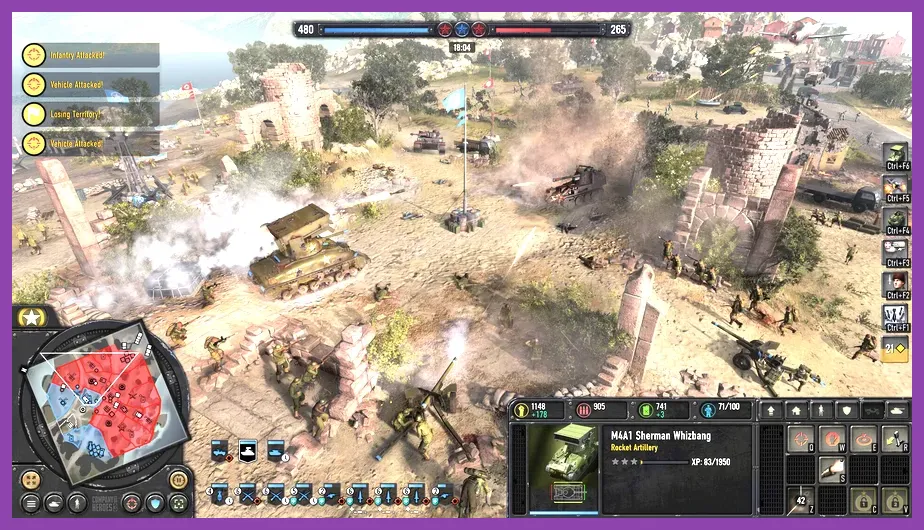
Mastering Relic Entertainment's real-time strategy masterpiece requires understanding resource management, unit positioning, and the intricate cover system right from your very first match. To survive the brutal campaigns and competitive multiplayer matches, you must prioritize capturing fuel and munitions points over aggressive map-clearing, utilize the tactical pause feature in single-player to issue accurate queued orders, and always keep your infantry squads protected behind heavy green cover rather than exposed yellow terrain. If you are transitioning from other strategy titles like Manor Lords, shifting your mindset from resource hoarding to relentless territory control is the single most important adjustment you can make.
Mastering the Resource Economy and Territory Control
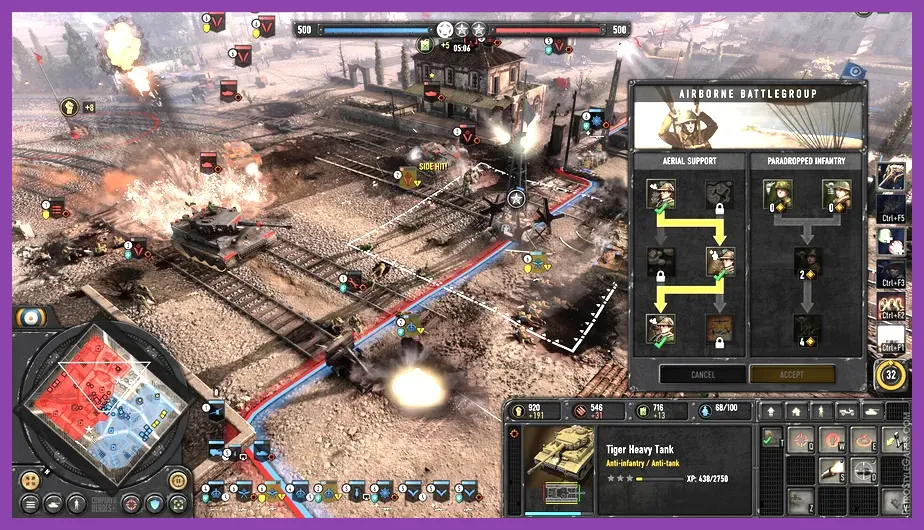
The foundation of every victory in Company of Heroes 3 rests on your ability to manage three distinct resources: Manpower, Munitions, and Fuel. Manpower is your primary income used to field standard infantry squads like the US Forces Riflemen or the German Grenadiers. Munitions are required to purchase weapon upgrades such as the M1919 Browning LMG or Panzershrecks, as well as lethal abilities like grenades and artillery strikes. Fuel is the most critical late-game resource, dictating when you can roll out game-changing armor like the M4 Sherman or the Panzer IV.
Do not let your squads sit idle. Constantly probe enemy territory with cheap Recon units or fast-moving Light Vehicles like the Canadian Dingo or Kettenkrad. Every sector you capture directly feeds your income. If you find yourself starved for fuel, consider building the U.S. Forces Mechanized Company or checking out advanced meta builds discussed on the official Company of Heroes website. Remember that cutting enemy supply lines by capturing connecting sectors neutralizes their resource generation entirely, even if they still hold the fuel point itself.
Understanding the Cover System and Unit Positioning
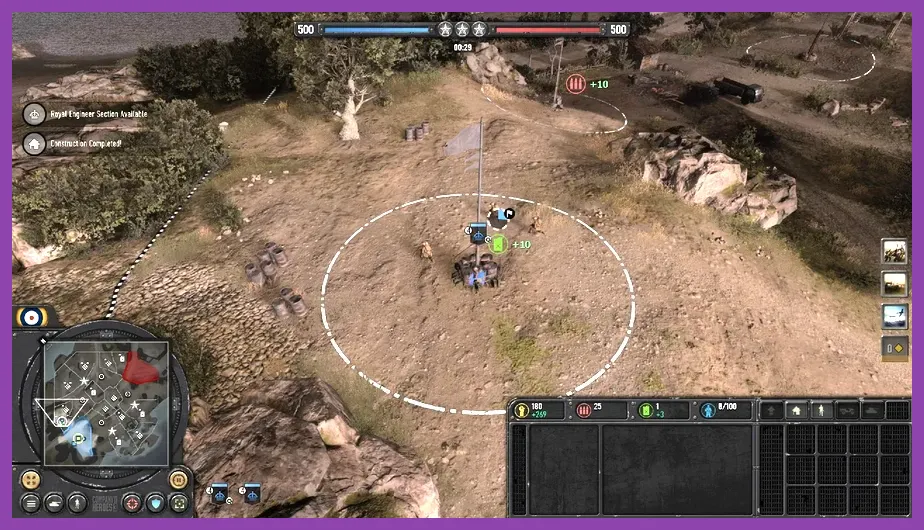
Combat in Company of Heroes 3 is heavily dictated by terrain. Never leave your infantry standing out in the open, where they will suffer massive suppression and rapid annihilation. Units automatically seek out cover when moved near walls, craters, sandbags, and hedgerows. Understanding the color-coded cover system is mandatory for survival:
- Green Cover: Heavy cover (stone walls, heavy ruins) offering maximum damage reduction and bullet deflection.
- Yellow Cover: Light cover (wooden fences, shallow craters) providing minimal protection against heavy machine gun fire.
- Red Indicator: Represents zero cover, leaving your squads entirely vulnerable to flanking maneuvers and high explosives.
Positioning your Heavy Machine Guns (HMGs) like the Vickers or MG42 is equally vital. Ensure their firing arcs cover critical choke points and capture roads, but always protect their flanks with anti-infantry squads. An unprotected HMG is easily flanked and destroyed by a single enemy squad tossing a smoke grenade or high-explosive ordnance.
The Art of Retreating and Veteran Preservation
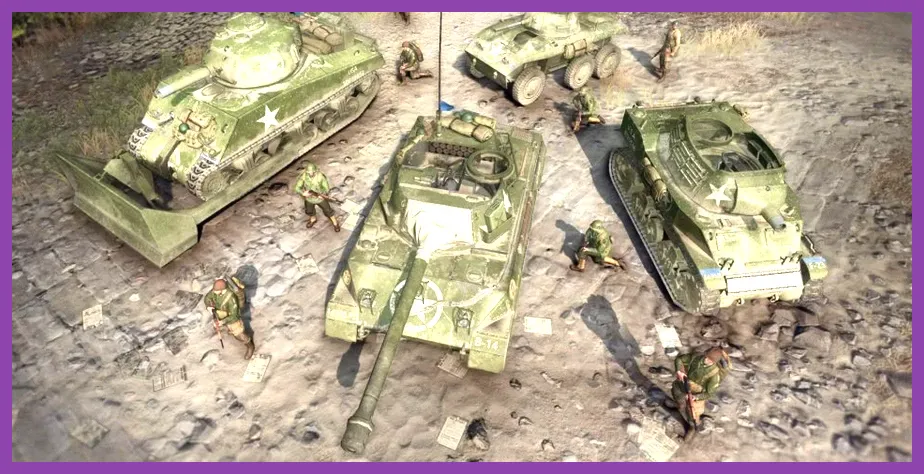
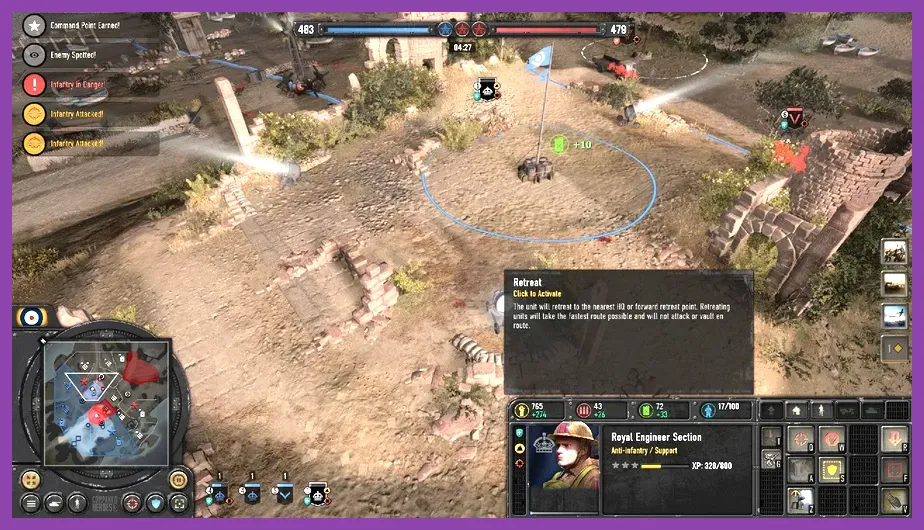
One of the hardest habits for genre newcomers to break is fighting to the death. In Company of Heroes 3, keeping your squads alive allows them to gain valuable veterancy levels, which drastically increases their rate of fire, accuracy, and survivability. When an infantry squad drops below half health or faces overwhelming armor, you must hit the Retreat button (default hotkey: 'T').
Retreating squads run faster, receive heavy damage reduction while fleeing, and path automatically back to your headquarters or nearest command truck to reinforce lost models for a fraction of their original Manpower cost. For more tactical optimization tips across various strategy and action games, you can also explore guides like Nine Sols optimization advice to ensure your hardware runs intense tactical battles without stuttering or input lag.
Tank Combat and Armor Angling Mechanics
Once the mid-game arrives, armored vehicles dictate the flow of battle. However, simply throwing tanks into a direct frontal assault against enemy anti-gun positions or stronger armor will result in a swift and costly defeat. Company of Heroes 3 features realistic directional armor mechanics. Frontal armor values are exceptionally high, while side and rear armor values are thin and easily penetrated.
Always micro-manage your tanks to keep their front facing the primary threat. When engaging enemy armor like a Tiger or a Churchill, use fast-moving tank destroyers like the Hellcat or lighter armored cars to flank the target, forcing the turret to traverse slowly while you pummel its vulnerable rear engine deck. Combine this strategy with coordinated artillery support and repairs from combat engineer squads to keep your armored spearhead operational.
Choosing and Utilizing Battlegroups Effectively
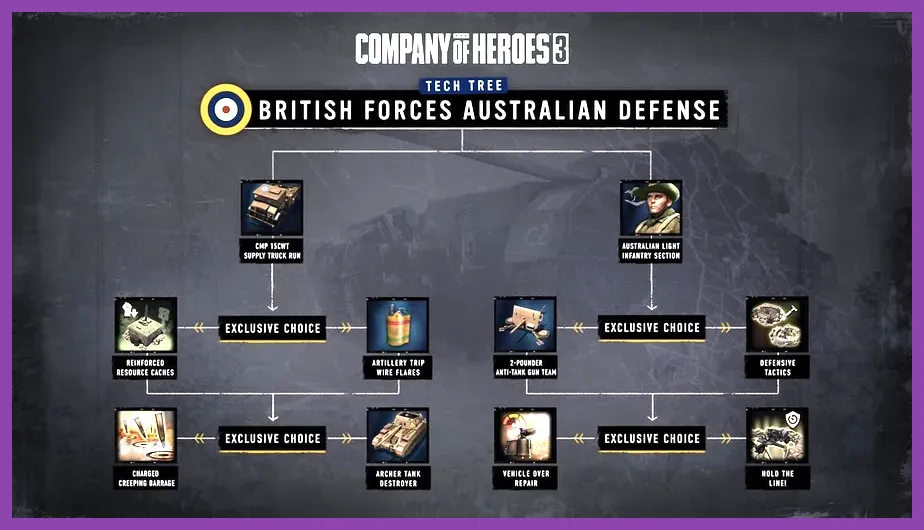
Before launching into battle or right at the start of a match, you must select a specific Battlegroup. These function as specialized sub-factions that alter your strategic doctrines, unlock off-map artillery, call in specialized elite infantry, or deploy heavy breakthrough tanks. For example, the U.S. Forces Special Operations Battlegroup grants access to commandos and silent infiltration tactics, whereas the German Afrikakorps Italian Combined Arms doctrine focuses on swift mechanized sweeps.
Spend your Command Points wisely as they accumulate throughout the match. Do not hoard them indefinitely, but avoid unlocking abilities blindly without considering your immediate map needs. If the enemy is spamming heavy tanks, immediately invest your points down anti-armor branches. To stay updated with the latest balance patches, community map pools, and tournament metas, bookmark the official Company of Heroes 3 Steam Store Page.
Managing Queued Orders and Tactical Pause
Real-time strategy games demand high actions-per-minute (APM), which can easily overwhelm players who are new to the franchise. Fortunately, Company of Heroes 3 features a robust tactical pause feature in single-player campaigns. By pressing the spacebar, you can freeze the action entirely, assess enemy movements, and issue complex multi-step movement and attack orders to all your platoons.
In multiplayer, while you cannot pause the match, you should heavily rely on shift-queuing orders. Hold down the Shift key while issuing movement commands, capture orders, and weapon crew deployments to create precise patrol routes and tactical maneuvers without letting your units idle. Mastering these fundamental control mechanics will rapidly elevate your gameplay, turning you from an overwhelmed recruit into an unstoppable tactical commander.