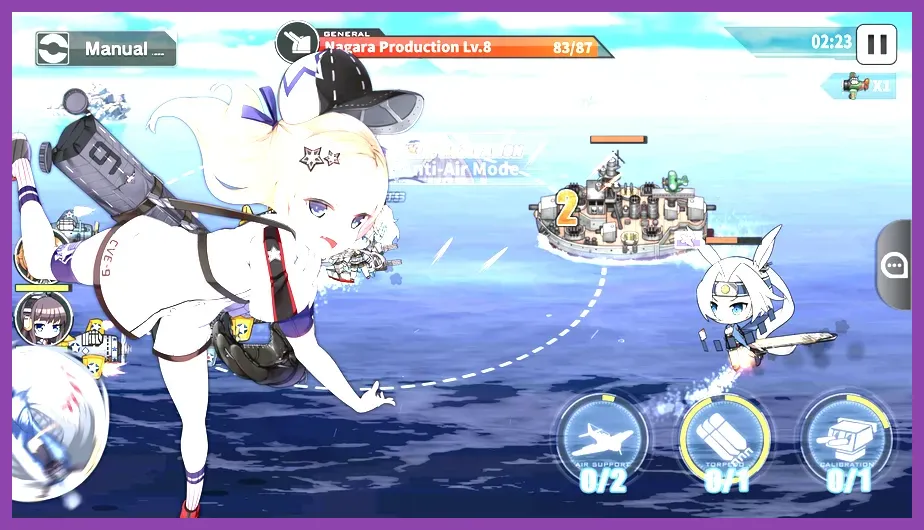
Mastering Azur Lane requires understanding ship classifications, stat scaling, optimal gear loadouts, and meta synergies across both Vanguard and Main Fleet slots. To build an unstoppable armada, you must evaluate shipgirls based on their base efficiency multipliers, skill activations, and specific utility in high-end content such as Operation Siren and World 15 campaign nodes. This comprehensive character guide breaks down the absolute best shipgirls, foundational team composition rules, equipment pairings, and retrofit priorities to optimize your dockyard.
Understanding Fleet Composition and Roles
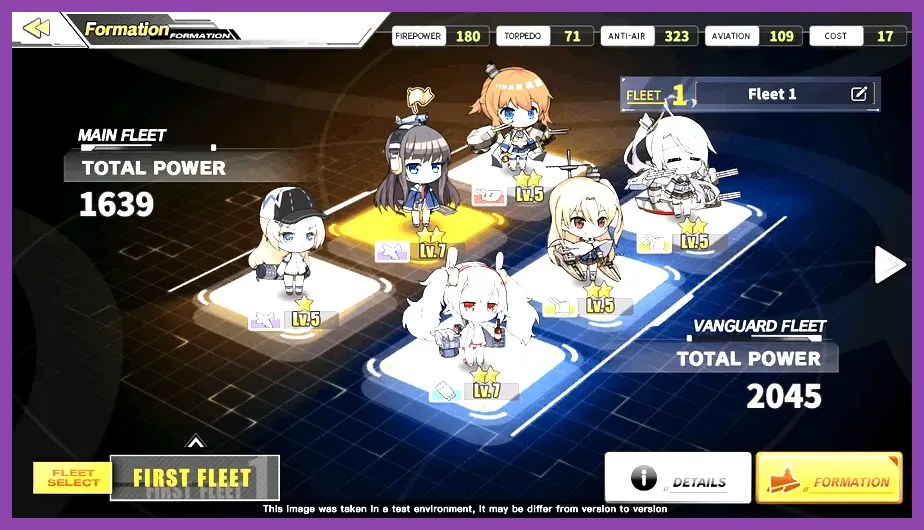
An effective Azur Lane fleet is split into two distinct sections: the Main Fleet (Backline) and the Vanguard (Frontline). The Main Fleet consists of Battleships (BB), Battlecruisers (BC), Aircraft Carriers (CV), Light Carriers (CVL), and Monitors. The Vanguard features Destroyers (DD), Light Cruisers (CL), and Heavy Cruisers (CA). Balance is vital; running a team devoid of anti-air (AA) capabilities will cause catastrophic failures in later campaign stages, while ignoring frontline tanking potential leaves your high-damage backline vulnerable to suicide boats and torpedo waves.
When assembling your squads, pay close attention to flagship requirements. Many powerful backline units, such as Friedrich der Große or Bismarck Zwei, feature enhanced barrage patterns or defensive buffs when positioned in the center flagship slot. Similarly, your Vanguard needs a designated lead tank—typically a heavy cruiser with high HP and evasion stats like Agir or Prinz Heinrich—to absorb incoming shellfire while protected by secondary utility ships or smokescreen-wielding destroyers like Laffey II.
S-Tier Main Fleet Dominators

Main fleet damage dealers dictate how quickly you can clear bosses and mobs. At the absolute apex of the meta sit elite Ultra Rare (UR) units that redefine combat efficiency. New Jersey remains a premier battleship choice due to her devastating barrage, massive firepower stat scaling, and cross-fleet buffs that elevate allied damage output. Her skill Big J's Vivacious Venture ensures high critical hit rates and guaranteed armor-breaking status on key targets.
On the carrier side, Shinano and Hakuryuu dominate aerial warfare. Shinano acts as a supreme aviation flagship, boosting Sakura Empire fleets while launching devastating torpedo bomber payloads. Meanwhile, Implacable offers incredible utility through her time-stopping skill Stagnant Waters, locking enemy bosses in place to ensure 100% convergence-bomber hit rates. For players looking to diversify their roster, reviewing resources like the-first-descendant-best-weapons-tier-list-2026 provides insight into how meta hierarchies evolve across different strategic RPG titles.
Elite Vanguard Anchors and Torpedo Masters
Your frontline needs to survive punishing crossfire while outputting consistent DPS. Agir, a research-yard PR4 flagship, stands as the premier tank in Azur Lane, boasting heavy armor, an effective crowd-control skill via her magnetic-torpedo-like mechanic, and incredible damage mitigation. For players preferring rapid-fire gunboat playstyles, Anchorage and Plymouth offer exceptional defensive shields and stat debuffs that synergize seamlessly with royal navy backlines.
Destroyers also play a critical role in niche setups, particularly against light-armor bosses. Laffey II, following her retro-style operational overhaul, functions as an unstoppable frontline engine with infinite healing triggers, massive evasion rates, and constant barrage generation. If you are transitioning from action-heavy exploration titles reminiscent of subnautica-2-best-class-for-solo-players, managing Azur Lane's tactical positioning requires a similar appreciation for spacing and timing skill activations during bullet-hell phases.
Optimal Equipment and Gear Loadouts

Even the strongest Ultra Rare shipgirls will underperform without maxed-out +13 equipment. Gear optimization depends entirely on a ship's weapon efficiency and stat modifiers. For battleships, the Prototype 406mm/50 Triple Main Gun Mount and the Twin 406mm (SK C/34 Prototype) remain gold standards for heavy armor penetration. Carriers must be equipped with converging torpedo bombers like the Breguet Br.810 or Ju-87 D4 to maximize burst damage during frozen boss frames.
Auxiliary equipment slots can make or break your ship's survivability. Frontline tanks universally benefit from the Repair Toolkit combined with the High-Performance Hydraulic Steering Gear to skyrocket evasion against high-level enemy accuracy stats. For deeper tactical customization, exploring guides such as summoners-war-best-skills-to-max-first highlights the importance of prioritizing foundational stats before investing into niche secondary mechanics.
Maximizing Efficiency Through Retrofits

Retrofitting older Super Rare and Elite ships is one of the most cost-effective ways to modernize your dockyard. San Diego and Yuudachi both received game-changing retrofits that instantly catapulted them back into high-tier play. San Diego Retrofit gains an absurd Anti-Air stat pool capable of vaporizing World 13 and 14 aviation waves single-handedly, while adding a devastating barrage skill that triggers every 15 seconds.
When planning your blueprint allocation, prioritize upgrading ships that fill immediate gaps in your fleet roster. Prioritizing core progression elements mirrors the strategic planning found in survival management guides like stardew-valley-16-how-to-farm-gold-fast, where resource efficiency dictates long-term success. Always ensure you have sufficient gold and specific blueprint types (Destroyer, Cruiser, or Battleship) farmed from Hard Mode stages before committing to final node upgrades.
Tackling Endgame Content and Operation Siren
Endgame content tests the limits of your entire dockyard, requiring up to four fully optimized fleets. Operation Siren (OpSi) introduces specialized boss mechanics, status ailments, and adaptive tuning requirements. To clear Arbiter encounters and stronghold zones effortlessly, you must construct dedicated boss-melting squads alongside mob-clearing sustain fleets equipped with independent healing ships like Unicorn Retrofit or Perseus.
Unicorn Retrofit is an absolute must-have for any commander progressing through mid-to-late game stages, providing pre-loaded airstrikes that heal the vanguard upon entering battle. For additional tactical insights into managing complex tactical setups, consult stalker-2-how-to-respec-skill-points to understand how reallocating core resources adapts your playstyle to harsher environmental conditions. Keep your gear enhanced, monitor morale levels to maintain high combat exp gains, and continuously adapt your fleet formations to conquer Azur Lane's most demanding challenges.