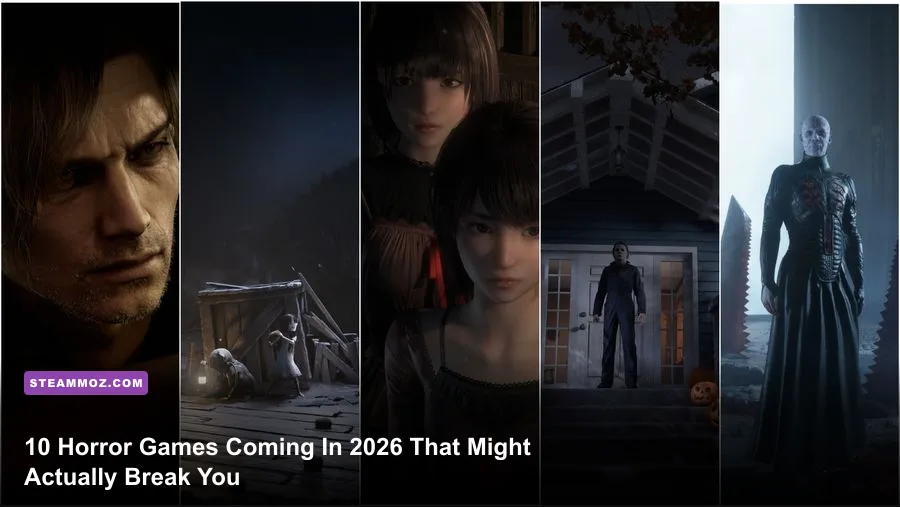
If you want games that will genuinely mess with your head in 2026, look at Silent Hill f, Resident Evil Requiem, Mundaun 2, and a wave of found-footage indies like Amanda the Adventurer 2 — these are the titles combining smart sound design, unpredictable AI, and psychological pacing instead of just jump-scare spam. This isn't a "scary because it's new" list. Every game here earns its spot because of a specific mechanic, monster design choice, or pacing trick that actually gets under your skin. Let's break down why.
Why Most "Horror" Games Don't Actually Scare Anyone Anymore
Here's the uncomfortable truth: jump-scare fatigue is real. After a decade of loud stingers and predictable "door slams shut behind you" moments, most horror games just don't land anymore. What actually works in 2026 is dread pacing — long stretches of silence, unreliable audio cues, and enemies that don't behave the same way twice. Games like Amnesia: The Bunker proved that a generator you have to manage while a monster hunts you is scarier than any scripted scare, because the threat is systemic, not scripted. The best 2026 releases lean into this same philosophy: dynamic AI, permadeath stakes, and sound design that makes you question your own speakers.
The Full 2026 Horror Lineup, Ranked
Here's the tier breakdown based on confirmed gameplay footage, developer interviews, and hands-on previews from Gamescom and Summer Game Fest.
| Rank | Game | Studio | Why It's Terrifying |
|---|---|---|---|
| 1 | Silent Hill f | Konami / NeoBards | Feudal Japan setting, body horror transformations tied to emotional trauma |
| 2 | Resident Evil Requiem | Capcom | First-person forced sections, Raccoon City lore callbacks, adaptive stalker enemy |
| 3 | Mundaun 2 | Michel Ziegler | Hand-drawn pencil art style amplifying folk-horror unease |
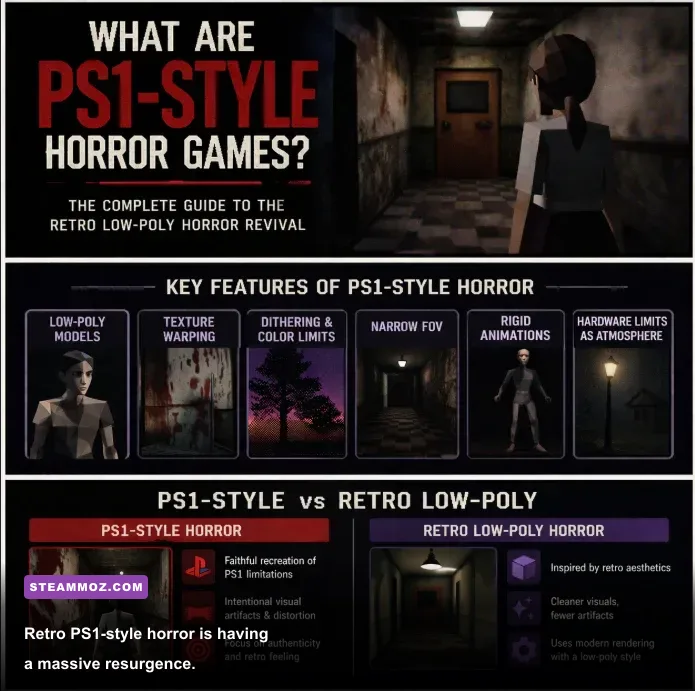
| 4 | Crow Country: Ashfall | SFB Games | PS1-era tank controls forcing slower, panicked decision-making |
| 5 | Amanda the Adventurer 2 | MANGLED MEDIA | Found-footage VHS aesthetic with corrupted "kids show" segments |
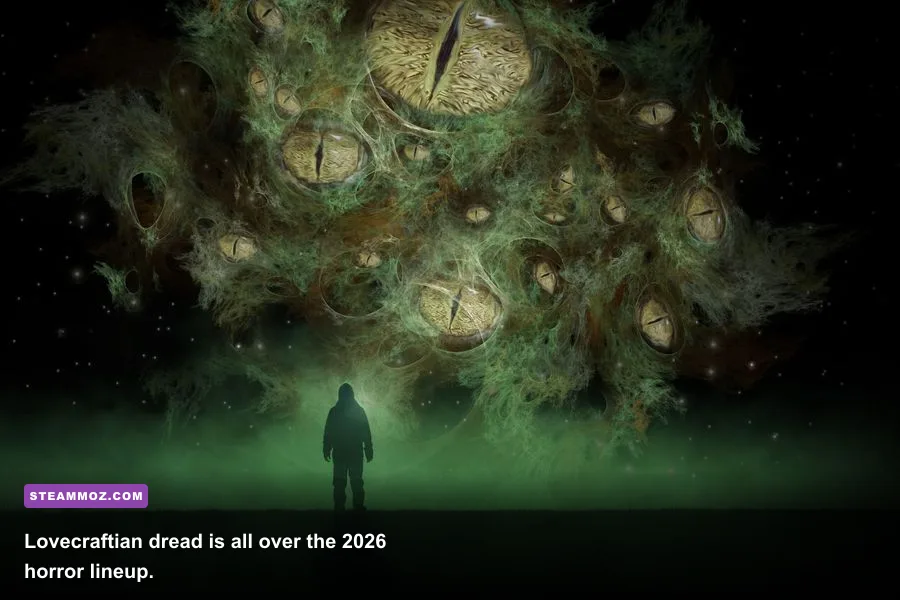
| 6 | Dread Delusion: Nightfall | Lovely Hellplace | Cosmic horror open world with sanity-based visual distortion |
| 7 | Fatal Frame: Mask of the Lunar Eclipse Remaster | Koei Tecmo | Camera Obscura mechanic still unmatched for tension |
| 8 | The Outlast Trials: Chapter 3 | Red Barrels | Co-op horror where teammates can betray you under duress mechanics |
| 9 | Visage 2 | SadSquare Studio | Procedural haunted house layout that changes each playthrough |
| 10 | Cronos: The New Dawn | Bloober Team | Time-loop horror mixing body horror with Silesian folklore |
S-Tier: Silent Hill f Changes Everything About the Franchise
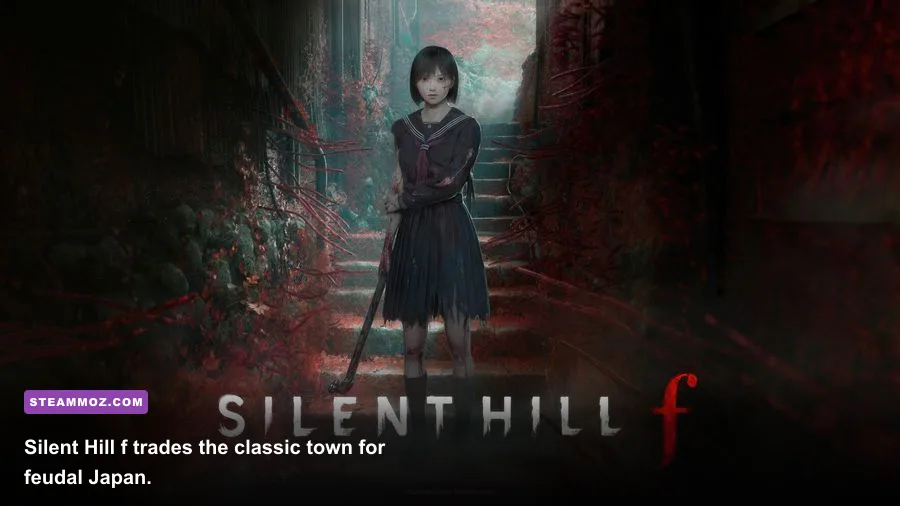
Silent Hill f ditches the fog-choked American town for 1960s rural Japan, and honestly, that setting shift alone makes it terrifying in a new way. The monster designs — twisted flower-woman hybrids born from the protagonist Hinako's repressed trauma — aren't just gross for shock value. Each transformation mirrors specific emotional beats in the story, similar to how Pyramid Head represented James's guilt in Silent Hill 2. The combat is deliberately clunky (you're a teenage girl with a kitchen knife, not a supersoldier), which keeps every encounter feeling desperate instead of empowering. If you loved the psychological weight of the original trilogy, this is the closest the series has gotten to that in years.
What Makes the Sound Design So Effective
Director Al Yang's team recorded binaural audio specifically for headphone playback — footsteps behind you genuinely sound like they're closing in from your left ear, not just a generic stereo cue. Play this one with headphones on. Seriously.
Resident Evil Requiem Is Going Back to Raccoon City (Sort Of)
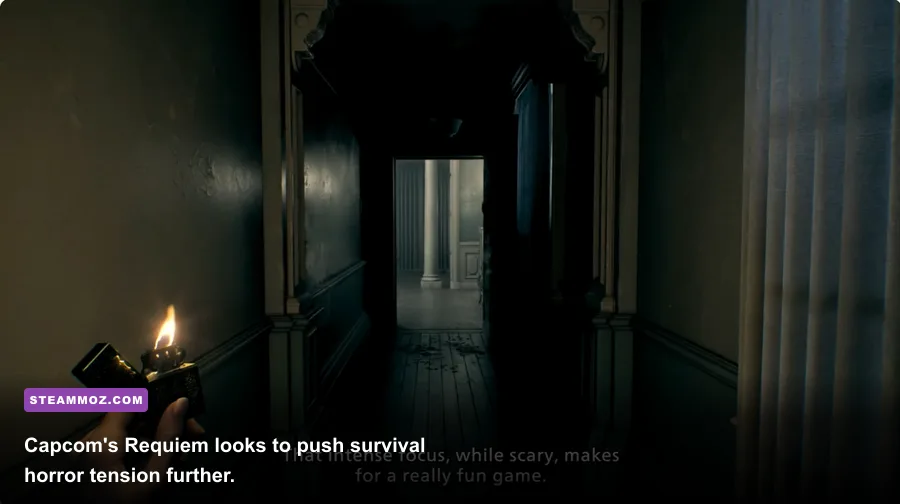
Capcom's RE Engine has never looked better, and Requiem uses it to build something genuinely unsettling: a hybrid first/third-person structure where certain "panic sequences" force you into first-person view with limited peripheral vision. It's a small trick, but combined with the new adaptive stalker enemy — which reroutes its patrol path based on how loud you're being — it recreates that classic Resident Evil 7 dread of never fully knowing where the threat is. Early previews suggest a resource-scarce difficulty curve reminiscent of the original RE2 Remake, where you're constantly doing math on ammo counts instead of just holding down the trigger.
The Retro Horror Revival: Why PS1 Graphics Are Scarier Than 4K
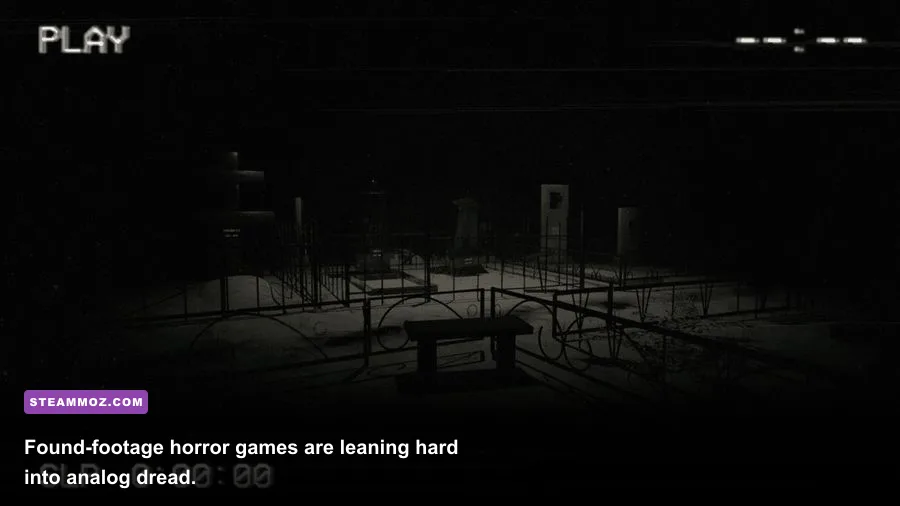
Crow Country: Ashfall and a dozen other 2026 indies are leaning hard into deliberately "bad" graphics — low-poly models, tank controls, fixed camera angles. This isn't nostalgia bait; it's a legit design philosophy. Fixed cameras hide information from you. You can't see what's around the corner because the game physically won't let the camera follow you there. That uncertainty is scarier than any high-fidelity monster model because your brain fills in the blanks with something worse than what the developers could ever render. It's the same reason found-footage horror movies still work decades after The Blair Witch Project.
| Horror Style | Best 2026 Example | Key Technique | Fear Factor |
|---|---|---|---|
| Psychological/Body Horror | Silent Hill f | Trauma-linked monster design | High |
| Survival Resource Management | Resident Evil Requiem | Scarce ammo, adaptive AI | Very High |
| Retro/Fixed-Camera | Crow Country: Ashfall | Limited visual information | High |
| Found Footage | Amanda the Adventurer 2 | Corrupted VHS framing | Medium-High |
| Cosmic/Sanity Horror | Dread Delusion: Nightfall | Visual/audio hallucination system | Very High |
| Co-op Betrayal Horror | The Outlast Trials: Chapter 3 | Trust mechanics between players | Medium |
How to Actually Run These Games Without Tanking Your FPS
Horror games live and die on atmosphere, and a stuttering framerate kills tension faster than anything. If you're running an RE Engine title like Requiem, prioritize a locked 60fps over ray tracing bells and whistles — motion blur and screen-space reflections eat frames without adding much dread. Here's a rough optimization profile that's worked well across early RE Engine and Unreal Engine 5 horror builds:
| Setting | Recommended Value | FPS Impact | Visual Note |
|---|---|---|---|
| Ray Tracing | Off / Medium | +15-20 fps | Barely noticeable in dark corridors |
| Motion Blur | Off | +3-5 fps | Improves clarity during chase sequences |
| Shadow Quality | High | -8 fps | Critical for horror atmosphere, keep this high |
| Volumetric Fog | Medium | -6 fps | Still atmospheric without tanking performance |
| Resolution Scaling (DLSS/FSR) | Quality Mode | +10-12 fps | Best balance of clarity and performance |
If you've had crashing or stuttering headaches with recent horror or VR titles, it's worth checking guides like our breakdown on EscapeVR: The Basement crashing and low FPS fixes — a lot of the same driver and shader-cache tricks apply across engines. Similarly, our piece on ELEX PC fixes that stop crashes covers troubleshooting steps that transfer well to newer titles built on similar middleware.
The Indie Sleepers You Shouldn't Sleep On
Beyond the big names, keep an eye on smaller studios pushing weird, personal horror concepts. Dread Delusion: Nightfall builds an entire sanity meter into its UI — the longer you stare at certain cosmic entities, the more your HUD glitches and distorts, actively lying to you about item counts and map locations. It's a mechanic that punishes curiosity, which is a genuinely clever inversion of how most games reward exploration. Meanwhile, Cronos: The New Dawn from Bloober Team (the studio behind the Layers of Fear series and the Silent Hill 2 remake) mixes time-loop mechanics with body horror, meaning enemies you kill in one loop can come back mutated and smarter in the next.
If you're the type who checks system requirements obsessively before buying (smart move, honestly), it's worth comparing specs across older horror titles too — our guide on Edna & Harvey: Harvey's New Eyes PC requirements is a good reminder that even lower-spec horror games can pack a real punch without needing a beefy rig.
Final Verdict: Which One Should You Actually Play First
If you only pick one, make it Silent Hill f — it's the most complete horror experience on this list, blending story, sound design, and monster design into something cohesive rather than just scary set-pieces strung together. But if you want pure, systemic tension where every decision matters, Resident Evil Requiem is going to be the one people are still talking about a year from now. Either way, 2026 isn't messing around. Dim the lights, put on headphones, and maybe don't play these alone.