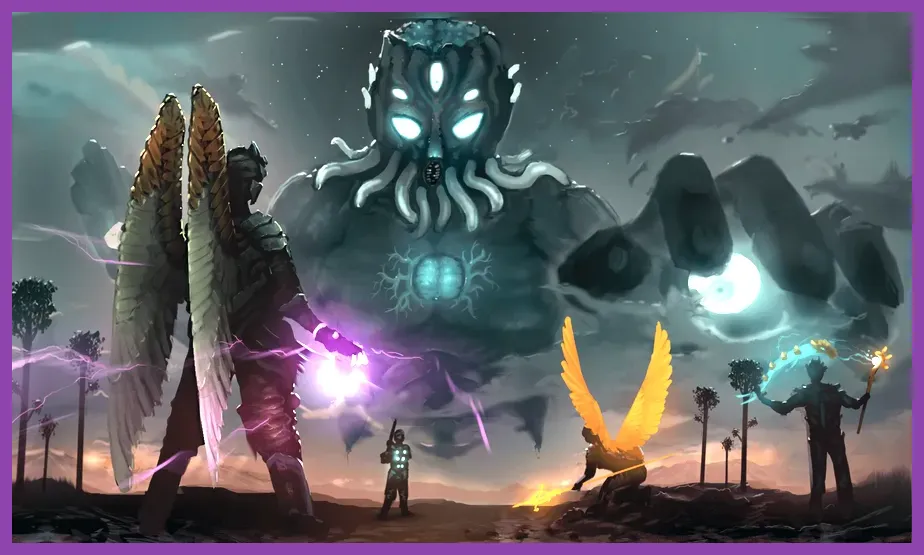
Succeeding in multiplayer Terraria requires balancing your squad's roles into a cohesive team of a melee tank, a ranged DPS, a magic burst dealer, and a minion summoner, utilizing specialized armor sets like Solar Flare and Vortex alongside aggro-shifting accessories like the Flesh Knuckles to maximize survivability and group damage output. To truly master sandbox progression, you need to understand how individual classes complement one another across different stages of the game, whether you are exploring the official Terraria Steam page or checking out the Terraria Official Wiki for drop rates. Coordinating your team roles transforms chaotic boss fights into structured victories.
The Melee Tank and Aggro Control Build
The Melee class serves as the frontline anchor for any serious multiplayer session in Terraria. By stacking defensive accessories and maximizing defense stats, your primary Melee player can facetank devastating boss attacks while the rest of the team safely deals damage from afar. In pre-hardmode, this build relies on Molten Armor for its high defense and fire-melee contact damage. Transitioning into Hardmode, you should immediately farm for Frost Armor or Turtle Armor, eventually upgrading to Beetle Armor with the Beetle Shell chest piece to gain a massive 45% damage reduction stack.
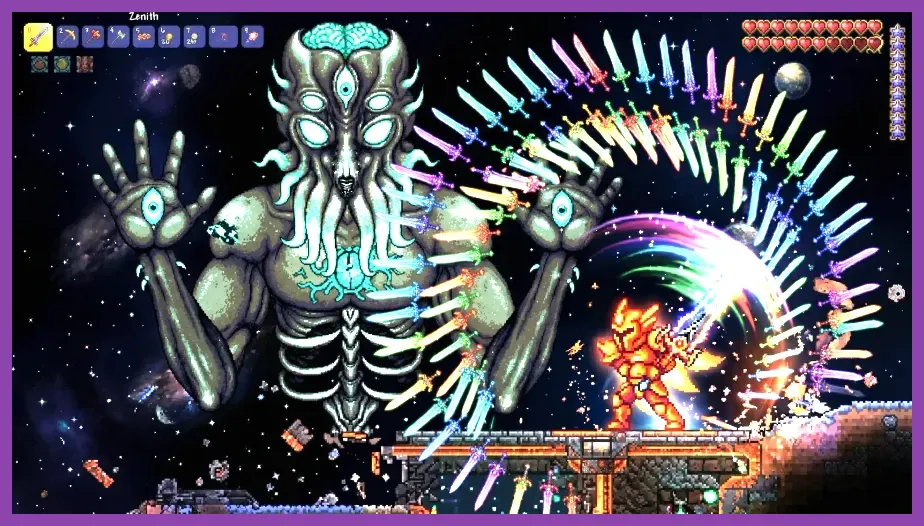
To ensure enemies actually target the tank instead of squishier teammates, equip the Flesh Knuckles (dropped by Crimson Mimics) and the Paladin's Shield. The Flesh Knuckles increase enemy aggro significantly while adding +8 defense, and the Paladin's Shield allows you to absorb 25% of incoming damage dealt to teammates who are below 25% health. For weaponry, pair the Vampire Knives for incredible self-sustain healing with the Zenith or Daybreak in the endgame. Combine this gear setup with similar strategic resource management principles seen in our InZOI team comp synergy guide to keep your group alive through every encounter.
The Ranger Gunner and Sustained DPS Build

While the tank holds the frontline, the Ranger acts as the reliable backbone of sustained damage output. Rangers require zero mana management and suffer no melee range restrictions, making them the most consistent damage dealers throughout both Hardmode and pre-Hardmode progression. Start with Necro Armor or Fossil Armor early on, upgrade to Shroomite Armor during late Hardmode, and finalize your build with Vortex Armor for its stealth mode toggle that boosts ranged damage by 80% while heavily reducing enemy targeting priority.
Key weapon choices for a cooperative Ranger include the Megashark paired with Chlorophyte Bullets for homing capabilities, the Daedalus Stormbow with Holy Arrows during early Hardmode mech boss farming, and the Phantasm or Vortex Beater in the endgame. Equip accessories like the Ranger Emblem, Sniper Scope, Magic Quiver (if using bows), and Celestial Shell to maximize critical strike chance and attack speed. If you enjoy precision-based combat mechanics that reward careful positioning, you might also appreciate the tactical depth found in our Left 4 Dead 2 legendary weapons guide.
The Mage Sorcerer and Burst Damage Build

The Mage build trades defense and sustained ammo tracking for screen-clearing burst damage and crowd control utility. Because Mages consume Mana rapidly, they rely heavily on Mana Flower accessories, Super Mana Potions, and teammates providing breathing room. Early game progression utilizes Jungle Armor or Wizard Hat setups, moving into Spectre Armor during Hardmode. Spectre Armor is unique because its alternative helmet, the Spectre Hood, sacrifices 40% damage to heal teammates with magic attacks, turning the Mage into a dedicated combat medic during critical boss phases.
Top-tier weapons for the cooperative Mage include the Razorblade Typhoon for homing water projectiles that shred multiple targets, the Nebula Blaze for rapid-fire tracking explosions, and the Last Prism for dealing astronomical channeled damage against stationary bosses like the Moon Lord. Pair these with the Celestial Emblem, Sorcerer Emblem, and Mana Cloak. For players who love min-maxing powerful gear loadouts across different action games, check out our breakdown of the Lies of P best weapons tier list to see how different damage archetypes compare.
The Summoner Minion and Whip Master Build

The Summoner class has evolved from a niche support style into one of the absolute strongest offensive options in modern Terraria multiplayer. Summoners place their entire focus on minion capacity and whip tagging mechanics to command swarms of powerful entities. Early progression starts with Bee Armor and the Spinal Tap whip, followed by Spider Armor and Forbidden Armor in early Hardmode, and culminating in Spooky Armor or Stardust Armor paired with the Terraprisma or Stardust Dragon.
The core mechanic of a cooperative Summoner involves using whips like the Kaleidoscope or Dark Harvest to apply tag debuffs onto bosses and high-priority targets. When a whip hits an enemy, all active minions instantly focus that target and receive massive bonus attack speed and critical strike damage. Because Summoners have very low base defense, they rely on the Pygmy Necklace, Papyrus Scarab, and Necromantic Scroll to push minion slots to the absolute maximum while dodging incoming attacks. If you enjoy complex character optimization and minion setups, explore our insights in the Marvel Future Fight character tier list.
Team Synergy and Buff Distribution

Maximizing a four-player cooperative Terraria squad requires more than just picking individual classes; it demands proper arena preparation, potion sharing, and buff station placement. Before attempting major boss fights such as the Moon Lord, Empress of Light, or Duke Fishron, your team must construct a multi-tiered arena equipped with Heart Lanterns, Campfires, Bast Statue placements, and bewitching tables to passively boost health regeneration, defense, and minion capacity for all nearby players.
Alchemy is another crucial multiplayer responsibility. Instead of every player farming individual ingredients, assign one player to manage the herb garden while another brews core combat potions. Essential shared potions include Exquisitely Stuffed food buffs (from cooked seafood or supreme meals), Ironskin Potions (+8 defense), Regeneration Potions, Swiftness Potions, Endurance Potions (10% damage reduction), and Wrath or Rage Potions for increased offensive output. Coordination extends to managing boss drops and resource distribution; ensure Adamantite, Titanium, Luminite, and Soul materials are shared fairly based on class armor progression needs. For further reading on game optimization and system settings to keep your multiplayer sessions running smoothly without frame drops, review our Monster Hunter Wilds PC settings guide.
Progression Milestones for Co-op Teams
Progression pacing in a cooperative world moves faster than solo playthroughs if your team divides labor efficiently. During pre-hardmode, have your designated builder construct safe base housing and NPC prisons while the miner gathers Demonite or Crimtane ore. Once the Wall of Flesh is defeated and Hardmode initiates, immediately smash altars to generate Cobalt, Mythril, and Adamantite ores, or fish extensively using Crate Potions to acquire Hardmode ores without spreading world corruption.
Tackling the mechanical bosses (The Twins, The Destroyer, and Skeletron Prime) requires synchronized target prioritization. The Melee tank should intercept stray probes from The Twins while the Ranger and Mage focus down Retinazer and Spazmatism one by one. Once the mechanical bosses fall, defeat Plantera to unlock the Dungeon's final tier of enemies and the Jungle Temple containing Golem. By maintaining strict class roles, sharing consumable buffs, and communicating positioning during intense bullet-hell boss phases, your multiplayer squad will conquer Terraria's toughest challenges with ease.