
Yes, Sonic Mania is absolutely worth playing in 2026—especially if you want a focused 2D platformer with tight controls, clever level design, and almost no modern-game busywork. Its 12 main zones, multiple playable characters, Challenge modes, and optional Sonic Mania Plus content still deliver a sharper retro experience than many newer throwbacks. The catch is that Mania is short, its story is deliberately lightweight, and the final stretch can feel more frustrating than rewarding if you dislike trial-and-error boss fights.
That balance matters. Sonic Mania isn't trying to be an expansive live-service game or a cinematic adventure. It's a compact celebration of the Sega Genesis era, rebuilt by developers who clearly understand why Sonic 3 & Knuckles and Sonic CD remain beloved. In 2026, its 60fps presentation and instant restart loop make it easy to recommend on PC, Nintendo Switch, PlayStation, and Xbox. The real question isn't whether it still plays well. It does. The question is whether its old-school design is your kind of challenge.

Why Sonic Mania Still Feels So Good
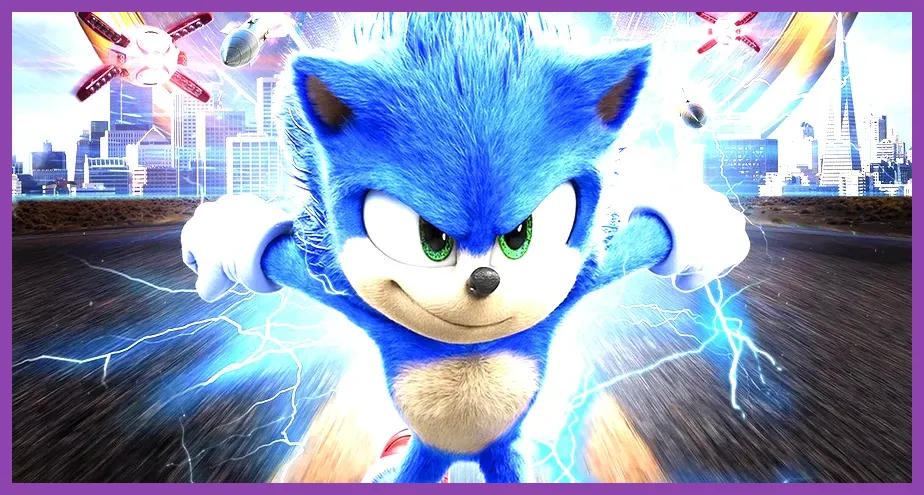
Mania's biggest strength is momentum. Sonic, Tails, and Knuckles don't simply run through flat corridors; each character has a distinct movement tool that changes how you read a stage. Sonic's Drop Dash lets you charge into a spin immediately after landing from a jump. Tails can fly for roughly eight seconds before tiring, then swim underwater without drowning. Knuckles glides, climbs certain walls, and reaches lower routes that the other two can't touch.
The physics are built around commitment. A downhill slope accelerates Sonic, but a badly timed jump can send you into spikes, a bottomless pit, or an enemy hidden just beyond the camera. That tension is why the game feels better than many imitation platformers: speed is a reward for learning, not a button you hold while the level plays itself.
The basic control layout is also remarkably clean. You have jump, spin dash, and character-specific movement, with no skill tree, stamina meter, gear score, or upgrade screen slowing the action. Sonic's spin dash is especially important. Hold down, charge with repeated taps, and release on a slope to build speed before a jump. Mastering that rhythm turns ordinary routes into fluid lines through a stage.
| Character | Signature Ability | Best Use | Main Limitation |
|---|---|---|---|
| Sonic | Drop Dash | Fast routes and aggressive recovery after jumps | Cannot fly or climb walls |
| Tails | Flight and swimming | Exploration, safer recovery, hidden item routes | Lower-risk play can feel slower |
| Knuckles | Glide and wall climb | Alternate paths and vertical exploration | Different routes often disrupt speed |
| Mighty | Pound and Hammer Drop | Breaking hazards and surviving certain impacts | Available through Sonic Mania Plus content |
| Ray | Glide control | Long aerial movement and precision shortcuts | Requires Encore Mode or Plus content |
For a broader look at how strong movement design can carry a game, compare Mania's immediate feedback with our Subway Surfers combo guide. The games are wildly different, but both reward players who treat movement as a skill rather than simple transportation.
Zones, Routes, and the Best Content

Sonic Mania's campaign contains 12 zones, each split into two acts, followed by boss encounters that often change the rules. The first act usually remixes familiar visual language with new layouts, while the second act tends to introduce more original mechanics. That structure gives returning fans a comfortable entry point before the game starts getting weird.
The standout zones
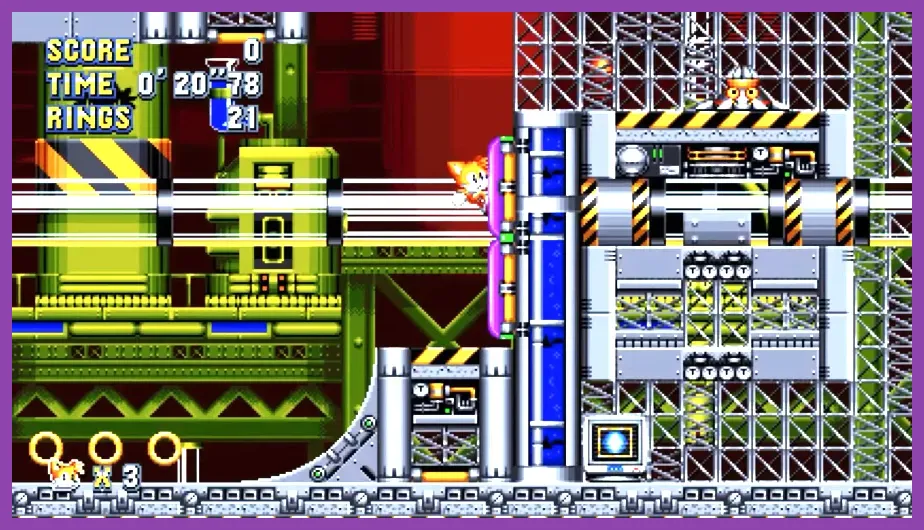
Green Hill Zone Act 1 is familiar by design, but its branching paths quickly reveal that this isn't a straight remake. Chemical Plant Zone adds bouncing gel, color-coded pipes, and hectic vertical transitions. Studiopolis Zone is the real statement piece: television-studio machinery, popcorn cannons, giant screens, and a boss sequence that turns the stage's media theme into a playable joke.
Press Garden Zone deserves special praise for its transformation between acts. The first act uses industrial machinery and conveyor-belt movement, while the second freezes the environment into a snowy route. Mirage Saloon Zone also stands out because its layout and boss sequence differ depending on whether you're playing Sonic, Tails, or Knuckles.
Not every zone lands perfectly. Oil Ocean Zone can feel visually muddy, and its rising oil hazard punishes players who don't recognize the escape route quickly. Lava Reef Zone is excellent but more methodical, with switches, moving platforms, and tight timing that interrupt the free-running fantasy. Those stages aren't bad; they simply expose the tension between Sonic's speed and classic platforming's deliberate traps.
| Zone | Design Strength | Difficulty | Why It Matters |
|---|---|---|---|
| Green Hill Zone | Readable branching routes | Easy to Medium | Introduces Mania's remix philosophy |
| Studiopolis Zone | Creative set pieces and strong pacing | Medium | Best example of Mania's original identity |
| Press Garden Zone | Major act-to-act visual shift | Medium | Blends exploration with clever transformation |
| Oil Ocean Zone | Vertical hazard management | Medium to Hard | Tests route knowledge and emergency movement |
| Titanic Monarch Zone | Large-scale final challenge | Hard | Demands mastery of hazards and momentum |
Exploration is worthwhile because giant rings, bonus stages, and special stages are tucked away across the campaign. Giant Rings transport you to Blue Sphere bonus stages, where you collect blue spheres while avoiding red ones. Completing enough of these challenges unlocks medals and adds a satisfying reason to replay familiar acts instead of simply rushing to the goal.
How Long Is Sonic Mania in 2026?
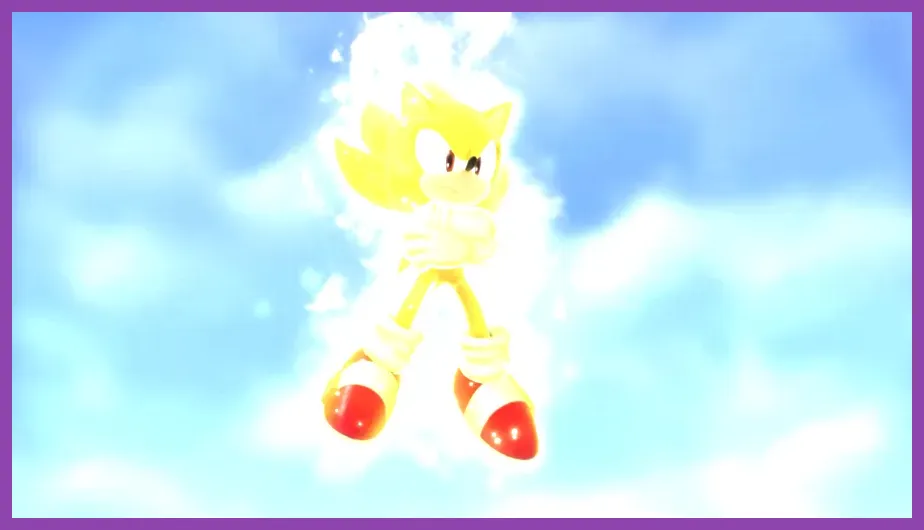
A first playthrough usually takes around five to eight hours, depending on how often you lose lives, search for special stages, and replay acts with different characters. A basic clear is short by modern standards, but the campaign's replay value is much stronger than that number suggests. Completing every zone is only the beginning if you care about Chaos Emeralds, Super Sonic, medal unlocks, Time Attack medals, and character-specific routes.
The seven Chaos Emeralds are earned through special stages accessed via giant rings. These stages place Sonic in a pseudo-3D chase course where you collect blue spheres to increase speed and grab rings to maintain it. Missing an emerald doesn't ruin the campaign, but collecting all seven unlocks Super Sonic after you gather at least 50 rings and jump. Super Sonic is faster, invulnerable to most standard hazards, and drains rings over time, so the transformation becomes a powerful reward rather than a permanent easy mode.
Time Attack gives Mania a second life. Every act has a timer, and the restart speed is excellent: you can reset immediately instead of navigating menus. This is where the game's physics become more interesting. Expert players use slopes, spin-dash charging, character-specific shortcuts, and damage boosts to shave seconds from a route. Casual players can ignore the leaderboard entirely, but the mode is a perfect fit if you enjoy learning one stage until every jump feels automatic.
Encore Mode, included with Sonic Mania Plus, changes the campaign with a four-character rotation system. You start with one character and can swap to another after finding character boxes. Losing a character removes them from your current run, which adds pressure without turning the game into a full roguelike. Encore Mode also remixes palettes, layouts, and boss presentation enough to make familiar zones feel meaningfully different.
If you're buying on PC, the official Sonic Mania Steam page is the simplest way to check the current edition and available downloadable content. Console players should look for the version that includes Sonic Mania Plus if Mighty, Ray, and Encore Mode are important to you.
Bosses Are the Game's Biggest Weakness

Mania's regular stages are generally fair once you understand their visual language. The bosses are less consistent. Several encounters hide their patterns behind camera movement, sudden arena changes, or attacks that are difficult to read on a first attempt. You can usually beat them with three successful hits, but the route to those hits isn't always obvious.
Heavy Gunner in Studiopolis Zone is a good example of the better approach. The boss flies through the arena and launches attacks tied to the stage's television spectacle. Its movement is readable, and the arena gives you enough space to react. Heavy King later tests your patience with projectiles and platform positioning, requiring you to watch the boss rather than blindly chase damage.
The final sequence is much more demanding. Titanic Monarch Zone introduces electrical hazards, rotating structures, and long acts where a small mistake can cost a life. The Heavy Rider boss uses a massive vehicle and sweeping attacks that force you to control your position carefully. The Phantom Eggman encounter then creates damaging illusions and changes the arena's safe spaces. These fights are memorable, but they can feel like endurance tests when you've already spent several minutes reaching them.
| Boss Encounter | Primary Danger | Best Counter | Player Advice |
|---|---|---|---|
| Heavy Gunner | Airborne attacks and arena pressure | Stay mobile and attack after its pass | Don't jump early; watch the flight path |
| Heavy Shinobi | Fast projectiles and teleport movement | Wait for the attack recovery window | Prioritize survival over rushed hits |
| Heavy Rider | Wide vehicle sweeps | Use the arena edges only when safe | Keep a ring buffer before attempting damage |
| Phantom Eggman | Illusions and shifting safe zones | Identify the real target before jumping | Learn the visual cue instead of reacting randomly |
| Metal Sonic | Fast attacks and changing phases | Stay centered and punish predictable landings | Don't chase during the arena transition |
The practical advice is simple: keep at least one ring whenever possible, avoid greedy attacks, and treat every boss attempt as pattern recognition. Sonic's ring system is generous because one hit doesn't kill you, but taking damage while empty-handed usually ends the attempt. If a boss is frustrating you, switch to Tails. His flight can recover from mistakes that would kill Sonic or Knuckles.
Performance, Versions, and Modern Hardware
Sonic Mania is technically light enough to run comfortably on almost any current gaming PC. The original PC release targets 60 frames per second, and that target is far more important than visual resolution. Platforming at 60fps keeps jump timing consistent and makes rapid direction changes feel dependable. At 120Hz or 144Hz, the game can look smoother on supported setups, but the design itself is built around 60fps timing.
There aren't meaningful graphics settings to tune. You won't find ray tracing, texture-quality tiers, or a demanding shader pipeline. Resolution, display mode, VSync, controller mapping, and language are the settings that matter. On a modern system, performance is effectively a non-issue, though some PC players may encounter controller-detection quirks depending on whether Steam Input or a third-party gamepad layer is active.
| Setting or Version | Recommended Choice | Performance Impact | Best For |
|---|---|---|---|
| Frame rate | 60fps minimum | Essential for consistent timing | Every player |
| Resolution | Native display resolution | Negligible on modern hardware | Sharp pixel-art presentation |
| VSync | On unless input latency is noticeable | Prevents tearing | Standard monitors and TVs |
| Display mode | Fullscreen on PC | Can reduce desktop-related interruptions | Time Attack and competitive play |
| Controller setup | Direct gamepad or configured Steam Input | Depends on device and driver | Players who dislike keyboard movement |
The Switch version is arguably the most natural fit because short sessions work perfectly with handheld play. PC is better if you want quick restarts, high-resolution output, and easier controller remapping. PlayStation and Xbox versions remain solid, but check which edition is available before buying because Sonic Mania Plus content makes a genuine difference to replay value.
For players who obsess over image quality and frame pacing, our Star Wars Outlaws graphics settings guide covers a much more demanding game, but the principle applies here too: prioritize stable frame delivery over cosmetic extras. Mania doesn't need a powerful GPU; it needs controls that respond exactly when your thumb expects them to.
Should You Play Sonic Mania in 2026?
You should play Sonic Mania in 2026 if you enjoy classic platformers, speedrunning-friendly stages, or games that respect your time. It has no daily quests, no premium currency, and no bloated progression system. You select a character, enter a zone, learn its routes, and get better. That directness feels refreshing after years of releases designed around retention metrics.
You may want to skip it if you need a substantial story, accessibility options on the level of newer platformers, or a forgiving first run. Mania occasionally expects you to memorize a hazard after dying to it. Its save structure is simple, its boss checkpoints aren't always generous, and the final zones can make the difficulty spike feel abrupt. Tails softens the learning curve, but he doesn't eliminate the underlying trial-and-error design.
| Player Type | Verdict | Best Starting Choice | Reason |
|---|---|---|---|
| Classic Sonic fan | S-Tier recommendation | Sonic | Faithful physics with smart modern additions |
| New platformer player | A-Tier recommendation | Tails | Flight provides recovery and safer exploration |
| Speedrunner | S-Tier recommendation | Sonic or Knuckles | Strong route optimization and Time Attack support |
| Story-focused player | B-Tier recommendation | Any character | Story exists mainly to connect the stages |
| Completionist | S-Tier recommendation | All characters | Emeralds, medals, Encore Mode, and replay routes add depth |
My recommendation is to start with Sonic, play normally until Studiopolis Zone, then return to earlier acts with Tails and Knuckles. That sequence lets you experience the intended speed first and the exploration layer second. Once you've collected a few Chaos Emeralds, try Time Attack on Green Hill Zone Act 1 or Chemical Plant Zone Act 1. Those stages teach the game's movement economy better than any tutorial could.
Mania also works well as a gateway to other precision-focused games. If you like learning routes and building muscle memory, Steamoz's Street Fighter 6 starting guide explores the same broader idea of mastering fundamentals before chasing advanced tricks. And if you want another game where replaying familiar spaces reveals better solutions, our Sims 4 skills guide offers a very different but equally progression-focused perspective.
For more background, check the official Sonic Mania manual and the official Sonic the Hedgehog website. They won't replace hands-on practice, but they provide useful context for the characters, modes, and broader series history that Mania deliberately draws from.
Final verdict: Sonic Mania remains one of the best modern 2D Sonic games and an easy recommendation in 2026. Its compact campaign, excellent physics, bold original zones, and generous replay systems outweigh uneven bosses and occasional old-school frustration. If you want a platformer that rewards curiosity, speed, and repetition without wasting your time, this is still the real deal.