Stepping into Raid Shadow Legends for the first time can feel like being tossed into a sprawling fantasy arena filled with dozens of champions, intricate gear systems, and a myriad of currencies. While pulling that first legendary champion is exhilarating, many new players quickly discover that raw power alone won’t carry them through the tougher campaign stages, dungeons, or Clan Boss encounters. That’s where the mastery system steps in—a deep, customizable skill tree that lets you fine‑tune your champions’ stats, turn order, and survivability. Mastering masteries is arguably one of the most impactful yet overlooked aspects of early progression, and getting it right can shave hours off your grind while making your team feel noticeably stronger.
Understanding the Mastery System in Raid Shadow Legends

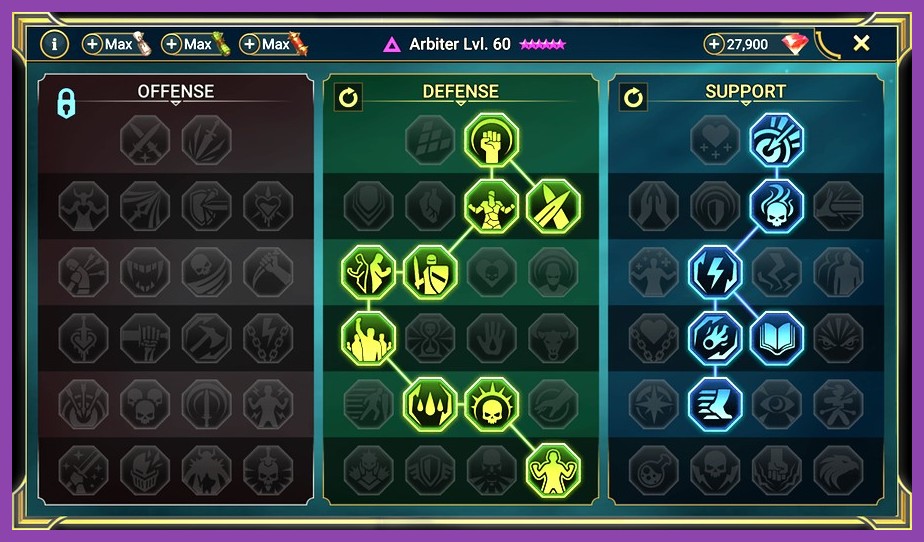
Before diving into which masteries to prioritize, it helps to grasp how the system works. Each champion has three mastery trees—Offense, Defense, and Support—each containing multiple tiers that unlock as you increase your mastery level. You earn mastery points by completing campaign stages, daily quests, and special events, and you can allocate them freely across the three trees. The beauty of the system lies in its flexibility: you can respec (reset) your masteries for a small silver fee, allowing you to experiment without permanent commitment. This means beginners can safely test different builds, learn what synergies work with their champion roster, and adjust as they acquire new heroes.
What Are Masteries?
Masteries are passive bonuses that apply to a champion regardless of gear or artifacts. Think of them as permanent stat boosts that scale with your account’s mastery level. Offense masteries typically increase damage, critical hit chance, or attack speed. Defense masteries bolster health, defense, or damage reduction. Support masteries often enhance healing, speed, or provide utility like turn meter boosts. Because each tree is independent, you can create hybrid builds—for example, a damage dealer who also grabs a few defense points to survive longer in dungeon runs.
Best Masteries for Early Game (Levels 1‑30)
When you first start, your mastery level will be low, and you’ll only have access to the first few nodes in each tree. The goal during this phase is to establish a solid foundation that lets you clear campaign stages efficiently while keeping your champions alive long enough to benefit from gear upgrades. Focus on masteries that give the biggest bang for your buck: flat stat increases, percentage boosts to core stats, and any node that improves turn meter or speed.
Offense Mastery Tree
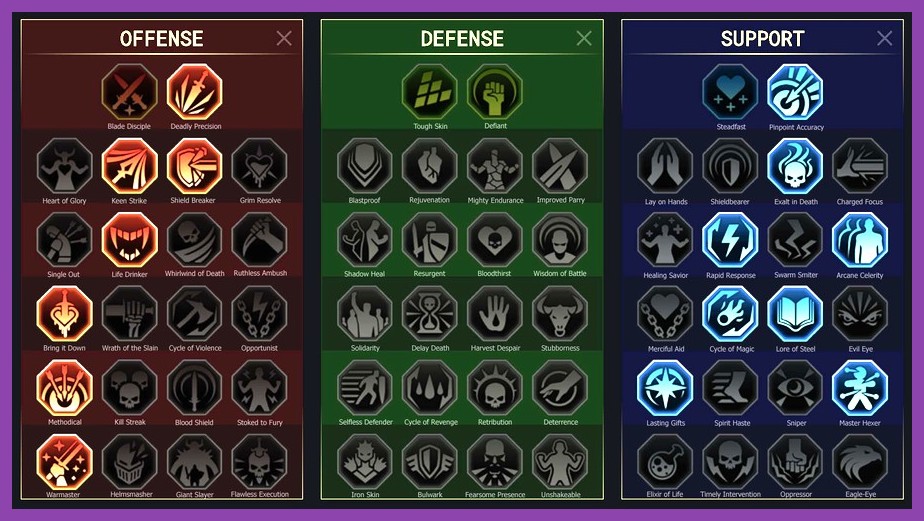
In the offense tree, prioritize nodes that increase your champion’s attack percentage and critical damage. Early game you’ll want to maximize damage output to clear waves quickly. The Lethal Hits node (usually the first offense node) gives a flat increase to critical damage, which synergizes well with champions that naturally crit often. Follow it up with Weapon Expertise or Deadly Precision depending on your champion’s primary stat—these add a percentage boost to attack. If you have a champion that relies on speed to act first, consider the Swift Strikes node later in the tree, which grants a small speed increase.
Defense Mastery Tree
Survivability is just as important as damage, especially when you start tackling harder dungeon levels or the early Clan Boss. The defense tree offers nodes that boost health, defense, and damage reduction. Start with Iron Will (or its equivalent) which grants a flat health increase—this is invaluable for squishy support champions. Next, grab Tough Skin for a percentage boost to defense. If you frequently find your champions getting stunned or frozen, look for the Unyielding node that provides resistance to crowd control effects.
Support Mastery Tree
Support masteries often get overlooked by new damage‑focused players, but they can dramatically improve team sustainability. Early on, prioritize Healing Boost to increase the effectiveness of any healing your champions receive—this works great with champions that have self‑heal or receive healing from artifacts. The Speed Aura node is another early pick; it grants a small speed boost to all allies, helping you secure turn order advantage in battles. Finally, consider Cooldown Reduction if you have champions with long‑cooldown abilities that you want to use more frequently.
Mid‑Game Mastery Optimization (Levels 30‑60)
As you progress past level 30, you’ll unlock deeper tiers in each mastery tree and start earning mastery points at a faster rate thanks to daily quests and faction wars. This is the stage where you begin to specialize your champions based on the content you’re tackling most—whether that’s dungeon runs, arena, or Clan Boss. The key is to balance offensive power with enough survivability to stay alive through longer fights.
Balancing Damage and Survivability
At mid‑game, many players fall into the trap of maxing out offense while neglecting defense, only to see their champions get one‑shot by dungeon bosses. A solid rule of thumb is to allocate roughly 60% of your points to offense and 40% to defense for damage dealers, reversing the ratio for pure tanks or supports. Look for nodes that offer %‑based increases rather than flat values, as they scale better with your growing gear stats. For example, Critical Chance and Critical Damage in offense, paired with Damage Reduction and Health Boost in defense, create a resilient damage dealer.
Speed and Turn Meter Masteries
Turn order can decide the outcome of a battle, especially in arena and Clan Boss where going first lets you apply debuffs or secure a kill before the enemy acts. The support tree contains several speed‑related nodes: Swiftness (flat speed increase), Quick Reflexes (percentage speed boost), and Turn Meter Boost (increases the chance to gain extra turn meter after attacking). Investing in these nodes can shave precious seconds off your battle timer and allow you to cycle abilities more often. If you run a speed‑focused team (common in arena), aim for at least 2‑3 speed nodes across your champions.
Late‑Game and Endgame Mastery Setups (60+)

Once you hit mastery level 60, you’ll have access to the highest tiers of each tree, and your point pool will be substantial enough to create highly specialized builds. Endgame content—such as Nightmare dungeons, elite Clan Boss, and high‑tier arena—demands mastery setups that are fine‑tuned to specific roles. At this stage, you’ll likely be resetting masteries frequently to adapt to different challenges, so mastering the reset mechanic becomes essential.
Clan Boss Masteries
Clan Boss fights are long, drawn‑out battles where survivability and consistent damage matter more than burst. For damage dealers, prioritize masteries that increase Damage Over Time (DoT) effectiveness and HP Based Damage if you run champions whose skills scale off max health. The defense tree should focus on Damage Reduction and Shield Boost to mitigate the boss’s heavy hits. Support champions benefit greatly from Heal Boost and Turn Meter Boost to keep the team topped up and acting frequently. Many top clans run a dedicated “Clan Boss mastery preset” that they switch to before each raid.
Dungeon Masteries
Dungeons, especially the harder tiers, require burst damage and quick clears. Offense masteries that increase Critical Damage and Attack Speed shine here. Pair them with defense nodes that give Flat Health and Stun Resistance to survive surprise mechanics. Support masteries that reduce ability cooldowns (Cooldown Reduction) allow you to unleash your strongest skills more often. Remember that dungeon runs often benefit from a speed‑focused setup, so don’t neglect the speed nodes in the support tree.
How to Reset and Reallocate Masteries
One of the most beginner‑friendly aspects of the mastery system is the ability to reset your points. Located at the bottom of the mastery screen, the reset button costs a modest amount of silver—typically a few thousand at low levels, scaling up slightly as you gain more points. To reset, simply tap the button, confirm, and all your allocated points will return to your pool, allowing you to redistribute them freely. Use this feature whenever you acquire a new champion that demands a different playstyle, or when you shift focus from campaign to arena. Because silver is relatively easy to earn through daily quests and selling unwanted gear, don’t hesitate to experiment.
When Should You Reset?
Reset your masteries when:
- You obtain a new legendary champion whose kit differs significantly from your current roster.
- You transition from PvE content (campaign, dungeons) to PvP (arena) and need more speed and turn meter.
- You notice a specific weakness in your team—e.g., champions dying too fast—and want to bolster defense.
- You are preparing for a special event like a Clan Boss tournament or a faction war that rewards a particular playstyle.
Keep a small reserve of silver (around 50k‑100k) specifically for mastery resets so you’re never caught off guard.
Common Mistakes Beginners Make with Masteries
Even with a solid guide, it’s easy to fall into certain pitfalls when you’re new to Raid Shadow Legends. Avoiding these mistakes will save you time, silver, and frustration.
1. Ignoring the Support Tree
Many newcomers pour all their points into offense, thinking damage is the only stat that matters. While damage is crucial, neglecting support masteries means missing out on speed, healing boosts, and turn meter advantages that can make the difference between winning and losing a close fight.
2. Over‑Investing in Flat Stats Early
Flat health or attack nodes look tempting because they give immediate, visible numbers. However, as your gear improves, percentage‑based nodes scale far better. Spending too many points on flat stats early can leave you under‑powered later when you need those percentage boosts.
3. Not Adjusting for Content
Using the same mastery setup for campaign, dungeons, and arena is a common error. Each mode has different demands—campaign favors survivability, dungeons love burst damage, arena craves speed. Failing to adapt leads to suboptimal performance.
4. Forgetting to Reset After Major Gear Changes
When you upgrade a champion’s artifacts or equip a new powerful set, their stat distribution shifts. If you keep the old mastery allocation, you might be over‑capping a stat (e.g., excess critical chance) while neglecting another (e.g., speed). A quick reset after a major gear upgrade ensures your masteries complement your new gear.
5. Hoarding Mastery Points
Some players save up points hoping to “spend them later” on a perfect build, but mastery points are meant to be used. Holding them back delays your progression. Spend points as you earn them, and reset if you need to reallocate.
Tips for Efficient Mastery Farming
Mastery points are earned primarily through completing campaign stages, daily quests, and participating in events. Here are some proven strategies to maximize your point income without burning out.
1. Focus on Campaign Stages with High XP
Certain campaign stages award more mastery points per energy spent. Prioritize stages that have a 3‑star rating and a high XP multiplier—often the later stages of each chapter. Use your energy refills wisely, and consider using the auto‑battle feature to farm these stages while you’re away.
2. Complete Daily Quests Religiously
Daily quests reliably grant mastery points, along with silver, gems, and energy. Make it a habit to log in and finish them each day; the cumulative points add up quickly.
3. Participate in Faction Wars and Events
Faction wars offer mastery points as rewards for winning battles, and limited‑time events often have mastery point milestones. Keep an eye on the events calendar and push for those rewards when they align with your roster strengths.
4. Use Mastery Boost Items Sparingly
Occasionally, you’ll receive mastery boost consumables from events or the shop. These grant a temporary increase in mastery point earnings. Activate them during a planned farming session (e.g., a weekend clan boss marathon) to maximize their impact.
5. Optimize Your Team for Speed
Faster battles mean more stages completed per hour, translating to more mastery points. Invest in speed masteries and equip speed‑focused artifacts to clear campaign stages quicker.
Final Thoughts and Checklist
Mastering the mastery system in Raid Shadow Legends is less about memorizing a single “best” build and more about understanding how each tree contributes to your overall strategy. As a beginner, your goal should be to create a flexible foundation that lets you adapt to any challenge—campaign, dungeon, arena, or Clan Boss—while gradually refining your builds as your champion roster grows.
Before you log off each session, run through this quick checklist:
- Did I spend all my earned mastery points today?
- Are my damage dealers leaning more toward offense with a sprinkle of defense?
- Do my support champions have at least one speed or healing boost node?
- Have I reset my masteries recently to match my current gear and content focus?
- Am I saving a modest silver reserve for future resets?
If you can answer “yes” to most of these, you’re on the right track. Remember, the mastery system is designed to be forgiving—experiment, learn from each battle, and enjoy the journey of building your ultimate team in the world of Teleria.