Why Team Composition Matters in Path of Exile 2
When we first dropped into the brutal world of Wraeclast in Path of Exile 2, many of us rushed headfirst into solo builds, convinced that a lone marauder could cleave through every boss and map. The reality hit hard when we faced the endgame content: bosses with massive health pools, mechanics that punish single target damage, and map modifiers that demand crowd control and sustain. It became clear that surviving the toughest encounters required more than raw damage; it required a well‑rounded team where each member covered the weaknesses of the others. In this guide we will explore the best team comp synergy for Path of Exile 2, breaking down roles, skill interactions, gear choices, passive tree tips, and how to adapt to league mechanics. Whether you are planning a regular co‑op session with friends or aiming to dominate the leaderboards, the strategies below will help you forge a squad that is greater than the sum of its parts.
Core Roles: Tank, DPS, Support, Utility
Every effective team in Path of Exile 2 revolves around four core roles: Tank, Damage Per Second (DPS), Support, and Utility. While some characters can blur the lines between these roles, having a clear primary focus makes it easier to coordinate gear, skill gems, and passive points. The Tank absorbs damage, controls enemy positioning, and provides protective buffs. The DPS focuses on delivering high damage, either through burst or sustained output. The Support role amplifies the team’s power with auras, curses, and buffs, while also offering healing or resource regeneration. Utility covers niche functions such as crowd control, enemy debuffs, map navigation, and emergency escapes. Understanding these roles helps us pick complementary classes and build them to maximize synergy.
The Evolution from POE 1 to POE 2
Path of Exile 2 builds on the deep customization of its predecessor while introducing new mechanics that make team play more impactful. The revamped skill gem system allows for easier linking of support gems, and the introduction of shared aura radii means that buffs can affect multiple allies simultaneously. Additionally, the new passive tree includes notable nodes that grant party wide benefits such as increased elemental resistance or extra life regeneration. These changes shift the meta from pure solo optimization to cooperative theorycrafting, rewarding groups that communicate and plan their builds together.
Best Synergistic Combos for Endgame
After testing numerous combinations in the current endgame maps and boss encounters, three team compositions consistently outperformed the rest. Each combo balances survivability, damage output, and support coverage while leveraging specific class strengths. Feel free to swap classes within the same role if you prefer a different playstyle, but keep the core synergy intact.
Combo 1: Juggernaut Tank + Elementalist DPS + Herald Support
The Juggernaut excels at mitigating physical damage through high armor, endurance charges, and the Unstoppable Hero passive that grants immunity to stuns. Pairing this with an Elementalist who specializes in elemental damage and elemental ailment proliferation creates a powerful damage engine. The Elementalist can ignite, freeze, and shock enemies, while the Juggernaut’s taunt and warcry keep those enemies focused on the tank. The Herald support, often played as a Guardian or a Priest, provides essential auras such as Herald of Ice for extra cold damage and Herald of Ash for burning damage, plus a reliable source of life regeneration through skills like Vitality. This trio ensures that the tank stays alive, the DPS scales with elemental damage, and the support keeps the whole party topped off.
Combo 2: Pathfinder DPS + Necromancer Support + Gladiator Tank
Pathfinder is renowned for its exceptional movement speed, projectile speed, and poison damage scaling. When paired with a Necromancer who commands a legion of minions, the team gains both offensive pressure and defensive layers. The Necromancer’s minions can tank hits, distract bosses, and deal consistent chaos damage, while the Pathfinder’s rapid barrage of poison‑tipped arrows applies damage over time that stacks quickly. The Gladiator tank brings block chance, spell block, and the ability to reflect damage with skills like Riposte, providing a solid front line that can also punish melee attackers. Together, the Pathfinder’s speed allows kiting and repositioning, the Necromancer’s army provides sustained damage and survivability, and the Gladiator’s block mechanics reduce incoming spikes.
Combo 3: Inquisitor Support + Deadeye DPS + Bastion Tank
For teams that prefer a more defensive, aura‑centric approach, the Inquisitor offers powerful defensive auras such as Guardian Angel and Radiant Crusade, which boost allies’ defenses and grant damage bonuses when enemies are low on life. The Deadeye excels at ranged damage with high critical strike chance and projectile speed, making it ideal for picking off enemies from a safe distance. The Bastion tank focuses on maximizing life, energy shield, and damage mitigation through nodes like Unwavering Stance and Steelskin. This combination creates a resilient front line that can absorb punishment while the Inquisitor’s auras raise the entire party’s effective health and damage output, and the Deadeye delivers precise, high‑damage shots to eliminate threats quickly.
Skill Gem Interactions that Amplify Team Play
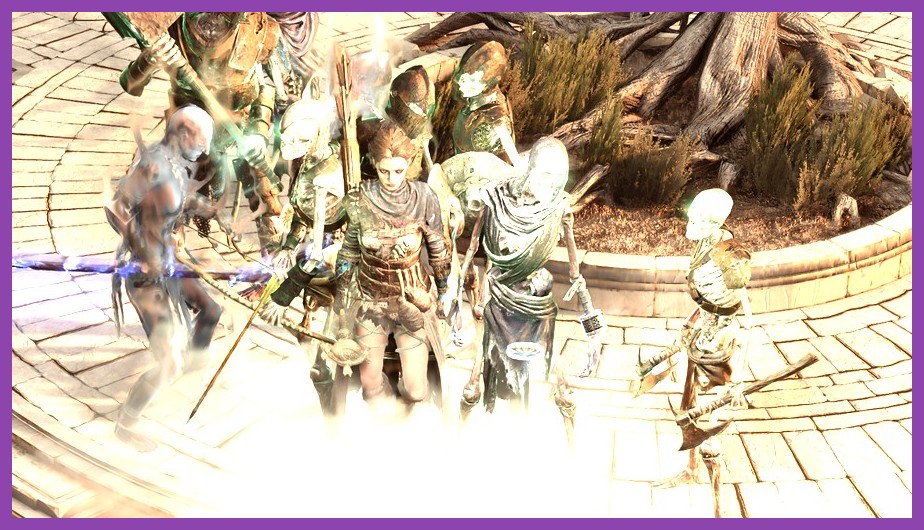
Path of Exile 2’s skill gem system shines when we look at how certain gems can affect allies. Auras are the most obvious example: skills like Anger, Wrath, and Grace add elemental damage, while Discipline and Vitality boost energy shield and life regeneration. When these auras are linked with support gems such as Increased Area of Effect or Empower, their radius and potency increase, benefiting more teammates simultaneously. Curses, on the other hand, debilitate enemies and can be shared through skills like Enfeeble, Temporal Chains, and Vulnerability. Linking a curse with Cast when Damage Taken allows the tank to automatically apply debuffs when hit, ensuring that enemies are constantly weakened.
Minion mechanics also provide strong team synergies. Skills like Raise Zombie, Spectral Shield Throw, and Summon Skeletons create minions that can taunt, deal damage, or provide buffs. Supporting these minions with gems like Minion Damage, Minion Life, and Army of the Wolf amplifies their effectiveness. Furthermore, certain notable passive tree nodes grant bonuses to allies when you have active minions, turning a necromancer‑style build into a true party enhancer.
Finally, consider utility gems such as Phase Run, Flame Dash, and Leap Slam for mobility, or Immortal Call and Molten Shell for temporary damage mitigation. Linking these with triggers like Cast when Stunned or Cooldown Recovery Speed ensures that the team can react to dangerous situations without manual input.
Gear and Passive Tree Tips for Team Play
Selecting the right gear is just as important as choosing skill gems. Look for items that grant party wide buffs, such as belts with the "Aura effect radius" modifier, rings that increase "Allies gain X% of your life regeneration", or amulets that provide "Nearby Allies have increased elemental resistance". Unique items like the Soul of the Brine King (which grants a burst of life regeneration on kill) or the Shavronne’s Wrappings (which converts life loss to energy shield) can be tuned to support the team when positioned correctly.
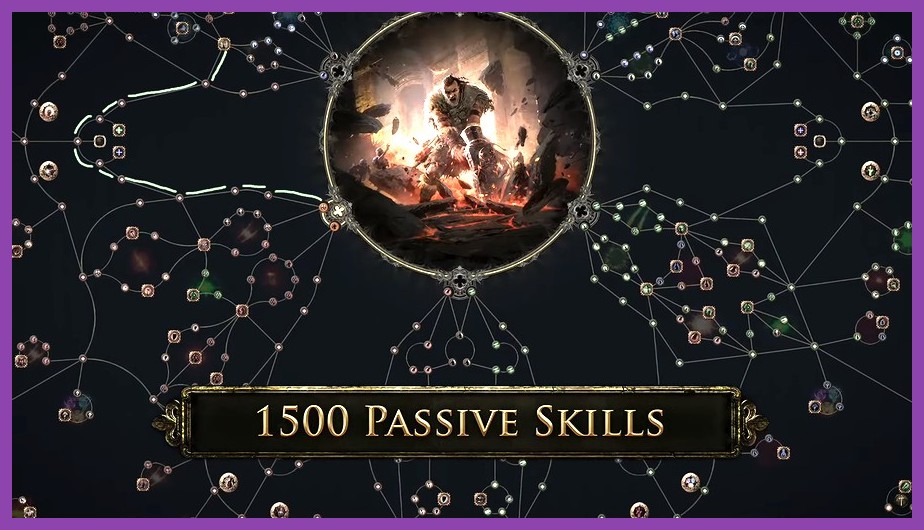
On the passive tree, prioritize nodes that explicitly mention allies. Examples include "Allies near you gain X% increased life regeneration", "Nearby Allies have X% increased elemental damage", and "You and Allies gain X% increased armor". Many of these nodes are clustered in the Marauder, Ranger, and Templar sections, making those classes natural choices for support or tank roles. Additionally, consider taking notable nodes that increase your own aura effectiveness, as a stronger aura translates to greater benefits for teammates.
Do not overlook flask choices. A Jade Flask that grants evasion to nearby allies, or a Divine Flask that provides a burst of life regeneration to the party, can turn a tough encounter into a manageable one. Remember to coordinate flask usage so that buffs overlap rather than waste uptime.
Adapting to Different League Mechanics
Path of Exile 2’s league mechanics introduce unique challenges that can shift the ideal team composition. In Delirium, the fog increases monster density and damage, making survivability paramount; a tank with high endurance charges and a support providing strong recovery auras becomes essential. Blight encounters demand strong area damage and crowd control to protect the blight pumps; a DPS with wide cleave or a support that can slow enemies with Temporal Chains excels here. Expedition emphasizes logistics and resource gathering, where movement speed and utility skills like Phase Run or Leap Slam help the team quickly secure rewards while avoiding dangerous monsters.
When entering a new league, take a few minutes to examine the mechanic’s core threat. If the mechanic punishes single targets, lean toward builds that cleave or spread damage. If it applies persistent debuffs, prioritize cleansing or immunity sources such as the Staunching Flask or the Unbreakable passive. Adjusting your gear and passive selections on the fly ensures that your team remains effective regardless of the league’s flavor.
Common Mistakes and How to Fix Them

Even experienced players fall into pitfalls when building teams. One frequent mistake is stacking too much damage without adequate sustain, leading to quick deaths in prolonged fights. To counter this, ensure that at least one member focuses on recovery—whether through life regeneration, energy shield recharge, or leech. Another error is overloading on a single damage type; if the map modifier reflects that element, the team can suffer massive self‑damage. Diversify damage sources across physical, elemental, and chaos to stay resilient.
Poor communication about aura and curse uptime also reduces effectiveness. Use voice chat or quick pings to signal when auras are about to expire, allowing the support to recast before the buff drops. Finally, neglecting mobility can leave the team vulnerable to ground effects; make sure at least one character has a reliable escape skill such as Flame Dash or Whirling Blades, and consider linking it with a trigger for automatic activation.
Final Thoughts: Building Your Dream Squad
Creating the best team comp in Path of Exile 2 is less about copying a rigid formula and more about understanding how each role contributes to the whole. By selecting a tank that can soak punishment, a DPS that can consistently apply pressure, and a support that amplifies the team’s strengths while covering weaknesses, you lay the foundation for a squad that can tackle any endgame content. Experiment with the combos presented here, tweak them to match your preferred playstyle, and always keep communication open. Remember that the true power of Path of Exile 2 lies in its deep customization—when you and your friends combine your unique builds, the synergy you create will feel truly legendary. Now go forth, forge your party, and conquer Wraeclast together.