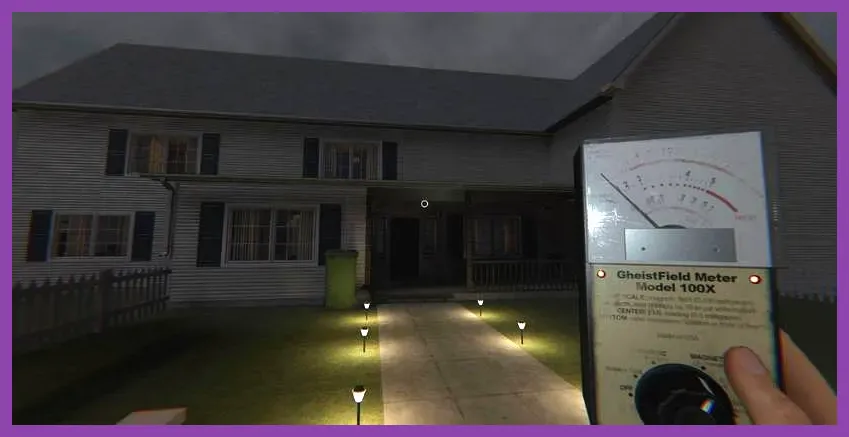
To level up fast in Phasmophobia, you need to maximize your XP multiplier through custom difficulty settings while consistently securing all primary and optional objectives on small maps like Tanglewood Street House or Ridgeview Court. Playing on Professional or a tailored 10x+ custom multiplier, correctly identifying ghost types, taking maximum three-star photos, and completing side objectives yields the highest experience points per hour compared to aimlessly wandering through larger locations like Sunny Meadows.
Mastering Custom Difficulty Multipliers for Maximum XP
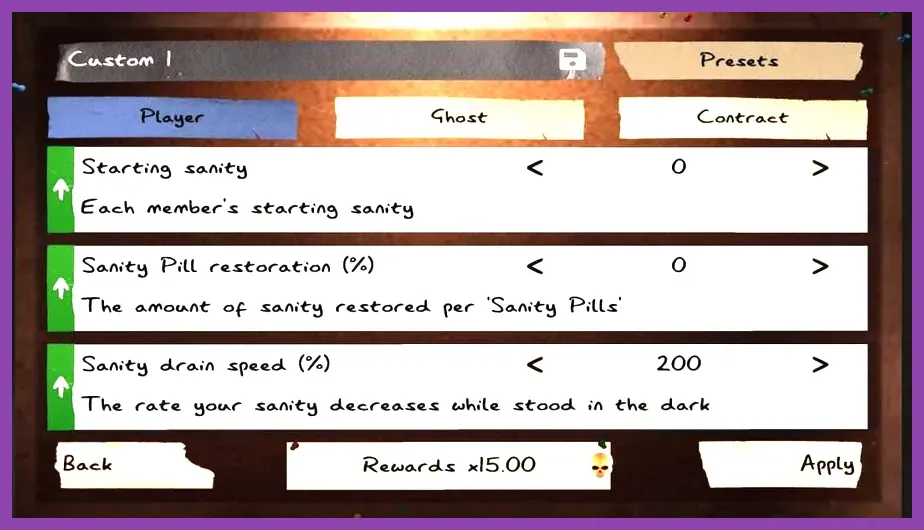
The single most efficient way to accelerate your progression in Kinetic Games' premier cooperative psychological horror title, as detailed on the official Phasmophobia Steam Page, is moving away from standard Amateur or Intermediate lobbies. While lower difficulties are forgiving, their payout multipliers (1x and 2x respectively) drastically bottleneck your rank advancement. To break past level thresholds efficiently, you must configure a custom difficulty setup that pushes your reward multiplier as high as your team's survival consistency allows.
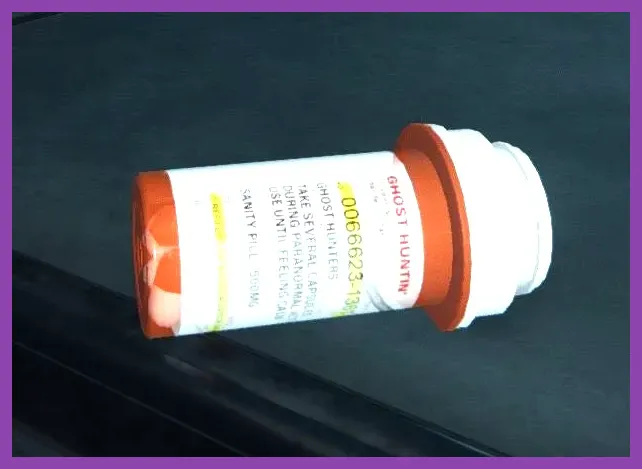
When designing your custom profile, turn off player sprint entirely if you are confident in loop kiting, or keep sprint enabled while severely reducing starting sanity and sanity pill restoration. Set the ghost speed to 100% or higher, limit evidence items to zero or one, and increase the grace period slightly to give yourself a fighting chance during hunts. A well-optimized custom run can yield an XP multiplier upwards of 10x to 12x. For players transitioning from fast-paced action titles, applying similar optimization mentalities found in guides like Remnant 2 how to farm gold and scrap fast can completely transform your grinding efficiency.
Selecting Small Maps for Rapid Turnovers
Time management dictates your leveling speed. Spending twenty minutes clearing a massive asylum or high school for a base payout is inherently inefficient. Instead, restrict your investigations exclusively to small residential maps: 10 Tanglewood Drive, 42 Edgefield Road, and Ridgeview Court. These compact floor plans feature tight hallways, easily memorizable room layouts, and short transit distances from the front door to the ghost's favored room.
On Tanglewood, for instance, you can step through the front door, toss a motion sensor or EMF Reader down the central hallway, and listen for audio cues—such as a door touch, a dropped item, or the ghost stepping on salt—within the first thirty seconds. By minimizing setup downtime, you increase the frequency of completed contracts per hour. This rapid-fire loop mirrors the progression strategies outlined in Roblox best beginner tips and tricks, where eliminating dead time is paramount to success.
Maximizing Photo Rewards and Evidence Gathering
Every single photograph taken during an investigation contributes directly to your end-of-game cash and XP bonus. The photo camera holds up to ten pictures, and each must be a distinct, high-value three-star shot to maximize returns. Prioritize filling your camera roll with the following subjects in descending order of value:
- The Ghost: Capturing the entity during an event or a hunting phase yields the highest possible value photo.
- Cursed Possessions: Snapping a picture of the Ouija Board, Tarot Cards, Voodoo Doll, Music Box, Mirror, Summoning Circle, or Monkey Paw before interacting with them.
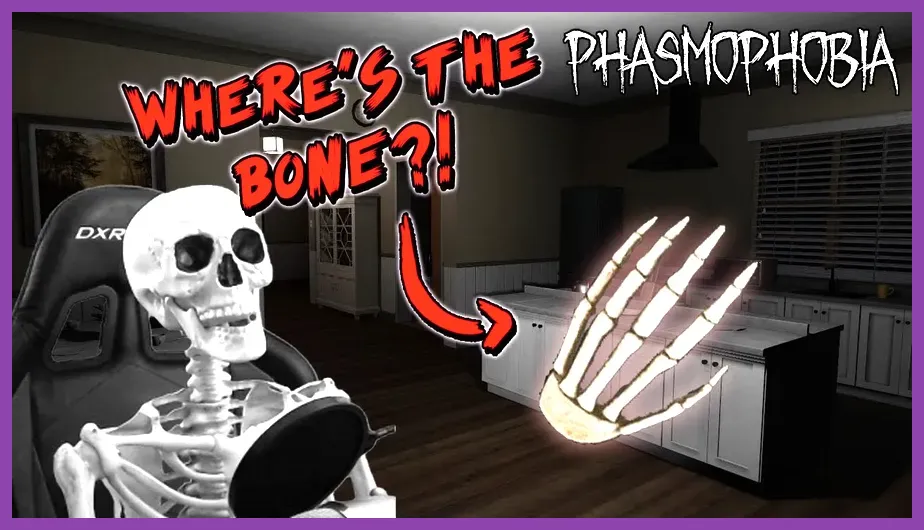
- The Bone: Locating and photographing the randomized bone spawn (femur, skull, spine, etc.) before picking it up.
- Interactions: Doors touched, lights switched, or objects thrown by the ghost, provided the interaction is fresh.
- Used Equipment: Photos of ultraviolet footprints, salt piles disturbed by the ghost, or crucifixes burned during an attempted hunt.
Never waste photo slots on duplicate items or low-tier environmental shots. A clean, disciplined photo strategy adds thousands of bonus experience points across a lengthy session. This meticulous approach to resource management echoes the team coordination taught in Roblox best team composition guide.
Leveraging Cursed Possessions for Fast Objectives
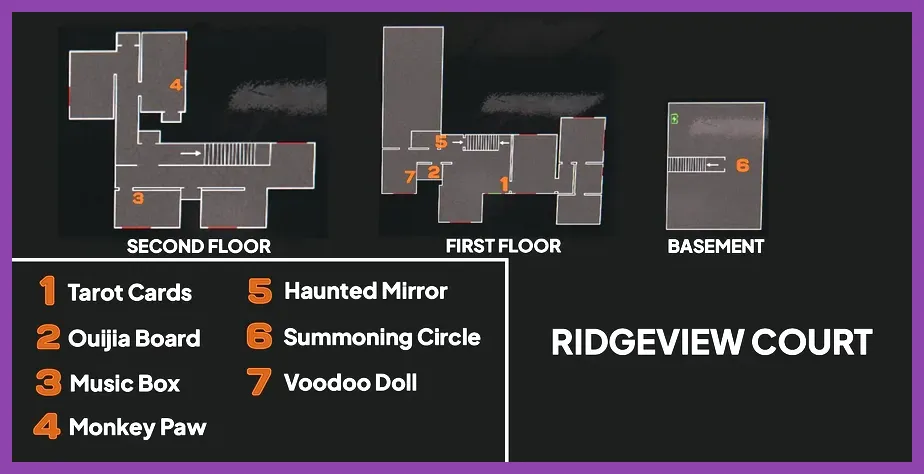
Optional objectives—such as cleansing the area with a smudge stick near the ghost, lowering team sanity, or capturing a photo of the entity—provide essential bonus multipliers to your final debrief payout. Rather than wandering aimlessly hoping these conditions trigger naturally, use Cursed Possessions spawned on the map to force events and manipulate game mechanics.
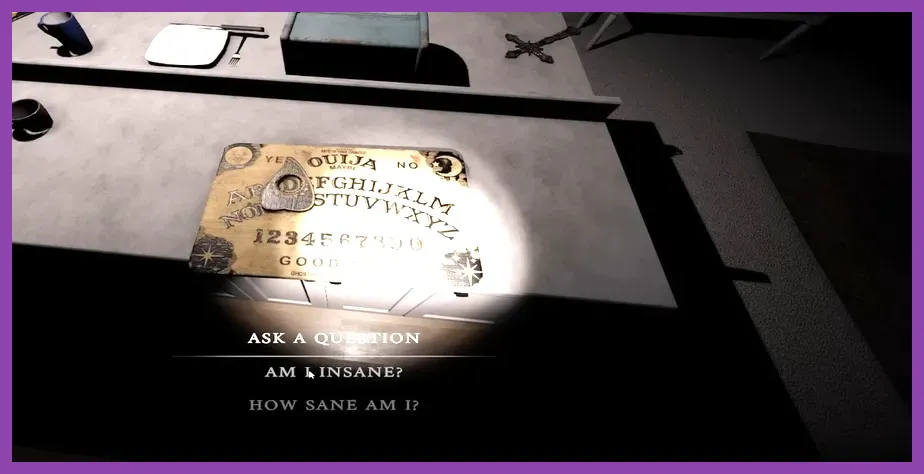
For example, using the Ouija Board allows you to instantly pinpoint the ghost's exact room by asking "Where are you?", saving critical minutes of temperature sweeps with a tier-one or tier-two thermometer. However, be mindful of sanity drains: asking the board too many questions will break it and trigger an immediate cursed hunt. Knowing how to balance risk and reward with these high-tier tools is similar to mastering the complex tactical loadouts found in Space Marine 2 how to unlock all characters and champions.
Solo Versus Co-Op Efficiency Breakdown
Deciding whether to grind levels alone or with a full squad of four investigators depends entirely on your communication and risk tolerance. Solo play offers absolute control: you dictate the pace, you never have to worry about teammates dropping sanity too quickly, and guessing the ghost correctly ends the round instantly without waiting for a lobby vote.
Conversely, playing with a coordinated group of experienced players allows for parallel tasking. One player handles the EMF and Spirit Box, another sets up video cameras and motion sensors, while a third manages the sanity medication and salt placement. If your squad operates with military precision, multiplayer matches wrap up faster than solo runs. To fine-tune your group dynamics and role delegation, review the strategic breakdowns in Squad Busters tier list all characters ranked for 2026.
Identifying Ghosts with Zero or One Evidence
As you climb higher in level and push into Nightmare or custom zero-evidence lobbies, relying on standard equipment trio-matching becomes impossible. To truly master Phasmophobia leveling, you must learn to identify ghost types based on behavioral quirks, speed, and audio cues alone. Consult developer insights and patch updates directly on the Phasmophobia Official Developer Site to stay informed on behavioral reworks.
Recognizing subtle traits—such as a Revenant's sudden deceleration when it loses line of sight during a hunt, a Thaye's rapid aging and slowing down over time inside the house, or a Hantu's speed increase in freezing rooms—allows you to lock in the correct ghost type in a fraction of the usual time. Mastering these advanced behavioral checks separates casual players from high-level prestige grinders. For additional tips on optimizing game settings and hardware performance during intense ghost hunts, check out recommendations similar to Stardew Valley mobile how to get skins for free for alternative UI and visual customization insights.