
To get legendary weapons in Like a Dragon: Infinite Wealth, unlock Julie’s Gearworks, obtain the correct base weapon for a job, then craft its seven-star upgrade with rare dungeon materials and money. These weapons are not random world drops: they are workshop recipes, and the strongest versions require materials from Hawaii Haunt or Yokohama Dungeon. Save them for your main jobs rather than spreading resources across every class.
What Legendary Weapons Actually Are
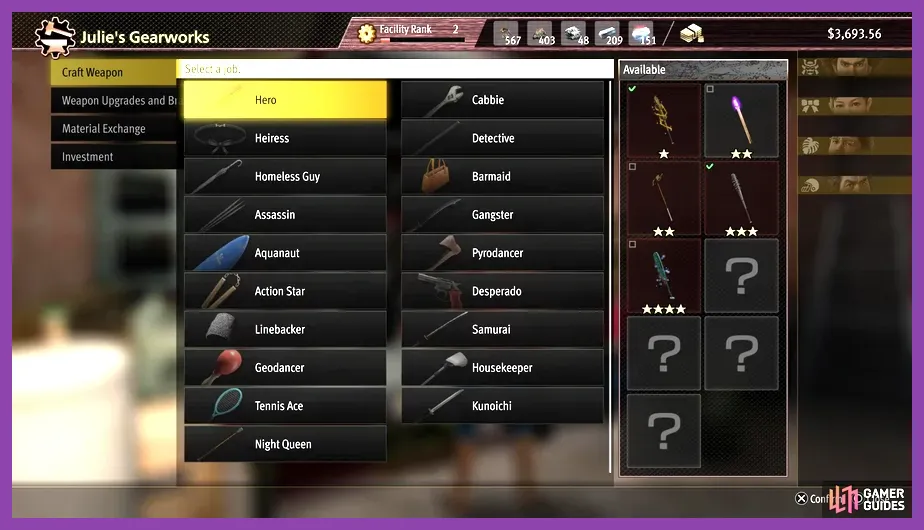
“Legendary weapon” generally means the seven-star, ultimate version of a job’s weapon. The weapon must match the job, so a Hero weapon cannot be equipped by a Samurai, Action Star, or Desperado. Ichiban’s signature example is the True Legendary Bat of Hope, the final upgrade for his Hero weapon line. Kiryu’s Dragon of Dojima job also has its own dedicated ultimate weapon path, separate from Ichiban’s bat.
These weapons matter because they combine high attack or magic power with a job-specific passive. A Hero weapon supports Ichiban’s blunt physical damage, while a magical job’s ultimate weapon is built around its spell-oriented stat profile. The exact passive and recipe appear in Julie’s Gearworks, so inspect the finished item before committing rare materials.
The game’s official Steam page confirms the job-based combat structure, while the official Like a Dragon: Infinite Wealth site provides the game’s character and job details.
Unlock Julie’s Gearworks First

Julie’s Gearworks is the essential crafting station. Progress through the early Hawaii chapters until Julie’s workshop becomes available, then complete the workshop’s introductory objectives. You will find the Gearworks service in Hawaii and later gain access to the Yokohama operation as the story opens Japan’s side of the map.
Do not confuse weapon upgrading with simply buying stronger gear from a shop. Weapon shops sell useful interim equipment, but the legendary path is handled through Julie’s menus. At the workshop, select Craft or Upgrade, choose a job weapon, and move through the weapon tree until the seven-star recipe is visible.
Before farming, check three things:
- The job is unlocked and assigned to the character you intend to use.
- The required base weapon is in your inventory rather than equipped on another character.
- You have enough cash and rare materials for the complete upgrade, not just the first stage.
For broader planning, our beginner efficiency tips explain the same kind of resource-first approach that prevents expensive RPG crafting mistakes.
Find the Base Weapon for Each Job
Every legendary recipe begins with a specific high-rarity weapon. The required item is different for each job and may come from a weapon shop, a dungeon chest, an enemy drop, or another workshop recipe. The game shows the exact name in red when you lack it, so use the recipe screen as your checklist instead of selling unfamiliar high-star weapons.
For Ichiban, follow the Hero weapon line toward the Legendary Hero’s Bat and ultimately the True Legendary Bat of Hope. Do not dismantle the earlier Hero bat while improving it; the workshop treats the prior weapon as a required component. Kiryu’s Dragon of Dojima equipment follows a separate upgrade line, and the same rule applies: retain every predecessor until the final recipe is complete.
Job changes also create a common trap. Saeko’s Idol weapon, Chitose’s Housekeeper weapon, and male-only jobs such as Action Star or Desperado each use different recipes. The character holding the weapon does not determine the recipe as much as the job category does. Equip the target job, open Julie’s Gearworks, and verify the weapon’s job icon before farming.
For comparison, our weapon tier-list guide covers a different RPG sandbox, but its central lesson applies here: prioritize equipment for the roles you actually bring into combat.
Farm Rare Materials in Hawaii Haunt

Hawaii Haunt is the most reliable early endgame source for the unusual components used in seven-star weapon crafting. Enter it from the dungeon access point in Hawaii and push through multiple floors rather than treating it like a normal street battle area. Enemies are substantially stronger, so bring healing items, MP recovery, and jobs with reliable area attacks.
Search side rooms and treasure chests as you climb. Dungeon chests can contain upgrade components, cash, and equipment, while stronger encounters provide the experience needed to prepare characters for later floors. Bosses and rare enemies are especially valuable targets because they can award premium crafting drops that ordinary Honolulu enemies do not provide.
Use a balanced party: Ichiban as Hero for healing and group support, a dedicated healer such as Idol, and at least two jobs with dependable multi-target damage. Save before difficult encounters, and avoid spending rare materials on low-priority weapons until your main four jobs are decided. If your party is underleveled, improve armor and job rank first; a legendary weapon will not compensate for poor survivability.
Farm Yokohama Dungeon and Money

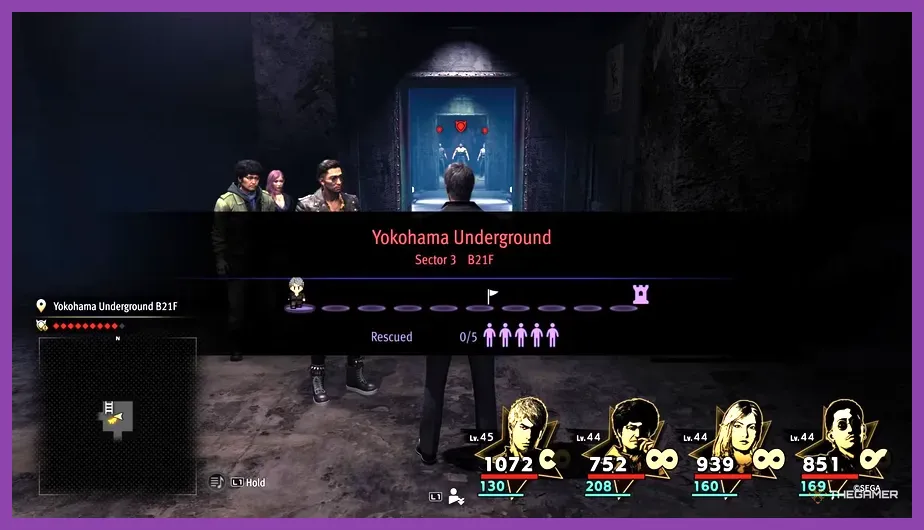
Yokohama Dungeon is the other major farming route once the Japanese portion of the game is available. Its deeper floors contain tougher enemies and better treasure opportunities, making it a stronger destination for late-game weapon components. Explore thoroughly, break open containers, and use the dungeon’s checkpoints to shorten repeat runs.
Money is just as important as materials. Sell excess valuables, complete substories, clear part-time hero requests, and use battle rewards from repeated dungeon runs to fund Julie’s fees. Avoid selling rare weapons simply because they are not currently equipped: first compare them against every visible recipe in the workshop.
For difficult dungeon fights, exploit weaknesses rather than repeating neutral attacks. Knock enemies into walls when positioning allows it, use blunt, blade, or gun damage against exposed weaknesses, and reserve MP-heavy skills for grouped enemies or bosses. Our early-game character guide also covers the value of building a party around complementary damage roles instead of four identical attackers.
Craft the Seven-Star Weapon Efficiently
Once the base weapon, money, and rare components are ready, return to Julie’s Gearworks and select the final upgrade. The recipe will show the exact required quantities, so use that screen as the authority: quantities can differ between job weapons and between upgrade stages. Confirm the passive, attack type, and stat bonus before pressing craft.
- Store the base weapon and remove it from any character’s equipment if the menu requires it.
- Confirm the weapon belongs to the intended job, such as Hero, Idol, Housekeeper, Samurai, or Desperado.
- Check the rare dungeon components and cash requirement one final time.
- Craft the weapon, then enhance it further if Julie’s menu offers additional improvement stages.
- Equip it and test the passive against the job’s normal rotation rather than judging it only by attack power.
Crafting order should follow your active lineup. Ichiban’s True Legendary Bat of Hope is an excellent first target if Hero is your permanent lead. Next, upgrade the weapon for your primary healer, then your best physical or elemental damage dealer. This prevents one experimental job from consuming the materials needed to finish the party that clears Hawaii Haunt and Yokohama Dungeon.
Keep a backup save before final crafting if you are short on rare components. Julie’s Gearworks does not randomly generate a better result; the recipe is fixed, so the only real mistake is spending materials on the wrong job or dismantling a required predecessor.
Best Legendary Weapon Farming Plan
The fastest practical route is to unlock Julie’s Gearworks, choose four permanent jobs, identify each recipe, and farm only the missing components. Clear Hawaii Haunt while collecting chests, progress into Yokohama Dungeon when available, and sell surplus valuables for workshop fees. Craft one weapon at a time and immediately test its passive in dungeon combat.
Remember that legendary weapons are endgame investments, not mandatory story equipment. Strong armor, upgraded jobs, healing items, and weakness coverage often improve a struggling party more than one expensive weapon. Once those fundamentals are in place, the seven-star weapon path turns Julie’s workshop into the most dependable way to finish Infinite Wealth’s toughest fights. For more equipment-focused RPG advice, see our best armor locations guide and co-op build guide.
For official updates and platform information, check SEGA’s official site and the game’s RGG Studio page.