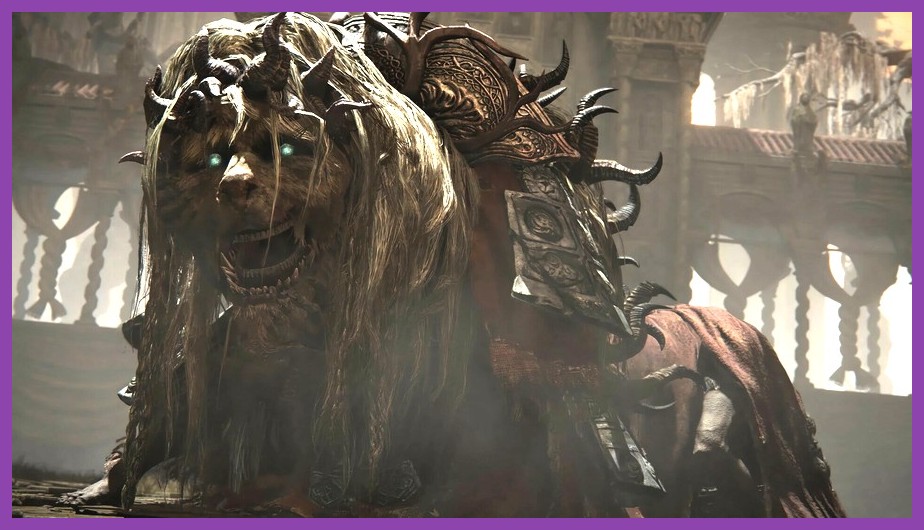
Elden Ring's Shadow of the Erdtree expansion introduces new realms, formidable bosses, and a wealth of fresh equipment that reshapes how players approach both solo and cooperative play. While the core loop remains rooted in punishing melee combat and deep buildcraft, the addition of synergistic team dynamics opens up fresh strategies for tackling the DLC's toughest encounters. This guide breaks down the most effective team compositions, role distributions, and communication tactics to maximize your party's potential in Shadow of the Erdtree.
Understanding Team Dynamics in Shadow of the Erdtree
The expansion adds new enemy types that heavily resist certain damage profiles while being vulnerable to others, making it essential to diversify damage sources within a group. A well‑balanced team can cover each other's weaknesses, stagger bosses more efficiently, and sustain longer fights through shared healing and buffs. Unlike the base game, where a single overpowered build could trivialize most content, Shadow of the Erdtree rewards coordination between players who specialize in complementary playstyles.
Key factors to consider when forming a team include damage type coverage (physical, magic, fire, holy), crowd control capacity, survivability, and resource management. Players should also think about positioning: melee tanks need to hold aggro, ranged DPS must maintain line of sight, and support characters should stay within buff range without overextending. Communication tools such as voice chat or quick‑chat signals become vital for calling out boss mechanics and timing cooldowns.
Core Roles: Tank, DPS, Support, and Hybrid
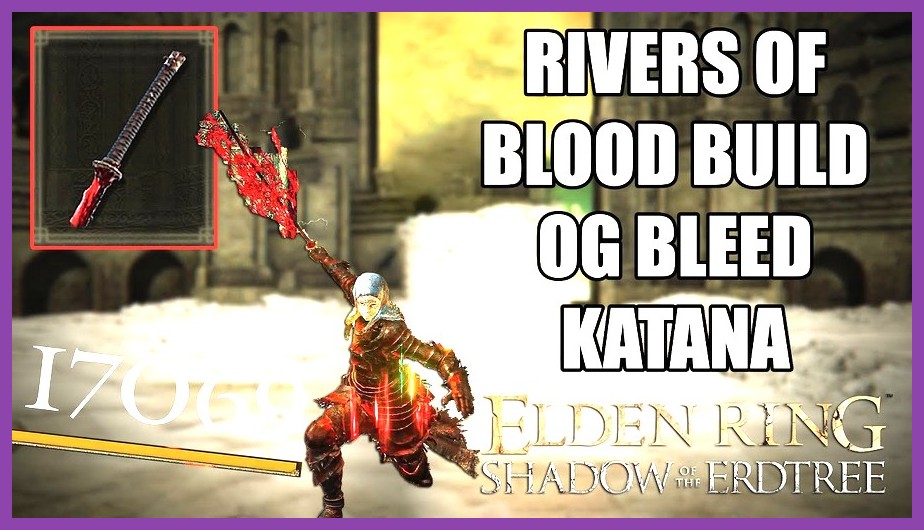
Although Elden Ring does not enforce rigid class roles, thinking in terms of tank, damage dealer, and support helps clarify each player's contribution. A tank's primary job is to attract enemy attention, mitigate incoming damage through high health, heavy armor, and damage reduction talismans, and create openings for allies to punish. Popular tank builds revolve around heavy strength weapons, the Bull-Goat set, and the Dragoncrest Shield Talisman for increased physical negation.
Damage dealers fall into two broad categories: pure DPS and hybrid DPS/support. Pure DPS focuses on maximizing output—whether through bleed, poison, or massive burst damage—while hybrids blend offense with utility, such as a faith‑based cleric who can both deal holy damage and cast healing spells. Support players prioritize buffs, debuffs, and healing, often wielding incantations like Great Heal, or using items like the Preserving Bolus to counteract status effects.
Top Tier Team Compositions for PvE
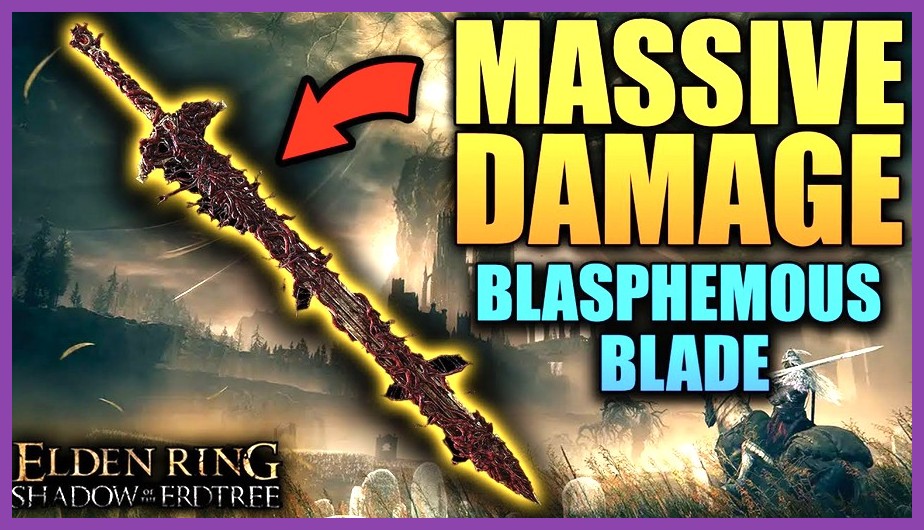
Composition A: Pure Bleed Build
This lineup leans into the devastating bleed mechanic that remains one of the most reliable ways to chip away at high‑health bosses. The team consists of two bleed‑focused warriors wielding weapons like the Rivers of Blood or the Bloodhound’s Fang, a dedicated tank equipped with the Raptor’s Black Feathers and a high‑poise greatshield, and a support caster who maintains the Bloodflame Blade incantation on the melee allies while providing occasional healing with Erdtree’s Favor. The synergy comes from the tank keeping bosses stationary, allowing the bleed applicators to stack proc chances rapidly, while the support's buffs increase attack speed and damage taken.
Composition B: Faith‑Heavy Hybrid
Faith builds shine in Shadow of the Erdtree thanks to new holy‑based weapons and incantations that exploit the expansion's elemental weaknesses. A typical faith‑heavy team includes a holy‑damage dealer wielding the Erdtree's Favor or the Blasphemous Blade, a tank using the Sacred Relic Sword for its holy damage and high guard boost, a support cleric casting blessings like Divine Fortitude and healing with the Lord's Heal, and a flexible hybrid that can switch between dealing damage and providing utility spells such as Lightning Spear or Golden Vow. The holy damage bypasses many physical resistances found on later bosses, while the support's buffs raise overall survivability and damage resistance.
Composition C: Intelligence Sorcery Squad
Intelligence teams capitalize on the expansion's new sorcery spells and staff upgrades that deliver massive burst damage from a safe distance. A recommended squad features two sorcerers using the Moonveil Katana or the Carian Regal Scepter with spells like Glintstone Pebble and Loretta's Greatbow, a tank built around high magic negation (using the Lunar Crown and the Dragoncrest Greatshield), and a support character who maintains the Magic Shield incantation and provides occasional healing with the Preserving Bolus. The sorcerers' ability to stagger enemies from afar reduces the tank's workload, while the support's protective spells mitigate incoming magic bursts that can otherwise wipe a party.
Best Co-op Synergies for Online Play
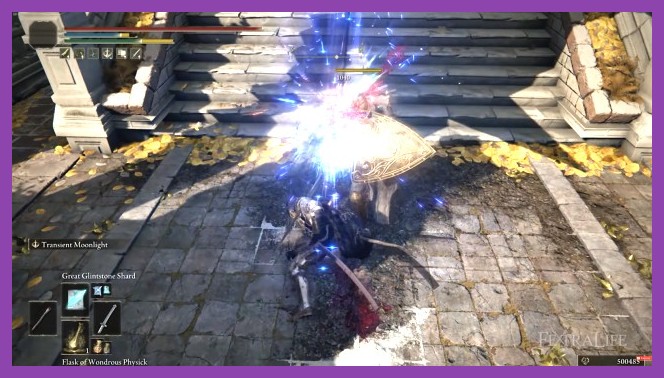
When playing with randoms or friends online, flexibility becomes paramount. Instead of locking into a single rigid composition, players should adopt a “role‑swap” mindset where each member can fill multiple functions depending on the encounter. For example, a strength‑based warrior can equip a shield and switch to tanking during a boss's enrage phase, then revert to a two‑handed greatsword for burst damage during windows of vulnerability. Communication is the linchpin: using voice chat to call out incoming attacks, signal when to use a flask, or announce the cooldown of a critical incantation can turn a chaotic fight into a controlled execution.
Another effective synergy involves stagger trading. By coordinating heavy attacks—such as a greatsword smash followed immediately by a hammer slam—players can break a boss's posture faster than solo play allows. This technique is especially useful against the new DLC bosses that possess large posture bars but limited windows of vulnerability. Pairing a high‑poise tank with a fast‑strike weapon user creates a rhythm that keeps the enemy off‑balance while minimizing the risk of reprisal.
Adapting Builds for Boss Encounters
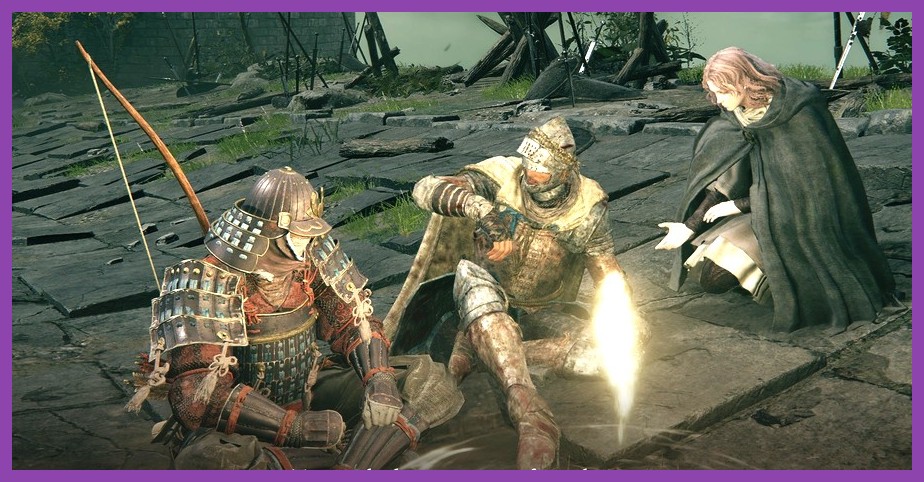
Shadow of the Erdtree introduces several multi‑phase bosses that shift resistances and attack patterns mid‑fight, demanding adaptive builds. A useful strategy is to equip a secondary weapon or spell set that can be swapped via the quick‑item menu. For instance, a faith‑based player might keep a holy‑infused greatsword equipped for the first phase, then switch to a lightning‑charged spear when the boss gains resistance to holy damage. Similarly, a sorcerer can carry both a glintstone staff for ranged poke and a close‑quarters catalyst for burst damage when the boss closes distance.
Players should also consider situational talismans. The Radagon's Scarseal increases overall damage taken but boosts attack power, making it ideal for short burst windows when the boss is staggered. Conversely, the Stalwart Horncrest raises guard boost and is invaluable during phases where the boss unleashes sweeping area‑of‑effect attacks. By mixing and matching these items based on the phase, a team can maintain optimal damage output without sacrificing survivability.
Tips for Maintaining Team Balance and Communication
Even the most theoretically perfect composition can falter without proper execution. Start each session by briefly outlining each player's intended role and the specific items or spells they plan to bring. Use the in‑game gesture system or a dedicated voice channel to call out critical mechanics—such as a boss's upcoming scream attack that requires a timely dodge or a shield block. Establishing a simple “call‑out” system (e.g., “Tank up!” for aggro shifts, “Heal now!” for low health) reduces confusion and ensures everyone reacts in unison.
Resource management is another cornerstone of successful teamplay. Flasks of Crimson Tears should be distributed based on who is taking the most damage, while Flasks of Cerulean Tears prioritize spellcasters who need to sustain their mana pool. Encourage players to share consumables like Preserving Bolus or Grease when facing enemies that inflict bleed or frostbite. Finally, debrief after each boss run: discuss what worked, what fell short, and adjust loadouts accordingly for the next attempt. This iterative approach transforms a casual group into a cohesive unit capable of conquering even the toughest Shadow of the Erdtree challenges.