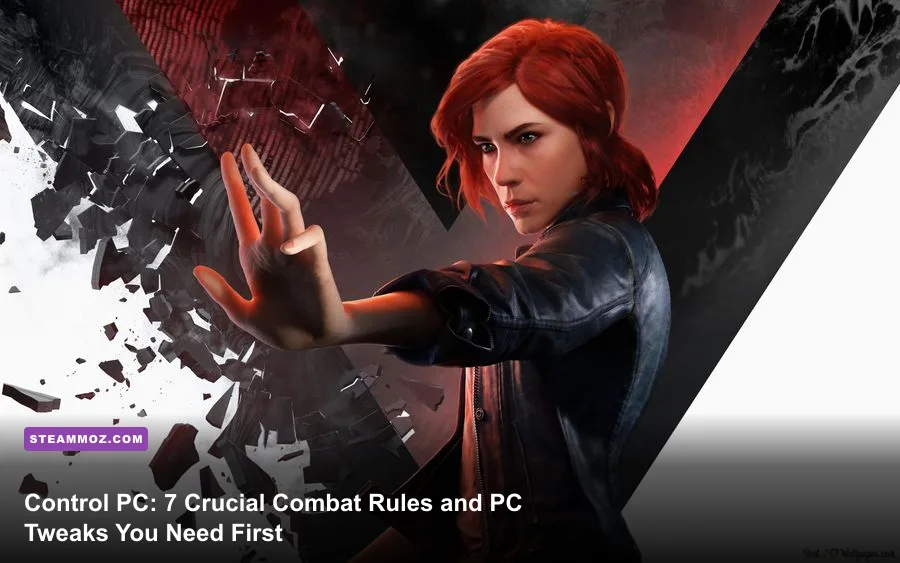
Jumping into Remedy Entertainment's supernatural thriller on PC without understanding its rhythm is an express ticket to the game over screen. While Control Ultimate Edition on Steam masquerades as a third-person cover shooter, it actually plays like a high-speed, telekinetic arena brawler. If you try to crouch behind desks, treat Jesse Faden like an ordinary agent, or expect your health to regenerate automatically, the Hiss will rip through your health bar in less than three seconds. Between managing the shifting geometry of the Oldest House, mastering a dual-resource combat loop, and taming Remedy's demanding Northlight Engine on modern PC hardware, you need a precise game plan before stepping through the Bureau's front doors.
Movement is Your Armor: Unlearning the Cover Shooter Mindset

The single biggest mistake new players make in Control is treating concrete pillars and office cubicles as safe havens. The Oldest House features fully destructible environments, meaning enemy fire from Hiss Troopers, demolitionists, and snipers will shred your cover into fine powder. Even worse, crouching behind a desk limits your sightlines, giving invisible stalkers like the Hiss Distorted ample time to sneak behind you and one-shot your health pool.
More importantly, Jesse does not have passive health regeneration. When your health drops into the red, waiting behind a wall won't save you. The only reliable way to heal is by collecting glowing blue "Health Elements" that drop from enemies when they take damage or die. Healing requires aggression: you have to push into the front lines, blast enemies at mid-to-close range, and sprint over their fallen positions to absorb the shards.
Your defensive tools boil down to two essential mechanics: sprint and Evade (unlocked early in the Central Executive area by binding an Object of Power). Evade has invulnerability frames (i-frames) that allow you to dodge directly through Hiss Warped explosive blasts and sniper laser sights. Keep an eye on your stamina bar at all times; chaining three dashes in a row empties your reserves, leaving you unable to dodge incoming homing missiles. Much like crafting effective beginner builds in other shooters, balancing offensive output with survivability begins with your stamina pacing.
Ability Priority: Why Launch Trumps the Service Weapon
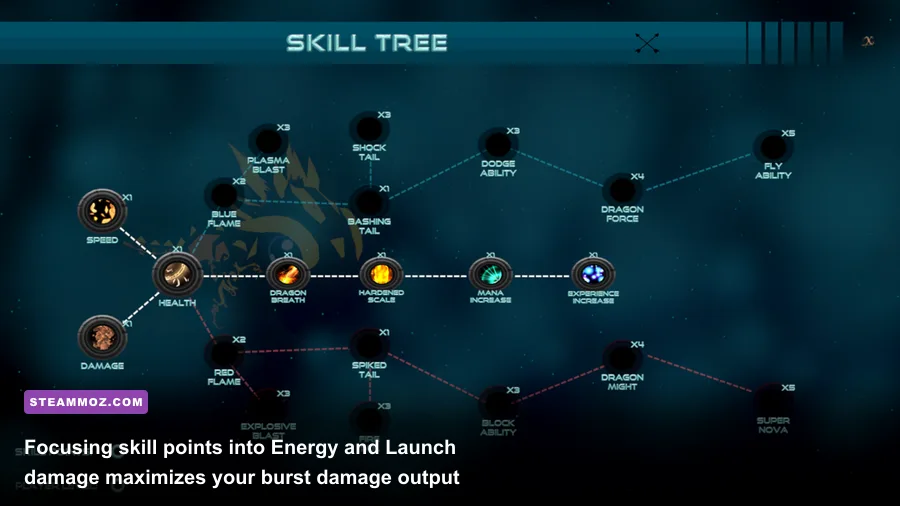
Early on, the Service Weapon feels like your primary weapon, but you will quickly discover that telekinesis is the true king of damage in Control. The Launch ability deals staggering amounts of burst impact damage, knocks armored enemies off their feet, and completely bypasses the directional shields deployed by Hiss Elevated floaters. While your gun chips away at health bars, Launch deletes them outright.
When spending Ability Points at Control Points, pump your first 8–10 points directly into Launch Damage and your overall Energy Pool. Upgrading Launch doesn't just increase numeric damage; it upgrades the scale of objects Jesse can lift. A maxed-out Launch ability lets you rip massive concrete chunks directly out of walls, grab two-ton office machinery, catch enemy rockets in mid-flight to hurl them back, and pick up three projectiles simultaneously with multi-target Launch.
Neglecting your secondary powers is tempting, but each serves a specific combat purpose. Seize turns low-health Hiss into friendly turrets that draw aggro during chaotic boss encounters, while Shield creates an impenetrable barrier out of local rubble that absorbs fatal explosions from suicidal Hiss Charged. If you run into stuttering during ability-heavy fights, checking our guide on stuttering and low frame rates on PC can help you isolate system bottlenecks.
| Ability Name | Upgrade Priority | Energy Consumption | Optimal Tactical Use |
|---|---|---|---|
| Launch | S-Tier (Max First) | Moderate (scales with debris size) | Shield breaking, heavy burst damage, throwing explosive ordnance back at mobs. |
| Energy Capacity | S-Tier (Keep in Step) | Passive Stat | Expands your resource pool so you can chain 2-3 heavy Launches without depleting reserves. |
| Health | A-Tier (Early Boost) | Passive Stat | Prevents one-shots from Hiss Snipers and Distorted melee strikes early in the campaign. |
| Shield | B-Tier (Situational) | Continuous Drain | Emergency mitigation against flying projectile barrages; Shield Burst staggers close enemies. |
| Seize | B-Tier (Crowd Control) | High Cast Cost | Converts heavy Hiss troopers when low on HP to draw fire in tight arena fights. |
| Levitate | A-Tier (Progression Locked) | Low Drain Over Time | Aerial dominance, reaching sniper perches, and executing high-impact Ground Slams. |
The Service Weapon Arsenal: Forms and Mod Synergies
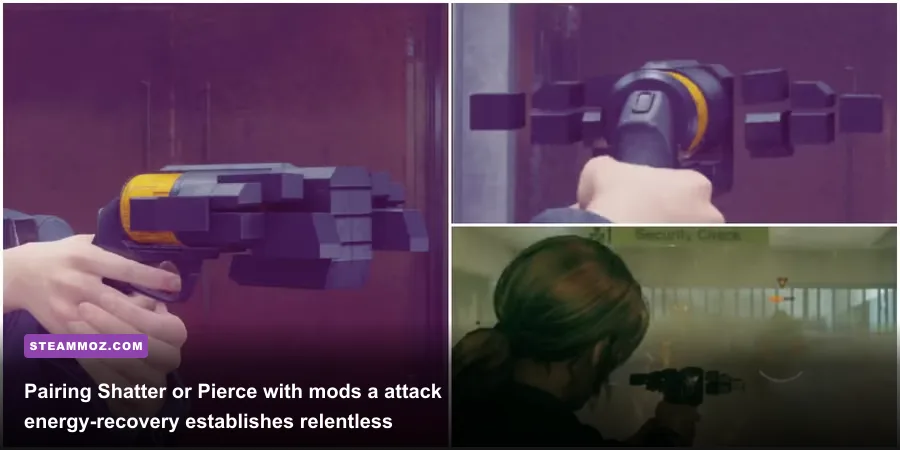
The Service Weapon is a shapeshifting Object of Power that replaces traditional weapon wheels. It operates on an automated thermal recharge cycle rather than physical magazines. There are no ammo drops anywhere in the game. If you exhaust the energy cylinder, you must wait roughly 2.5 seconds for it to replenish. This creates Jesse's foundational DPS loop: fire your Service Weapon until the magazine is empty, immediately cast Launch to crush an enemy while the weapon recharges, and return to shooting the moment your Energy pool dips.
As you gather crafting materials, you can unlock five distinct weapon forms via the Astral Constructs menu:
- Grip: The default semi-automatic pistol. Highly accurate at medium range, balanced damage, and excels when slotted with the exclusive "Eternal Fire" mod (which refunds ammo on hit).
- Shatter: A brutal kinetic shotgun. Devastating against unarmored mobs in close-quarters encounters, but suffers from steep damage falloff past 10 meters.
- Spin: A high-capacity submachine gun. Excellent for spray-and-pray suppression, though heavy recoil and spread make accuracy mods mandatory.
- Pierce: A sniper railgun that penetrates enemy armor and walls. It hits like a freight train, but charging each shot consumes half of your weapon energy bar.
- Charge: A three-round burst rocket launcher. Deals massive area-of-effect damage, but beware: firing it too close to walls will splash back and instantly kill Jesse.
| Weapon Form | Effective Range | Ammo Consumption | Best In-Slot Mod Synergy |
|---|---|---|---|
| Grip | Medium to Long | Low (1 round per shot) | Damage Boost + Eternal Fire (Ammo refund on hit) |
| Shatter | Close (0-10m) | Moderate (1 shell per blast) | Choke (Tighter spread) + Projectile Count Boost |
| Spin | Close to Mid | Very Fast Drain | Rate of Fire + Recoil Reduction / Accuracy |
| Pierce | Extreme Range | High (50% magazine per shot) | Zoom Magnification + Armor Piercing / Headshot Multiplier |
| Charge | Mid to Long | High (33% magazine per shot) | Blast Radius + Projectile Velocity |
You can equip two active forms simultaneously on your loadout wheel. Pairing Shatter with Pierce offers the ultimate balance: Pierce shreds armored bosses and airborne Hiss Elevated from across the room, while Shatter cleans up rushing melee grunts up close.
Economy and Exploration: Don't Hoard Source in the Oldest House
Resources in Control are split between Source (an ethereal currency collected from kills and containers) and specific crafting materials like Ritual Instinct, Astral Blip, and Intrusive Pattern. The game punishes reckless hoarding: every time you die, the Board penalizes you by docking roughly 10% of your total unspent Source. Dying repeatedly against tough encounters like the Salvador boss fight or the Mold-1 anomaly can drain tens of thousands of Source within minutes.
To avoid this, spend your Source whenever you discover a new Control Point. Invest immediately in weapon form upgrades, tier-three Astral Constructs, and personal mod slot unlocks. If you are strapped for materials, take on Board Countermeasures (bounties like "Kill 10 Hiss with Launch in Research") and jump on timed Bureau Alerts. These side tasks provide a constant injection of high-rarity mods and rare crafting drops. For players who love scouring environments, check out our piece on hunting down secret rooms and hidden rewards; finding hidden areas in Control directly rewards you with unlisted Ability Points that accelerate your build progression.
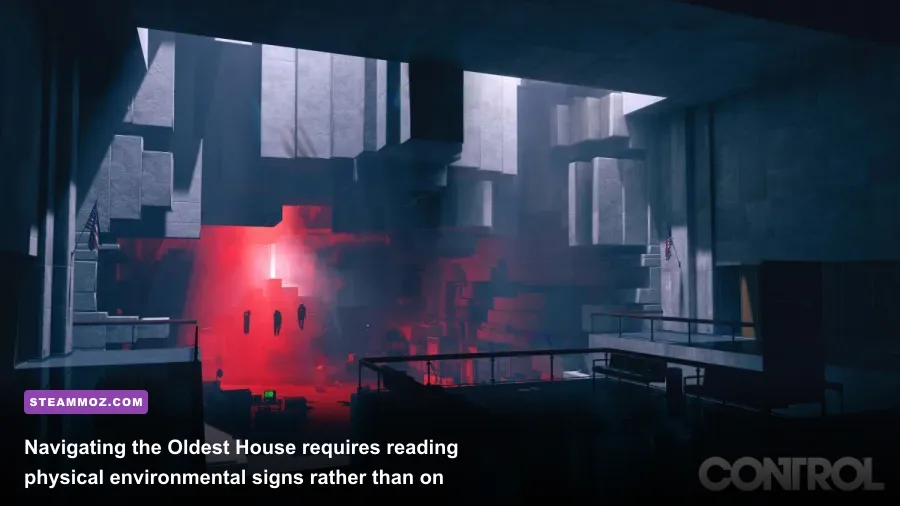
Navigating the Federal Bureau of Control's brutalist corridors is another hurdle. The in-game 2D map is notoriously flat, offering zero clarity on multi-tiered vertical structures. Instead of constantly opening the map overlay, navigate like an in-universe agent: follow the crisp, white signage painted directly onto the walls above doorways. The environmental typography clearly directs you toward the Sector Elevator, Maintenance pumps, Black Rock Processing, and Research labs far better than the HUD ever will.
Taming the Northlight Engine: DirectX 12, Ray Tracing, and DLSS Optimization
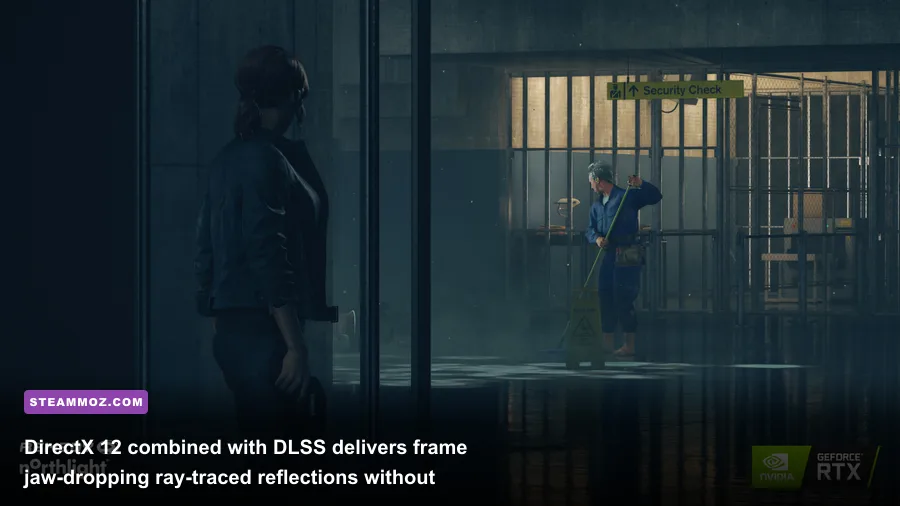
Remedy's Northlight Engine is a technical showpiece, but it is notorious for putting modern GPUs through the wringer. According to technical documentation from Remedy Entertainment's official Control portal and community breakdowns on the Control Community Wiki, how you launch and configure the PC client makes a massive difference in input latency and frame pacing.
When launching the game, you can choose between DirectX 11 and DirectX 12. If you are running older hardware without Ray Tracing support, DirectX 11 provides slightly more consistent rasterization and avoids DX12 shader compilation hitches. However, for any modern NVIDIA RTX or AMD Radeon card, DirectX 12 is required to access real-time Ray Tracing and Deep Learning Super Sampling (DLSS).
Full Ray Tracing in Control is stunning—especially the transparent reflections on glass windows and mirror-finished marble floors—but running every RT toggle will halve your frame rate. To maintain a smooth 60–120 FPS experience without turning the Oldest House into a slideshow, use the competitive optimization profile below. If you've spent time tweaking advanced display settings or optimizing your graphics settings for maximum FPS in other resource-heavy titles, these adjustments will feel right at home.
| Graphics Setting | Recommended Value | Performance Impact | Visual Impact & Tactical Context |
|---|---|---|---|
| Display Mode | Exclusive Fullscreen | Negligible | Reduces input latency and eliminates desktop window compositor micro-stutters. |
| Render Resolution (DLSS) | Quality Mode (66% scale) | +40% to +60% FPS Gain | Crucial. Upscales to 1440p/4K with exceptional edge stability and sharper detail than native TAA. |
| Volumetric Lighting | Medium | High (~12-15% FPS) | High eats massive GPU compute in hazy sectors like Maintenance with minimal visual gain over Medium. |
| Screen Space Reflections | Medium | Moderate (~8% FPS) | Eliminates grain on wet floors without crushing frame pacing during physics-heavy firefights. |
| Global Reflections | Medium | Low (~4% FPS) | Governs cube-map precision across executive suites; Medium offers clean specular highlights. |
| Shadow Resolution | Medium | Moderate (~7% FPS) | Softens shadow penumbras naturally without consuming excessive VRAM bandwidth. |
| Ray Traced Reflections | On (if RTX 3070+) | Very High (~25% FPS) | The single most transformative graphical feature in the game; worth keeping on via DLSS. |
| Ray Traced Transparent Reflections | On | High (~15% FPS) | Enables reflections in Bureau office windows; drop to Off if you struggle to hold 60 FPS. |
| Ray Traced Indirect Diffuse | Off | Severe (~20% FPS) | Heavy global illumination bounce; disable to reclaim massive headroom on mid-range GPUs. |
By shifting your reflexes away from stationary cover, funneling your early skill points into Launch, establishing a rhythmic gun-and-power combat rotation, and optimizing Northlight's ray tracing features with DLSS, you will transform Jesse Faden from a fragile target into an unstoppable force inside the Federal Bureau of Control. Keep your eyes on the signage, spend your Source before boss fights, and keep moving.