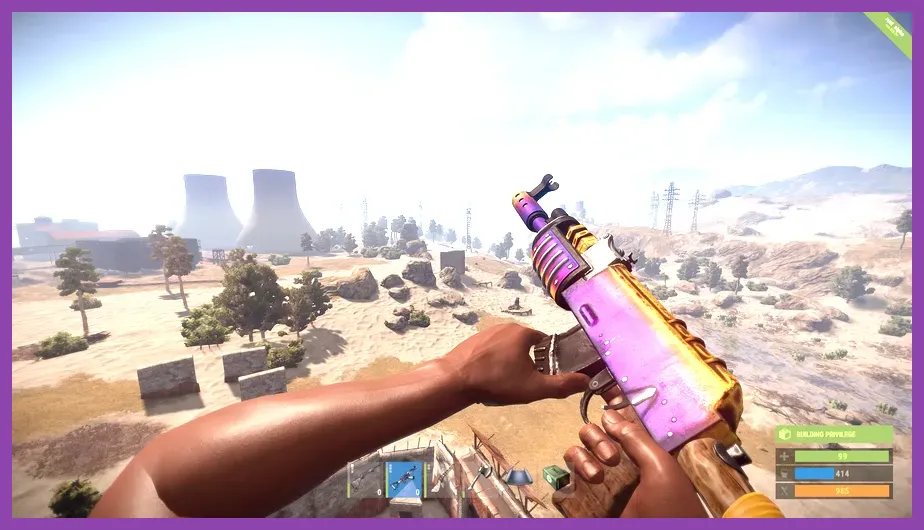
The best Rust endgame build for most vanilla wipes is an Assault Rifle-centered kit: Assault Rifle, Metal Facemask, Metal Chest Plate, Roadsign Kilt, coffee-can or roadsign leg protection, Tactical Gloves, Hoodie, Pants, Medical Syringes, and 5.56 Rifle Ammo. Pair it with a Bolt Action Rifle or L96 Rifle for range, a Thompson or Custom SMG for indoor fights, and a Rocket Launcher for raiding. This setup covers monuments, online PvP, defense, and farming without wasting high-tier resources.
Rust has no character class or permanent skill tree, so “build” means the weapons, armor, ammunition, medical items, tools, and hotbar you take into a specific fight. The recommendations below assume a vanilla server, a Tier 3 Workbench, access to a small group’s industrial storage, and a wipe where sulfur and high-quality metal are available. Check the official Rust website for major balance changes before committing a large stockpile.
Best Rust Endgame Weapon Loadout
Primary: use the Assault Rifle as the default endgame weapon. It fires 5.56 Rifle Ammo, has excellent damage and range, and remains useful from close monument fights to open-field defense. Keep a Holosight or Simple Handmade Sight for general PvP; use a 4x Zoom Scope only when you are deliberately playing a longer sightline. A Muzzle Brake can make sustained sprays easier, while a Silencer is better for ambushes but reduces damage.
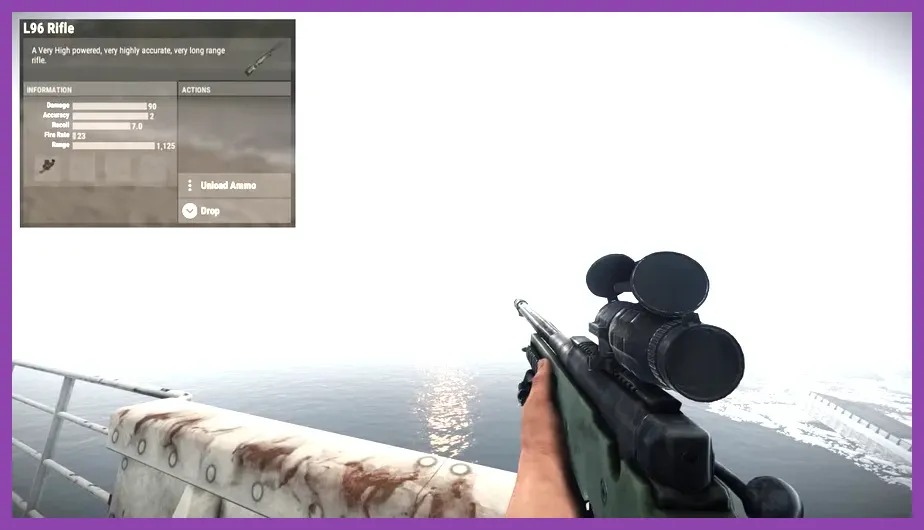
Secondary: choose the L96 Rifle for long-range overwatch or a Bolt Action Rifle if the L96 is unavailable. Both use 5.56 Rifle Ammo and let you punish exposed players before switching to the Assault Rifle. For tight interiors, replace the sniper with a Thompson or Custom SMG. The Thompson is the stronger all-purpose backup because it remains controllable outside point-blank range.
Utility: always carry a Combat Knife or Salvaged Sword for harvesting bodies, a Building Plan and Hammer for emergency cover, and a Weapon Flashlight for night monument clears. A Grenade is useful against doorways and roof campers. Keep a Rust Wiki reference open when checking attachment compatibility, blueprint requirements, and monument loot tables.
Armor, Clothing, and Protection Priorities
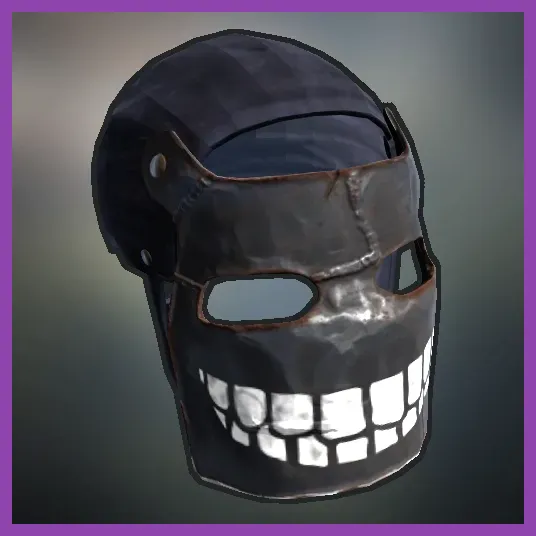
The best general combat armor is a Metal Facemask and Metal Chest Plate over a Hoodie and Pants, with Roadsign Kilt and Roadsign Gloves completing the protection profile. This combination gives strong projectile protection while preserving enough mobility for monument fights. Swap in Tactical Gloves when available for a more practical late-game kit, but do not enter a serious fight wearing mixed cloth pieces simply to preserve durability.
For the legs, Roadsign Kilt is the dependable default. If your server’s current armor balance favors the Heavy Plate set, use Heavy Plate Helmet and Heavy Plate Vest only when defending a compound or holding a fixed position; the movement penalty is dangerous during open-field PvP. Heavy Scientist fights and Oil Rig are more forgiving when you can use cover, but roaming with heavy armor makes repositioning slower.
Clothing also affects cold and radiation protection. Carry a Hazmat Suit for Launch Site, Power Plant, and other radiation-heavy routes, but switch back to metal armor before fighting players. Keep a spare set in a locker rather than combining Hazmat with an expensive combat kit. Armor is a resource decision: repair valuable pieces at a Repair Bench before leaving, and store damaged replacements in a performance-friendly base setup if you play on Steam Deck.
Ammo, Healing, and Hotbar Setup
For every Assault Rifle run, take at least 128 rounds of 5.56 Rifle Ammo for a short roam and 256 rounds for a monument or online raid defense. Carry 16 to 32 rounds of Pistol Bullet only if your backup is a Thompson or Custom SMG; do not dilute your inventory with ammunition for weapons you are not carrying. Explosive 5.56 Ammo belongs in raid boxes, not casual roaming kits, because its cost is difficult to justify in ordinary fights.
Medical Syringes are the core healing item. A practical solo hotbar is: slot one Assault Rifle, slot two Thompson or L96 Rifle, slot three Medical Syringes, slot four bandages, slot five Building Plan, slot six Hammer, slot seven grenades, slot eight food, and slot nine a flashlight or tool. Carry 10 to 15 syringes for monument PvP. Bandages stop bleeding and are cheap enough to use between engagements, while cooked meat or other reliable food prevents a long fight from ending through starvation.
Use this inventory discipline alongside Steamoz’s guide to fix lag and low FPS if stutters are causing missed sprays. Rust firefights are decided by reaction time, visibility, and sound as much as weapon quality, so stable performance is part of the build.
Endgame Progression and Tier Ranking
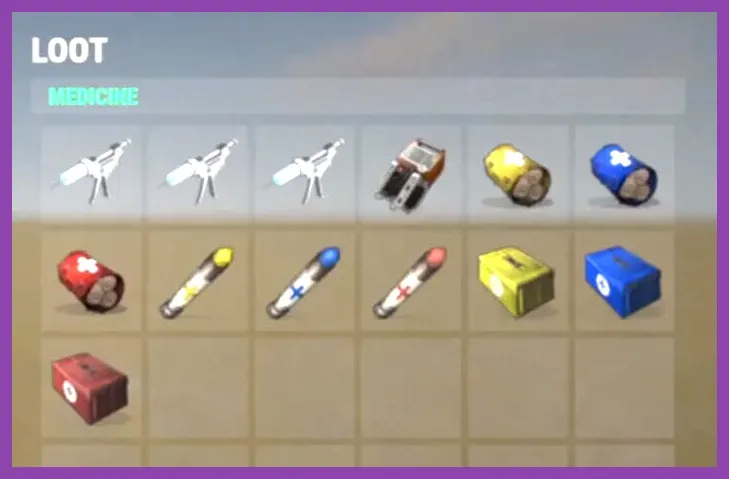
S-Tier — Assault Rifle kit: Assault Rifle, Metal Facemask, Metal Chest Plate, Roadsign Kilt, Medical Syringes, and 5.56 Rifle Ammo. This is the best all-round build because it handles roaming, monument control, base defense, and most online fights without changing its core weapon.
A-Tier — L96 overwatch kit: L96 Rifle, Assault Rifle, metal armor, and extra 5.56 Rifle Ammo. It ranks below the standard kit only because it is expensive and less forgiving indoors. Use it from Launch Site roofs, large compound walls, Oil Rig platforms, or a mountain ridge while a teammate pressures enemies below.
A-Tier — M249 suppression kit: M249, metal armor, and a secondary Thompson or Assault Rifle. The M249 is powerful during compound defense and sustained fights, but its rarity and reload profile make losing it especially painful. Avoid taking it alone into a monument unless you have a secure extraction route.
B-Tier — MP5A4 or Thompson fallback: MP5A4 or Thompson, roadsign armor, Medical Syringes, and Pistol Bullets. These are excellent when your group has not secured Assault Rifles, but they lose damage and range in open terrain. They remain strong in labs, tunnels, oil platforms, and base interiors.
Progress through the Tier 3 Workbench by researching the Assault Rifle, Metal Facemask, Metal Chest Plate, Medical Syringes, Rocket Launcher, Rockets, and Garage Door first. Tech-tree costs change with server balance, so confirm current prices through the official Rust Steam page and prioritize blueprints that your group can craft repeatedly.
Combat Rotation for Monuments and Roaming
Start every engagement with cover, not a spray. Place a quick wall or hide behind monument geometry, peek on the right side when possible, and fire controlled Assault Rifle bursts at medium range. At close range, transition to the Thompson or keep the Assault Rifle hip-ready. After taking damage, break line of sight, use one Medical Syringe, and reposition before re-peeking; repeatedly healing in the same doorway makes your timing predictable.
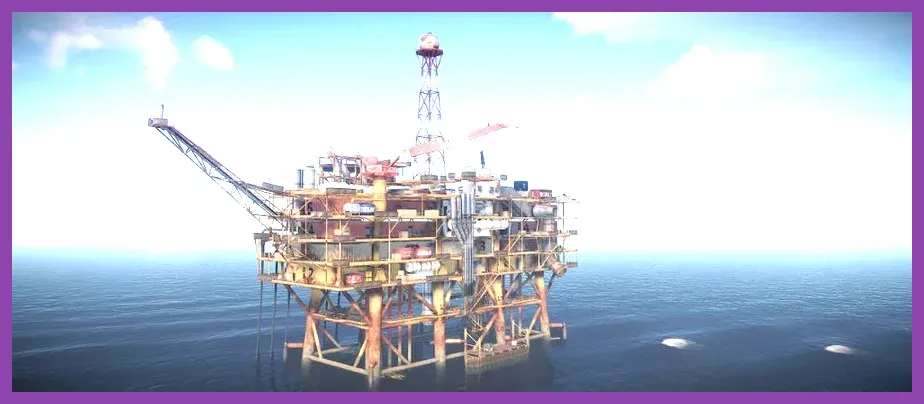
Against scientists, clear from cover and reload before pushing the next angle. At Large Oil Rig, avoid standing on open platforms where Heavy Scientists can surround you. Pull them around railings and doorways, kill ordinary scientists first, then use head-level bursts on Heavy Scientists during their recovery windows. On Launch Site, check rooflines and recycler approaches before entering the monument, because player ambushes are more dangerous than radiation.
When roaming, keep the L96 user behind the Assault Rifle player rather than splitting the group. The sniper should call targets, down exposed players, and watch the retreat route; the rifle player should close distance only after confirming the enemy’s numbers. For additional survival gains, review Steamoz’s open-world optimization guide and avoid visual settings that hide players in foliage or dark interiors.
Raiding, Base Defense, and Final Build Checklist
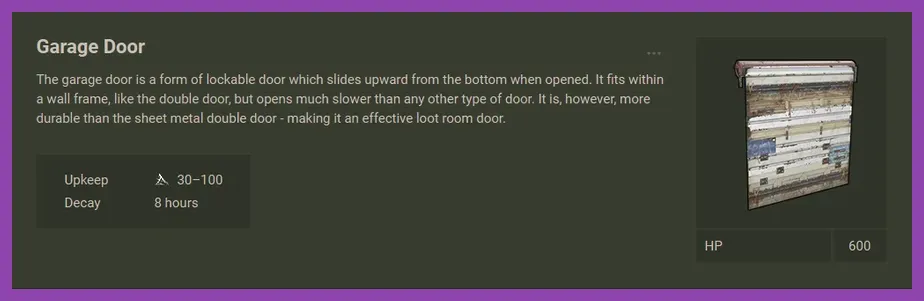
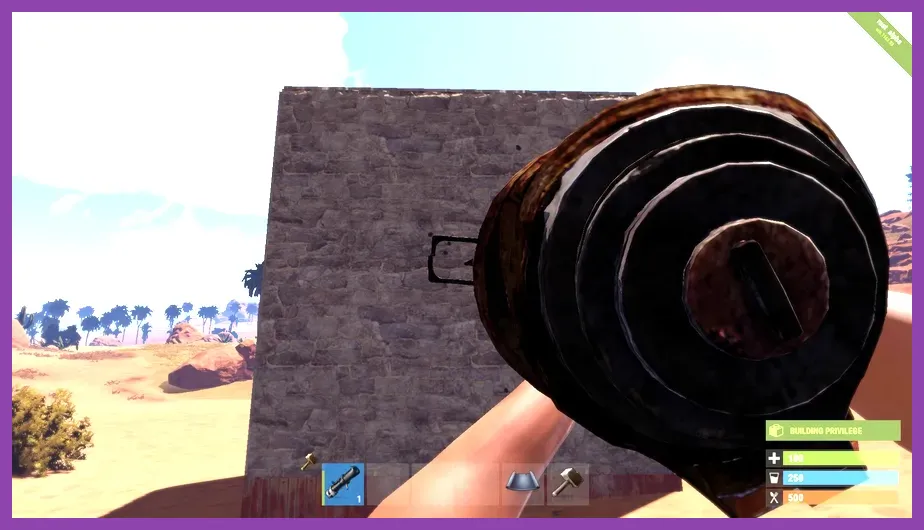
The combat kit becomes a true endgame build when it supports raiding and defense. Store Assault Rifles and L96 Rifles in a Locker near the shooting floor, keep 5.56 Rifle Ammo in a separate box, and protect Rockets, Explosives, and Sulfur behind the strongest door path in the base. Bring a Rocket Launcher only when the target is scouted and your team has enough Rockets to finish the raid; partial raids advertise your location without securing a result.
For defense, place a Building Plan and Hammer on every fighting kit. High External Stone Walls, Auto Turrets, Shotgun Traps, and wide-gapped shooting floors force attackers to spend explosives before reaching the core. Keep spare Metal Facemasks, Chest Plates, syringes, and ammunition in separate kits so one death does not end your group’s ability to contest the raid. If your base depends on electricity, store backup batteries and spare components away from the main power room.
Before leaving, verify the final checklist: Assault Rifle with a suitable sight, 128 or more 5.56 Rifle Ammo, 10 or more Medical Syringes, bandages, food, armor repaired at a Repair Bench, building materials, a sleeping bag, and a clear return route. For PC players, Steamoz’s low-end PC optimization advice can help identify frame-time problems, while our latency troubleshooting guide covers network checks that also apply to Rust.
In short, build around the Assault Rifle, protect it with metal armor, carry enough syringes and 5.56 ammunition to survive a second engagement, and add an L96 or Bolt Action Rifle when your team can support long-range play. That combination remains the most reliable Rust endgame build because it wins across the widest range of fights rather than depending on one monument or raid scenario.