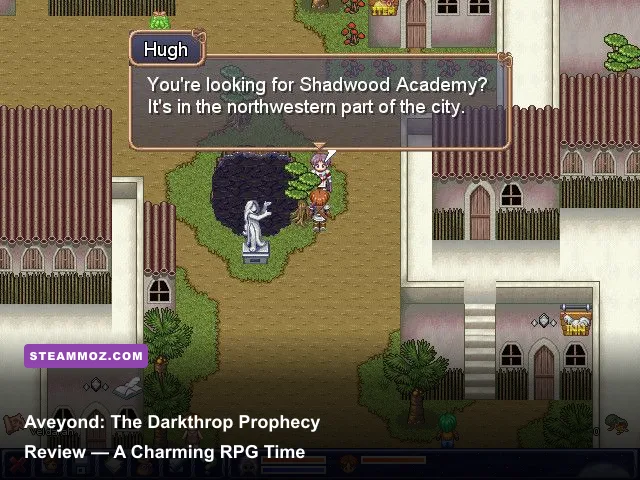
Yes, Aveyond: The Darkthrop Prophecy is worth playing in 2026—but only if you want a compact, story-first, turn-based RPG rather than a modern systems-heavy adventure. Its hand-drawn presentation, playful writing, generous exploration, and low-pressure combat still work beautifully. The rough edges are equally clear: dated menus, limited animation, uneven pacing, and an old-school quest structure that occasionally expects you to remember one vague conversation from two towns ago.
This is not a game to buy for flashy visuals or deep tactical combat. It is a comfort-food RPG. Think classic 2D computer role-playing design filtered through RPG Maker: colorful villages, eccentric companions, treasure hidden behind suspicious-looking walls, and a heroine who gets pulled into a much larger prophecy than she expected. If that sounds appealing, the game’s age becomes part of its charm rather than a deal-breaker.
For context, the official Steam listings place the game among Amaranthia’s later Aveyond releases, while the developer’s official site provides background on the series. It is also a useful counterpoint to modern RPGs that bury simple adventures under crafting trees and seasonal progression. For another look at an older RPG surviving on atmosphere and fundamentals, read our Dungeon Siege classic RPG review.
What kind of RPG is The Darkthrop Prophecy?

Aveyond: The Darkthrop Prophecy is a traditional, party-based, turn-based RPG built around exploration, dialogue, equipment upgrades, and a long chain of story quests. You control Mel, a young adventurer whose personal journey gradually expands into a prophecy-driven fantasy quest. The game’s appeal comes from the rhythm: enter a town, talk to everyone, accept several errands, explore a nearby dungeon, upgrade the party, and return with enough information to unlock the next route.
That structure is deliberately old-fashioned. There is no open-world freedom in the modern sense, but areas branch enough to make the world feel larger than its tile-based maps suggest. The best moments come from spotting an interactive object that looks slightly out of place: a chest tucked behind a building, a path hidden by trees, or an NPC whose dialogue changes after a story event.
The game also rewards attention more than reflexes. Battles are turn-based, so there is no timing window to master and no action-game dodge roll to save a bad decision. You select attacks, skills, items, or defensive commands, then watch the party execute them. That makes the game friendly for players who prefer narrative momentum over demanding combat, though veterans may find the encounters predictable once the party’s roles settle.
| Element | What it offers | 2026 verdict |
|---|---|---|
| Combat | Classic turn-based party battles | Simple but readable |
| Exploration | Town hubs, dungeons, secrets, and fetch quests | Still rewarding |
| Story | Light fantasy adventure with comedic character writing | Best reason to play |
| Progression | Levels, weapons, armor, skills, and consumables | Accessible rather than deep |

🎮 Aveyond: The Darkthrop Prophecy
Looking to experience this game? Grab your digital key directly on our store for $1.99.
View on Steammoz Store →Combat is easy, but the party has clear jobs
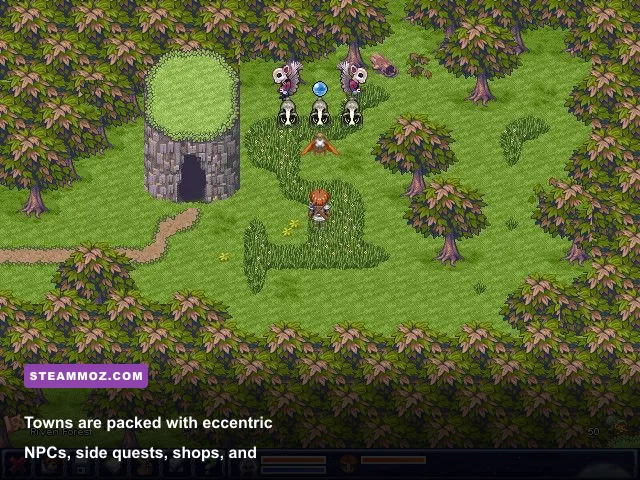
The Darkthrop Prophecy does not offer the elaborate buildcraft of a modern CRPG. You will not spend hours calculating damage scaling, selecting subclasses, or balancing a dozen status effects. Instead, each character tends to occupy a recognizable role. Mel works as a dependable frontline damage dealer, while other party members broaden the group with healing, support, ranged attacks, or elemental options.
The practical rule is simple: keep one character focused on reliable physical damage, one prepared to restore health, and one equipped to exploit enemy weaknesses. Do not burn every healing item during routine encounters. Gold and consumables are more valuable when a dungeon introduces stronger enemies or when you reach a boss without a convenient save point nearby.
Normal attacks are perfectly serviceable against common enemies, but skills become important when a fight contains armored targets, groups of weaker creatures, or enemies capable of inflicting status ailments. The combat system communicates its threats clearly enough that you can usually identify the danger after one turn. If an enemy repeatedly lands a debilitating effect, remove it quickly instead of treating the battle like a damage race.
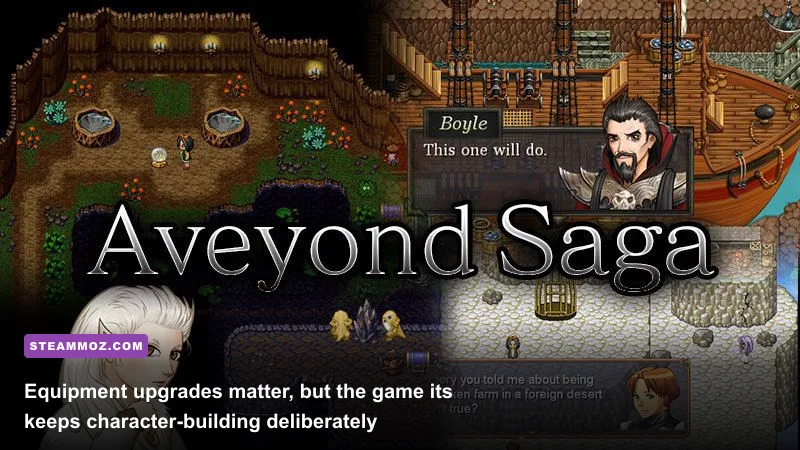
Equipment progression is more important than grinding. When you reach a new settlement, check every weapon and armor shop before pushing into the next dungeon. A modest upgrade across three party members often saves more time than fighting another twenty random encounters. This is one place where the game resembles the classic RPGs discussed in our upgrade-value guide: spend currency on improvements that change your immediate options, not on hoarding money forever.
| Party priority | Recommended approach | Why it works | Common mistake |
|---|---|---|---|
| Frontline damage | Use the newest weapon and offensive skills | Shortens routine battles | Ignoring equipment after a new town |
| Healing | Reserve restorative skills and items for emergencies | Protects gold and dungeon supplies | Wasting healing on minor chip damage |
| Support | Use elemental or status tools against troublesome targets | Controls difficult enemy groups | Repeating normal attacks automatically |
| Whole party | Save before major story transitions | Prevents backtracking after a bad fight | Assuming every checkpoint is generous |
Exploration carries more weight than combat
The strongest part of The Darkthrop Prophecy is its sense of small-scale discovery. Villages feel like places rather than menus, and NPCs are often worth revisiting after major plot developments. The writing understands that a side quest does not need an apocalyptic reward to be entertaining. A strange request, a petty feud, or an absurd errand can be enough to make a detour memorable.
That said, the quest design can be frustrating in 2026. Objectives are not always presented with the precision modern players expect, and the game occasionally relies on dialogue clues instead of a robust quest log. Keep a short note of unusual names, promised destinations, and items requested by NPCs. It sounds excessive for a lightweight RPG, but it will save you from wandering through every previously visited map.
Dungeons are generally compact, yet they still reward deliberate searching. Check dead ends, inspect corners, and revisit routes after gaining access to a new area. The game’s visual language is not always consistent, so do not assume that a decorative-looking object is purely background. A few minutes of exploration can produce equipment or items that make the next story fight noticeably easier.
This is also where the game’s limitations become visible. Maps can feel repetitive, backtracking is common, and the lack of modern navigation conveniences may test your patience. Players who loved the relaxed treasure hunting in our hidden-rewards guide will likely enjoy the same instinct here, just without the high-resolution space vistas.
How it holds up technically on PC in 2026
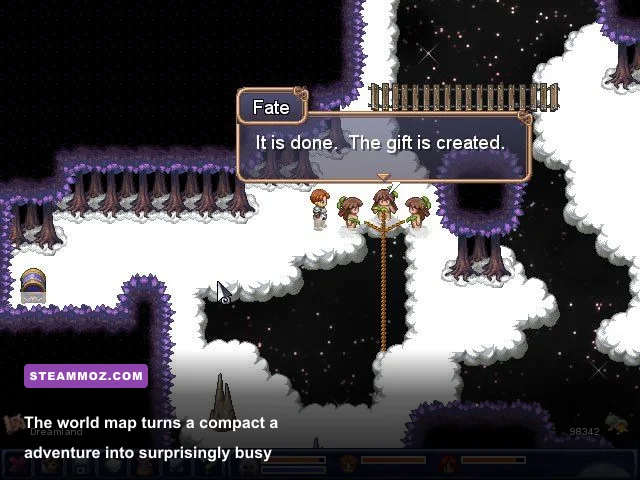
The good news is that this is one of the easiest RPGs to run on a current PC. The visual presentation is built around 2D sprites, tile-based maps, and lightweight effects, so performance is rarely the concern. The real compatibility question is whether the game’s older interface and display behavior suit your setup.
Run it at the highest stable resolution your display handles comfortably, but do not expect modern ultrawide support or a sophisticated graphics menu. If the image appears soft, test windowed and borderless modes before changing system scaling. Older RPGs can behave differently depending on desktop DPI settings, overlays, and forced full-screen options. The practical fix is usually simple: disable unnecessary overlays, verify the game files through Steam, and avoid stacking third-party wrappers unless you actually need them.
| PC profile | Recommended setup | Expected result | Best for |
|---|---|---|---|
| Modern desktop | Native display resolution, standard Steam launch | Effortless performance | Players who want zero tweaking |
| Gaming laptop | Windowed or borderless mode, overlays minimized | Stable and cool-running | Portable sessions |
| High-DPI display | Test Windows scaling and compatibility options | Cleaner text and fewer layout issues | 4K monitor owners |
| Older PC | Lower desktop resolution if needed | Still comfortably playable | Budget and legacy hardware |
Do not confuse simple graphics with poor presentation. The sprite work has personality, the environments use color effectively, and the soundtrack supports the game’s fairytale mood. It will not impress anyone hunting for ray tracing, but that is not the point. Like the older titles in our low-demand PC performance guide, the appeal is that almost any machine can get the full experience.
The biggest reasons to play—and to skip it
The case for playing is straightforward. The game has a welcoming tone, a memorable central cast, plentiful optional dialogue, and a campaign structure that respects players who want a complete adventure without a hundred-hour commitment. It is also a strong pick for people who miss RPGs where towns, shops, and NPC conversations matter as much as combat.
The case against it is just as clear. The combat rarely demands creative planning, the interface feels dated, and the game can make you backtrack without adequately explaining why. The humor is broad and sometimes uneven. If you want character builds with multiple viable endgame paths, reactive dialogue, or boss fights built around attack telegraphs, this will feel very thin compared with contemporary releases.
| Player type | Recommendation | Reason |
|---|---|---|
| Classic RPG fan | Strong buy on sale | Exploration and town-driven storytelling hit the right nostalgic notes |
| Story-focused player | Recommended | The character writing carries the lighter combat |
| Hardcore strategist | Try cautiously | Party roles are useful but not especially complex |
| Modern convenience seeker | Wait for a discount | Quest tracking and navigation can feel old-fashioned |
My final verdict for 2026 is a 7/10. Aveyond: The Darkthrop Prophecy is not secretly a lost modern masterpiece, and nostalgia should not excuse every awkward menu or vague objective. But it remains a sincere, funny, generously designed RPG with enough personality to survive its technical age. Buy it if you want a breezy fantasy journey, charming characters, and classic turn-based comfort. Skip it if you need deep combat systems or cinematic production values.
The best way to approach it is with the right expectations: keep notes, upgrade equipment regularly, talk to NPCs twice, and treat exploration as the main event. If that sounds more inviting than exhausting, The Darkthrop Prophecy is absolutely still worth playing in 2026.
For official release information, check Aveyond on Steam and the official Amaranthia games page. Players comparing it with other classic PC adventures can also browse our PC troubleshooting coverage before settling in for a long fantasy campaign.