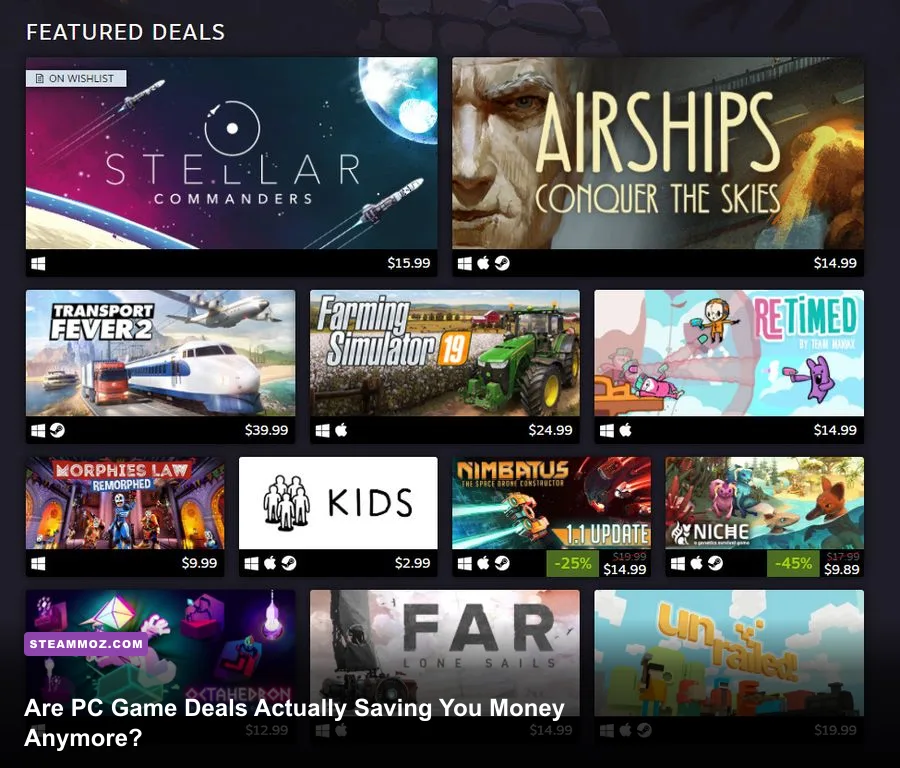
Yes, PC game deals are still worth your money, but only if you stop treating digital storefronts like digital stamp collections and start calculating your true cost-per-hour return. With standard editions pushing a steep $70 baseline and publisher pricing models shifting dramatically, blindly hoarding $5 to $15 sale titles produces nothing more than digital clutter and credit card fatigue. If you boot up what you buy, third-party key sellers, seasonal publisher events, and curated bundles offer unmatched value that console players can only envy. However, if your unplayed backlog sits above fifty games, chasing discounts transforms from a thrifty gaming hobby into an insidious micro-drain where you pay publishers for titles you will never install.
The Real Math Behind PC Game Deals Right Now
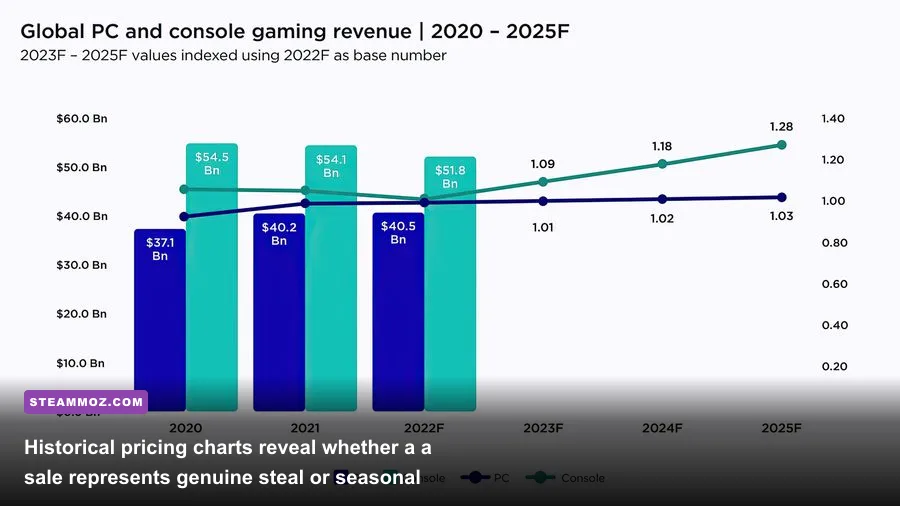
The economy of PC gaming discounts has evolved past the wild west era of 90% flash sales into structured, algorithmic depreciation. Today, a standard AAA game launches at $69.99. Historically, monitoring tools like the IsThereAnyDeal price tracker show that games follow predictable degradation curves. Major releases generally see an initial 15% to 20% discount within 90 days, a 33% to 40% reduction around the six-month mark during major seasonal events, and a hard floor of 50% to 60% off after 12 to 18 months.
To determine if a sale is genuinely worth pulling the trigger on, smart PC players apply a practical formula: True Value = (Discounted Price + Storage Cost) / Estimated Gameplay Hours. With modern releases routinely consuming 90GB to 150GB of high-speed NVMe storage, unplayed games impose a tangible hardware penalty. A $10 bargain title that sits unplayed on a 2TB drive for two years actually costs you storage overhead and mental friction. Conversely, snagging a sprawling space action RPG like Everspace 2 and scouring its hidden rewards for 80 hours at a 50% discount works out to roughly $0.31 per hour of premium entertainment—an unbeatable metric compared to any other medium.
Storefront Breakdown: Where the Real Savings Actually Live
The modern PC landscape is heavily fractured, and relying solely on the standard Steam store means leaving substantial cash on the table. Valve's storefront remains unmatched for community features, cloud syncing, and Steam Deck compatibility, but direct Steam sales rarely offer the deepest historical lows for non-Valve titles. Instead, authorized digital retailers leverage publisher contracts and lower profit margins to undercut Valve on raw price.
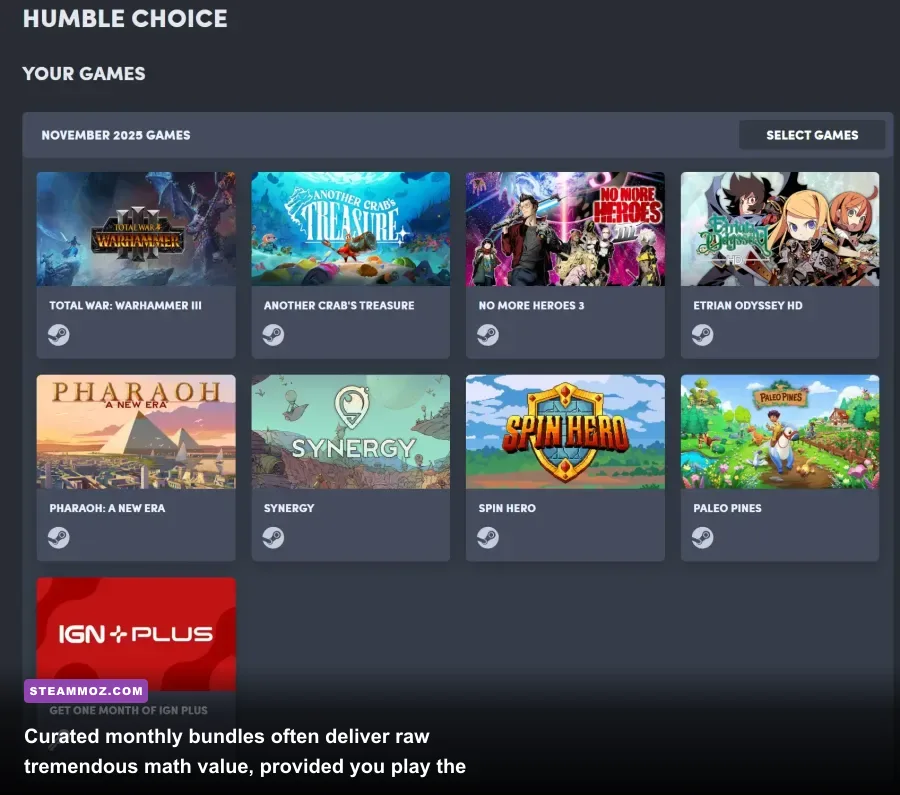
Platforms like Humble Bundle and Fanatical frequently deliver curated multi-game packages that offer staggering price-to-content ratios. The Humble Choice subscription, priced at $11.99 monthly, typically dishes out eight Steam keys featuring at least one recent AAA headliner and several acclaimed indies. Meanwhile, the Epic Games Store leans on publisher-funded coupons during mega sales to shave flat amounts off checkout totals, though its launcher ecosystem remains noticeably barebones compared to Steam.
| Platform / Ecosystem | Average Discount Depth | Key Delivery / DRM | Refund Flexibility | Overall Value Verdict |
|---|---|---|---|---|
| Steam Seasonal Sales | 20% - 75% | Direct Steam License | Flawless (<2 hours / 14 days) | Safe, convenient, rarely lowest price |
| Humble Choice / Bundles | 70% - 90% (bundled) | Steam / DRM-Free Keys | None once keys are revealed | Unbeatable value if you want 2+ games |
| Fanatical Collections | 60% - 85% | Steam Keys directly | Strict (No refunds after key reveal) | Elite for mid-tier and indie gems |
| GOG (Good Old Games) | 30% - 80% | 100% DRM-Free Installers | Generous 30-day technical refund | Best for classic PC preservation |
| Epic Games Store Sales | 33% coupon stacking | Epic Launcher DRM | Standard (<2 hours / 14 days) | Massive launch-window savings |
If you enjoy classic tactical shooters, snagging retro entries during GOG sales lets you revisit gems without invasive online checks. You can check out retro loadout strategies like ranking classic weapon loadouts in Far Cry 3 Blood Dragon to see how well vintage mechanics hold up on modern rigs.
The 2026 Discount Landscape: AAA vs Indie Price Floors

Different publishers maintain wildly diverging philosophies regarding discounts. Understanding who is publishing the title is the secret to knowing whether you should buy today or hold off for six months. Ubisoft, EA, and Square Enix treat their catalogs with aggressive depreciation cycles. A massive open-world title will often shed half its retail price before its first major patch cycle finishes. If you want maximum performance for your dollar, tuning a discounted release like Far Cry 6 with optimized settings for high FPS delivers a silky smooth experience at a fraction of launch-day cost.
Conversely, publishers like FromSoftware, Rockstar, and Nintendo (via their rare PC crossover properties) enforce ironclad price stability. Titles like Elden Ring or Baldur's Gate 3 command sustained sales velocity without needing panic-induced price drops. Waiting two years for a deep 75% cut on these prestige releases will leave you waiting in vain; their historic discount floor stubbornly hovers between 30% and 40%.
| Game Title & Publisher | Base Launch MSRP | Typical Sale Price | Time to Reach 50% Off | Cost Per Hour ROI |
|---|---|---|---|---|
| Elden Ring (FromSoftware) | $59.99 | $35.99 - $39.99 | Over 24 Months | $0.30 / hr (120+ hrs played) |
| Cyberpunk 2077 (CDPR) | $59.99 | $29.99 (Base) | 12 Months | $0.38 / hr (80+ hrs played) |
| Far Cry 6 (Ubisoft) | $59.99 | $14.99 | 7 Months | $0.42 / hr (35+ hrs played) |
| Hollow Knight (Team Cherry) | $14.99 | $7.49 | 4 Months | $0.15 / hr (50+ hrs played) |
| Dragon Ball Z: Kakarot (Bandai) | $59.99 | $14.99 - $19.99 | 10 Months | $0.35 / hr (45+ hrs played) |
For extensive RPG adventures where you plan to sink hundreds of hours, grabbing the base game plus DLC expansions during publisher sales is where the true value lies. If you are diving into anime action, using guides on fast leveling tricks in Dragon Ball Z Kakarot maximizes your progression pacing while running on deeply discounted complete editions.
Subscription Services vs Perpetual Ownership: The Real Trade-Off
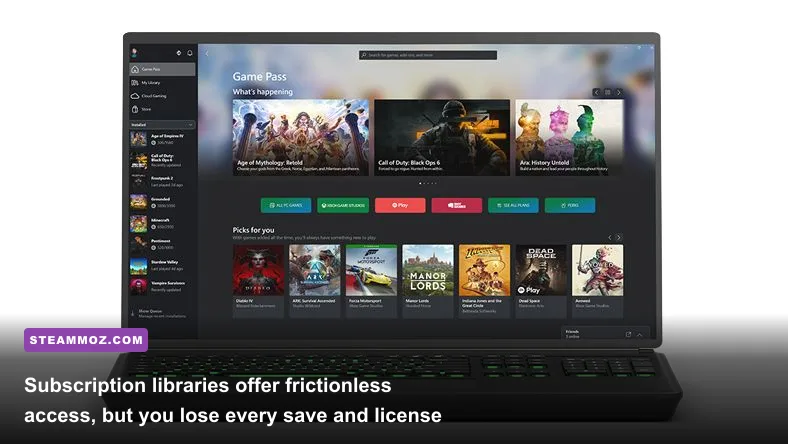
You cannot evaluate the value of buying PC game deals without addressing subscription juggernauts like PC Game Pass. At roughly $140 per year, Microsoft's service provides instant access to hundreds of titles. On paper, it sounds like the death blow to purchasing individual game deals. Why spend $30 on a discounted game when a monthly fee unlocks it immediately?
The math changes drastically when you scrutinize long-term ownership, modding capabilities, and DLC structures. Subscription titles frequently leave the platform after 12 months. If you are midway through a massive, demanding European RPG like Piranha Bytes' catalog, you might spend weeks diagnosing performance hiccups using tools like Elex crash fixes and FPS stabilization tweaks. If that game rotates off Game Pass before you finish its 70-hour campaign, you are left holding useless DLC and save files locked behind a title you must now buy at retail price anyway.
Perpetual licenses bought through Steam or GOG give you unrestricted file access, native compatibility with Nexus Mods, and total independence from fluctuating monthly membership charges. If you only play three or four sprawling games a year, picking them up during major sales costs significantly less than sustaining a continuous annual subscription.
How to Hunt Smart Without Bloating Your Backlog into Oblivion
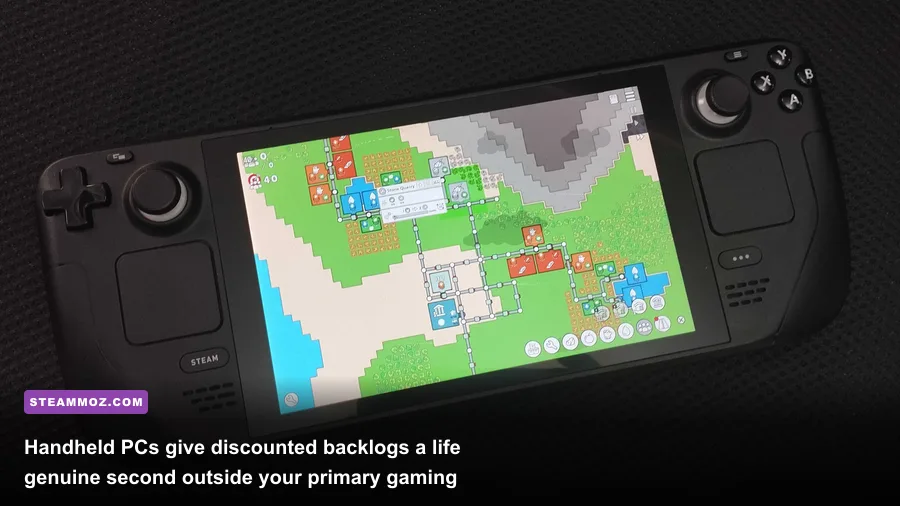
To ensure every dollar spent translates into actual screen time, you need a disciplined purchase workflow. First, ditch the impulse buy. Steam's wishlist notification system is designed to trigger dopamine hits the second a 70% banner appears. Counter this by implementing the "Rule of One": never purchase a newly discounted game unless you intend to download and boot it within 48 hours. If you are currently immersed in another campaign, leave the prospective game on your wishlist; it will inevitably hit that exact price or lower during the next quarterly sale cycle.
Second, prioritize indie titles and optimized puzzle adventures that provide immediate mechanical satisfaction without demanding a 100-hour commitment. Snagging lightweight, brilliant releases and dialing in your display setup—much like applying Filament Marmalade Edition frame pacing tweaks—yields instant gameplay gratification that respects your available free time.
Third, steer clear of unauthorized grey-market key resellers. While marketplaces advertising absurdly low prices may look tempting, they carry zero consumer protections. Publishers frequently revoke batch keys bought via compromised credit cards, leaving your Steam account flagged and your wallet empty. Sticking to vetted storefronts listed on price aggregators guarantees your digital ownership remains permanent, keeping your PC gaming hobby exceptionally affordable, secure, and genuinely rewarding.