
If Kujlevka's mix of Soviet rural isolation, alien absurdity, awkward conversations, and slow-burn dread worked on you, start with Voices of the Void, Pathologic 2, and Who's Lila?. They capture the same crucial feeling: you're not just escaping a monster; you're trying to understand a place whose rules keep changing. SIGNALIS, The Excavation of Hob's Barrow, and Stories Untold round out the best games like Kujlevka to play in 2026, each leaning harder into a different part of the formula.
Kujlevka is unusually difficult to replace because it isn't simply a horror game. Its first-person exploration, day-based routine, branching dialogue, and strange extraterrestrial visitors create a nervous kind of comedy. You may be checking a room, talking to a villager, or choosing a response in a conversation when the entire tone suddenly tilts. The recommendations below are ranked by how closely they reproduce that combination of mundane work, unreliable reality, and existential unease.
S-Tier games for the full Kujlevka mood
| Game | Closest Kujlevka quality | Core mechanics | Typical length |
|---|---|---|---|
| Voices of the Void | Remote work, alien signals, escalating weirdness | Signal decoding, base chores, exploration, events | 20–40 hours for a strong first run |
| Pathologic 2 | Social pressure and impossible choices | Time management, trading, survival, branching quests | 25–35 hours |
| Who's Lila? | Uncomfortable dialogue and reality distortion | Facial-expression control, investigation, branching endings | 5–10 hours |
1. Voices of the Void
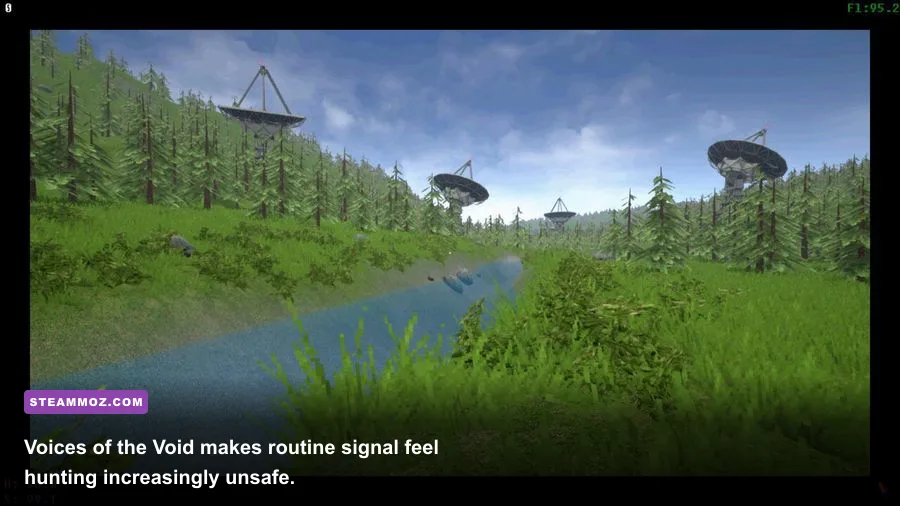
This is the closest overall match, even though its setting is a remote research base rather than a Soviet village. You play Dr. Adam, an isolated signal researcher whose work starts with collecting and processing radio transmissions. The early loop is deliberately ordinary: retrieve drives, repair equipment, sort signals, clean the base, and keep the power running. That routine matters because the game slowly teaches you to fear interruptions.
Signals arrive from space, but the real tension comes from not knowing which events are scripted, random, useful, or dangerous. The game's event system can turn a quiet trip to a satellite dish into a sighting in the tree line or a bizarre object appearing around the base. There is no conventional combat build to save you. Preparation means maintaining the ATV, managing supplies, checking doors, and learning the terrain. If you enjoyed Kujlevka's suspiciously mundane conversations and sudden tonal shifts, this is the obvious first download.
Its main weakness is friction. The interface is intentionally utilitarian, and the first several hours involve a lot of walking and equipment handling. Start on a lower difficulty if you want the mystery rather than a punishing survival routine. The official Steam page for Voices of the Void is the best place to check its current build and content roadmap.
2. Pathologic 2
Pathologic 2 is more brutal, more theatrical, and far less forgiving than Kujlevka, but its design philosophy is remarkably similar. You play Artemy Burakh, a surgeon returning to the town of Gorkhon as a plague tears through its districts. The game runs on a strict 12-day structure, and time advances while you travel, eat, barter, investigate, or fight.
The important detail is that quests aren't waiting politely for you. Characters can die, opportunities can expire, and the town changes whether you're ready or not. Artemy's survival meters include hunger, thirst, exhaustion, infection, and immunity. Combat is clumsy by design: knives, fists, and pistols are dangerous because enemies can injure you quickly and resources are scarce. A single infected district can force you to choose between medicine, food, or ammunition.
Choose Pathologic 2 if the part of Kujlevka you loved was its people and its uneasy moral decisions. Don't expect a relaxed horror tour. The game asks you to accept failure as part of the narrative, and restarting every mistake will drain the experience of its point. The official Pathologic 2 Steam listing includes the latest PC requirements and developer updates.
3. Who's Lila?
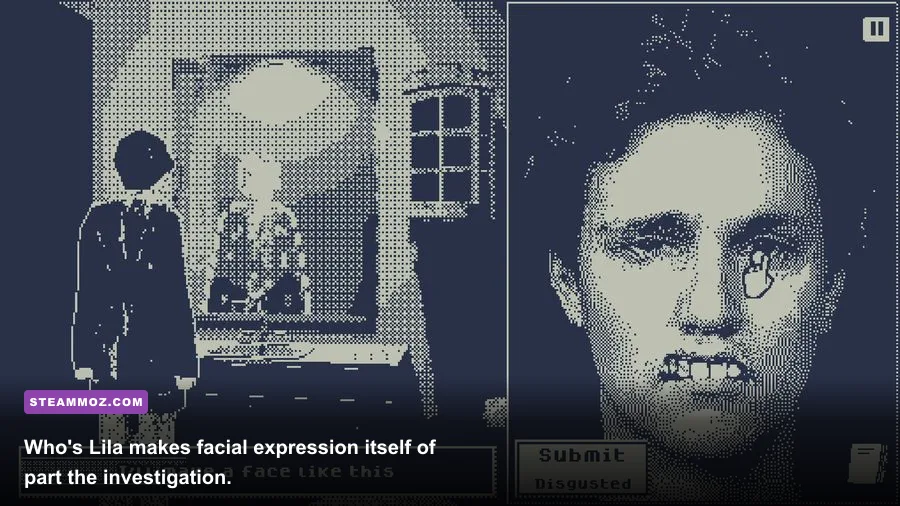
Who's Lila? is the sharpest choice for players who loved Kujlevka's conversations more than its exploration. Its central mechanic is facial control: instead of selecting a normal dialogue response, you manipulate the protagonist's face and choose expressions to influence how people interpret you. Keeping a blank, fearful, angry, or smiling expression can open different conversational paths.
That system sounds like a gimmick until it starts exposing how unstable the game's reality is. You investigate the disappearance of Lila while moving through locations filled with cryptic characters, warped visual logic, and deliberately awkward social encounters. The game tracks choices across multiple routes, so a seemingly harmless expression can change what information you receive later.
It is shorter than the other S-Tier picks, but its density is a strength. A first playthrough is only the beginning; the replay value comes from noticing which dialogue branches you accidentally shut down. The official Who's Lila? Steam page gives a good sense of its expression-based interface and surreal presentation.

🎮 Kujlevka
Looking to experience this game? Grab your digital key directly on our store for $4.99.
View on Steammoz Store →A-Tier alternatives when you want a different flavor of strange

| Game | Why it belongs here | What changes from Kujlevka | Best for |
|---|---|---|---|
| SIGNALIS | Dense mystery and oppressive atmosphere | More combat and inventory management | Players wanting classic survival horror |
| The Excavation of Hob's Barrow | Folklore, isolation, and slow investigation | Point-and-click rather than first-person | Story-first horror fans |
| Stories Untold | Reality-bending episodic storytelling | More puzzle-box structure | Players who enjoy unreliable narratives |
4. SIGNALIS
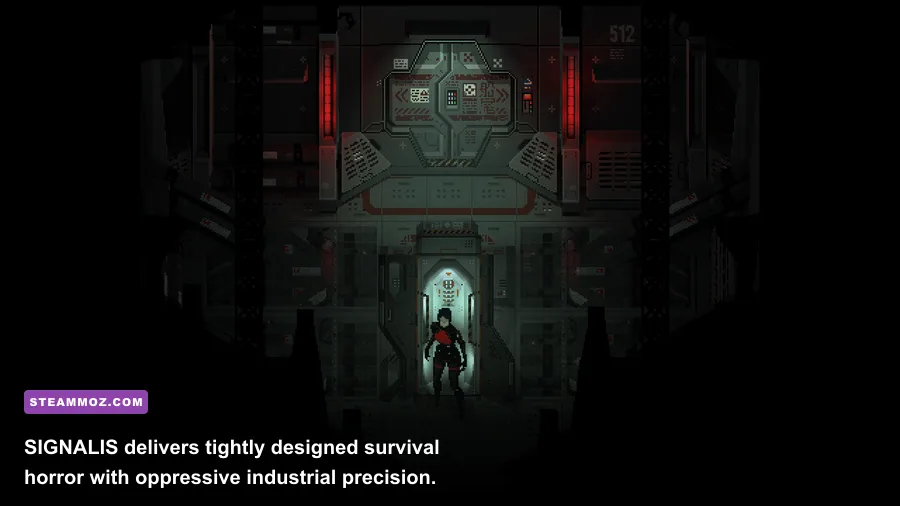
SIGNALIS is the most mechanically polished recommendation here. You play Elster, a Replika technician searching an abandoned facility for Ariane, and the story unfolds through locked rooms, corrupted memories, and clues that refuse to stay literal. Its fixed-camera presentation, tank-control-inspired movement, and strict inventory make every corridor feel measured and hostile.
Specific tools define the rhythm. The stun prod is useful for creating space, while firearms such as the revolver, shotgun, rifle, and flare gun are precious enough that you should avoid wasting ammunition on enemies you can sidestep. Inventory space is deliberately tight, so storing key items in the red item boxes is part of the puzzle rather than a convenience. Enemy corpses can also remain dangerous, which means leaving a room isn't always the same as making it safe.
SIGNALIS doesn't share Kujlevka's rural satire, but it does share its fascination with fragmented identity and unexplained technology. Its puzzles are more traditional, and its combat is much more prominent. Pick it if you want the mystery to come with a strong survival-horror backbone. The official SIGNALIS Steam page is the authoritative source for platform and system details.
5. The Excavation of Hob's Barrow
The Excavation of Hob's Barrow is a patient folk-horror adventure about antiquarian Thomasina Bateman, who travels to the rural village of Bewlay after receiving an unusual invitation to excavate an ancient barrow. It replaces Kujlevka's first-person immersion with point-and-click exploration, but the emotional architecture is close: isolated locals, buried history, strange customs, and a community that knows more than it wants to say.
There are no weapon stats or reflex tests here. Your tools are conversation, observation, item combinations, and persistence. Examine everything, exhaust dialogue options, and revisit locations after major discoveries. The game rewards players who remember a villager's wording or notice that a supposedly ordinary object has appeared in a new place.
Its pixel art is detailed without making the horror loud. The best scares come from implication and from realizing that the village's rituals are not historical curiosities. This is the right choice if the rural isolation and investigative side of Kujlevka mattered more to you than the alien science-fiction.
6. Stories Untold
Stories Untold is an anthology built around text adventures, old computer terminals, and deliberately unreliable presentation. Its opening episode has you operating a vintage computer in a dim room, entering commands and interpreting descriptions. Later chapters widen the format with radio equipment, medical interfaces, and environmental puzzles, but the game keeps asking whether the interface is showing reality or disguising it.
The specific appeal for Kujlevka fans is its use of mundane technology as a horror device. A keyboard, monitor, or radio becomes threatening because you understand its rules just well enough to notice when something breaks them. The game is compact, usually finished in four to six hours, and its episodic structure makes it easy to play in one sitting.
Stories Untold has less free exploration and fewer character-driven choices than Kujlevka. Think of it as a concentrated dose of interface horror and narrative misdirection rather than a full replacement.
B-Tier picks that still deserve your time

These games don't match every part of Kujlevka, but each nails one important ingredient. Paratopic is a short, ugly, dreamlike trip through roadside spaces and fragmented memories. Its low-resolution visuals and abrupt scene changes create the same sense that normal geography has stopped working. It lasts roughly 30 minutes, so treat it as an intense short story rather than a long campaign.
The Norwood Suite is a more playful option. You explore the bizarre Hotel Norwood, meet eccentric residents, and collect information through environmental observation and conversations. It has almost no conventional danger, but its offbeat characters and dream-logic architecture echo Kujlevka's ability to make ordinary rooms feel suspicious.
Golden Light goes in the opposite direction, turning surreal horror into a first-person roguelike. Procedural levels, talking weapons, grotesque enemies, and unpredictable item interactions make every run unstable. It is less focused narratively, but if you want the absurdity and hostile unpredictability of Kujlevka pushed into combat, it earns a B-Tier recommendation.
How the games compare before you buy
| Game | Exploration | Dialogue depth | Combat pressure | Replay value |
|---|---|---|---|---|
| Voices of the Void | High | Low to medium | Low, but events can be dangerous | High |
| Pathologic 2 | High | Very high | High | Very high |
| Who's Lila? | Medium | Very high | Low | Very high |
| SIGNALIS | Medium | Medium | High | Medium |
| Hob's Barrow | Medium | High | None | Medium |
| Stories Untold | Low to medium | Medium | Low | Medium |
For the closest overall substitute, choose Voices of the Void. For the deepest consequence-driven world, choose Pathologic 2. For dialogue that feels like a psychological puzzle, choose Who's Lila?. If you want a more conventional but exceptionally atmospheric horror game, go with SIGNALIS. That distinction matters: these games overlap with Kujlevka in mood and design philosophy, not in genre labels alone.
Best play order for Kujlevka fans in 2026
- Start with Voices of the Void. Its chores, isolation, alien signals, and escalating events preserve the strongest structural similarities.
- Move to Who's Lila? if the conversations and branching weirdness were your favorite part. Play it twice rather than rushing to the first ending.
- Play Pathologic 2 when you want consequences. Set aside a long weekend and accept that you won't save everyone or understand every system immediately.
- Choose SIGNALIS for focused survival horror. Use item boxes aggressively, conserve ammunition, and don't assume every enemy deserves a kill.
- Finish with Hob's Barrow or Stories Untold. The former delivers folklore and character work; the latter gives you a compact, technology-driven reality fracture.
One useful warning applies to all six: don't look up ending guides before your first run. Kujlevka-style games rely on uncertainty, and spoilers don't just reveal plot points; they explain what kind of game you're playing. That first moment of not knowing whether a strange event is a bug, a clue, or a threat is the whole point.
The final ranking
| Tier | Ranked games | Verdict |
|---|---|---|
| S-Tier | Voices of the Void, Pathologic 2, Who's Lila? | Best matches for Kujlevka's isolation, choices, and reality-bending unease |
| A-Tier | SIGNALIS, The Excavation of Hob's Barrow, Stories Untold | Excellent alternatives that emphasize different mechanics |
| B-Tier | Paratopic, The Norwood Suite, Golden Light | Strong mood matches with bigger structural differences |
Kujlevka fans shouldn't chase a one-to-one clone. The game's magic comes from the collision of mundane labor, strange visitors, local personalities, and a world that never explains itself cleanly. Voices of the Void comes closest to that rhythm, but Pathologic 2 is the more ambitious follow-up and Who's Lila? is the cleverest conversation-driven detour. Together, they make the strongest starting trio for anyone searching for the best games like Kujlevka in 2026.
For more unusual PC recommendations, see Steamoz's guides to Decay: The Mare PC fixes, Dreamscape system requirements, Death Ray Manta's score-based progression, and Blood Rush's hidden locations.