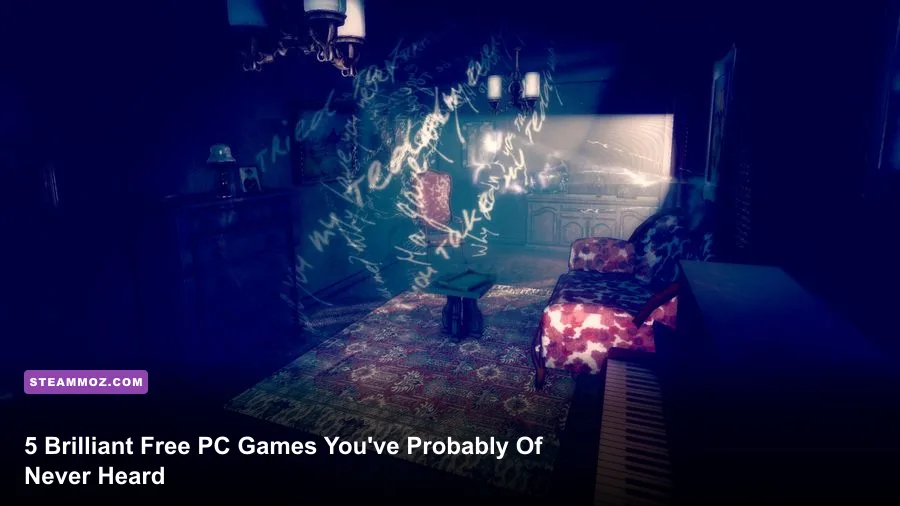
You don't need to spend sixty dollars—or endure predatory battle passes and gacha loot boxes—to play something genuinely remarkable on your rig right now. While mainstream storefronts push live-service titles designed around daily logins and monetization traps, passionate developers have quietly released bona fide masterpieces on PC that cost absolutely nothing. We aren't talking about trials, freemium bait, or abandoned tech demos; these are complete, deeply engineered experiences spanning tactical squad shooters, brutally punishing survival horror, and hundred-hour turn-based RPGs that hold their own against premium retail releases.
Moonring: The Retro Dark-Fantasy RPG Giving Classic Ultima a Run for Its Money
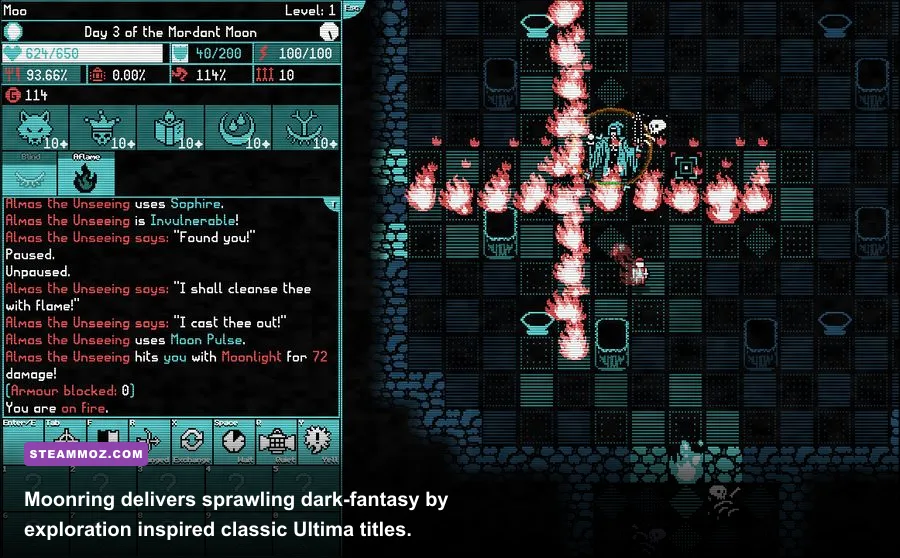
Developed entirely by Charlie Cleveland (best known as the director of Subnautica), Moonring is an astonishing love letter to late-era Ultima and classic 8-bit computer RPGs. Instead of slapping a retro skin on shallow modern tropes, Moonring leans hard into deliberate, grid-based turn tactical combat, open-ended exploration, and dense worldbuilding set across the Caldera—a world shrouded in eternal night under five supernatural moons.
What makes Moonring electrifying is its combat pacing. The game runs on a rapid-fire turn system: the world only moves when you move, yet the animation and input response feel as fluid as an action-slasher. Its resource loop discards generic mana pools for a dynamic "Poise" mechanic. Casting spells or invoking miraculous Devotion abilities burns through your Poise, which can only be recovered by connecting physical melee strikes or resting at high risk. This pushes you out of passive kiting routines and forces you into dangerous hand-to-hand skirmishes. Build variety runs deep; you can construct a stealthy wolf-cloaked archer relying on wind-slice arrows, or a heavily armored Zealot utilizing moonlight bursts to shatter elemental barriers.
The game features an intricate overworld packed with secret dungeons, sailing mechanics, bartering systems, and ancient relics that mirror the thrill of hunting hidden rewards in open worlds. Moonring includes zero microtransactions, no season passes, and no paywalled content—it is simply a masterwork retro RPG gifted freely to the PC community.
Alien Swarm: Reactive Drop: Tactical Top-Down Co-Op Perfection
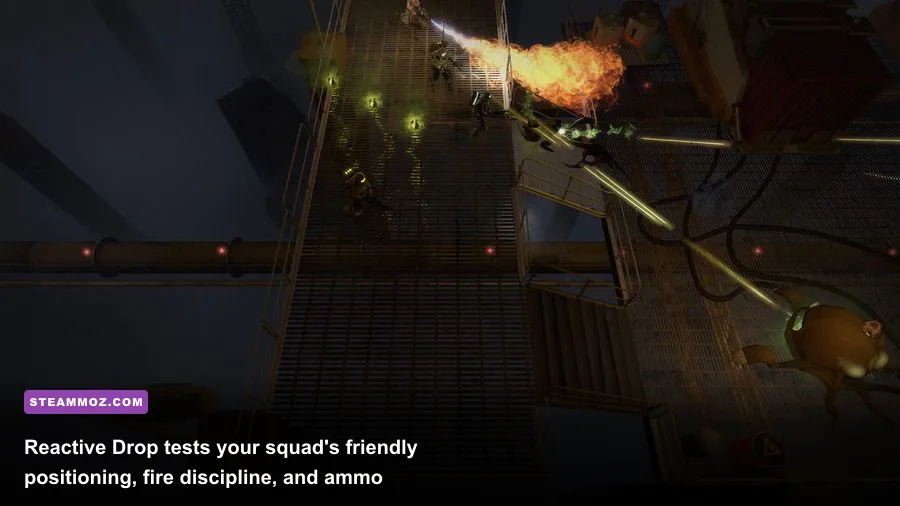
Back in 2010, Valve released Alien Swarm as a polished Source engine showcase. While Valve eventually moved on, an ambitious squad of community modders took the underlying framework and turned it into Alien Swarm: Reactive Drop. Today, it stands as one of the most mechanically demanding, feature-complete tactical co-op shooters available anywhere on PC, supporting up to eight players simultaneously.
Success in Reactive Drop demands strict squad discipline. A single errant 22-round burst from an S22A Assault Rifle will shred an ally's health pool within 1.2 seconds thanks to relentless friendly fire mechanics. Squad composition isn't optional cosmetic fluff; it's a structural requirement. Your fireteam must balance distinct tactical roles:
- Officer: Bolsters team damage output with localized combat auras and handles crowd control via high-impact vindicator shotguns.
- Special Weapons: Deploys heavy suppression firepower using auto-targeting Miniguns and piercing Autoguns to halt armored drone rushes.
- Medic: Deploys localized healing beacons and cures deadly parasitic face-hugger infestations before larvae rupture teammates from within.
- Tech: Operates fast bypass terminals, welds defensive bulkhead doors to funnel enemy waves, and drops precision sentry turrets.
Much like mastering tactical squad micro and smart leveling in strategy games, surviving Reactive Drop on Brutal difficulty hinges on choke-point mastery, synchronized reload callouts, and flashlight line-of-sight discipline across its massive library of community and official campaigns.
Cry of Fear: Hardcore Survival Horror That Still Terrifies
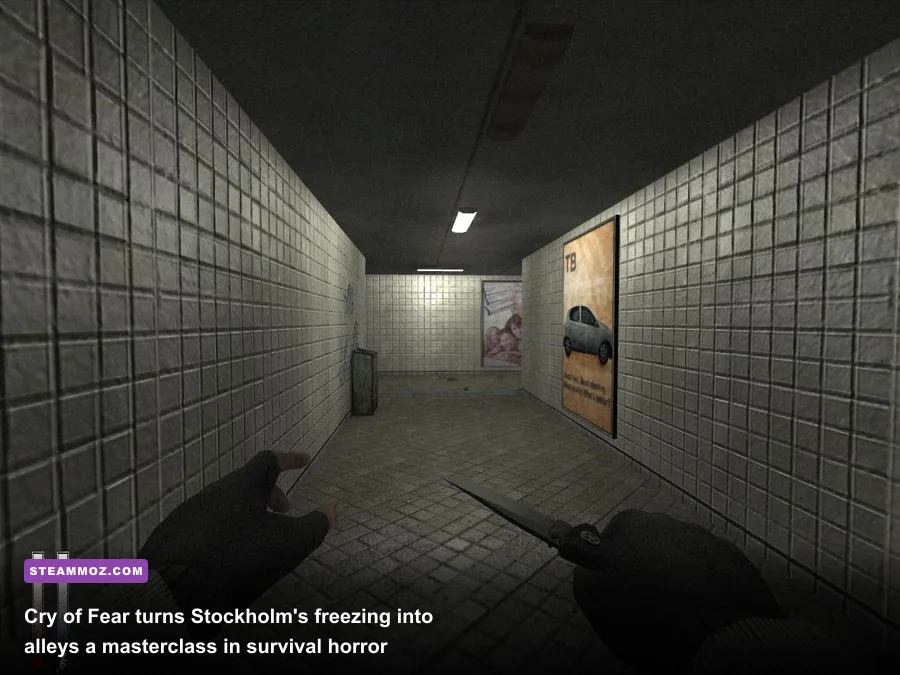
Originally spawned from the GoldSrc engine (the engine behind the original Half-Life) by indie outfit Team Psykskallar, Cry of Fear has long since evolved into an independent, standalone release on Steam. Spanning a harrowing 8-to-10-hour campaign, the game follows Simon Henriksson, a young man wandering the desolate, monster-infested streets of nighttime Stockholm after being struck by a car.
Cry of Fear treats survival horror with absolute mechanical severity. You operate with a strict six-slot inventory system where weapons, ammunition, healing items, and tools all compete for precious space. The game lets you dual-wield equipment—such as pairing a flickering mobile phone flashlight in your off-hand with a standard Glock 19 in your primary hand—but reloading requires two hands, forcing you to holster your light source and embrace pitch-black terror while changing magazines. Crucially, magazines preserve whatever rounds were left inside; if you tactical-reload with four rounds left in the mag, those bullets vanish forever.
Health recovery relies on morphine syringes that instantly restore 50% vitality. Rely on them too frequently during intense boss encounters with twitching scissor-wielders or the chainsaw-revving Sawrunner, and Simon suffers severe visual hallucinations, unsteady weapon sway, and degraded stamina regeneration. If you run into stuttering or visual glitches on modern multi-core rigs, you can easily tweak your frame pacing and stop crashes by capping the engine's frame-rate tick at 60 FPS in your GPU control panel.
HoloCure - Save the Fans!: A Roguelite That Blows Vampire Survivors Away
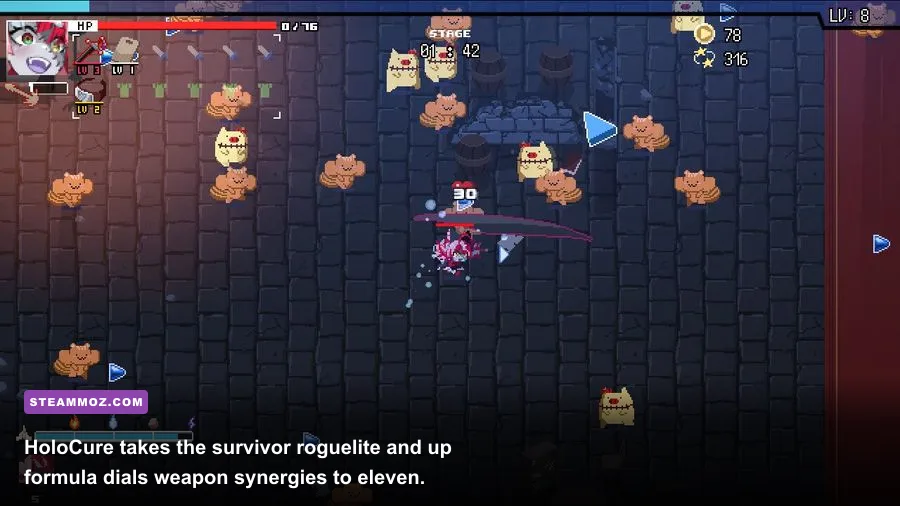
Do not let the cheerful anime aesthetic mislead you: HoloCure: Save the Fans! is one of the most mechanically sophisticated, content-heavy reverse-bullet-hell titles ever coded. Created by solo developer Kay Yu, HoloCure takes the foundational loop popularized by Vampire Survivors and refines every single moving part—introducing manual aiming, directional dashing, dedicated class specials, and intricate build synergies.
The beating heart of HoloCure is its "Collab" weapon fusion mechanic. When you max out two synergistic weapons to Level 7 and collect a Golden Anvil, they merge into devastating armaments that completely redefine your run's power curve. Combine the bouncing Spider Cooking with Elite Lava to forge *MiComet*, dropping volcanic meteors that leave persistent burning ground hazards. Pair the rapid Psycho Axe with the Glowstick to craft the *Ring of Fitness*, unleashing spinning projectiles that scale directly off your character's base Knockback stat.
Layered over the weapon grid is a tactical "Stamp" drop system that modifies your character's primary weapon. Slapping a Haste Stamp onto Amelia Watson's burst fire cuts recovery animations by up to 25%, while a Life Steal Stamp grants reliable sustain against high-density mob waves in Endless Mode. The depth rivaling premium weapon tier lists and loadout synergies makes it impossible to put down, and the entire package contains zero monetization of any kind.
Grimm's Hollow: A Bite-Sized Gothic RPG With Surprising Tactical Depth

Clocking in at a tight, razor-sharp 3 to 4 hours, Grimm's Hollow by developer Ghosthunter proves that an indie RPG doesn't need eighty hours of filler to deliver unforgettable combat and emotional weight. You play as Lavender, a newly deceased girl who awakens in a strange purgatory inhabited by robed reapers and restless spirits. Handed a scythe, she must harvest wandering ghosts to harvest Spirit Points and find her missing brother.
Rather than defaulting to hands-off, passive turn-based commands, Grimm's Hollow implements real-time execution mini-games reminiscent of Super Mario RPG and Shadow Hearts. Executing a standard Scythe Slash summons a sweeping needle across a multi-tiered timing reticle. Nailing the center red sweet-spot triggers a 150% critical strike that generates bonus Spirit Energy. Mistiming the input results in glancing blows that leave Lavender vulnerable to devastating enemy counters.
Progression is handled via a clean, interconnected Skill Tree where earned Spirit is directly invested into Lavender's core stats—boosting maximum HP, raw Strength, or unlocking game-changing tactical maneuvers like *Cleanse* to purge status debuffs or *Soul Reap* to harvest wounded enemies for immediate mid-combat healing. The balance is extraordinarily tight; boss encounters test your rhythm inputs and resource allocation without ever feeling artificially inflated.
Hidden Gem Specs, Mechanics, and Monetization Breakdown

To give you a clear, objective look at how these outstanding titles compare across combat styles, technical demands, and progression models, review the comprehensive breakdown below. Each game represents a distinct genre niche, yet every single one runs on modest hardware without predatory paywalls.
| Game Title | Core Genre | Engine / Architecture | Distinctive Mechanic | Actual Price / Microtransactions |
|---|---|---|---|---|
| Moonring | Dark Fantasy Roguelike RPG | Custom C++ / Tile-based | Poise combat loop & Lunacy Devotion powers | 100% Free / Zero microtransactions |
| Alien Swarm: Reactive Drop | Top-Down Tactical Shooter | Valve Source Engine | 8-Player Co-Op with lethal friendly fire | 100% Free / Open-source Steam Workshop |
| Cry of Fear | Psychological Survival Horror | Modified GoldSrc Engine | Realistic dual-wielding & magazine tracking | 100% Free / Zero monetization |
| HoloCure - Save the Fans! | Survivor Arena Roguelite | GameMaker Engine | Collab weapon fusion & Stamp modifications | 100% Free / No gacha mechanics |
| Grimm's Hollow | Gothic Turn-Based RPG | RPG Maker / Custom Timing Engine | Active-timed hit reticles & Spirit Tree | 100% Free / Optional soundtrack DLC |
Performance optimization across these titles is equally impressive. Unlike modern AAA releases that suffer from shader compilation stutter and bloated 100GB install sizes, these lightweight gems are exceptionally gentle on storage drives and system memory. Review the performance targets and hardware requirements below before diving in.
| Game Title | Install Size | Minimum GPU Target | Mechanical Difficulty | Ideal Audience |
|---|---|---|---|---|
| Moonring | ~450 MB | Intel HD Integrated Graphics 4000 | High (Punishing tactical mistakes) | Fans of classic Ultima, Caves of Qud, & ADOM |
| Alien Swarm: Reactive Drop | ~12 GB | NVIDIA GeForce 8600 / AMD HD 2600 | Very High (Intense team coordination) | Helldivers & Left 4 Dead squad players |
| Cry of Fear | ~5 GB | DirectX 9.0c compatible GPU | Hardcore (Scarse resources & lethal AI) | Silent Hill 2 & classic Resident Evil purists |
| HoloCure - Save the Fans! | ~400 MB | Basic 2D Shader Capable Card | Moderate to High (Stage Mode 3+) | Vampire Survivors & Brotato fanatics |
| Grimm's Hollow | ~180 MB | Any modern desktop or laptop GPU | Moderate (Skill-based timing windows) | Lovers of Undertale & Omori storytelling |
If you're running older hardware or pushing ultra-high refresh rates on a gaming monitor, taking a few minutes for tuning graphic settings for buttery framerates will ensure rock-solid 144Hz stability across all five titles without thermal throttling.
Getting the Most Out of These Zero-Dollar Gems
Jumping into these hidden gems requires very little setup, but a few platform-specific tips will ensure you avoid legacy engine hiccups and maximize your enjoyment from the first launch.
For Cry of Fear, make sure to navigate to the game's executable properties in your Steam directory and enable Windows 7 compatibility mode if you experience desktop crashing during cutscene transitions. Additionally, set Simon's field-of-view to 90 degrees inside the in-game display console for better spatial awareness in narrow hallways. For Alien Swarm: Reactive Drop, immediately enable mouse-wheel quick-swapping for your secondary equipment slot so you can drop emergency medical packs or freeze flares without breaking your strafe patterns.
When launching Moonring, experiment with the in-game display settings; the developer included multiple authentic CRT scanline filters, phosphor-glow shaders, and palette presets that faithfully emulate Apple II and Commodore 64 monitors without introducing input lag. Meanwhile, in HoloCure, head into the gameplay options and toggle "Show Damage Numbers" to condensed mode—once your Collab weapons start hitting hundreds of enemies simultaneously on Stage 3, clearing that on-screen clutter will preserve visual clarity during bullet-hell patterns.
PC gaming doesn't need to empty your wallet to deliver unforgettable worlds, razor-sharp mechanics, and masterclass game design. Clear a few gigabytes on your SSD, grab these zero-dollar titles directly from Steam, and experience just how incredible free PC gaming can be when greed is taken entirely out of the equation.