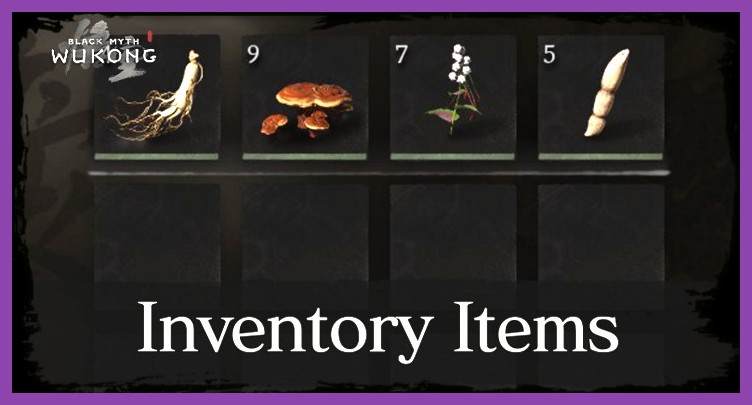
The Alchemy of the Destined One
Long before the Destined One ever swung his staff across the burning ridges of Black Myth: Wukong, the monkey king journeyed through mountains that whispered with the voices of forgotten gods. Every shrine, every ruined temple, and every grove lit by lantern light was steeped in a kind of quiet alchemy — a slow transformation of base things into legendary ones. To walk this road as a player is to inherit that tradition. Crafting, in the world designed by Game Science, is not a side hobby. It is the heartbeat of progression.
For those returning to the pilgrimage or stepping into it for the first time, the question of which materials truly matter, and where to find them, shapes the entire rhythm of combat. The right ore can turn a fragile staff into a bone-shattering relic. The right beast sinew can stretch a defensive window into a small eternity. Understanding this economy is the difference between a wandering pilgrim and a true inheritor of the staff. For broader strategic prep, our Black Myth Wukong best starting build guide is a worthy companion read.
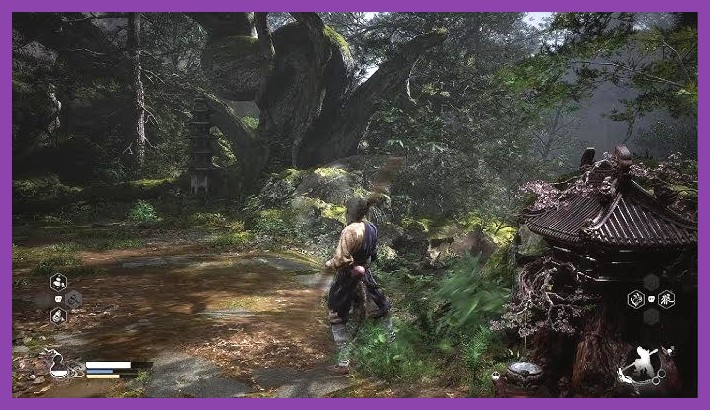
Why Crafting Materials Carry the Weight of Lore
Most action RPGs treat crafting as a checklist — kill the monster, collect the drop, upgrade the sword. Wukong, by contrast, treats every material as a fragment of myth. The ores scattered across the Black Wind Mountain were once molten tears of a forgotten sun. The cold iron you gather in the snowy north is whispered to be hammered from the weapons of defeated demons. Even the smallest flower plucked from a roadside altar has a name, a story, and a use far beyond its humble appearance.
This design choice, rooted deeply in the original Journey to the West novel, makes every farming run feel like a pilgrimage of its own. Materials are categorized into common, uncommon, rare, and mythical tiers, with each one tied to a specific chapter, region, or boss. Players who ignore this rhythm often find themselves underpowered at the worst possible moments. For inspiration on which weapons to spend those materials on, our Black Myth Wukong best weapons tier list is a natural follow-up.
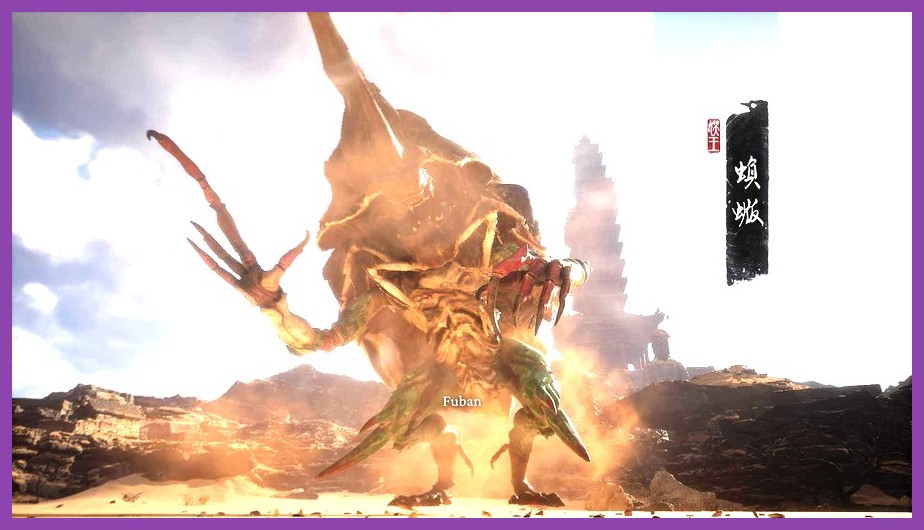
Common Materials: The Foundation of Every Build
Before chasing the rarest treasures, a pilgrim must master the humble. Common materials are the bones of any early game progression. Coarse Animal Hides, Rough Beast Hides, and Thin Yaoguai Hairs drop frequently from low-level enemies in Chapter 1 and Chapter 2. These are the core of basic armor crafting and early staff upgrades. They are not glamorous, but they are the mortar between the stones.
The trick with common materials is volume. Skipping small enemies might feel efficient, but each of them carries a sliver of the resources you will desperately need a few hours later. Many players return to the Forest of Wolves area in Chapter 1 specifically to farm these basic components in bulk. For a deeper look at how to pair them with combat tactics, the 7 proven strategies to defeat the final boss in Black Myth Wukong piece ties resource gathering into late-game endurance.
Uncommon Materials: The First True Crossroads
Uncommon materials are where the crafting system begins to demand exploration. Stone Shards, gathered from mining nodes around the Yellow Wind Ridge, become critical once the player unlocks the second weapon upgrade tier. Refined Iron Sand and Cold Iron appear in later chapters and unlock mid-tier weapon paths that dramatically change how the staff feels in combat.
What makes these materials special is their environmental storytelling. The Stone Shards, for instance, are often found near ruined shrines, hinting that ancient smiths once worked these lands. Cold Iron, on the other hand, lies buried in the snow, as if the winter itself is hoarding them. Exploring the RPG side of this experience means understanding that every region has a personality, and every personality hides a different resource profile.

Rare Materials: The Bosses' Tribute
Rare materials rarely come from passive exploration. They are the tribute of vanquished foes, and every one of them is earned through a fight that tests the player's mastery. Yakshas' Marrow, Dragon Sigh Vapor, and the prized Golden Lotus Core each drop from specific bosses scattered across the main story and secret zones. These materials unlock the higher tiers of staff crafting, armor evolution, and the legendary weapon sets that define late-game builds.
Targeted boss runs, therefore, become the most efficient way to farm rare materials. Each boss respawns at a shrine after a short meditation, allowing repeated attempts for a specific drop. The key is to know which boss drops which material. The Red Boy encounter in Chapter 3, for example, is a steady source of high-tier elemental cores, while the optional Yin Tiger in a hidden Chapter 2 cave yields one of the rarest armor crafting materials in the game.
Players tackling tougher encounters should pair their farming prep with reading our Black Myth Wukong best class for solo players guide, since solo survivability determines how often you actually claim the loot.

Where to Farm: The Geography of Resources
Geography matters as much as the materials themselves. Each chapter of Black Myth: Wukong functions like a different biome in a larger alchemical garden, and learning its layout pays dividends across dozens of hours.
Chapter 1 — Black Wind Mountain: A paradise for hides, common hairs, and early Stone Shards. Players who linger here before pushing forward build a comfortable resource cushion.
Chapter 2 — Yellow Wind Ridge: The desert winds carry Iron Sand and the first wave of rare beast components. The sandstorms themselves are a hint — wind-worn materials appear more often in the open dunes than in sheltered caves.
Chapter 3 — Snow-Covered Peaks: The most reliable Cold Iron deposits in the game are found here, alongside frost-attuned crafting reagents essential for late-game staff upgrades.
Chapter 4 and beyond: The remaining chapters shift toward rarer, more mythical materials tied directly to the Black Myth Wukong Steam page's endgame content. These areas reward players who have already built up stockpiles of common and uncommon materials from earlier chapters.

Shrine Merchants: The Quiet Secret
One of the most overlooked sources of rare materials is the humble Keeper's Shrine. The merchants stationed at these rest points rotate their stock over time, and after resting at a shrine a handful of times, rarer crafting items can quietly appear in their inventory. A patient pilgrim who simply visits shrines on the way to and from boss fights often accumulates a small treasury without ever realizing it.
Pairing this habit with regular exploration of hidden caves and side paths is the most reliable way to keep your materials list healthy. Many of the best crafting nodes are tucked behind illusory walls or at the end of optional platforming detours. The guides section on Steamoz often breaks these hidden routes down chapter by chapter.
Carrying the Staff Forward
There is a quiet poetry to the crafting loop in Black Myth: Wukong. You gather, you fight, you refine, and the staff in your hand slowly becomes a continuation of the legends that forged it. Materials are not just numbers in an inventory — they are relics of the journey, earned breath by breath, shrine by shrine.
For pilgrims aiming to push into the hardest content, the Arc Raiders tier list guide offers an interesting cross-title lens on how resource management drives build identity, while our broader PC games hub keeps you updated on future releases that might carry the same crafting philosophy forward. Walk the mountain, gather what it offers, and let the staff remember every step.