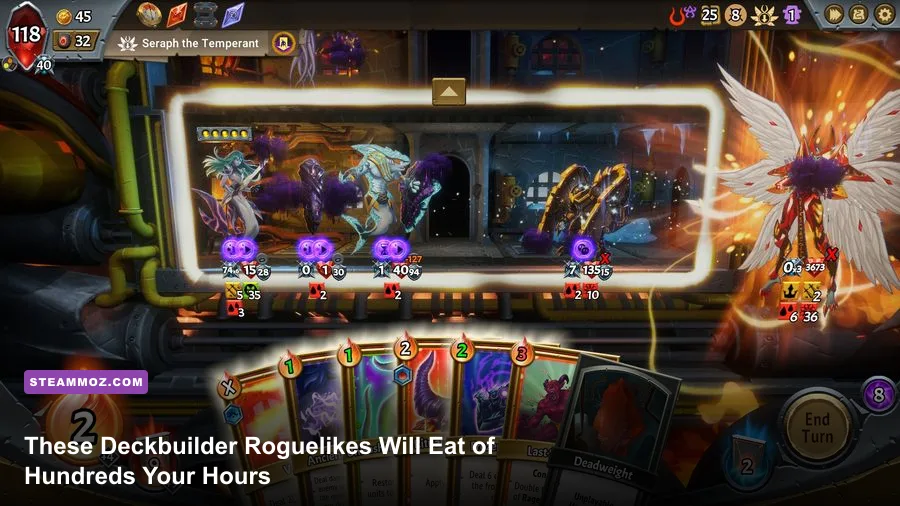
If you want deckbuilder roguelikes that'll actually keep you coming back for run number 500, your short list has to include Slay the Spire, Balatro, Monster Train, Inscryption, and Vault of the Void. Each one nails the loop that makes this genre so addictive: build a deck, die, learn something new, immediately queue up another run. The replay value isn't an accident — it's baked into randomized card pools, branching relic/joker systems, and difficulty scaling that never stops throwing new problems at your strategy.
Why Deckbuilder Roguelikes Hook You So Hard
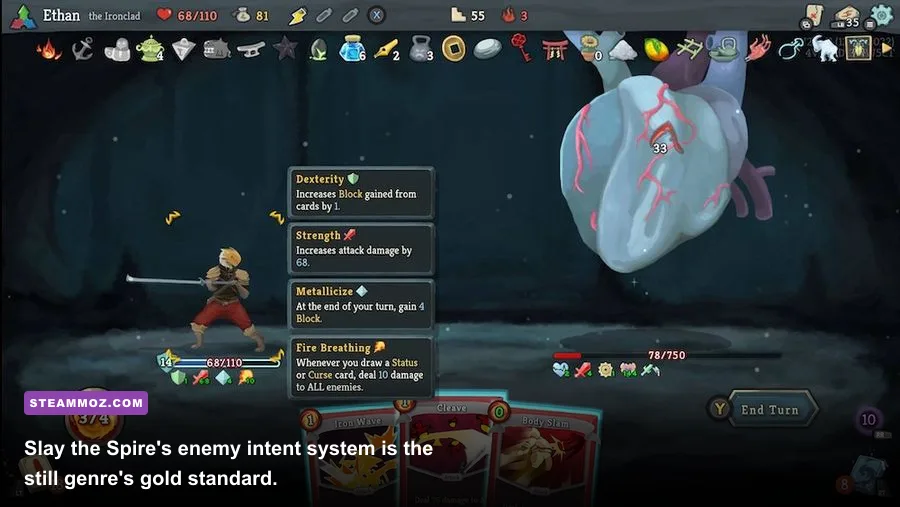
The genre works because every run is a fresh math problem. You're not memorizing a fixed skill tree like in a traditional RPG — you're reacting to whatever cards the RNG hands you and figuring out how to break the game with them. Slay the Spire's Ascension system (20 stacking difficulty modifiers) alone gives you a near-infinite skill ceiling. Balatro's seed-based runs mean two players can compare wildly different joker combos from the exact same starting deck. That constant "what if I tried this instead" itch is what separates a 10-hour game from a 500-hour obsession.
The Core Replay Loop, Broken Down
Most of these games share a three-part structure: draft cards mid-run, build synergies around a chosen archetype, then face escalating bosses that punish sloppy deckbuilding. The difference maker is how much agency you get in shaping your deck versus how much the game forces onto you. Games like Monster Train lean into forced synergy between two clans, while Vault of the Void gives you near-total control over deck thinning and curve-shaping from turn one.
Slay the Spire: The Blueprint Everyone Copies
Slay the Spire is still the gold standard six years after launch, and it's not close. Four characters — Ironclad, Silent, Defect, Watcher — each with completely distinct card pools and win conditions. Ironclad's Barricade + Body Slam combo lets you stack block into absurd damage; Defect's Claw scaling can hit for 40+ damage per orb by mid-Act 2 if you draft right. The real replay engine is Ascension 20 (A20), which adds elites to Act 1, buffs enemy HP, and removes your starting relic's safety net. Beating A20 with all four characters is a genuine skill test that takes most players over 100 hours to achieve.
Balatro: Poker Math Turned Into a Drug
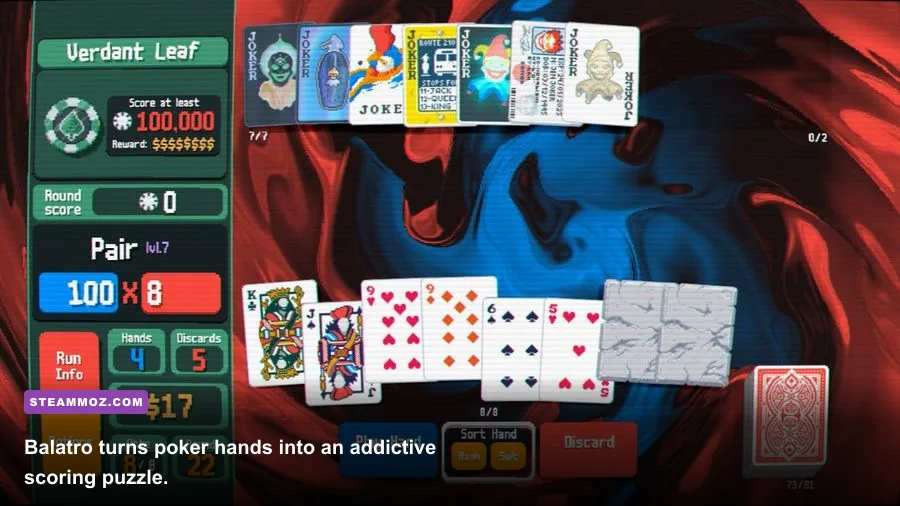
Balatro took the genre in a completely different direction by swapping combat for poker hand scoring, and it somehow made deckbuilding feel even more addictive. You're chasing chip and mult multipliers through jokers like Blueprint, Brainstorm, and Baron, stacking absurd combos that can push a single hand past a million chips. The eight-stake difficulty system (White through Gold Stake) each add permanent modifiers — Gold Stake forces you to beat every boss blind with no rerolls allowed on the shop. It's the kind of game where you'll say "one more run" at 2am and mean it.
Monster Train and Inscryption: Twisting the Formula
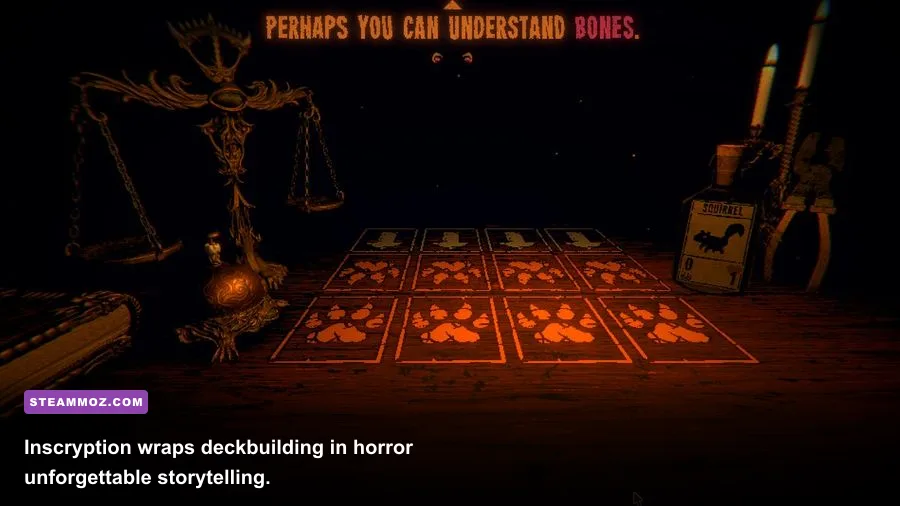
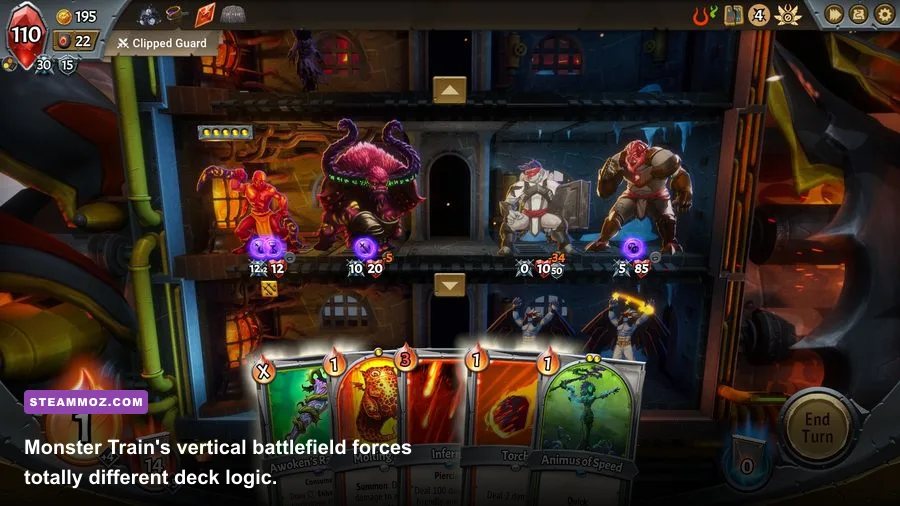
Monster Train flips combat vertical across three floors on a moving train, forcing you to defend the Pyre at the top while units clash below. Mixing two clans (say, Hellhorned + Umbra) creates wild synergy combos, like sacrifice-triggered burn stacking that clears entire floors in one turn. Meanwhile, Inscryption ditches pure mechanical depth for atmosphere and narrative mystery — its card-sacrifice system (trading squirrels and blood for stronger cards) plus its Act 2/3 tonal shifts make replaying it about uncovering secrets as much as optimizing decks.
Underrated Pick: Vault of the Void
Don't sleep on Vault of the Void. It gives you Foresight (seeing your next few draws) and deck-thinning tools way earlier than Slay the Spire does, which means your builds get insanely consistent by the midgame. If you're the type who loves theorycrafting spreadsheets before you even boot up a run, this one's built for you.
Tier List: Ranking Replay Value

Here's how these stack up when you weigh randomization depth, build variety, and long-term difficulty scaling:
| Game | Tier | Key Replay Driver | Best For |
|---|---|---|---|
| Slay the Spire | S-Tier | Ascension 20 scaling, 4 unique classes | Players who want a real skill ceiling |
| Balatro | S-Tier | Stake system, joker combo depth | Fast, snappy short-session runs |
| Monster Train | A-Tier | Clan-pair synergy combos | Players who love broken combo turns |
| Vault of the Void | A-Tier | Deep deck-thinning tools | Theorycrafters and optimizers |
| Inscryption | B-Tier | Narrative mystery, tonal shifts | Story-driven card game fans |
Difficulty Scaling Compared
If you care about long-term grind and mastery curves, here's how each game escalates challenge once you've cleared the base campaign:
| Game | Scaling System | Max Difficulty | Estimated Mastery Time |
|---|---|---|---|
| Slay the Spire | Ascension 1-20 | A20 Heart Kill, all 4 characters | 100-150 hours |
| Balatro | Stakes (White-Gold) | Gold Stake, all decks | 60-100 hours |
| Monster Train | Covenant 1-25 | Covenant 25 clear | 80-120 hours |
| Vault of the Void | Difficulty modifiers | Max modifier stack | 50-90 hours |
Tips to Get the Most Replay Value Out of These Games
Don't rush to the hardest difficulty setting immediately — you'll burn out fast if you're not reading enemy intents or joker synergies properly. In Slay the Spire, actually study enemy intent icons before every fight; a boss like the Bronze Automaton telegraphs its Hyper Beam turn well in advance, and ignoring that costs runs. In Balatro, don't hoard your money past $25 unless you're specifically building toward an interest-scaling economy strategy — idle cash does nothing for your score. And in any of these games, force yourself to try off-meta archetypes once you've won a few times normally; that's genuinely where the replay value lives, not in repeating your comfort build forever.
If you're into optimizing settings and performance for PC gaming sessions like these long grinding runs, check out our breakdowns on Far Cry 6 FPS settings or our Filament performance guide for general tuning tips that apply across genres. For more roguelike-adjacent grind strategies, our Kakarot leveling guide and Empires of the Undergrowth farming guide share similar efficiency principles worth borrowing.
Final Verdict
There's no single "best" deckbuilder roguelike — it genuinely depends on whether you want tactical combat depth (Slay the Spire, Monster Train), pure scoring chaos (Balatro), or narrative intrigue (Inscryption). But all five of these games share the one thing that matters most: they respect your time by making every single run feel meaningfully different from the last. That's the real secret behind their insane replay value, and honestly, that's why you'll still be booting these up a year from now.