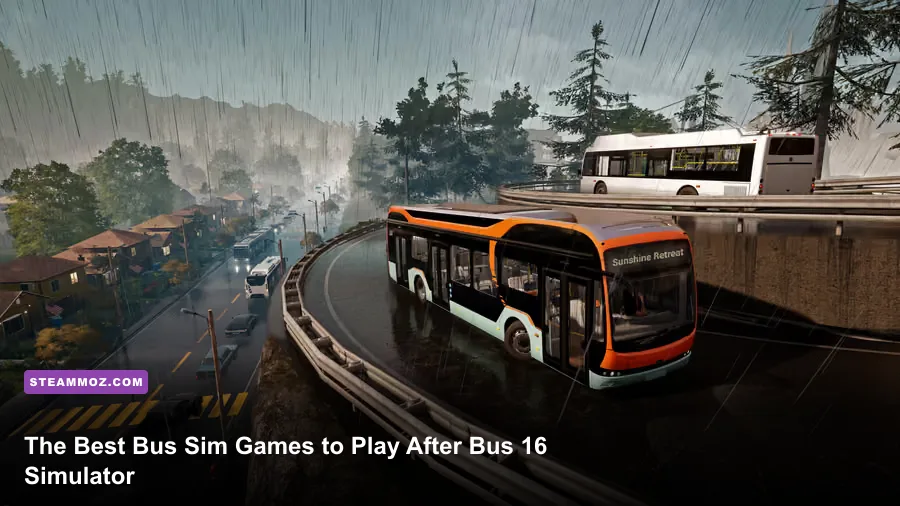
If you enjoyed Bus Simulator 16 but want deeper driving, larger maps, better passenger systems, or an actual transport empire to manage, start with Bus Simulator 21 Next Stop. It is the smoothest upgrade for casual players, while OMSI 2 is the pick for hardcore vehicle realism, The Bus wins on visuals, and City Bus Manager is the best choice if you care more about networks than steering wheels.
Bus Simulator 16 still has charm: six buses, a compact city, route creation, ticket sales, and simple company expansion make it easy to understand. Its age shows, though. The roads feel quiet, traffic systems are basic, and the driving model lacks the weight and cockpit detail found in newer releases. These are the best games like Bus Simulator 16 Gold Edition you need to play in 2026, ranked by how closely they preserve that relaxed but satisfying public-transport loop.
Which Bus Simulator 16 alternative is best in 2026?
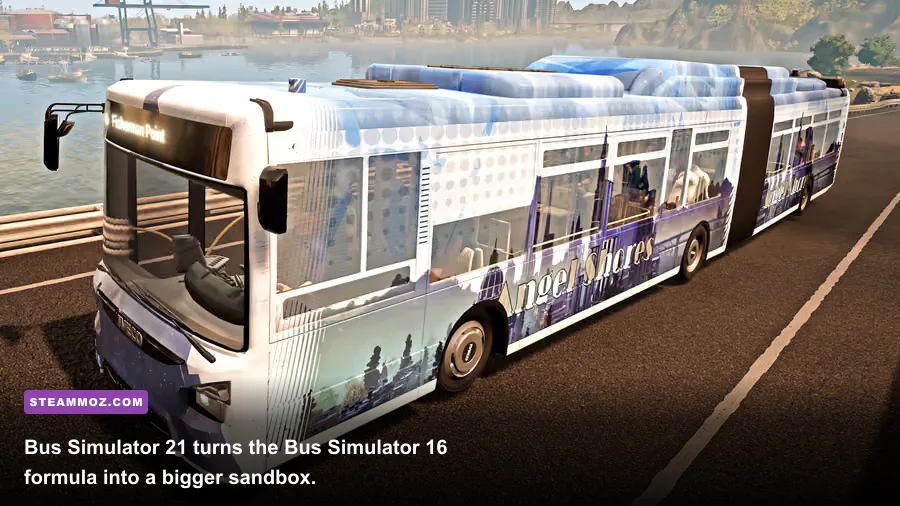
There is no single winner because these games split the genre into very different lanes. Bus Simulator 21 Next Stop gives you the most approachable mixture of driving and management. OMSI 2 simulates the mechanical workload of operating a bus, including manual doors, ticket machines, mirrors, and timetable pressure. The Bus is more ambitious visually, but its route and career systems remain less mature. City Bus Manager is practically a transport-management game with buses attached.
| Game | Best For | Driving Realism | Management Depth | 2026 Verdict |
|---|---|---|---|---|
| Bus Simulator 21 Next Stop | Easy transition from Bus Simulator 16 | Good | Good | S-Tier |
| OMSI 2 | Authentic bus operation | Excellent | Moderate | S-Tier |
| The Bus | Modern Berlin visuals | Good | Developing | A-Tier |
| City Bus Manager | Routes, budgets, and depot planning | Light | Excellent | A-Tier |
| Tourist Bus Simulator | Long-distance island driving | Good | Good | A-Tier |
| Fernbus Simulator | European coach journeys | Good | Light | B-Tier |
For a straight sequel-like experience, check the official Bus Simulator 21 Steam page. If you prefer broader simulation games with detailed systems, our Construction Simulator 2015 review shows why patient progression can matter more than flashy graphics.

🎮 Bus Simulator 16 Gold Edition
Looking to experience this game? Grab your digital key directly on our store for $3.99.
View on Steammoz Store →Bus Simulator 21 Next Stop is the natural upgrade
Bus Simulator 21 Next Stop is the obvious recommendation for anyone who liked the Gold Edition’s accessible career structure. You still create routes, stop at marked bays, transport passengers, and expand a growing company, but the scale is much larger. The two main environments are the American-inspired Angel Shores and the European-influenced Seaside Valley. Angel Shores is especially good for relaxed free driving because its broad roads and varied districts give articulated buses room to breathe.
The vehicle roster is the headline improvement. You can drive conventional city buses, double-deckers, articulated buses, electric vehicles, and the licensed Blue Bird Vision. The long Alexander Dennis Enviro500 double-decker changes your approach completely: braking distance grows, tight junctions punish late steering, and stopping too close to the curb can clip traffic or furniture. Electric buses also reward smoother acceleration because aggressive throttle inputs waste the advantage of quiet, clean operation.
How to build routes without creating traffic chaos
Start with short routes containing six to eight stops. A route that loops through a dense district is more profitable early than a huge cross-city line because passengers board more often and your schedule stays manageable. Place stops just beyond intersections rather than immediately before them; this reduces blocked junctions and gives the bus a clean acceleration window.
Use the route planner to check passenger demand before buying another vehicle. A line with strong commuter demand benefits from higher capacity, while a quiet residential loop should use a smaller bus with lower running costs. The game also lets you manage drivers and schedules, so don't personally drive every low-value route once the company expands. Put AI drivers on predictable loops and reserve your own time for difficult routes, special objectives, or vehicles you are still learning.
Next Stop is also the safest multiplayer recommendation. Cooperative driving lets one player handle a route while another experiments with a different bus, and the relaxed structure means nobody needs perfect sim knowledge. Read our PC performance checklist before buying if your system is several years old.
OMSI 2 is the hardcore Bus Simulator 16 alternative
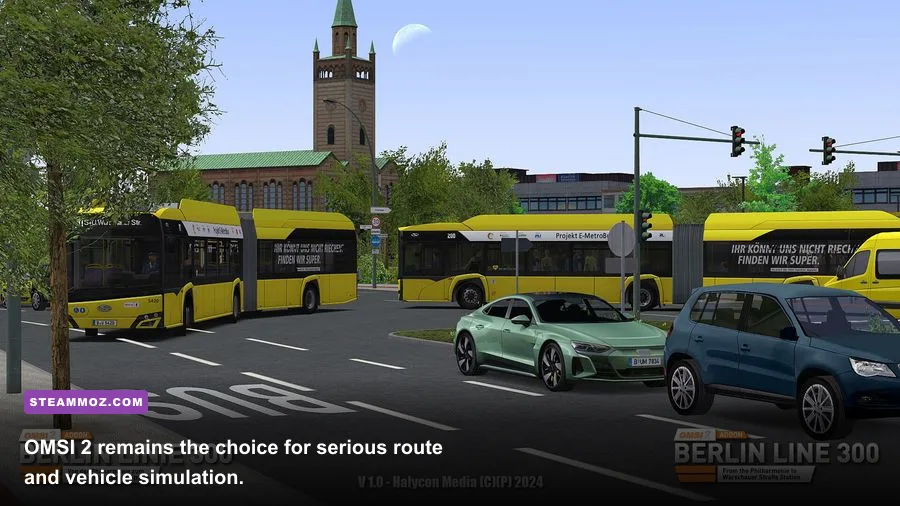
OMSI 2 is less polished and far less friendly than Bus Simulator 21, but its bus operation is on another level. The headline map, Berlin-Spandau 1986, is built around period-accurate routes and vehicles such as the MAN SD200 and MAN SD202. You don't simply select a destination and drive. You start systems, set the correct destination display, release the parking brake, open doors, sell tickets, and keep the service moving against a timetable.
The MAN SD202's automatic transmission still demands attention. Watch your speed approaching stops, brake progressively, and avoid holding the brake pedal deep into a turn. Passengers react to harsh driving, and a sloppy stop can turn a quick route into a slow crawl of boarding complaints. The IBIS system also matters: entering the wrong route or destination information can produce a bus that technically runs but displays the wrong service to every passenger waiting at the curb.
OMSI 2's greatest strength is its add-on ecosystem. Community maps and buses can add modern fleets, rural routes, articulated vehicles, and entirely different driving challenges. That flexibility is also the warning. Installation can involve dependencies, load-order fixes, and compatibility checks. Buy it if you enjoy tuning a simulation as much as playing it. If you want a clean install and instant career progression, Bus Simulator 21 is the better fit.
| OMSI 2 Task | Common Mistake | Better Technique | Why It Matters |
|---|---|---|---|
| Pre-trip setup | Driving before configuring displays | Set route, destination, lights, and mirrors first | Prevents passenger confusion and missed stops |
| Stopping | Braking hard at the marker | Brake early and finish with light pressure | Improves comfort and timetable consistency |
| Ticket sales | Ignoring the ticket machine | Learn the common fare buttons before departure | Reduces dwell time at busy stops |
| Timetable driving | Chasing every early departure | Use smooth acceleration and recover at layovers | Stops minor delays becoming route-wide delays |
The official OMSI 2 Steam listing is worth checking for the current base-game and DLC details. For players who enjoy spreadsheets and loadouts as much as steering, Steamoz's Cossacks 3 weapon tier list covers the same satisfying upgrade-planning mindset in a very different genre.
The Bus delivers the best-looking city driving
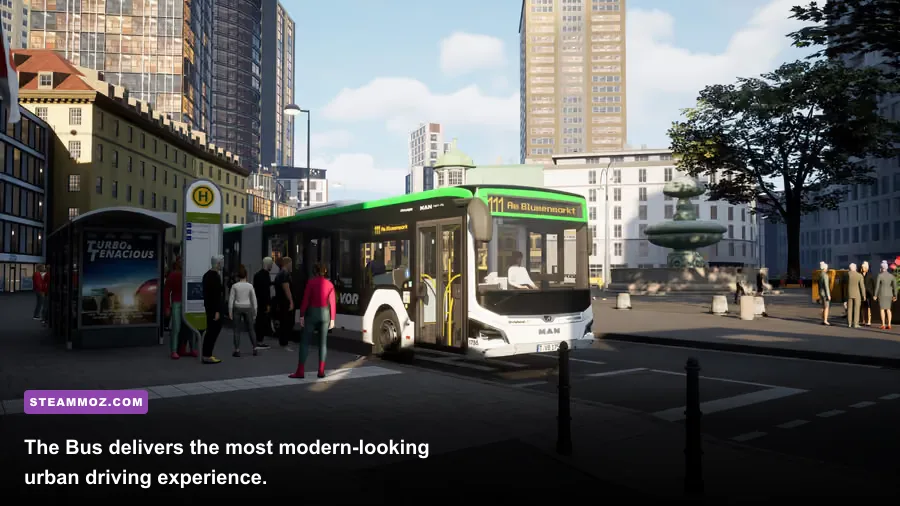
The Bus takes a more modern route, recreating Berlin with Unreal Engine technology, dynamic traffic, weather, and detailed urban scenery. It is the game to choose when you want the windshield view to feel current. The licensed MAN Lion's City buses provide a convincing cockpit, and dense traffic makes lane positioning more important than it is in the simpler Bus Simulator 16.
Its strongest moments happen during ordinary service. Rain darkens the road, buses squeeze through busy junctions, and a badly timed lane change can leave you stranded while the schedule slips away. Use the mirrors constantly with articulated buses, especially before pulling away from a curb. The rear section can clear a turn while the front clips a vehicle, and the game is much less forgiving when traffic is dense.
The trade-off is progression. The Bus is a better driving showcase than a fully developed business simulator, so don't expect the same immediate company-building rhythm as Bus Simulator 21. Check the official The Bus Steam page for current development features before purchase. It is a strong pick for solo route sessions, screenshots, and players who value a living Berlin over a deep unlock tree.
City Bus Manager is the best management-first choice
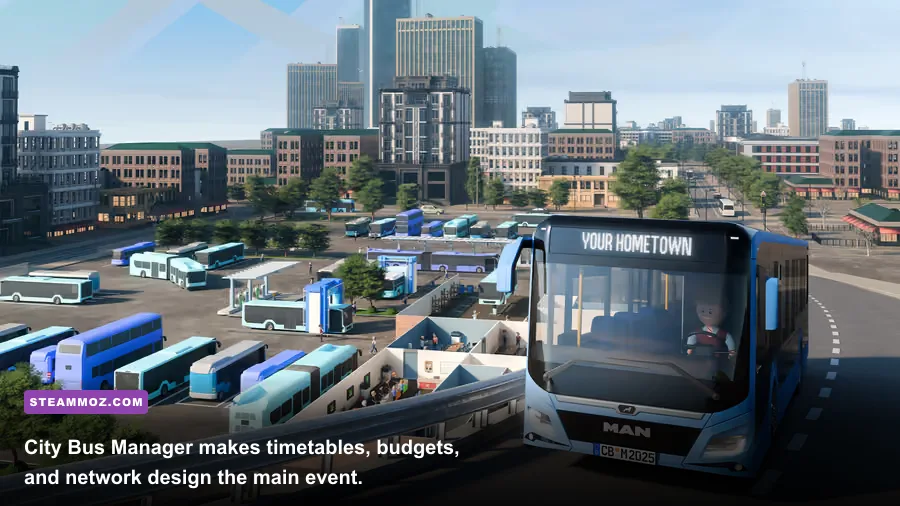
City Bus Manager flips the formula. Instead of spending most of your time behind the wheel, you design a bus network using real-world map data, build a depot, hire staff, purchase buses, and balance passenger demand against operating costs. You can import an area based on OpenStreetMap data, which gives the game a personal hook that the fictional cities in Bus Simulator 16 cannot match.
The early game is about resisting overexpansion. Build a compact depot, create one dependable route, and connect residential streets to a high-demand destination such as a station or town center. Every additional line creates timetable obligations, fuel or electricity costs, and maintenance pressure. A beautiful network that loses money is still a bad network.
Prioritize route coverage before fleet variety. A second bus on an overcrowded line usually produces more value than an expensive vehicle sitting idle. Watch passenger satisfaction, waiting times, and vehicle condition together. If a bus frequently breaks down during peak hours, the lost revenue and angry passengers can outweigh the savings from postponing maintenance.
City Bus Manager is ideal if Bus Simulator 16's company progression was your favorite part. It is not the game to buy for realistic steering, suspension behavior, or cockpit procedures. For those details, use OMSI 2. For a broader management-sim comparison, Steamoz's Drox Operative PC specs guide explains why simulation-heavy games can behave differently from visually demanding ones.
Tourist Bus Simulator and Fernbus are built for longer roads
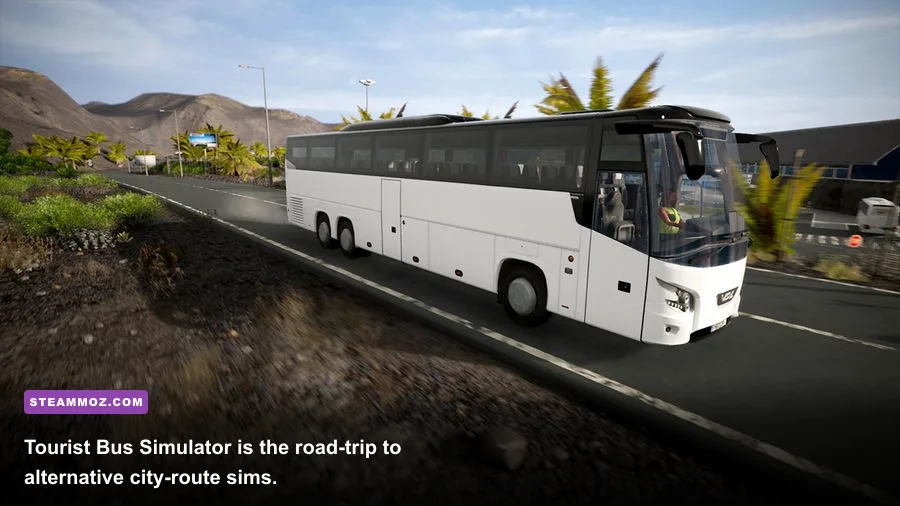
If city loops feel too repetitive, Tourist Bus Simulator moves the action to Fuerteventura. You run a coach company, create tours, manage staff, and drive across long island roads where planning fuel, fatigue, and passenger comfort matters more than squeezing through downtown traffic. The island's open scenery makes it a good palate cleanser after hundreds of short urban routes.
Fernbus Simulator takes the same long-distance idea across Germany and Europe, with coach-focused journeys and larger stretches of motorway. It is less about building a local network and more about delivering passengers between cities while handling traffic, navigation, and rest stops. Choose it over Tourist Bus Simulator if you want the feeling of operating scheduled intercity services rather than a small island tourism company.
| Graphics Setting | Recommended Value | Typical FPS Impact | Visual Difference |
|---|---|---|---|
| Resolution | Native monitor resolution | High | Keep native unless GPU-limited |
| Shadows | Medium | Medium to high | Medium preserves most street depth |
| Reflections | Medium | Medium | Lower first in rainy city scenes |
| Traffic density | High on strong CPUs | CPU-heavy | Major impact on immersion |
| View distance | High | Medium | Important for signs and braking decisions |
| Motion blur | Off | Minimal | Sharper mirrors and road markings |
For a practical 2026 setup, target a locked 60 FPS rather than chasing unstable ultra settings. Lower shadows and reflections before view distance; bus sims constantly ask you to read signs, traffic lights, and distant stop markers. On a mid-range gaming PC, 16GB of RAM, a six-core processor, and a graphics card around the RTX 3060 or Radeon RX 6600 class should be a sensible starting point for modern entries, though exact performance varies by map, traffic, and patches. The official Fernbus Simulator page has the current requirements.
What should you play first?
Pick Bus Simulator 21 Next Stop if you want the closest and most generous successor to Bus Simulator 16 Gold Edition. Pick OMSI 2 if you want every stop, switch, timetable, and ticket interaction to matter. Choose The Bus for modern Berlin atmosphere, City Bus Manager for network design, and Tourist Bus Simulator or Fernbus Simulator for long-distance coach work.
My 2026 recommendation is to start with Bus Simulator 21, then move to OMSI 2 once you know whether the mechanical detail grabs you. That path gives you a friendly introduction, a substantial vehicle roster, and enough route management to stay interesting before throwing you into the wonderfully demanding world of manual bus operation.