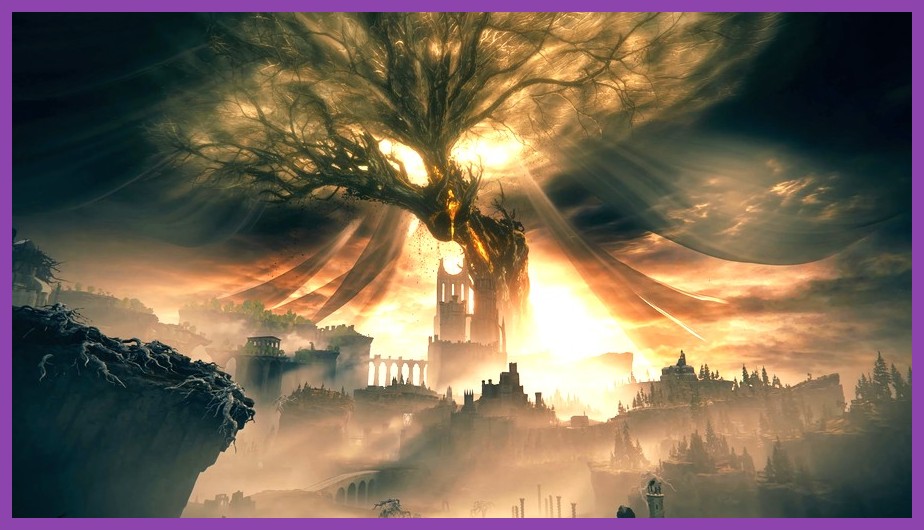
Entering the Land of Shadow with Empty Pockets
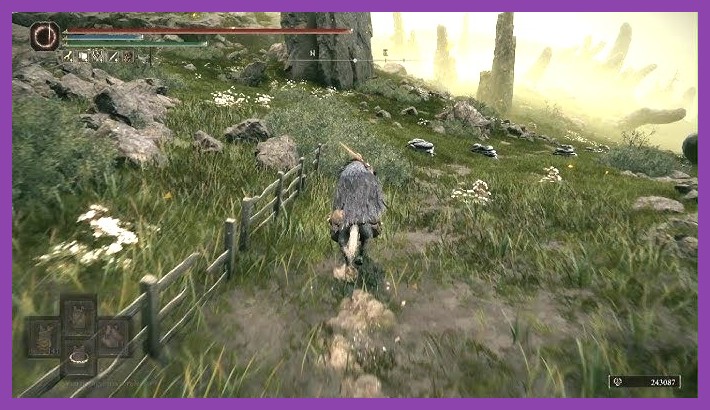
There is a particular kind of loneliness that settles over a Tarnished the moment they step through the spectral veil into the Land of Shadow. It is not the loneliness of solitude, but the loneliness of poverty. The journey to Elden Ring's sprawling expansion, Shadow of the Erdtree, is a pilgrimage through scenery that humbles even the most weathered adventurer, but it is also an economic descent. Players arrive clutching modest rune counts, often having just enough to respec once or twice before the DLC's brutal difficulty curve demands heavier investment in stats, weapons, and armor. The Land of Shadow does not reward hesitation. It rewards preparation, and preparation in the Lands Between has always been measured in gold.
Yet the expansion's economy behaves in strange and wonderful ways. Runes — the souls-borne currency that FromSoftware titles have long equated with both life and progress — function here as they always have, but the avenues for acquiring them have shifted. New enemies swarm ancient graveyards, new bosses guard cathedral vaults, and new consumables scatter themselves across the withered branches of the Erdtree's fallen shadow. To ignore these opportunities is to wander the realm half-blind, swinging a +9 weapon at a foe that demands a +20. This guide exists to ensure that never happens. Below, we dissect every practical method for amassing runes at speed in Shadow of the Erdtree, from the most casual passive pickups to the most intense, repeatable boss runs that can fund an entire build in a single evening. For more general progression wisdom, our broader Steamoz guides hub houses dozens of comparable deep dives, while those seeking an overview of the best weapons tier list for the DLC will find that resource invaluable once the coffers are full.
Understanding the New Rune Economy of the Realm of Shadow
Before chasing any specific farm, it pays to understand the new economic rhythm that governs Shadow of the Erdtree. The base rune values of enemies have been tuned upward across the board, partially because the expansion assumes a higher character level upon entry. A common soldier in the opening Gravesite Plain may yield several thousand runes per kill, a number that would have seemed extravagant in the base game. Boss runes, meanwhile, scale into the hundreds of thousands. Even the smallest environmental pickup — a softly glowing Golden Rune tucked behind a crumbling ruin — has been rebalanced to be meaningful rather than trivial. The cumulative effect is that almost any activity in the Land of Shadow, provided it is performed efficiently, can become a farm.
However, not all activities are created equal. There is a hierarchy of efficiency, and the smartest Tarnished learn to read it intuitively. The fastest farms tend to share a handful of qualities: a tightly packed cluster of high-value enemies, a short reset path back to the site, a forgiving margin for error during combat, and ideally an item or talisman that multiplies the payout. When a location offers all four, it becomes what the community calls a true farm. When a location offers three, it remains a viable option for situational use. The methods below have been selected because they offer at least three of these four qualities, and most offer all four.
The Gold Scarab and Silver Scarab: Two Talismans That Change Everything
No discussion of rune farming in Shadow of the Erdtree can begin without paying tribute to two tiny pieces of jewelry that, more than any single weapon or spell, define the meta of wealth accumulation. The Gold Scarab talisman, returning from the base game, increases the number of runes obtained from defeated enemies by approximately twenty percent. The Silver Scarab, also returning, reduces the runes lost upon death by a similar margin. Wearing both simultaneously is the most fundamental piece of farming infrastructure available, and yet many players wander the Land of Shadow for dozens of hours without ever slotting them in. This is a mistake of the highest order.
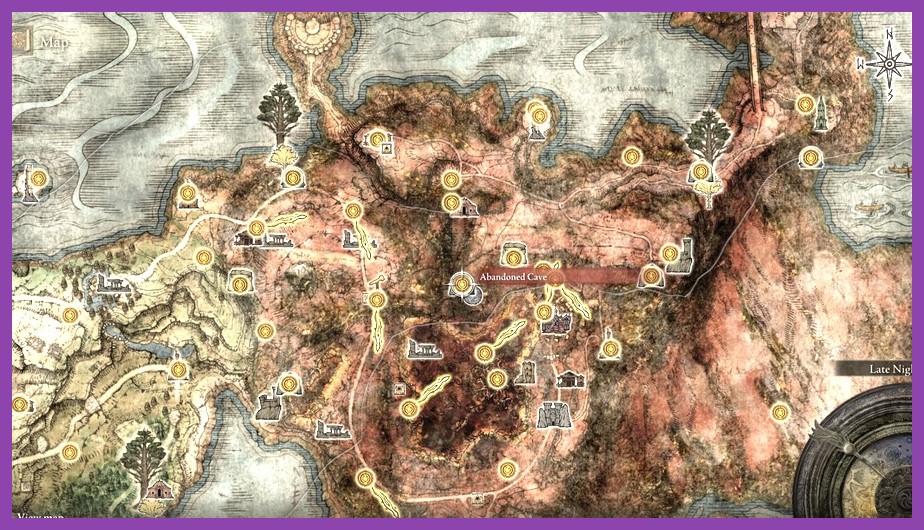
To obtain the Gold Scarab in the base game, players must complete a certain nomadic merchant's questline, but in the DLC, the talismans can be sourced more directly through exploration of the new areas. One reliable path involves the Belurat Gaol area, where a mini-boss drops the talisman upon defeat. Another path lies in the northeastern cliffside caves of Scadu Altus, where a chest behind an illusory wall yields a second copy for those who wish to dual-wear. Once equipped, the increase in rune intake becomes noticeable almost immediately, and over the course of a long farming session, the difference between wearing and not wearing the Gold Scarab can equate to tens of thousands of runes. For players who already feel financially secure in the base game, a refresher on the fastest leveling methods in the DLC pairs well with the talisman discussion, because runes and levels are two sides of the same coin.
Farming the Gravesite Plain Soldiers

The very first region the Tarnished encounters upon entering the Land of Shadow is, somewhat counterintuitively, one of the most lucrative farming grounds in the entire expansion. The Gravesite Plain is populated by loosely grouped bands of shadow-touched soldiers, each yielding between two and four thousand runes depending on the variant. What makes this region exceptional for early farming is the density of its encounters. A player can ride Torrent along a relatively short circuit, dismounting only to clear small groups, and complete a full loop in under two minutes. The payout, when combined with the Gold Scarab, often exceeds twenty thousand runes per loop. For a player in the early hours of the DLC, that figure represents a small fortune.
The key to maximizing this farm is movement discipline. The temptation, when entering combat, is to engage every enemy thoroughly. The smarter approach is to prioritize the highest-value targets — typically the horn-wielding standard bearers and the larger halberdiers — and to ignore the chaff entirely. By stringing these encounters together with a steady canter, the player transforms the Gravesite Plain into a treadmill of gold. Pair this technique with a high-damage AoE weapon such as a fully upgraded Colossal Sword or a high-Intelligence spell build using Comet or Stars of Ruin, and the time-to-kill per group drops to a handful of seconds. For those who favor a more methodical approach, the best solo class guide for the DLC offers build templates that excel at this kind of throughput farming.
Rebirth Monuments and the Hidden Value of Repeated Respawns
One of the most elegant features of Shadow of the Erdtree is the introduction of Rebirth Monuments, spectral structures scattered throughout the Land of Shadow that, when activated, cause a localized respawn of enemies. This is not the same as resting at a Site of Grace, which resets the entire world. A Rebirth Monument is more surgical, more focused, and crucially, more profitable when used in the right context. Each monument has a limited number of uses before it must recharge, but within those uses, the player has access to a private farming arena stocked with high-value foes.
The monuments near the Belurat, Tower of Shadow are particularly generous, surrounded by multiple packs of spectral knights and large beastkin. With a Rebirth Monument active, a skilled player can chain kills across a small area without ever needing to backtrack to a Grace. The monument recharges after a brief rest, and the cycle can be repeated indefinitely. This method is, in many ways, the spiritual successor to the famous Mohgwyn Palace farm from the base game, and it represents FromSoftware's quiet acknowledgment that the community will always find a way to optimize. The monuments feel designed, in fact, to be optimized. Embracing that design intent is the fastest path to a bulging rune count.
Major Boss Fights as Strategic Gold Mines
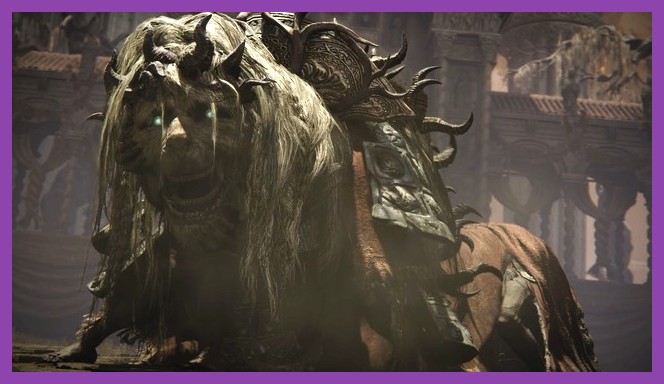
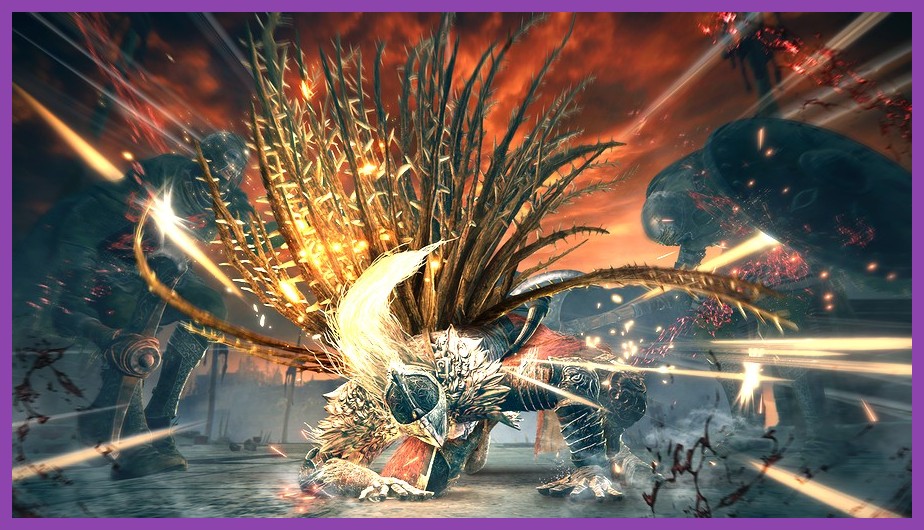
There is a particular satisfaction in defeating a difficult boss in Shadow of the Erdtree, and it is a satisfaction that comes in two parts. The first is the emotional release of surviving an encounter that seemed, moments earlier, insurmountable. The second is the sudden, gaudy shower of runes that the boss deposits into the player's total upon death. Major bosses in the DLC can drop anywhere from one hundred thousand to several hundred thousand runes per kill, depending on the encounter. For Tarnished who have already mastered a particular boss, repeated runs become an extraordinarily efficient farm. The Divine Beast Dancing Lion, Rellana, Twin Moon Knight, and the various Demi-Human bosses scattered through the late-game areas are all prime candidates.
The technique for boss-farming differs from open-world farming in one critical way: speed. The goal is not to enjoy the fight, but to compress it into the smallest possible time window. This means using a fully optimized build, summoning a cooperator or spirit ash if it shortens the fight, and exploiting any known cheese strategies the community has discovered. A three-minute boss kill yielding two hundred thousand runes is, when multiplied by twenty runs, four million runes. That sum can elevate a Tarnished from a struggling intermediate build to a late-game powerhouse in a single dedicated session. Players who prefer ranged or spell-based strategies will find a wealth of options in the broader RPG coverage on Steamoz, where build theory and rune economy often intersect in productive ways.
The Passive Wealth of Golden Runes and Hidden Pickups
Not every rune needs to be earned through violence. The Land of Shadow is, much like the base game, littered with consumable Golden Runes that grant immediate, fixed rune payouts when used. These items come in many sizes, from the humble Golden Rune [1] to the extravagant Golden Rune [13], and they are scattered across nearly every region of the DLC. A diligent explorer can accumulate dozens of them in a single play session, simply by following the natural path through each area and opening every chest, defeating every miniboss, and looting every corpse. For those who prefer a calmer, more meditative approach to farming, Golden Rune collection is the obvious choice.
The trick, of course, is knowing when to spend them. Many players consume Golden Runes the moment they find them, which is a defensible but suboptimal strategy. A wiser approach involves saving the largest runes for moments of desperate need — such as immediately after a death that wiped a recent farming run — or for stockpiling before a long boss attempt. Some players, in fact, build entire save files around Golden Rune hoarding, treating the consumables as an emergency fund rather than a daily expense. This philosophy is not for everyone, but it can mean the difference between a recoverable setback and a demoralizing wipe. For more on the broader loot ecosystem, our DLC weapons ranking often highlights which pickups are worth detouring for and which can be ignored.
Exploiting the Sleeping Dragon and the Furnace Golems
Among the more eccentric but spectacularly lucrative farming strategies in Shadow of the Erdtree are those involving the colossal creatures that dot the landscape. The sleeping dragons of the eastern cliffs, when provoked, yield rune payouts that rival early-game bosses. They are, however, dangerous when fully awake, and the smart approach is to score a single, devastating hit — a fully charged heavy attack with a high-scaling weapon, a critical hit from behind during their brief awakening animation, or a well-timed spell — before retreating. The Furnace Golems, lumbering ancient constructs scattered through the underground regions, function similarly. Each one holds tens of thousands of runes, and a single critical hit to the glowing faceplate can drop them in one blow if the build is properly optimized.
These encounters are not for the faint of heart, but they represent some of the most cinematic farming moments in the entire expansion. There is a particular thrill in sneaking up on a sleeping titan, unleashing a single perfect strike, and watching the rune counter explode. For players who find traditional mob farming tedious, the dragon and golem routes offer a refreshing change of pace. They also serve as excellent benchmarks for build power: if a Tarnished can one-shot a Furnace Golem, they are ready for the toughest content the DLC has to offer. Those who have not yet reached that threshold may want to consult the broader Steamoz guides section for incremental progression advice.
The Endgame Money Pit: Farming the Shadow Keep's Outer Walls
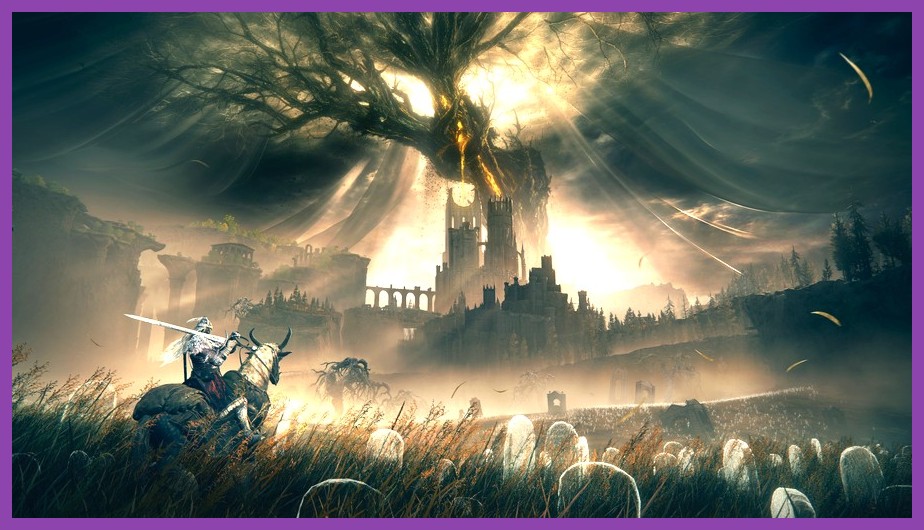
Once the main story has been completed and the late-game regions of Shadow of the Erdtree fully unlocked, a new tier of farming opportunity opens up. The Shadow Keep's outer walls, in particular, are patrolled by elite Shadow Knights whose rune payouts are among the highest for non-boss enemies in the entire game. Each knight yields roughly fifteen to twenty thousand runes, and they respawn reliably upon resting at the nearby Site of Grace. A skilled player can clear a circuit of the outer walls in four to five minutes, and the resulting rune income, multiplied by the Gold Scarab's bonus, is staggering.
This farm is the late-game equivalent of the Mohgwyn Palace approach from the base game, and it serves the same function: providing a steady, sustainable source of wealth for players who need to push their builds to the absolute limit. The Shadow Keep is also a treasure trove of upgrade materials, meaning that a single farming run often yields both runes and the smithing stones needed to spend them. This dual economy is, in many ways, the pinnacle of farming efficiency in Shadow of the Erdtree, and it is where most dedicated players will spend the bulk of their post-story hours. For context on how the broader Souls-like community approaches similar economies, our Black Myth: Wukong gold farming guide explores parallel techniques that translate surprisingly well to FromSoftware's design philosophy.
Solo Spirit Ash Builds for Hands-Free Farming
For players who prefer a more relaxed approach, or for those whose reflexes are not what they once were, the spirit ash system in Shadow of the Erdtree offers an alternative path to wealth. A high-level Mimic Tear, or one of the new DLC spirit ashes, can effectively solo many of the farming encounters described above. The player simply summons the ash, lets it engage the enemy, and then provides light support from a safe distance. The runes still flow to the player, the risk of death is minimized, and the mental fatigue of intensive farming is greatly reduced.
The downside, of course, is time. Spirit ash builds tend to be slower than direct combat, simply because the AI cannot be optimized the way a human player can. A Mimic Tear might take ninety seconds to clear a pack that a skilled player could dispatch in twenty. Over the course of an hour, that difference adds up to potentially hundreds of thousands of runes. But for those who value comfort over speed, or who are farming in the background while watching a show, the spirit ash approach is unbeatable. It also represents an excellent safety net for players who want to farm in high-risk areas without losing their entire rune pool to a single misstep. Pairing a tanky spirit ash with the Silver Scarab talisman creates a nearly risk-free farming experience, and for many Tarnished, that is the most important consideration of all.
Co-op Farming and the Hidden Multiplier of Friends
Although Shadow of the Erdtree does not officially support a direct rune-sharing system, cooperative play remains one of the fastest ways to accumulate wealth. When two or three Tarnished band together, the rune payouts of enemies are significantly increased to compensate for the larger party. The exact multiplier varies by encounter, but in practice, a well-coordinated co-op farming squad can outpace solo farming by a factor of two or three. The mathematics are simple: more damage per second means faster kills, faster kills mean more kills per minute, and the increased per-kill payout is pure bonus.
The challenge, of course, is coordination. Random co-op partners are often unpredictable, and a poorly coordinated squad can be slower than a solo player. The best results come from scheduled sessions with friends, ideally using voice chat to coordinate routes and target priorities. Within a tight group, the Gravesite Plain circuit or the Shadow Keep outer wall approach can be completed in a fraction of the solo time, and the social element adds a layer of enjoyment that solo farming can never quite match. Players who have struggled to find farming partners may also want to check the broader PC games community resources on Steamoz, where like-minded Tarnished often gather to coordinate runs.
A Final Word on Rune Hoarding and the Tarnished's Relationship with Gold
There is something almost philosophical about the act of farming in a FromSoftware game. The Tarnished, already a wandering outcast in search of a shattered crown, is reduced once more to a treasure hunter, combing the landscape for scraps of currency. But unlike the gold-fevered opportunists of lesser games, the Tarnished's relationship with runes is one of constant tension. Runes are simultaneously wealth, experience, and life itself. Spending them on a new weapon is also spending them on levels. Spending them on levels is also gambling against the next death. The economy of Shadow of the Erdtree is, in this sense, an economy of the soul.
The methods outlined above are not merely mechanical optimizations. They are philosophies of play, each offering a different answer to the question of how a Tarnished ought to engage with a hostile world. The aggressive player will favor boss runs and dragon one-shots. The methodical player will favor Rebirth Monuments and Golden Rune hoarding. The social player will favor co-op circuits. Each path is valid. Each path leads, eventually, to a build capable of confronting the final challenges of the Land of Shadow. The gold, in the end, is simply the fuel. The journey is the destination. For further reading on how that journey unfolds across other modern RPGs, our RPG category page houses a wealth of comparative analysis, and our broader review archive offers context on how Shadow of the Erdtree stacks up against its peers in the Souls-like genre. May your runes flow freely, and may the Erdtree's shadow never grow long over your ambition.