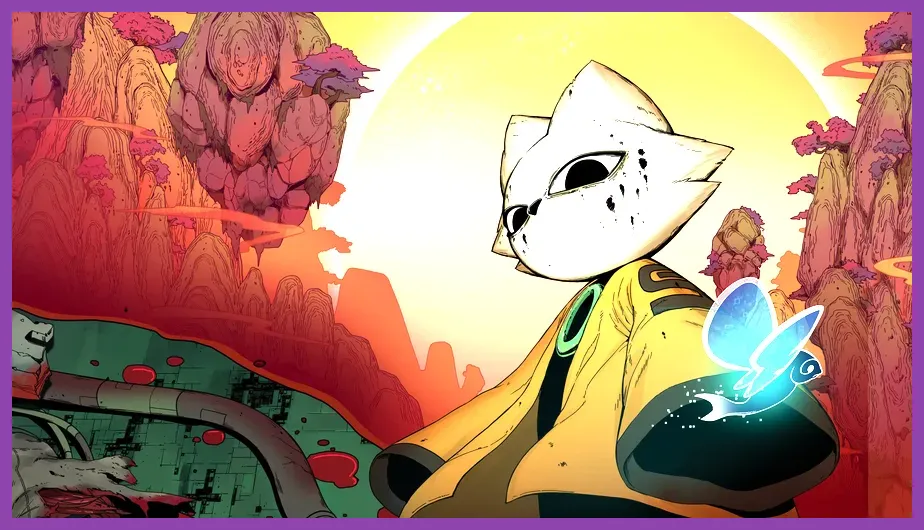
The best Nine Sols skills to unlock first are Tai-Chi Kick, Unbounded Counter, Cloud Piercer, Air Tight, and Internal Damage. Start with Tai-Chi Kick for reliable offense after a successful parry, take Unbounded Counter once red attacks begin appearing regularly, then improve your ranged and aerial options with Cloud Piercer and Air Tight. Internal Damage is the best follow-up damage node for players who consistently land parries. This order supports the game’s intended rhythm instead of encouraging a wasteful, attack-heavy build.
Nine Sols is built around reading telegraphs, deflecting attacks, and turning an enemy’s aggression against it. Yi’s sword damage is useful, but the largest early gains come from skills that make parries safer, improve talisman pressure, or give you an answer to attacks that cannot be handled by a standard deflection. Skill points are limited during the opening areas, so buying every available node immediately can leave the most important combat tools delayed.
This recommendation applies to a first playthrough on the standard difficulty. It also works well for players using Story Mode, although the lower incoming damage makes defensive upgrades slightly less urgent.
1. Tai-Chi Kick Is the Best First Unlock

Tai-Chi Kick should normally be your first skill purchase. It gives Yi a dedicated follow-up after a successful parry and makes the game’s core defensive action produce immediate offensive momentum. Rather than simply blocking an enemy’s strike and waiting for the next opening, you can deflect, use the kick, and continue controlling the exchange.
The skill is particularly effective against early opponents that use slow, clearly telegraphed swings. Those enemies teach you the timing you will later need against bosses such as Goumang and Eigong, while Tai-Chi Kick lets you convert practice into real damage. It also helps against groups because the kick creates space when several enemies collapse on Yi at once.
Use Tai-Chi Kick after a clean blue-attack parry, not as a replacement for movement. It does not make every encounter safe: red attacks still require the correct counter or an evasive response, and repeated button presses can cause you to miss the next parry window. The strongest early sequence is parry, Tai-Chi Kick, apply a talisman when the opening is stable, then return to defensive positioning.
Why it beats early damage upgrades
Raw sword improvements look attractive, but early bosses are usually decided by whether you can survive and exploit attack patterns. Tai-Chi Kick rewards the exact behavior that scales throughout the campaign. If you are still learning parry timing, it also provides a visible, consistent payoff whenever you get it right.
2. Take Unbounded Counter Before Major Bosses
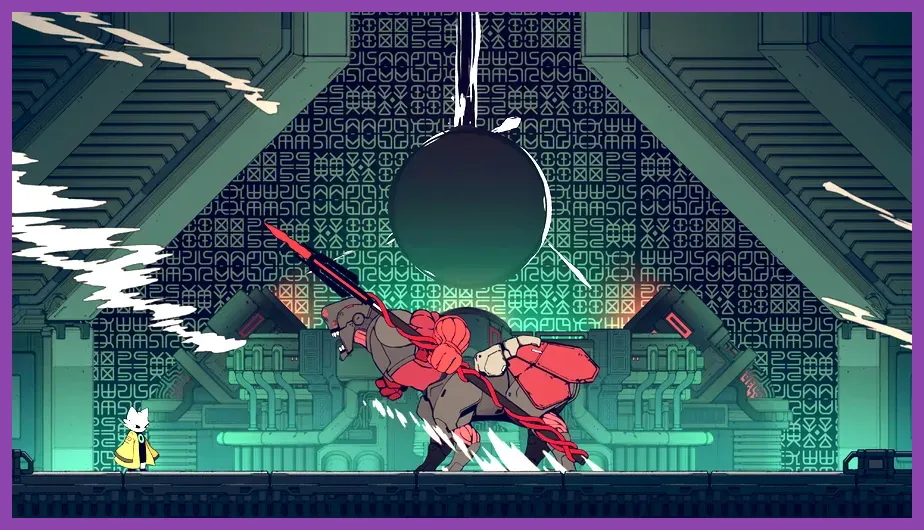
Unbounded Counter is the next priority once your basic parry is comfortable. Nine Sols uses red attack indicators to signal dangerous moves that a normal parry cannot answer in the usual way. Without the appropriate response, Yi must jump, dash, or reposition. Unbounded Counter gives skilled players a more direct defensive option by allowing a properly timed counter against attacks that would otherwise break the standard parry flow.
Do not rush this node before you understand ordinary parries. Unbounded Counter has a tighter execution demand and is much less useful if you are holding the button in panic. Watch the enemy’s wind-up, identify the red flash, and commit only when the strike is about to connect. A premature input wastes the opportunity and can put Yi directly in the attack’s path.
This skill becomes especially valuable in boss arenas with limited floor space. Against Goumang’s pressure and later multi-hit patterns, having a counter available reduces the number of situations where you must abandon offense entirely. It is also one of the best upgrades for players attempting higher difficulty or a no-death run.
When to delay it
If you are consistently missing standard blue parries, buy a more forgiving utility node first and practice at the Four Seasons Pavilion training opportunities. Unbounded Counter is powerful because it expands your options, not because it removes the need to read animations.
3. Cloud Piercer Makes the Azure Bow Matter
Cloud Piercer is the best early ranged-oriented choice. It improves the practical value of Yi’s Azure Bow, giving you a stronger way to punish enemies that are difficult to approach or temporarily exposed at a distance. The bow is not meant to replace sword combat, but Cloud Piercer makes it a dependable part of a parry-focused rotation.
Use the Azure Bow when an enemy is recovering from a long attack, when a flying target is outside sword range, or when moving into melee would force you through a projectile. Against bosses, ranged pressure is most useful during transitions and after a large whiff. Fire deliberately rather than emptying every available shot: maintaining enough resources for a dangerous phase is more important than adding a small amount of chip damage.
Cloud Piercer also helps exploration. Several rooms contain enemies positioned over hazards or on narrow platforms, and a precise ranged hit can remove the threat before Yi has to commit to an awkward jump. It is not the first skill because most early damage still comes from parries and talismans, but it is an excellent third purchase after Tai-Chi Kick and Unbounded Counter.
Players who prefer aggressive melee can move Cloud Piercer behind Internal Damage. Players struggling with airborne enemies should take it earlier. The skill’s value depends on how often you use the bow, so it is a flexible part of the recommended order rather than an absolute requirement.
4. Air Tight Improves Aerial Safety
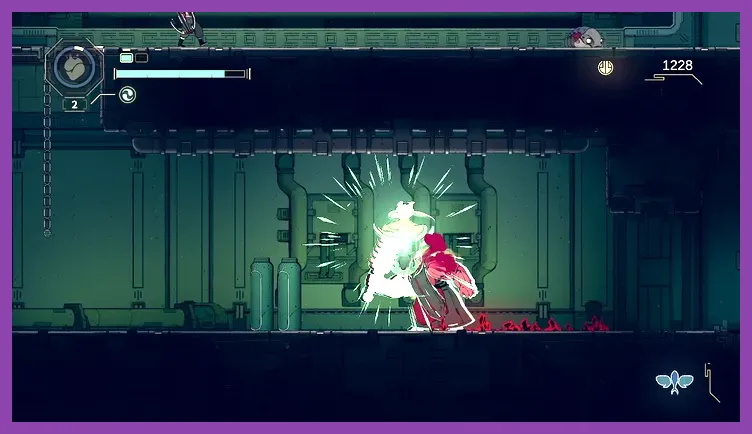
Air Tight is the best movement and positioning upgrade among the early choices. It improves Yi’s ability to defend himself while airborne, which matters because Nine Sols frequently combines vertical movement with attacks that are difficult to answer from the ground. Without an aerial option, jumping over one threat can leave you vulnerable to the next projectile or body collision.
Air Tight is especially useful in rooms with platforms, wall movement, and flying enemies. It lets you treat the air as a controlled combat space rather than an emergency escape route. Use it to pass over a ground-level attack, parry an airborne strike, and land in a position where the enemy’s recovery can be punished. It also reduces the risk of taking contact damage while navigating unfamiliar rooms.
Take Air Tight fourth for a balanced build. Move it ahead of Cloud Piercer if platforming deaths are costing more health than combat mistakes. Conversely, players who rarely jump during fights can delay it until the first area where aerial enemies become common.
Air Tight versus pure offense
This is not a damage upgrade, but defensive positioning is effectively damage in Nine Sols. Every avoided hit preserves healing resources and keeps Yi close enough to punish a recovery animation. That makes Air Tight more valuable than a minor attack increase for players still learning enemy patterns.
5. Internal Damage Is the Best Follow-Up Node
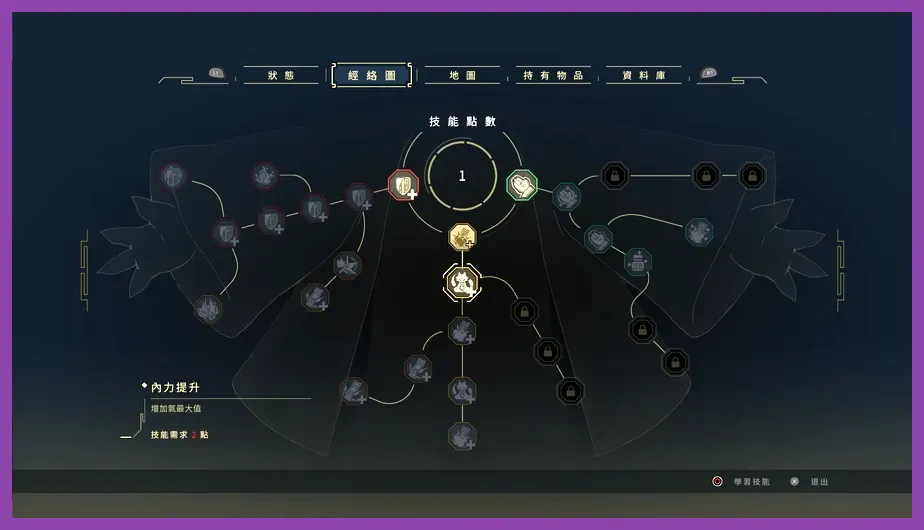
Internal Damage should follow the core utility skills for most players. It increases the reward for successful defensive play by making parries contribute more meaningful damage through the game’s internal-damage system. The upgrade is strongest when you are already deflecting consistently, because its value scales with the number of attacks you answer correctly.
Internal Damage is a better fifth purchase than a niche ranged or movement node for a player who wants faster boss kills. Boss encounters often give you only brief openings, and converting each successful parry into stronger internal pressure shortens the number of cycles required. Fewer cycles mean fewer chances to mistime a red attack, run out of healing, or get cornered by a phase transition.
Do not interpret the skill as permission to stand still and parry everything. Some attacks are designed to force jumping, repositioning, or a specific counter. Use Internal Damage when the pattern is understood, then combine it with Tai-Chi Kick and talisman application during the recovery window.
Recommended Early Skill Order and Spending Rules
- Tai-Chi Kick: your first combat conversion tool after a successful parry.
- Unbounded Counter: an answer to dangerous red attacks once your basic timing is reliable.
- Cloud Piercer: stronger Azure Bow pressure for distant, airborne, and awkward targets.
- Air Tight: safer aerial defense and better control in vertical rooms.
- Internal Damage: higher payoff from every successful parry and a faster boss-kill rhythm.
- Full Control: a strong later addition once the preceding fundamentals are online and you want to improve talisman-focused offense.
Full Control is worth taking after the first five recommendations, particularly for players who frequently use talismans during stagger or recovery windows. It is not the best first purchase because talisman damage only reaches its potential when you can reliably create openings. Build around execution first, then improve the reward.
Spend skill points at the Four Seasons Pavilion with your preferred combat pattern in mind. A melee player can move Internal Damage ahead of Cloud Piercer, while a player who relies on distance can take Cloud Piercer third without weakening the build. The important mistake to avoid is scattering points across unrelated branches before obtaining a dependable parry payoff.
For a broader approach to deliberate upgrade planning, see Steamoz’s beginner tips for Metaphor: ReFantazio and our No Rest for the Wicked build guide. The same principle applies here: prioritize upgrades that directly support your game’s central combat loop rather than spreading resources thinly.
How to Pair These Skills With Nine Sols Combat
The recommended rotation is simple: stay at a range where the enemy’s telegraph is visible, parry the blue attack, use Tai-Chi Kick, and apply a talisman only when the recovery animation gives you enough time. Save Unbounded Counter for red attacks, use Air Tight when the safest route is through the air, and reserve Cloud Piercer for targets that cannot be reached safely with the sword. Internal Damage then improves the payoff from the entire sequence.
Healing resources and positioning matter as much as the skill tree. Do not chase a boss across the arena after a missed parry. Reset your spacing, watch the next animation, and let the encounter return to a pattern you understand. This is also why aggressive button-mashing performs poorly: Nine Sols rewards measured reactions far more than constant attack input.
For official information, check the Nine Sols Steam page, the Red Candle Games official site, and the developer’s Steam news updates. You can also compare this parry-first approach with Steamoz’s defensive setup guide for another example of building around survivability.
In short, unlock Tai-Chi Kick first, learn to use it rather than immediately buying more damage, then add Unbounded Counter for red attacks. Cloud Piercer, Air Tight, and Internal Damage complete the strongest early foundation. Once those skills are active, Nine Sols becomes less about surviving individual encounters and more about controlling every exchange through timing, spacing, and deliberate counterattacks.