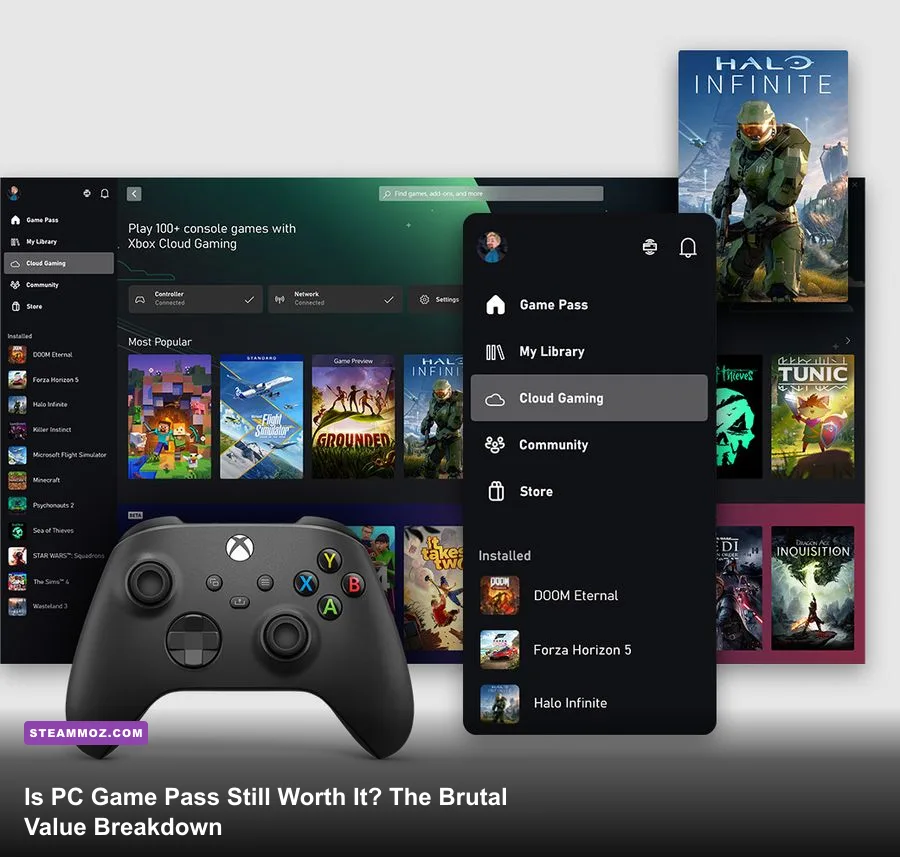
Yes, Microsoft's PC Game Pass is still objectively the best raw dollar-for-hour value in PC gaming, but only if you actually complete at least two full-priced $70 releases every calendar year. At $11.99 per month, an annual investment of $143.88 gives you access to day-one first-party blockbusters, a revolving door of elite indie gems, and the full EA Play back catalog without forcing you into the costlier $19.99 Game Pass Ultimate tier. However, if your gaming habits revolve around sinking 300 hours into a single live-service shooter or building an expansive, permanent mod loadout for single-player RPGs, the subscription model quietly bleeds your wallet while locking you inside Microsoft's clunky desktop wrapper.
The Current Cost: Subscriptions, Tiers, and Hidden Price Hikes
To understand whether the service makes financial sense today, you have to look past the marketing blurbs and inspect the ledger. Following Microsoft's strategic pricing restructuring, standalone PC Game Pass sits at $11.99 per month. Unlike console players—who find themselves split across gutted "Standard" tiers that lock out day-one blockbusters—PC players retain direct, unconditional day-one access to Microsoft's full first-party slate, complete with integrated access to standard EA Play membership. You do not need to buy Game Pass Ultimate unless you actively care about Xbox Cloud Gaming or regularly hop onto an Xbox Series console in your living room.
That $11.99 monthly fee adds up to $143.88 over twelve months. In an era where AAA publishers routinely price standard base editions at $69.99—and push premium "early access" editions closer to $100—two major day-one plays essentially balance your yearly ledger. Throw in a third title, and you are technically gaming on house money. But that calculation assumes an ideal scenario where you do not let months idle by while playing games you already own on other platforms.
Take a look at how standalone PC Game Pass stacks up against the broader ecosystem:
| Subscription / Platform | Monthly Cost | Annual Commitment | Day-One AAA Inclusions | Key Ecosystem Perk |
|---|---|---|---|---|
| PC Game Pass (Standalone) | $11.99 | $143.88 | Yes (All Xbox Game Studios & Bethesda) | Bundled Basic EA Play Access |
| Game Pass Ultimate | $19.99 | $239.88 | Yes (Console + PC + Cloud) | Xbox Cloud Gaming & Console Cross-Play |
| Ubisoft+ Premium | $17.99 | $215.88 | Yes (Ubisoft Catalog Only) | DLCs & Season Passes Included |
| Direct Purchase (Steam Storefront) | $0.00 (À la carte) | Variable (~$70 per title) | No (Upfront ownership per game) | Permanent ownership, Workshop, offline stability |
The pure economics favor PC Game Pass over console equivalents. Because PC gamers do not pay multiplayer paywalls to play online games, Microsoft cannot charge a bogus "multiplayer network fee" on desktop. You get pure software delivery. However, the silent killer of subscription value is inertia. If you pay for six months while slowly grinding through a single title, you have paid $72 for a game you could have purchased outright on sale, forever owning the license.
The 2026 Roster: Day-One Heavyweights Versus Library Churn

A subscription service lives or dies on its catalog, and Microsoft’s colossal development machine—spanning Xbox Game Studios, Bethesda Softworks, and Activision Blizzard—now delivers regular tentpole drops. The era of barren software droughts between major releases has largely vanished. When you fire up the service, you are greeted by massive heavy hitters: Obsidian's high-fantasy RPG Avowed, machinegames' pulp-action adventure Indiana Jones and the Great Circle, id Software's kinetic bloodbath DOOM: The Dark Ages, and relentless annual military mainstays like Call of Duty: Black Ops 6.
Beyond the blockbuster AAA line, the catalog serves as an incredible testing ground for massive simulation and deep strategy titles that normally demand high hardware overhead and steep retail prices. You can jump into Microsoft Flight Simulator 2024, test your tactical acumen in deep historical builders, or blaze across star systems in deep space combat epics. If you find yourself hunting outposts in the cosmos, consult our Everspace 2 secret locations and hidden rewards guide to clean up loot drops, or evaluate the best weapon upgrades in Everspace before spending hard-earned credits.
| Game Title | Genre | Standard Retail Value | Average Campaign Length | Game Pass Cost-Offset Ratio |
|---|---|---|---|---|
| DOOM: The Dark Ages | Fast-Paced FPS | $69.99 | 14–18 Hours | Massive (Beat in 1 month for $12) |
| Avowed | First-Person Action RPG | $69.99 | 35–50 Hours | High (Beat in 1–2 months for $24) |
| Call of Duty: Black Ops 6 | FPS / Multiplayer / Zombies | $69.99 | 8h (Campaign) / 200h+ (MP) | Medium-Low (Long-term players overpay) |
| Indiana Jones and the Great Circle | Cinematic Adventure | $69.99 | 15–20 Hours | Massive (Clear narrative, zero replay bloat) |
| Everspace 2 | Space Action / Looter RPG | $49.99 | 40–60 Hours | High (Lengthy single-player excursion) |
| Manor Lords (Game Preview) | Medieval City Builder | $39.99 | 30+ Hours | Solid (Try early updates risk-free) |
Notice the stark divide between narrative-driven games and endless online sandboxes. Games like DOOM or Indiana Jones are the absolute sweet spot for PC Game Pass. You download them on release day, blast through their pulse-pounding single-player campaigns across two weekends, soak in the high production values, and uninstall them. You enjoyed a $70 pristine gameplay experience for a twelve-dollar investment.
Conversely, titles that rely on continuous multi-year engagement present a hidden financial trap. If you subscribe primarily to play competitive multiplayer modes or drop hundreds of hours into live-service cycles, the subscription model quietly flips from an astonishing bargain into a recurring tax. If you stay subbed for fifteen months just to play one live-service shooter, you have shelled out nearly $180—far more than the cost of simply purchasing the retail edition during its first discount window.
Furthermore, you cannot ignore third-party library churn. While first-party Microsoft, Bethesda, and Activision games permanently stay on the platform, third-party indie hits and Japanese RPGs typically operate on 12-to-18-month licensing contracts. If an indie phenomenon departs the catalog halfway through your playthrough, you are left staring at a 20% member discount to buy the game outright or abandon your save file entirely.
App Stability, Storage Bloat, and the PC User Experience
No honest analysis of PC Game Pass can bypass the elephant in the room: the official PC Game Pass desktop hub operating via the Windows Xbox App. While Microsoft has made massive strides since the dark ages of the Windows Store—finally letting users choose custom install paths, inspect game folders, and modify game configuration files—the client remains noticeably inferior to Steam's pristine feature set.
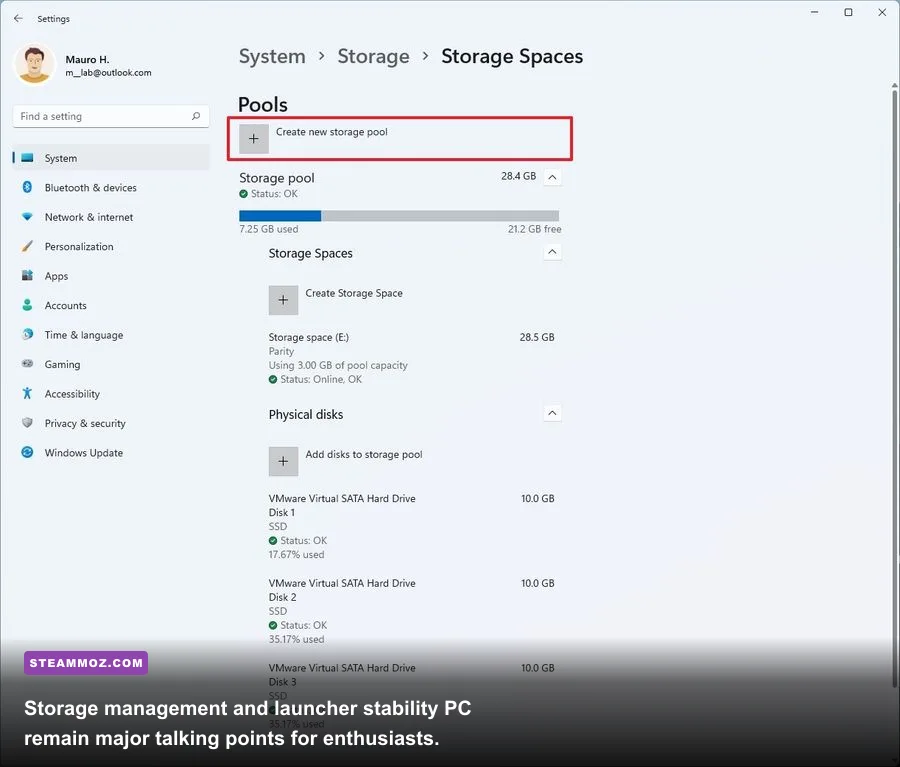
First, consider storage management. Games installed via the Xbox App still utilize Microsoft's modified Virtual Hard Disk containers and Windows permission safeguards. While you can now access directory trees, running community-made mod loaders remains a massive headache. Script extenders, heavy overhaul frameworks, and memory injectors often run into rigid permission barriers. If you are someone who loves modding Bethesda RPGs until they break, the Steam release will always be drastically superior to the Game Pass edition.
Second, stability hiccups continue to surface across hardware configurations. When games run into shader compilation stutters or sudden driver conflicts, diagnosing crashes through Game Pass error codes (such as the infamous `0x80070005` file access error) feels like troubleshooting enterprise office software rather than a gaming platform. When dealing with system instabilities, checking general troubleshooting PC crash fixes and memory leaks is an essential baseline to keep your machine humming.
Similarly, graphics optimization within Microsoft-packaged games can be quirky. Certain Game Pass iterations lack exclusive fullscreen modes, forcing games into borderless windowed presentations that occasionally introduce erratic frame pacing or desktop scaling anomalies. If you run into stuttering in heavy open-world releases, taking time for optimizing PC graphics settings for high framerates becomes mandatory to iron out erratic frame delivery caused by background launcher syncs.
Hardware overhead is another major factor. Modern PC Game Pass titles are thoroughly modern beasts built on high-end engines like Unreal Engine 5. With hefty minimum system barriers becoming the industry standard, players with aging setups need to double-check their rigs before queuing up 150GB downloads. Checking whether your rig satisfies demanding PC system requirements will save you hours of futile download time and installation headaches.
The Math Breakdown: How Many Games Do You Actually Beat?
To determine if PC Game Pass earns a permanent spot on your credit card statement, you must audit your own gaming psychology. Gamers generally fall into one of three behavioral profiles: The Finisher, The Dabbler, or The Specialist. The financial viability of PC Game Pass changes dramatically depending on which mirror reflects your habits.
The Finisher (High Value): You treat games like books. You install a title, hyper-focus on its primary campaign and side quests for two to four weeks, reach the credits, and uninstall it. If you conquer five to six single-player campaigns a year using this method, your cost-per-game drops to roughly $24. You save hundreds of dollars annually compared to retail purchasing, dodging depreciating physical discs and digital storefront buyer's remorse.
The Dabbler (Extraordinary Value): You suffer from gaming paralysis. You rarely know what you want to play, downloading four different titles every weekend, sampling them for ninety minutes, and ditching three of them. On Steam, your habit would lead to messy refund requests or a library graveyard of unplayed $40 purchases. On Game Pass, this sampling culture is completely free of financial friction. You explore weird indie experiments, boutique puzzle games, and sprawling city builders without spending an extra cent.
The Specialist (Terrible Value): You don't want a buffet; you want your favorite meal every single night. You play Counter-Strike, Dota 2, Valorant, an active MMO, or a long-running survival sandbox with your regular discord squad. When you do play single-player games, you obsessively spend six months building farms, leveling stats, or hunting every single secret achievement. Subscribing to PC Game Pass while pouring 90% of your monitor time into one or two persistent titles is akin to paying a gym membership you only visit once every quarter.
Let's run a side-by-side annual financial simulation:
| Player Profile | Annual Software Consumed | Direct Purchase Cost (Steam/Epic) | 12 Months PC Game Pass | Net Player Savings |
|---|---|---|---|---|
| The AAA Campaign Crusher | 3 Day-One AAA + 4 Indes | ~$330.00 | $143.88 | +$186.12 (Massive Win) |
| The Indie Explorer | 12 Boutique Indie Releases | ~$260.00 | $143.88 | +$116.12 (Strong Win) |
| The Hybrid Moderate | 1 AAA Title + 2 Indes | ~$125.00 | $143.88 | -$18.88 (Slight Loss) |
| The Forever-Game Specialist | 1 Persistent Multiplayer Title | $69.99 (Once) | $143.88 | -$73.89 (Severe Loss) |
The numbers do not lie. The moment your throughput drops below two AAA titles or four mid-sized indie games per year, maintaining an ongoing, uninterrupted subscription starts working against your bank account. The optimal pro-consumer strategy—one that Microsoft's accounting department dislikes—is the Churn and Burn method: cancel your auto-renew, subscribe for a single month when a massive title like DOOM or Avowed arrives, binge it to completion for twelve bucks, and promptly cancel your billing cycle until the next major release lands.
Final Verdict: Who Should Subscribe and Who Should Stick to Steam
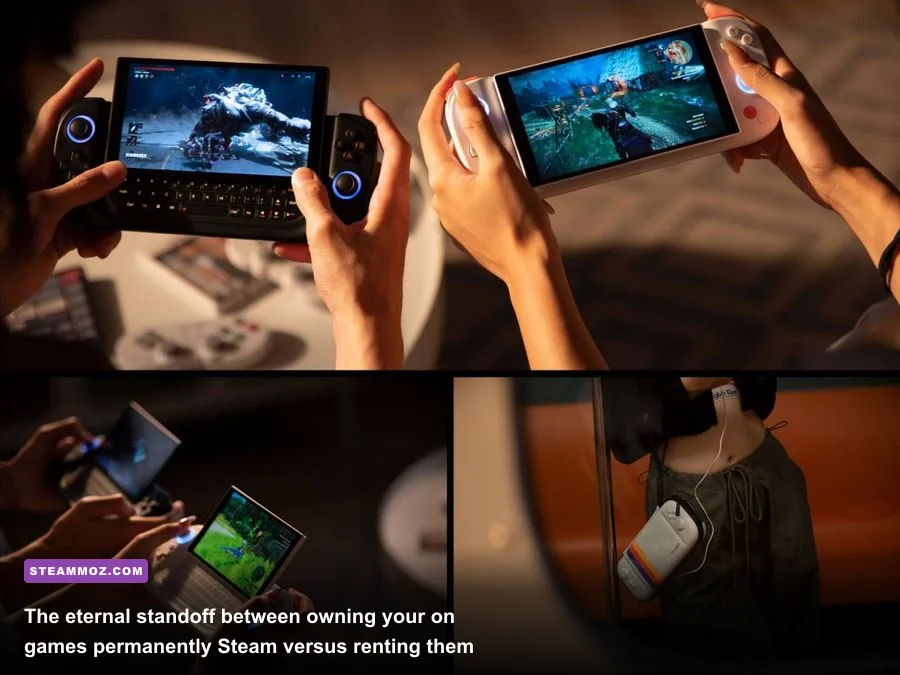
PC Game Pass remains an unmatched triumph of sheer catalog volume, but it is no longer the automatic, brainless recommendation it was during its aggressive growth phase. The creeping price hikes have brought the service to a balanced equilibrium where it demands active, deliberate usage to justify its space on your monthly ledger.
You should subscribe to PC Game Pass if:
- You eagerly anticipate Microsoft's first-party lineup and intend to play day-one blockbusters the moment they unlock.
- You love campaign-driven adventures that offer 15 to 30 hours of high-octane fun with little desire to revisit them years later.
- You want an expansive, guilt-free indie playground where you can try experimental genres without worrying about the two-hour Steam refund window.
- You regularly play modern titles from the EA catalog, such as Dead Space, the Star Wars Jedi series, or annual sports titles.
You should skip PC Game Pass and buy on Steam if:
- You treat heavy modding as a core pillar of your gaming experience and rely on community mod tools, script extenders, and Steam Workshop integration.
- You prioritize seamless handheld play on devices like the Steam Deck without jumping through awkward dual-boot Windows partitions or streaming workarounds.
- You game intermittently, frequently going two or three weeks without launching a title due to busy work schedules or family commitments.
- You experience severe anxiety about software ownership, digital preservation, or losing access to your save files when games rotate out of licenses.
Ultimately, PC Game Pass is a surgical tool. Treat it like a rental house for explosive single-player campaigns, and it will save you hundreds of dollars while delivering the best gaming catalog on the planet. Treat it like a background utility bill while you spend all your evenings in persistent competitive shooters, and you are simply funding someone else’s gaming habit.