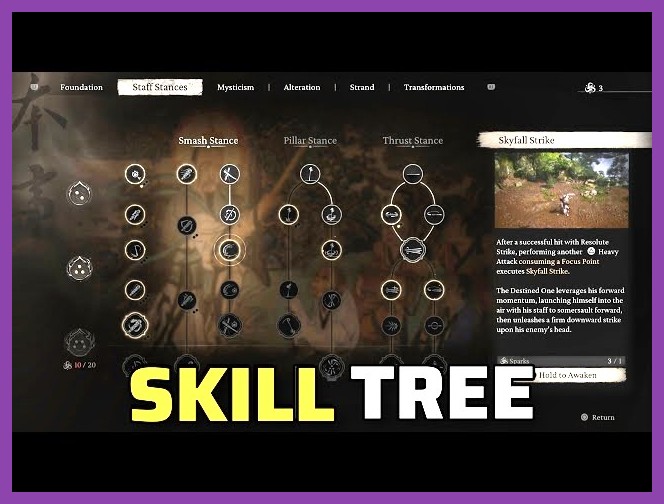
Black Myth: Wukong launched as one of the most ambitious action RPGs of recent years, pulling players into a brutal reimagining of Journey to the West. With deep combat, layered boss design, and a sprawling skill system, experimentation is part of the fun — and inevitably, you'll want to rethink your build. That's where respeccing comes in. This guide breaks down exactly how to respec skill points in Black Myth: Wukong, what items you need, and how to make the most of every reset.
Unlike many Soulslike competitors, Game Science built Wukong around a single protagonist, the Destined One, which makes build identity feel personal. Once you start sinking points into early-game skills, locking in a wrong direction can feel punishing. The good news: the respec system exists, it's relatively accessible, and it's designed to reward experimentation rather than punish it.
Can You Respec in Black Myth: Wukong?

Yes — but the system isn't handed to you on a silver platter. There's no menu button labeled "Reset All Skills." Instead, respeccing is tied to a specific consumable item, which means you can't do it on a whim. Every reset costs resources, and the supply of that resource is finite-ish, depending on how aggressively you explore, fight optional bosses, and progress through the six chapters.
This intentional friction encourages players to think before they invest. However, the moment you hit a wall on a late-game boss or realize your chosen build isn't synergizing with a newly acquired weapon, respeccing becomes essential. For a broader look at how builds shape your run, our guides hub has plenty of related reads.
The Item You Need: Ngoc Linh Ginseng

The respec mechanic in Wukong revolves around a single item: Ngoc Linh Ginseng. This rare consumable resets your allocated skill points, refunding them entirely so you can redistribute them across the skill tree. Think of it as Wukong's equivalent of a Larval Tear from Elden Ring, but with its own flavor and acquisition method.
What Ngoc Linh Ginseng Actually Does
Consuming one Ngoc Linh Ginseng refunds every skill point you've spent in the talent tree. It does not refund spell upgrades, transformation enhancements, or any gear-related progression. It's strictly a skill-point reset. The cost of each skill in the tree remains the same after respec, so players have full freedom to reallocate however they see fit.
How Many You Can Find
Across a full playthrough, players can typically locate around 10 to 15 Ngoc Linh Ginseng, depending on how thorough their exploration is. That's enough for several full respecs across one playthrough, plus a New Game Plus cycle if you continue into endgame content. The exact number fluctuates with patches, so checking the official Steam page for the latest patch notes is always a smart move.
Where to Find Ngoc Linh Ginseng
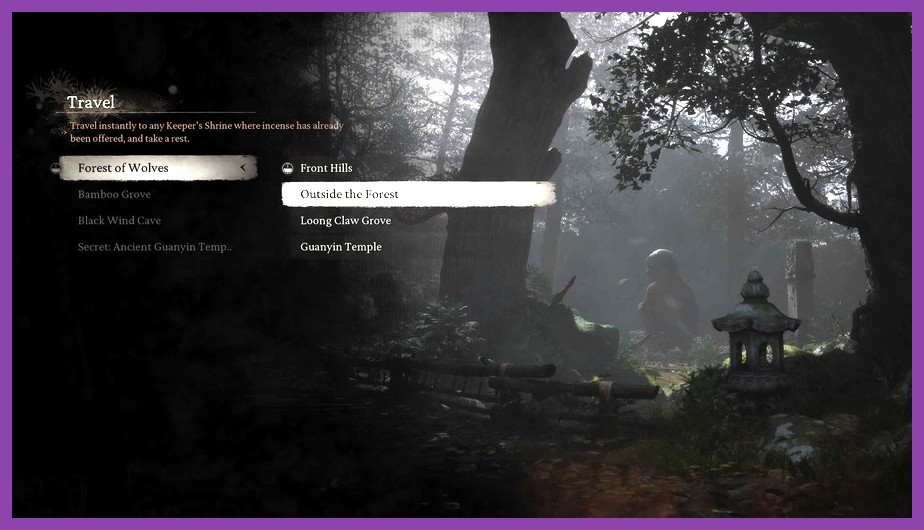
Ginseng drops come from a mix of exploration rewards, boss defeats, and vendor purchases. Here's how to reliably stock up.
1. Defeat Optional Bosses
Several optional and hidden bosses across the chapters drop Ngoc Linh Ginseng on first defeat. These encounters are often tucked off the main path, so backtracking with a refined weapon build is well worth the effort. Bosses in the later chapters, particularly Chapter 5 and Chapter 6, tend to be the most rewarding ginseng sources.
2. Explore Side Paths Thoroughly
Wukong's zones are riddled with secret areas, hidden chests, and tucked-away interactables. Ginseng frequently appears in these off-route rewards, so don't sprint past anything that looks suspicious. The Forest of Wolves in Chapter 1 and the Webbed Hollow in Chapter 2 are particularly generous early on.
3. Purchase From Vendors
Some merchants stock Ngoc Linh Ginseng for Will, the in-game currency. Availability rotates as you progress, so checking vendors between chapters is a smart habit. If you're running low on funds, our gold farming guide covers the fastest money-making spots in the game.
4. Progress Through the Main Story
A few ginseng are gated behind key story progression milestones, so simply pushing through the main path guarantees you'll accumulate a baseline supply before reaching endgame.
How to Actually Respec Step by Step
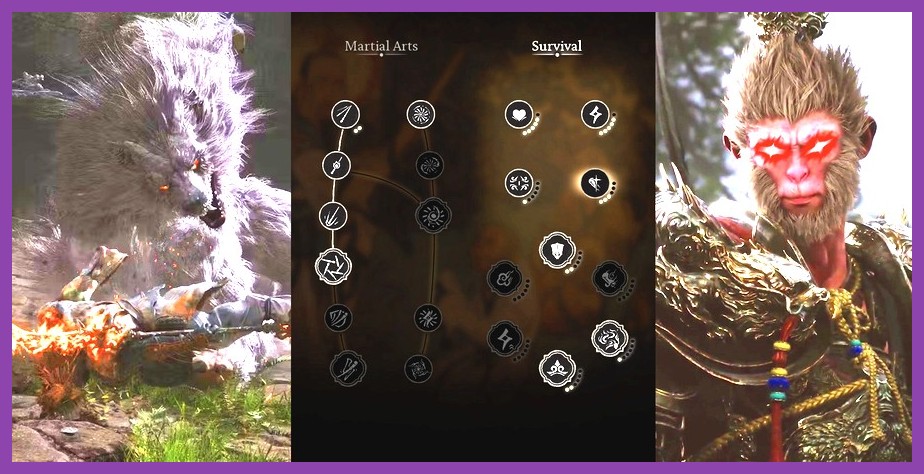
The respec process itself is straightforward once you have a ginseng in hand. Here's the exact sequence.
Step 1: Locate a Keeper's Shrine
Keeper's Shrines are the game's rest points, scattered generously across every region. They're your one-stop shop for leveling up, upgrading gear, fast traveling, and — crucially — accessing the skill tree.
Step 2: Open the Skill Tree Menu
From the shrine menu, select the option to view your skill tree. This is where you originally allocated your points, so the layout will feel familiar.
Step 3: Trigger the Respec Prompt
Look for the "Reset Skills" or equivalent option in the skill tree interface. The game will prompt you to confirm by selecting a Ngoc Linh Ginseng from your inventory. Once confirmed, all points are refunded instantly.
Step 4: Reallocate Your Build
With your points refunded, you can now redistribute them however you like. Spend time considering your playstyle, current weapon, and the challenges ahead before committing.
When Should You Respec?

Respeccing on a whim wastes a ginseng. Respeccing with intent transforms your run. Here are the moments where a reset genuinely pays off.
After Beating a Major Chapter
Each chapter introduces new enemies, mechanics, and bosses with different elemental or stamina-based challenges. What worked in Black Wind Mountain may feel weak in Yellow Wind Ridge. A post-chapter respec lets you pivot intelligently.
Before Tackling a Hard Boss
If you've been struggling with a specific boss for more than a handful of attempts, your build might be the bottleneck rather than your reflexes. For inspiration, our final boss strategy guide walks through how the right build setup can make a seemingly impossible fight feel manageable.
When You Acquire a Key Weapon
Wukong's weapons — particularly legendary ones — often synergize with specific skill paths. Picking up a game-changing legendary weapon is the perfect moment to respec and rebuild around its strengths.
When Playing Co-op or Helping Friends
If you're running the game with a group, your role in the team may shift depending on the encounter. Our team synergy guide covers how builds change in multiplayer scenarios, and respeccing lets you adapt on the fly.
Tips to Maximize Every Respec
A few practical tips to make sure you get the most out of each ginseng.
- Plan before spending. Sketch out a target build before reallocating. Impulse respeccing often leads to the same dead end you just escaped.
- Don't hoard endlessly. Ginseng is meant to be used. A respec before a tough boss is more valuable than a stockpile you'll never touch.
- Pair with gear upgrades. Respec right before upgrading a key piece of armor or a weapon so your build feels cohesive rather than piecemeal.
- Test in low-stakes zones. After respec, run through a regular enemy area first to feel out your new setup before committing to a boss attempt.
Final Thoughts on Respeccing in Black Myth: Wukong
The respec system in Black Myth: Wukong strikes a deliberate balance: easy enough that experimentation is encouraged, scarce enough that every reset matters. Ngoc Linh Ginseng rewards players who explore thoroughly, fight optional content, and think strategically about their builds. If you're just starting your journey, our weapons tier list is a great companion to this guide, and the RPG category on Steamoz has plenty more Wukong coverage to dig into. Whether you're chasing a build for a specific boss, pivoting into a new weapon archetype, or just curious what a different playstyle feels like, respeccing is the tool that keeps the journey flexible — and that's exactly what makes Wukong worth replaying.