
Dead Island 2 gets much easier once you stop treating it like a standard looter-shooter. Choose a Slayer whose stats match your habits, master perfect dodges or blocks, target zombie body parts, and spend cash on a small rotation of properly modded weapons instead of hoarding everything. These 10 Dead Island 2 tips and tricks cover the systems that matter most during the opening hours, from Bel-Air through Venice Beach and beyond.
The game explains the basics, but it doesn't fully explain why a blue weapon can beat a purple one, why a fire mod can sabotage a build, or why some zombies suddenly shrug off your favorite attack. This guide focuses on those hidden edges and the habits that keep your inventory, stamina, and health under control.

1. Pick Your Slayer Around Combat, Not Appearance
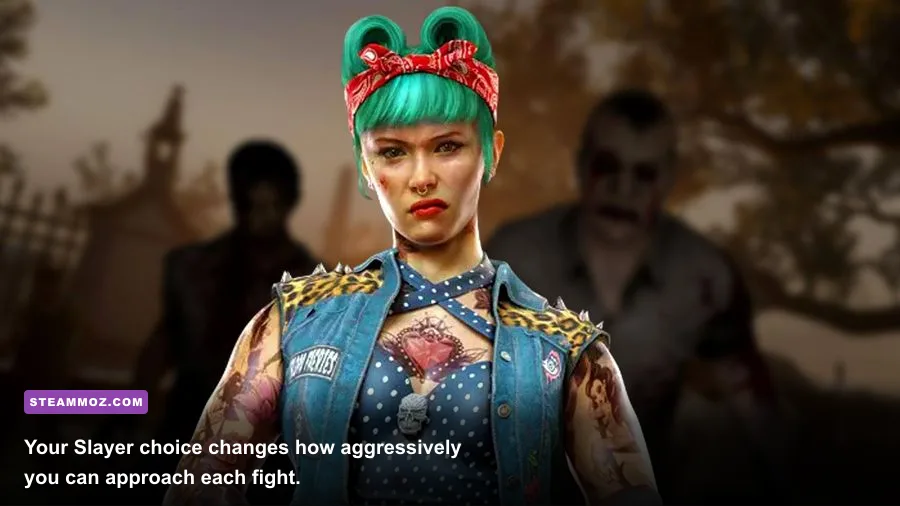
Dead Island 2's six Slayers aren't cosmetic choices. Each has two innate skills, a stat spread, and a different feel in close quarters. Ryan is the safest recommendation for first-time players because his Retaliation skill boosts Force after blocking or dodging, while Seesaw restores health when he knocks down a zombie. That combination rewards defensive play and gives you extra room for mistakes.
Dani is excellent if you like aggressive crowd fighting. Her Bloodlust skill restores health after rapidly killing multiple zombies, and Thunderstruck adds an explosive shock effect to heavy attacks. Amy has high Agility and stamina but low Toughness, so she shines when you constantly reposition. Jacob has strong peak damage and critical-hit potential, although his lower Toughness makes reckless trading dangerous.
Bruno is built for back attacks and critical damage, while Carla is the brawler of the group. Carla's Mosh Pit raises her Toughness and damage when surrounded by several zombies, making her ideal for players who prefer standing their ground.
| Slayer | Best Strength | Main Weakness | Recommended For |
|---|---|---|---|
| Ryan | Blocking, knockdowns, survivability | Lower agility | First-time players and defensive fighters |
| Dani | Area damage and health recovery | Lower peak health | Aggressive melee players |
| Amy | Agility and stamina | Low Toughness | Hit-and-run combat |
| Jacob | Critical damage and weapon output | Lower Toughness | Experienced damage-focused players |
| Bruno | Back attacks and critical hits | Weak when surrounded | Players who flank enemies |
| Carla | Durability in crowds | Less effective at range | Close-range brawlers |
Ryan is my strongest beginner pick, but there isn't a wrong answer. If you want a deeper look at why stat trade-offs matter in RPG combat, Steamoz's Dungeon Siege RPG review offers useful context on older character systems too.
🎮 Dead Island 2
Looking to experience this game? Grab your digital key directly on our store for $9.99.
View on Steammoz Store →2. Learn Perfect Dodges and Blocks Before Chasing Damage
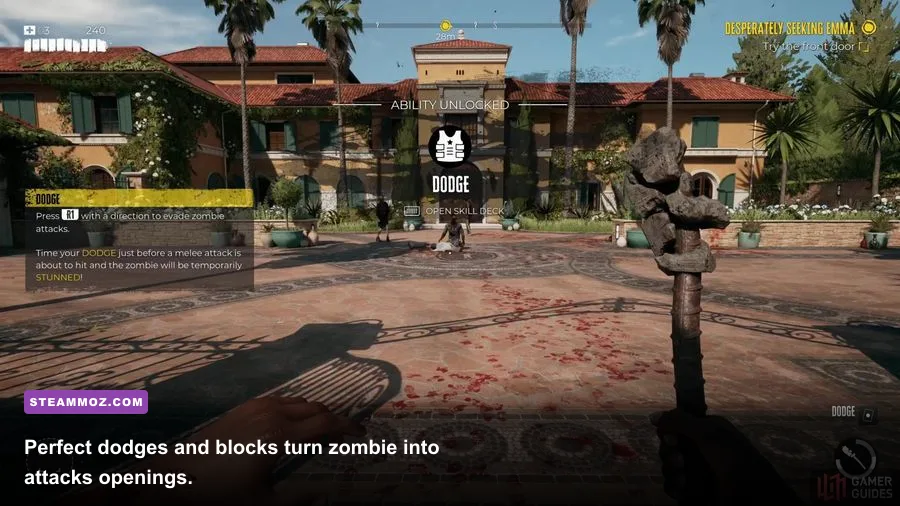
Your defensive Skill Card determines whether you can block or dodge. Blocking is available through the right card setup, while Dodge becomes available early in the campaign. Both actions are more powerful than simply avoiding damage: a well-timed defense triggers a counter opportunity and can stagger the attacker.
Watch the zombie's hands, not its face. A Walker pulls its shoulders back before a lunge, a Shambler raises its arms before a swing, and a Crusher pauses before slamming both fists into the ground. Tap dodge just as the strike arrives rather than panic-rolling early. With a perfect dodge, follow with a heavy attack or limb-targeted strike while the enemy is vulnerable.
Perfect blocks are especially strong against ordinary Walkers and Shamblers. They interrupt attacks, build stun pressure, and can set up a counter. Avoid holding block forever, though. Heavy enemies and Apex variants can chip through your guard, and blocking won't save you from every area attack. Against Crushers, jump over the shockwave or create distance instead of trying to absorb it.
Use the right answer for each threat
- Walkers: Perfect block, then counter or remove a leg.
- Runners: Dodge sideways and punish their recovery animation.
- Shamblers: Keep moving because their explosion can catch you after death.
- Crushers: Jump the ground slam, then attack their exposed recovery window.
- Butchers: Attack after their feeding animation and avoid trading at low health.
Don't waste med kits trying to brute-force every encounter. The best players often take less damage simply because they recognize the animation rhythm. That skill pays off more than a small weapon upgrade.
3. Use the FLESH System to Dismember, Not Just Kill
Dead Island 2's FLESH system makes body-part targeting a real combat strategy. Aim for knees to cripple movement, arms to reduce a zombie's attack options, and heads when you need fast damage. A limb with visible damage and exposed tissue is close to being severed, so switch targets rather than repeatedly hitting an already ruined section.
Blunt weapons such as the Police Baton and Sledgehammer are excellent for knocking enemies down. Sharp weapons such as the Machete and Katana excel at limb removal. Heavy attacks deal more stamina damage and can send ordinary zombies flying, while quick attacks let you maintain pressure without exhausting yourself.
Elemental damage also interacts with the environment. Water conducts electricity, fuel spreads fire, and caustic liquid can create dangerous area denial. A Battery-powered weapon or Shock Mod becomes much more useful when you lure enemies near a puddle. Conversely, don't blindly use fire in a cramped room where you may burn yourself or destroy an important escape route.
Autophage zombies are different. Fire-resistant enemies can shrug off your flame weapon, and some targets have clear immunities or vulnerabilities. Carry at least one physical-damage weapon and one elemental option so you're not locked into a bad matchup.
4. Build a Small Weapon Rotation Instead of Hoarding Loot
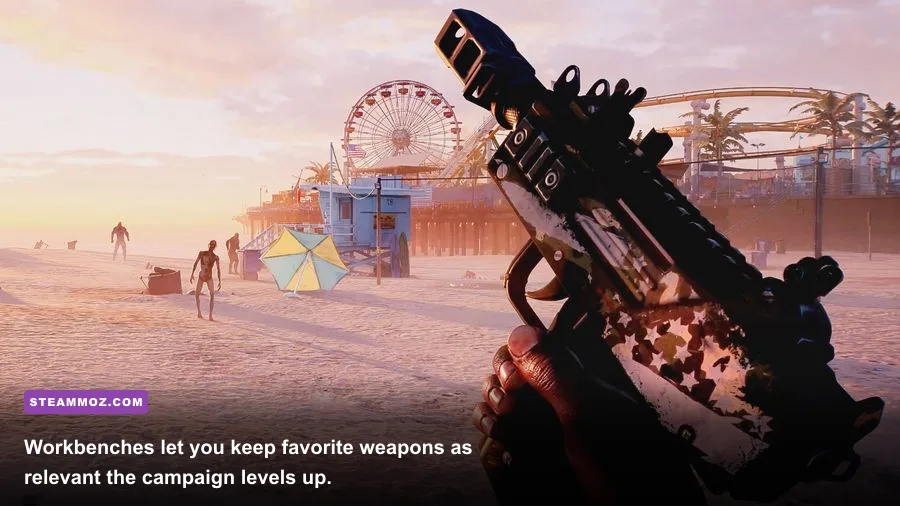
Weapons scale with your level, but that doesn't mean every new drop is an upgrade. A lower-rarity weapon with the right damage type, perk, and level can outperform a higher-rarity item with poor synergy. Keep three or four dependable weapons: one fast sharp weapon, one heavy blunt weapon, one elemental tool, and a ranged option for dangerous specials.
Use the workbench to repair weapons whenever you return to a safe area. Repair costs rise with level, so don't spend money fixing items you rarely use. The Increased Melee Damage and Frenzy style perks are valuable on fast weapons, while Weighted or Impact effects make heavy weapons better at stagger and knockdown. Perk quality and compatibility matter more than the color of the weapon name.
| Weapon Role | Good Examples | Useful Mod or Perk | Best Situation |
|---|---|---|---|
| Fast sharp weapon | Machete, Katana | Bleeding or damage-focused perk | Single targets and limb removal |
| Heavy blunt weapon | Sledgehammer, Pipe Wrench | Impact or Force | Knockdowns and crowd control |
| Elemental weapon | Shock or fire-modded melee weapon | Matching elemental damage | Groups and environmental combos |
| Ranged weapon | Pistol, Sporting Rifle | Damage or critical-hit perk | Butchers, Mutators, and priority targets |
Don't upgrade every weapon the moment you find it. The level-matching option at a workbench is expensive and is best reserved for a weapon with excellent perks or sentimental value. Sell surplus weapons instead. Cash is more useful than a packed locker, especially once high-level repairs and perk crafting become expensive.
For more gear-management ideas, compare this approach with Steamoz's weapon upgrade guide for Everspace. The games differ, but the principle is identical: spend resources on tools you actually use.
5. Treat Skill Cards Like a Build, Not a Scrapbook

Skill Cards are Dead Island 2's build system. They occupy categories including Abilities, Survivor, Slayer, and Numen, and the best combinations support one clear combat loop. Don't equip cards only because they sound powerful. A card that boosts a mechanic you never trigger is dead weight.
For a beginner Ryan setup, use Dodge or Block in the defensive slot, then favor cards that reward knockdowns, heavy attacks, and regained health. A defensive loop might look like this: block a basic strike, stagger the Walker, use a heavy attack to knock it down, then trigger a ground attack or stomp. Ryan's innate health recovery rewards that rhythm.
Dani can lean into area damage with skills that trigger explosions or improve heavy attacks. Amy and Bruno benefit more from movement, stamina management, and positional damage. Carla can safely choose cards that become stronger while surrounded, but you still need a ranged option for enemies that punish close combat.
Three practical card rules
- Match cards to your defense: If you prefer Dodge, use stamina and mobility bonuses. If you prefer Block, choose stagger and counter support.
- Keep a crowd-control slot: Dropkick and Flying Kick can create breathing room when three or more zombies collapse on you.
- Change cards before difficult fights: A fire-resistant enemy is a reason to swap elemental bonuses, not a reason to abandon your entire build.
When you unlock Numen cards later, read the Autophage trade-offs carefully. They can dramatically increase damage or Fury performance while changing health recovery and survivability. They're powerful, but they reward players who already understand enemy spacing.
6. Save Fury for Apex Emergencies
Fury is not just a flashy super mode. It is your emergency button when a Crusher, Butcher, or large group has you trapped. Fury charges through combat, especially when you take or deal damage, but activating it at the first sight of a Walker wastes its best value.
Use Fury when the arena removes your escape options, when multiple Apex zombies arrive together, or when a boss enters a dangerous phase. While transformed, prioritize the toughest enemy first. Clear the threat that can stagger or pin you, then mop up weaker zombies before the meter expires.
Fury also changes your relationship with Autophage skills. Higher Autophage levels can improve Fury damage and duration, but they reduce some normal healing benefits. That makes snacks, med kits, and careful defensive play more important. Don't activate an Autophage-heavy setup for a mission if your inventory is already empty.
7. Explore Side Streets for Lockboxes and Fuses
Dead Island 2 hides some of its best rewards behind exploration rather than quest markers. Bel-Air's mansion interiors, Halperin Hotel's service corridors, and Venice Beach's side buildings contain locked containers, fuses, named zombies, and shortcuts that become useful later.
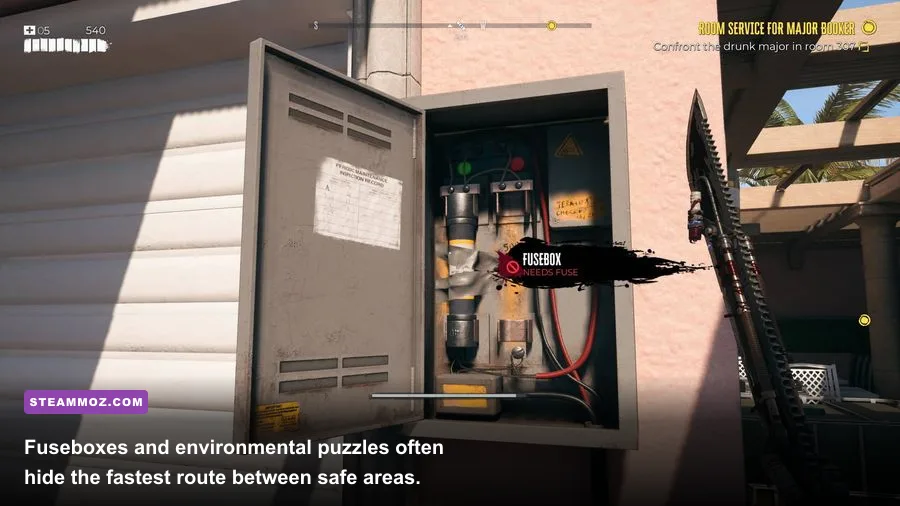
Grab every fuse you see. Fuseboxes open locked gates and frequently lead to weapon containers or safer routes. The fuses are limited resources, so use them where the reward is visible or where the shortcut connects two important areas. Search rooftops, balconies, and garages after completing a story mission because new keys and named enemies often become available later.
Don't worry about opening every locked door immediately. Many keys belong to zombies or quest characters who appear only after a specific side quest. Mark the location mentally, continue the story, and return when the game gives you a reason. This is faster than circling the same building for ten minutes.
8. Finish Side Quests Before Leaving an Area
Side quests aren't filler in Dead Island 2. They unlock Skill Cards, named weapons, workbench access, vendors, and character stories. The Death of the Party in Bel-Air, for example, leads you through a mansion full of useful loot and gives you a chance to learn how to handle mixed zombie groups.
Complete side objectives while you're already nearby instead of racing through the main story. The campaign opens new fast-travel maps and safehouses, but side content can also introduce weapons that remain useful for several levels. Vendors refresh their stock, so check them after major story milestones and sell unused gear before buying anything.
Fast travel becomes particularly valuable once you reach Ocean Avenue and the later districts. Use it to return to earlier areas for locked rooms, missing keys, and side quests rather than manually crossing the entire map.
9. Fight Specials by Reading Their Weaknesses
Apex variants punish a one-weapon mindset. Crushers control space with shockwaves, Butchers recover health when feeding, Screamers can stun you with their sonic attack, and Mutators are dangerous because their ranged spikes and charging attacks can interrupt your rhythm.
Target the behavior, not just the health bar. Interrupt a Butcher before it feeds. Stay mobile around a Screamer and attack after the sonic cone ends. Shoot a Mutator from range during its exposed transformation or recovery windows. Against Crushers, circle instead of backing straight up, because a wall removes the room you need to jump the slam.
| Enemy | Dangerous Telegraph | Counter | Best Tool |
|---|---|---|---|
| Crusher | Raised arms and ground slam | Jump the shockwave, punish recovery | Fast melee or firearm |
| Butcher | Crouches to feed on a corpse | Interrupt immediately | Heavy attack or shotgun |
| Screamer | Expanding sonic scream | Break line of sight and flank | Ranged weapon |
| Mutator | Transformation and spike volley | Keep distance and shoot exposed body | Rifle or pistol |
| Slobber | Projectile vomit pool | Strafe around the acid zone | Sharp melee or firearm |
Elemental resistance is also important. If a zombie ignores your fire damage, stop feeding it fire attacks. Swap weapons and use physical damage until the target is vulnerable again.
10. Tune Performance and Manage Your Inventory
Dead Island 2 runs smoothly on modern hardware, but crowded fights can expose frame-time problems. On PC, start with the game's recommended settings from the official Steam page, then prioritize a stable frame rate over maximum shadows. A consistent 60 frames per second makes dodge timing much easier than a prettier but uneven image.
Lower shadows, screen-space reflections, and foliage first if performance dips. Keep textures higher if your GPU has enough VRAM because texture quality usually affects image clarity more than combat responsiveness. If traversal stutters, cap your frame rate slightly below your display's maximum and close background overlays.
On consoles, use Performance Mode when available and disable motion blur if you want clearer target tracking. The game is at its best when you can read a Crusher's arm movement or a Butcher's feeding animation without visual smear.
| Setting | Recommended Starting Point | Performance Impact | Visual Trade-Off |
|---|---|---|---|
| Resolution | Native or dynamic resolution | High | Lowering improves GPU headroom |
| Textures | High if VRAM allows | Medium | Mostly affects surface detail |
| Shadows | Medium | Medium to high | Less contact-shadow depth |
| Screen-space reflections | Medium | Medium | Less reflective detail on wet surfaces |
| Foliage | Medium | Medium | Fewer distant plants and debris |
| Motion blur | Off for competitive clarity | Minimal | Sharper camera movement |
Finally, clear your inventory before every major mission. Carry a repairable primary, a backup with a different damage type, a ranged weapon, and enough med kits or snacks to survive two serious encounters. Sell duplicates, dismantle junk when crafting materials are more valuable, and stash weapons you want to test later.
For more PC troubleshooting habits, Steamoz's ELEX performance fixes and PC requirements guide show the same practical approach: stabilize performance first, then push visual quality.
The Smartest First-Hour Routine
Start as Ryan or Carla if you want forgiving melee combat, then practice perfect blocks or dodges against ordinary Walkers before the game fills arenas with Apex variants. Keep a fast sharp weapon, a heavy blunt weapon, and one elemental backup. Aim at limbs, use the environment, and save Fury for moments when the arena becomes crowded or an Apex enemy removes your escape route.
Explore each district instead of sprinting between objectives, collect fuses, finish nearby side quests, and return to workbenches only when you have a weapon worth maintaining. Those habits solve most early-game problems before they become expensive ones. Dead Island 2 rewards curiosity, timing, and a little inventory discipline far more than mindless gear grinding.
For official details on updates and support, check Dead Island's official website, the PLAION player support hub, and the Dambuster Studios site. And if you enjoy guides built around efficient progression, Steamoz's fast-leveling guide is another useful stop.