
If you're hunting for the co-op games worth clearing your calendar for, the short answer is this: extraction shooters, survival-crafting sandboxes, and boss-rush looters are the three genres carrying the co-op torch right now, and a handful of upcoming releases are already dominating Discord chats and Steam wishlists. We're talking games built from the ground up around forced teamwork, revive mechanics, shared loot pools, and boss fights that flat-out require four sets of hands. This isn't a vague hype list — here's exactly what's coming, why it matters mechanically, and which squad slot each game fills.
Why Co-Op Is Having Its Biggest Moment Since Left 4 Dead
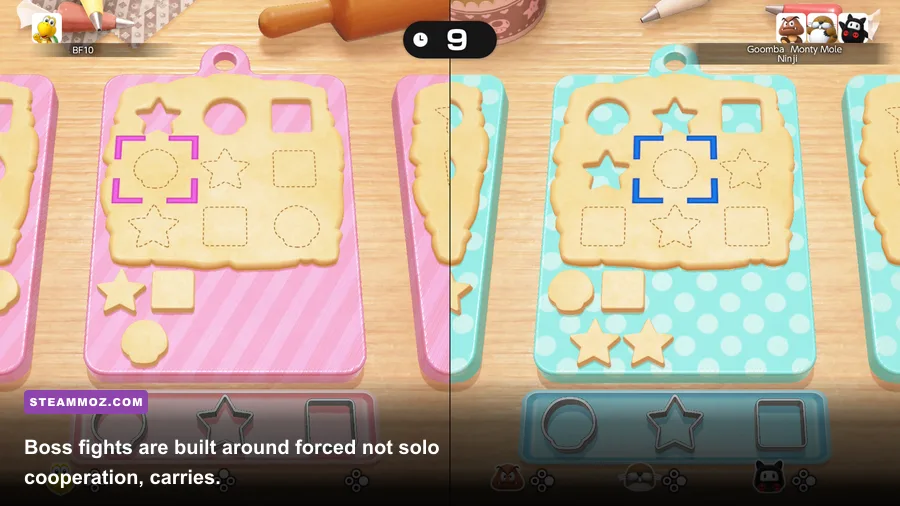
Publishers finally figured out that friction between friends sells better than frictionless solo campaigns. Games like Helldorak-style horde shooters and Lethal Company-inspired horror titles proved that shared failure is funnier and stickier than shared success. Death by friendly fire, accidentally locking a teammate out of an airlock, running out of stims at the worst possible second — that's the content people clip and share. Studios are now designing entire systems (revive timers, shared inventory weight, split-screen proximity chat) specifically to create those moments, instead of treating co-op as a bolted-on afterthought.
The Extraction Shooter Wave
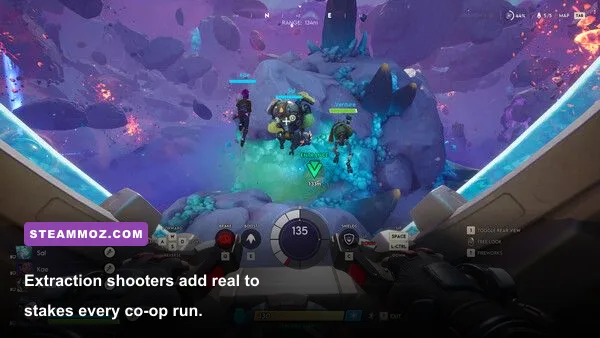
Extraction shooters like Apex Legends-adjacent titles and new entries chasing the Escape from Tarkov formula are leaning hard into squad play. The pitch is simple: drop in with 2-3 friends, loot a hostile map, extract before the timer or the AI faction wipes you. Death means losing your gear, so every decision — do we fight for that crate or bail — becomes a group negotiation under pressure.
The Survival-Crafting Co-Op Boom
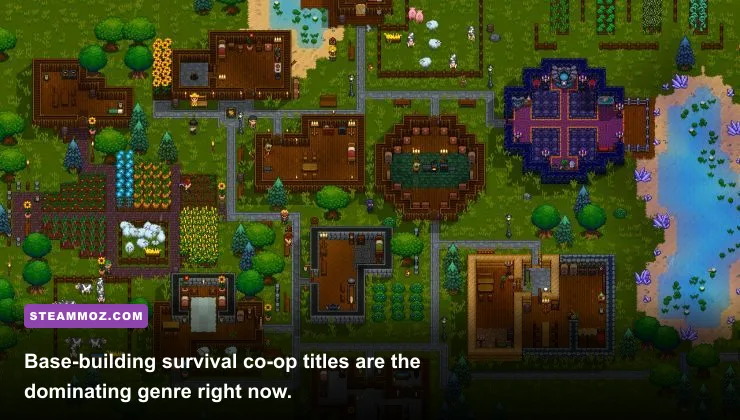
Base-building survival games are basically the new MMO for friend groups who don't want an MMO's time commitment. Titles inspired by Valheim and Enshrouded are stacking up on 2025-2026 release calendars, and the formula is refined: you split roles (builder, farmer, combat scout), pool resources into a shared base, and progress through boss-gated biomes that force the whole group to gear up together before pushing forward.
| Genre | Example Mechanic | Ideal Squad Size | Why It Works |
|---|---|---|---|
| Extraction Shooter | Permadeath loot, timed extraction | 2-3 players | High tension, real stakes per run |
| Survival Crafting | Shared base, biome bosses | 3-4 players | Long-term progression keeps groups coming back |
| Horror Co-Op | Split-party objectives, voice proximity | 4 players | Fear and comedy from isolation mechanics |
| Looter-Shooter Boss Rush | Scaling health bars, revive windows | 3-4 players | Rewards coordination over solo skill |
Horror Co-Op Games Built to Split the Party

The Lethal Company blueprint — send a crew into a dangerous zone, split up to hit quota, watch someone get dragged off screaming — has spawned an entire subgenre. Upcoming titles are copying the "asymmetric fear" formula: one player might be stuck monitoring cameras while the rest explore, meaning everyone has a distinct job that matters. The genius here is that these games are cheap to make and insanely replayable because the AI director randomizes threats, so no two runs feel scripted. If you liked how EscapeVR: The Basement handled tension through isolation, this new wave scales that same dread up to a full squad.
What Makes These Games Actually Scary With Friends
It's not jump scares — it's information asymmetry. When your buddy is the only one who can see the threat on his screen and has to type or scream directions to you blind, that's when panic sets in for real. Good horror co-op design punishes silence and rewards clear, fast communication, which is exactly why voice chat games in this genre outperform text-based ones by a mile in engagement.
Boss-Rush Looter Shooters Demanding Real Coordination
Looter-shooters chasing the Helldivers 2 and Warframe formula are doubling down on encounters that literally cannot be soloed efficiently. Boss health bars scale with player count, damage-type weaknesses rotate mid-fight, and revive windows are tight enough that a downed teammate becomes an active objective, not a background task. If your squad enjoyed theorycrafting weapon tiers like we broke down in our Far Cry 3: Blood Dragon weapons tier list, expect these upcoming co-op shooters to demand the same level of loadout planning, just with a partner checking your six.
| Co-Op Role | Primary Job | Best Loadout Focus | Common Mistake |
|---|---|---|---|
| Point/Tank | Absorb aggro, hold chokepoints | High armor, crowd control | Pushing too far without backup |
| Support/Medic | Revives, buffs, resource sharing | Utility gear, mobility tools | Hoarding heals instead of proactive use |
| DPS/Striker | Burst damage on priority targets | Elemental or crit-focused weapons | Ignoring callouts, tunnel visioning a kill |
| Scout/Recon | Map info, loot routes, extraction timing | Speed and stealth gear | Wandering off comms range |
Couch Co-Op Is Quietly Making a Comeback
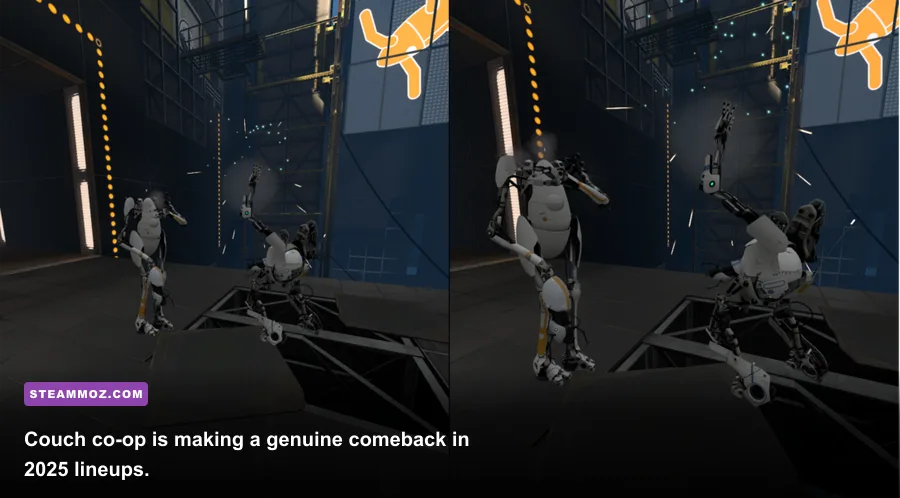
After years of online-only dominance, split-screen and local co-op are back on publisher roadmaps because streamers keep proving how good "chaos on one screen" content performs. Games are being built with dynamic split-screen that reformats based on player distance, so you're not stuck staring at a permanently divided TV. It's a small technical thing, but it makes local co-op feel modern instead of like a PS2 throwback.
Performance Matters More Than Ever in Co-Op
Here's something people underrate: co-op games live or die on stable frame rates because desync and stutter ruin timing-based mechanics like revives and parries. If you're gearing up your rig for the next wave of releases, it's worth applying the same tuning logic we used in our Far Cry 6 GOTY settings guide — prioritize frame consistency over max visual fidelity, especially in four-player split-screen or when hosting a server yourself.
| Setting | Recommended Value | FPS Impact | Visual Note |
|---|---|---|---|
| Shadow Quality | Medium | +8-12 FPS | Minor softness, barely noticeable in fast co-op combat |
| Motion Blur | Off | +2-4 FPS | Improves clarity when tracking allies |
| View Distance | High | -5 FPS | Important for spotting threats/loot as a scout |
| Resolution Scale | 90% | +10 FPS | Near-invisible quality loss, big stability gain |
Which Upcoming Co-Op Game Should You Pick First?
If your squad loves tension and permadeath stakes, chase the extraction shooters first — they reward tight communication and punish greed hard. If you're the type of group that plays together for months, not weekends, the survival-crafting titles will hook you with base progression and boss-gated content walls. Horror co-op is the pick for groups that want short, chaotic, clip-worthy sessions rather than long-term commitment, and boss-rush looters are perfect for squads who already min-max builds and want mechanical depth to chew on.
Whatever you pick, the trend is clear: 2025-2026's co-op lineup isn't just multiplayer for multiplayer's sake — it's systems specifically engineered to make you and your friends yell at each other in the best possible way. Keep an eye on official pages like the Steam co-op curator lists and developer roadmaps on r/coopgaming for the latest confirmed release windows, because this genre is moving fast and wishlists are the best way to not miss launch discounts.