
The PC RPGs that give you genuine freedom of choice and morality aren't the ones with a karma meter slapped on the corner of your screen — they're the ones where the game remembers what you did three towns and twenty hours ago and makes you live with it. Disco Elysium, Baldur's Gate 3, Fallout: New Vegas, and Kingdom Come: Deliverance 2 top this list because they build entire systems around consequence instead of just painting your choices a different color.
Why "Choice and Consequence" Is Harder to Pull Off Than You Think
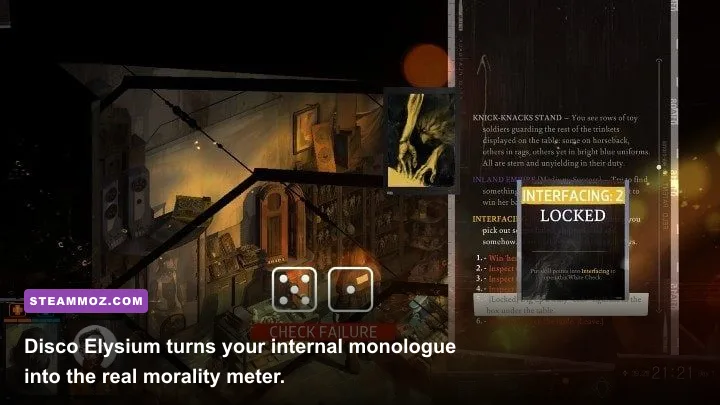
Here's the dirty secret of the genre: most games that claim full moral freedom are actually running a binary switch behind the curtain. Good ending, bad ending, maybe a "neutral" one bolted on so reviewers stop complaining. That's not freedom, that's an illusion with extra dialogue trees.
Real choice-and-consequence design tracks dozens of variables simultaneously — faction standing, individual NPC memory, world-state flags, even subtle stuff like which skills you leveled. Disco Elysium's ZA/UM built an entire skill-check dialogue engine around this idea, where your character's own psyche argues with itself depending on what you've invested in. Baldur's Gate 3's Larian Studios went even further, reportedly writing over 2 million words of dialogue with branching states that account for companion approval, class, race, and even whether you long-rested at the wrong moment. That's the bar. Everything below gets measured against it.
The S-Tier Freedom Kings

These four games don't just let you pick a side — they let you invent your own.
| Game | Core Freedom Mechanic | Why It's S-Tier | Best For |
|---|---|---|---|
| Disco Elysium: The Final Cut | 24 skill personalities arguing internally | No combat filter — every choice is pure roleplay and consequence | Players who want narrative depth over mechanics |
| Baldur's Gate 3 | Approval system + reactive world states | Full D&D ruleset lets you fail forward into new outcomes | Players who love emergent chaos |
| Fallout: New Vegas | Faction reputation (Idolized to Vilified) | Four distinct endings, dozens of mid-tier outcomes | Players who love political maneuvering |
| Kingdom Come: Deliverance 2 | Local reputation per region + Henry's skills | Consequences feel grounded, not gamified | Players who want realism over fantasy |
Disco Elysium: The Final Cut
You don't fight monsters here, you fight your own Ancient Reptilian Brain and Electrochemistry skill for control of your mouth. Every dialogue option is gated by which of your 24 skills is strongest, and the game knows you're leaning communist, fascist, or ultraliberal based on tiny throwaway lines you picked hours ago. There's no combat to fall back on — this is the purest distillation of "your choices are the gameplay" on PC right now. Check the Disco Elysium Steam page if you haven't dipped in yet.
Baldur's Gate 3
Larian's masterpiece lets you shove a companion off a cliff mid-conversation, romance a literal tadpole-infested vampire, or negotiate peace with a Githyanki creche using nothing but a Persuasion roll. The Approval system tracks each companion separately — Shadowheart might love that you spared the Goblin camp while Lae'zel is furious. It's the closest PC gaming has gotten to tabletop DM-level reactivity. Full details live on the official Baldur's Gate 3 site.
Fallout: New Vegas
Obsidian's Mojave still hasn't been topped for faction complexity. The Reputation system runs on a -100 to +100 scale per faction, and killing the wrong NPC in Freeside can tank your standing with the entire Kings gang permanently. Four major endings — House, NCR, Legion, or Yes Man/Independent — each branch into sub-variants depending on side quests you completed. If you want a game that punishes fence-sitting just as hard as it rewards commitment, this is it.
Kingdom Come: Deliverance 2
Henry's reputation is tracked per region, not globally, so you can be a beloved folk hero in Trosky and a wanted thief in Kuttenberg simultaneously. Steal from a merchant and word spreads through gossiping NPCs over in-game days, not instantly. It's slower, grittier, and way more believable than any karma bar. Warhorse built an entire simulation layer just so lying to a guard actually has weight.
A-Tier Games That Still Deliver Real Stakes
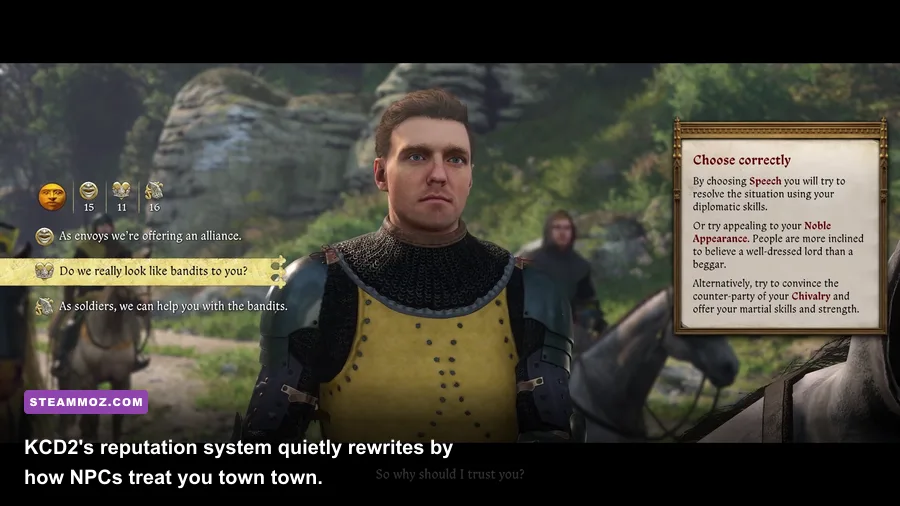
Not every great choice-driven game needs to reinvent the wheel — these next picks nail the fundamentals hard enough to earn a permanent spot in your library.
| Game | Freedom Highlight | Weak Point |
|---|---|---|
| Divinity: Original Sin 2 | Companion-specific moral arcs, elemental combat freedom | Main plot outcome is less flexible than side content |
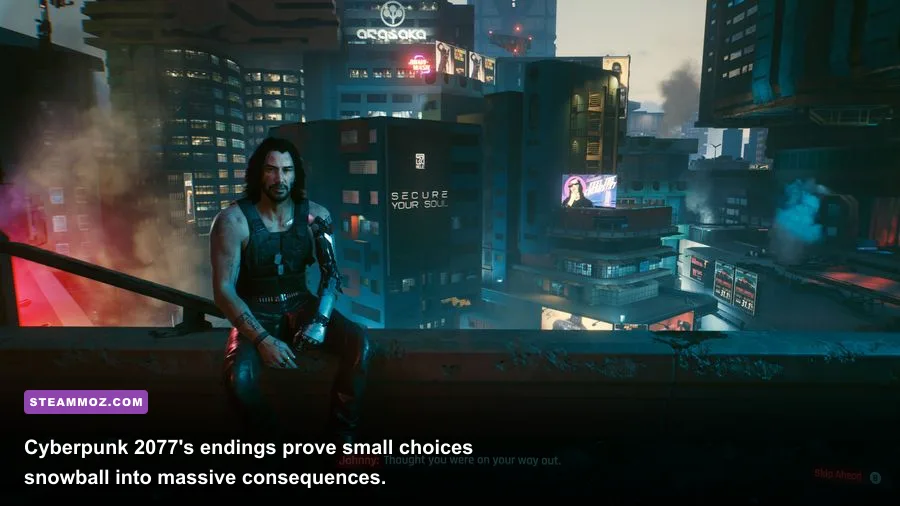
| Cyberpunk 2077 (2.0+) | Multiple faction paths, six distinct endings | Choices feel more cinematic than systemic |
| Dishonored 2 | Chaos system alters world state, NPC dialogue, even ending cutscenes | Morality is binary (High/Low Chaos) rather than nuanced |
| Deus Ex: Human Revolution | Lethal vs non-lethal playstyles change late-game options | Older engine limits reactivity compared to modern titles |
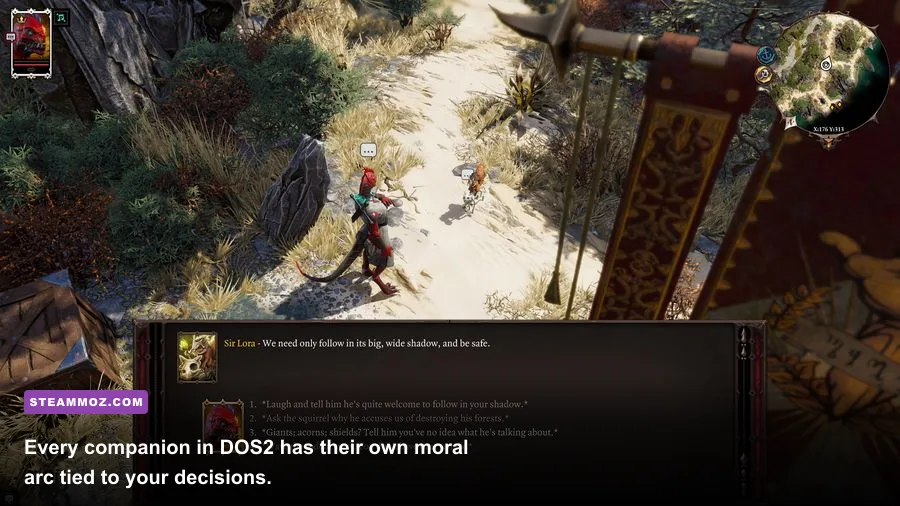
Divinity: Original Sin 2 deserves a special shoutout for how it handles companion quests — each origin character (Fane, Sebille, The Red Prince) has a personal redemption or damnation arc that plays out independently of your main story choices. It's basically four morality systems stacked into one campaign.
How These Games Actually Track Your Morality
This is the part most "best choice games" lists skip entirely, and it's the actual meat of what makes freedom feel real instead of cosmetic.
Flag-Based Tracking (Fallout New Vegas, Kingdom Come 2)
Every major decision sets an invisible boolean flag or numeric value in a save file. New Vegas alone tracks over 30 individual faction and companion variables. These flags get cross-referenced later — kill a Legion officer early, and a completely unrelated quest 15 hours later changes its dialogue tree because the game checked that flag.
Approval/Relationship Meters (Baldur's Gate 3, Divinity OS2)
Each companion has a hidden approval score that shifts by small increments (+2, -5, etc.) based on your choices in front of them. Hit certain thresholds and you unlock unique romance scenes, betrayal options, or companions straight-up leaving the party. In BG3, Astarion's approval swings wildly if you're cruel to civilians versus if you feed his vampiric urges responsibly.
Skill-Gated Internal Dialogue (Disco Elysium)
Instead of a meter, your build itself IS the morality system. High Volition and Inland Empire push you toward empathetic, philosophical choices. High Physical Instrument and Half Light push toward aggression and paranoia. There's no "correct" build — just different lenses on the same broken world.
World-State Chaos Scaling (Dishonored 2)
Every kill (not just story kills — random guards count) adds to a hidden Chaos score. Cross a threshold and rats multiply, plague spreads faster, and NPCs start reacting to you with visible fear. Low Chaos runs even change how the final cutscene is lit and scored.
Picking Your First Playthrough
If you're new to this genre and don't know where to start, match your play style to the system instead of the hype.
| Your Play Style | Best First Game | Why It Fits |
|---|---|---|
| Love reading, hate combat | Disco Elysium: The Final Cut | Zero traditional combat, pure dialogue-driven consequence |
| Want tabletop chaos with friends | Baldur's Gate 3 | Co-op supports 4 players, choices diverge per person |
| Enjoy political strategy | Fallout: New Vegas | Faction reputation rewards planning ahead |
| Prefer grounded realism | Kingdom Come: Deliverance 2 | No magic, no easy answers — every choice has weight |
Don't sleep on stacking these with other systems-heavy games either — if you've already burned through the open-world power fantasy side of things like Far Cry 6's beginner builds or tuned your rig using the GOTY Upgrade Pass FPS settings, these choice-driven RPGs scratch a completely different itch — slower, heavier, and way more personal. Even older entries like Far Cry 2's morally gray mercenary sim planted early seeds for this genre's obsession with consequence.
One last thing worth flagging: performance matters more in these games than people admit, especially Baldur's Gate 3's Act 3, which is notorious for FPS drops in Rivington. If your rig struggles the way some players report on Larian's official site forums, dial back shadow quality before you touch anything else — it's the single biggest FPS eater in the engine.
Whatever you pick, go in prepared to actually sit with your decisions instead of reloading a save the second things go sideways. That's the entire point. The best choice-and-morality RPGs on PC aren't fun despite the consequences — they're fun because of them.